In 2019 I celebrated “Ninjanuary” with several posts about the ninja in popular culture, particularly in films and books from the 1980s, and I occasionally return to that theme. Past entries can be found by clicking on the Ninjanuary tag.
When I was in eighth grade, my best friend and I came up with an idea for a movie, influenced by the ninja craze of the time. We proposed a convention of the world’s ninjas, meeting in one place and forced by circumstance to come together against some powerful threat (if we got as far as specifying what the threat was, I don’t remember it). Part of the appeal was that every ninja had a gimmick reflecting their occupation or country of origin, so in addition to the obvious black-clad ninjas with the usual weapons, we imagined a ninja yo-yo expert, a Scottish ninja who wore a kilt and fought with ninja bagpipes, and a ninja trombonist whose slide doubled as a deadly weapon (and we hadn’t even seen The Town that Dreaded Sundown!). I don’t remember everything we came up with, but we obviously stole a lot of ideas from superhero comics and professional wrestling in addition to martial arts movies.
I was reminded of this aborted project when I watched Black Tight Killers, a 1966 Japanese film (dir. Yasuharu Hasebe) that does not (at first) advertise its ninja themes; on the surface, it appears to be more of a crime film with a stylish, swinging approach common to the James Bond series and its many “spy-fi” contemporaries. Whereas in the 1980s and later, most attempts to modernize the ninja involved putting him in bulletproof body armor or turning him into a computer hacker, or maybe something with lasers, Black Tight Killers features a go-go-dancing girl gang using vinyl records, golf clubs, and chewing gum, among other mundane objects, as parts of their arsenal of (named) ninja moves, all becoming deadly weapons or means of escape in the right hands. Even though our movie about the ninja convention never made it past the daydreaming stage, it was validating to see that a similar idea had been part of the original cycle of Japanese ninja films (I haven’t dug into these movies very much, but this modern approach was novel compared to the usual historical and mythological treatments of the subject at the time).
The film begins with Hondo (Akira Kobayashi), a war photographer, flirting with flight attendant Yoriko (Chieko Matsubara) on his return flight to Japan. When they go on a date together, Yoriko is spooked by a strange man who has been watching her; when Hondo looks for the stranger to confront him, he finds the man stabbed to death and is accused of the crime by a pair of onlookers. Then Yoriko is abducted by three women in black tights and leather jackets. Before he can chase after them, he is arrested for murder. The victim, Lopez, was illegally trading U.S. dollars, and everyone who appears ready to help Hondo has their own angle. Thus begins a twisty caper with multiple interested parties and shifting loyalties, all looking for a shipment of Okinawan gold hidden by Yoriko’s late father after the war.
The only allies Hondo has are his friend Bill, an American newspaperman, and Momochi, an elderly “ninja researcher” with whom Hondo lives and trains. I was never quite clear if Momochi is Hondo’s father or sensei, or just a knowledgeable acquaintance, but I don’t think they come right out and say; in any case, Momochi helps Hondo puzzle out some of his problems and plays the same role as 007’s “Q,” giving him gadgets that turn out to be just what Hondo needs in a few sticky situations.
In one interesting bit of dialogue, Momochi shows Hondo a gas cannister used by America’s “ninja soldiers,” referring to the Army Rangers. Already we are expanding the definition of “ninja” beyond notions of clan or pedigree. The girl gang, the “Black Tights” of the title, pose as a traveling dance troupe calling themselves the “Ninjas” (hiding in plain sight, perhaps), but while we learn their background and motivations, we don’t actually find out if they’ve inherited their ninja techniques or learned them out of necessity. In this film, ninja isn’t something you are, it’s something you do.
The blurb on Night Flight Plus, where I watched this, describes Black Tight Killers as a “spy spoof.” The influence of 1964’s Goldfinger is especially obvious, not just in the cache of gold that serves as a MacGuffin but in the mileage the story gets from that film’s famous death by body painting. Still, it’s reductive to see it only as parody. The wave of heightened, Pop-Art-inspired camp that made its way into every corner of the media in the late ‘60s often had it both ways, offering real, visceral death and danger while laughing it off with a quip and a smirk.
The mixture of high and low style is another source of excitement and tension. Scenes are bathed in solid primary colors, like panels of a comic book, matching the simple, iconic profiles of the characters: detectives in trench coats, gangsters in zoot suits, good girl Yoriko always in white and the Black Tights always in, well, you know. But the film is frequently arty and baroque as well; there’s even a “dream ballet” in which Hondo reimagines Yoriko’s kidnapping by the Black Tights. The red flower of Okinawa, worn as a corsage by all the Black Tights, takes on heavy symbolic freight by the end of the film, even as the continual ironies and reversals of the plot lead to a literal punchline.
Finally, this is above all an action movie, with characters continually on the move. Other than an island-set climax, the production is relentlessly urban: Hondo’s quest to rescue Yoriko takes him from glamorous clubs to seedy photography studios and bathhouses. There are car chases, shootouts, and explosions, and there is a body count. The hand-to-hand action is about what you’d expect from a hard-boiled noir, with few of the martial arts flourishes you might expect when you hear the word “ninja”—there’s a knock-down-drag-out fight through multiple rooms of an abandoned house near the end of the film that would make Republic’s fight coordinators proud, with plenty of breakaway furniture and collapsing bannisters, all while Yoriko is caught in a literal deathtrap. “Dance! Dance all you want! It’s your last one!” taunts the villain. Yes, that’s the stuff.
In 2019 I celebrated “Ninjanuary” with several posts about the ninja in popular culture, particularly in films and books from the 1980s, and I occasionally return to that theme. Past entries can be found by clicking on the Ninjanuary tag.
When I wrote about Commando Ninjalast year, I noted how exaggerated many “retro” 1980s throwbacks are in their treatment of themes and visual styles, parodying or intensifying elements from movies and TV shows that were already larger than life. Justice Ninja Style (John Legens, 1986) is an actual product of the 1980s and a good reminder of how square a lot of that entertainment was. With distance, we’ve remembered the highest points, the most stylish or exciting moments, and forgotten the sea of formula and mediocrity from which those peaks emerged. That’s not to say Justice Ninja Style is bad—for the most part, it’s pretty charming and makes for a diverting 70 minutes or so—but it’s much more prosaic than those latter-day vaporwave creations, or, for that matter, such singular ‘80s oddities as Unmasking the Idol or Ninja III: The Domination.
While Justice Ninja Style was produced by a Hollywood company, it was shot on location in a small town with the enthusiastic participation of locals (including the police and fire departments), giving it the feel of a regional DIY movie. Everyone gets in on the act, from area musicians to kids in the local karate studio; most scenes in public places are sprinkled with extras from around town. (In that regard, Justice Ninja Style most reminded me of King Kung Fu, the 1976 monster/martial arts spoof that doubles as a tour of Wichita, Kansas’ points of civic pride.) It’s a little odd for me, having gotten used to shot-on-video movies as inherently transgressive “outsider” art, exploring themes of horror, sexuality, or (for want of a better term) mindfuckery, and severely constrained by lack of resources, talent, or interest in mainstream appeal, to watch a similarly small-scale movie that seems to aspire to being a TV movie of the week. The violence is mostly bloodless, and while there is an air of sexual menace and implied threat of rape, it’s strictly PG-rated (for the ‘80s). It’s almost wholesome.
Set in De Soto, Missouri (a small town south of St. Louis), the film begins with two women, Shelly and Carol, driving through the countryside, discussing Shelly’s frustration with the hapless George, a police deputy who keeps pushing for a date. They don’t notice the police cruiser following them at a distance. When their car gets a flat tire, Carol offers to walk to the nearby salvage yard for help (it’s the ‘80s—no cell phones, kids), leaving Shelly alone when George pulls up with his partner, Grady. While George has Grady work on the tire, he makes a move on Shelly; she fights off his aggressive overtures, and in a rage he strikes her, accidentally killing her. Before Grady can decide what to do, George senses the opportunity to frame a patsy, new-to-town karate instructor Brad, who happens to be jogging by. George tricks Brad into showing him some moves with his T-stick, getting his fingerprints all over it, and gives himself a bump on the head so he can claim Brad resisted arrest when George tried to apprehend him after discovering him with the dead woman. He browbeats Grady into going along with this and Brad ends up in a jail cell. The charge: murder.
You might expect that this injustice pushes Brad to exact bloody revenge against the corrupt cops, like John Rambo in First Blood, but while he does protest his innocence, he’s much too nice a guy to burn it all down. Brad is the main POV character, but he practices karate, not ninjitsu. No, the film gets its title and theme from the mysterious, black-clad figure who witnessed Shelly’s murder and who later breaks Brad out of jail and wordlessly offers him help along the way to clearing his name. Brad doesn’t expect either his friends (mostly fellow karate instructor Dan) or his enemies to believe that there’s a ninja around—he can barely believe it himself. But through physical evidence like the shuriken (throwing stars) left on the ground and sightings from other people, eventually the truth gets out and George faces a reckoning at the deadly hands of the ninja.
It is amusing that the De Soto police were so cooperative when the Deputy is such an obvious villain. Perhaps they were too star-struck to worry about whether the movie would be copaganda, and it is worth noting that Rick Rykart, who played George, wasn’t local. (Rykart gives the most compelling performance: he starts out as a jerk who goes too far and tries to cover his tracks, but the scenery becomes more tasty as he becomes more desperate, so by the end he’s threatening to murder four people to guarantee their silence and bellowing that he’s not afraid of any ninja.) But there’s another angle: through a dramatic contrivance, George is only in charge while the Chief is away on business, giving him an incentive to wrap the case up before the Chief returns, and with Brad (Brent Bell) and his friends counting on the Chief to recognize the truth when he hears it. Like the absent King Richard, the Chief’s departure leaves a hole that can either be filled by pretenders like George or the Robin Hood-like ninja, operating outside of the law to preserve something more important: justice.
The ninja is played by Grand Master Ron D. White, a 9th Degree Black Belt and Martial Arts Hall of Famer, who also (according to him) rewrote the script to more accurately portray the art and history of the ninja. Although he doesn’t get a lot of screen time, the film was built around White, and after its initial release, producers apparently felt that they needed to beef up his presence as well as provide more backstory explaining his character’s motivation instead of saving that revelation for the end. The expanded film was released as Ninja the Ultimate Warrior; I may be in the minority, but I don’t think it’s an improvement. The ninja is entirely silent and remains masked in Justice Ninja Style, but Ninja the Ultimate Warrior—which reveals that the ninja character is apparently named “Liberty King”—has a prologue in which White woodenly delivers exposition, and another scene establishing that George was a corrupt hothead in St. Louis before he was reduced to being a corrupt hothead in a small town. These scenes don’t add much and only make the later plot turns seem predictable instead of developing organically.
The legitimacy of White’s claim to be a real ninja isn’t something I’m qualified to dispute, but suffice it to say that there are many dubious pedigrees and many self-credentialed figures in the martial arts world. In the documentary The Ninja Speaks (on the Justice Ninja Style Blu-ray from VHShitfest), White doesn’t talk about when or how he became a ninja, other than to say that “some people liked and some people hated” his video How to Be a Ninja, an introduction to ninja weapons and techniques with some hands-on demonstrations. Perhaps it’s all kayfabe, or maybe White’s antics are a smokescreen of disinformation to protect the real secrets of the shadow warriors. It’s not my place to say.
According to Letterboxd’s year-end summary, my most-viewed actor in 2025 was Sidney Toler, who played Charlie Chan in a series of B-movie mysteries in the 1940s; my most-watched director was René Cardona, Jr., the subject of a pair of box sets from Vinegar Syndrome that I watched last spring. (Cardona was the son of René Cardona, Sr., who directed some of the installments of the Santo series, which I wrote about in 2024. The films in the Cardona, Jr. sets were primarily adventure and crime pictures.) I suppose those are typical examples of my viewing through much of the year (and, as always, you can look at my complete diary if you like), but neither body of work is particularly noteworthy beyond numerical superiority. I almost decided not to post an end-of-year list: I didn’t see very many new films in 2025, and there are obviously still a lot of movies I haven’t caught up with yet. However, I saw enough that I liked that I thought it would be worth writing at least a Top Five 2025 New Releases.
5. It would be difficult for the Marvel Cinematic Universe to pull off the conceit of the original Thunderbolts, a series by Kurt Busiek and Mark Bagley in which a new team of heroes shows up, only to be revealed that they are actually old villains operating in disguise under new names. However, in adopting the same name (with a cheeky in-universe explanation) for an ad hoc team of antiheroes, screw-ups, and antagonists from past MCU films, Thunderbolts* (dir. Jake Schreier) gives us an idea of what to expect, at least tonally. When a group of mercenary superhuman operatives is summoned to a remote lab, each with orders to kill each other and destroy the lab, it doesn’t take them long to figure out that someone in the government is trying to clean up after themselves, and they are determined to save their skins and bring the truth to light. Since this is part of the ongoing soap opera of the MCU, it helps to understand the history between White Widow (Florence Pugh) and her father Red Guardian (David Harbour, consistently a delight), and between disgraced former Captain America John Walker (Wyatt Russell) and James “Bucky” Barnes (Sebastian Stan), now a U.S. Senator. But it’s the appearance of the Sentry (Lewis Pullman), a previously unknown character, that really throws a wrench in to the plans of mastermind Valentina (Julia Louis-Dreyfus). In the comics, the Sentry was a character who had supposedly been created alongside the Fantastic Four and other Silver Age Marvel stars, but “erased” himself, forcing everyone to forget him, to protect the world from a danger he himself represented, and only reemerging in the 21st century. I liked the idea of the Sentry more than the execution, most of the time, but the film version (here depicted as a test subject given great power, but whose unresolved personal demons are a literal “dark side”) works very well and complements the theme of confronting and overcoming failure. And, as the asterisk at the end of the film’s title might hint, there is still a Thunderbolts-worthy twist.
4. I was surprised to learn that The Day the Earth Blew Up: A Looney Tunes Movie (dir. Peter Browngardt) was the first original feature film starring the famous cartoon characters (previous theatrical features were either compilations of existing shorts or live-action/animated hybrids like Space Jam), but if this was a trial balloon, it paid off. (Aside from it being good, it’s worth celebrating The Day the Earth Blew Up’s success for convincing Warner Bros. to release the previously shelved Coyote vs. Acme.) Rather than stuff the screen with characters, this one focuses on Porky Pig and Daffy Duck as adopted brothers struggling to pay off their inherited farmhouse while aliens secretly take over the local chewing gum factory for mysterious (but presumably sinister) reasons. It’s a fun balance of new and old, with plenty of references for the old-school animation heads to catch (there’s a great workplace montage set to Raymond Scott’s “Powerhouse,” the “factory” music incorporated into many classic Looney Tunes scores by Carl Stalling), but without feeling hidebound. It gets a lot of mileage from characterizations of Porky as the hard-working rule-follower, teamed up with Petunia Pig as a sweet-but-tough scientist, and Daffy as the well-meaning but easily distracted screwup. (This is original-flavor “agent of chaos” Daffy, not so much the egotistical foil to Bugs Bunny from later iterations.) The resolution to the alien plot (a spoof on 1950s alien invasion and body-snatcher movies, with nods to modern takes like The Thing and The X-Files) is suitably loony, and explains why an original alien character (voiced by Peter MacNicol) appears instead of Marvin the Martian.
3. Like a lot of people, I caught the fever for KPop Demon Hunters (dir. Maggie Kang and Chris Appelhans), first watching it on Netflix and later accompanying my wife to a sing-along screening. The film, in which the members of Korean pop trio Huntrix are secretly the heirs to a tradition of musical demon slayers, fighting off incursions from the underworld and keeping the world safe with their voices, wouldn’t work at all if the songs fell flat. But in addition to its memorable musical numbers, it’s often very funny, drawing humor and pathos alike from the characters of the three young women at its center.
2. Weapons (dir. Zach Cregger) begins with a voiceover, a child describing the night that the kids from an entire third-grade class walked out of their houses and disappeared, setting the tone for an enigmatic urban legend or dark fairy tale. It’s an approach that works surprisingly well for a story set in contemporary suburbia, and like a fairy tale, Weapons can be enjoyed as a story for its surface elements (told in fragments, from the perspectives of alternating characters, each expanding the audience’s view a little more, until finally revealing what’s really going on) or as a symbolic examination of current anxieties. In this case, the title and the specter of an enormous assault rifle that appears in a dream sequence suggest a meaning that is never stated explicitly, but in modern America, what’s the most common explanation for an entire classroom of children vanishing at once?
1. Sinners (dir. Ryan Coogler) contains multitudes: a period piece, a supernatural horror movie, a meditation on community and identity. Michael B. Jordan plays a dual role as twin brothers Smoke and Stack, who return to their small hometown in the Mississippi Delta with the idea of opening a roadhouse after bootlegging in Chicago. Their younger cousin Sammie (Miles Caton), torn between his father’s church and his worldly love of the Blues, begs for an opportunity to play guitar at the roadhouse’s opening. It’s not until Sammie’s playing literally lifts the veils between different times and places (in an audacious scene that demonstrates the “power of music”) that the genre switcheroo takes place, as the music attracts the attention of a band of Irish vampires who want Sammie’s power to revisit their own long-lost home. It’s a movie I will revisit.
In a hidden catacomb deep within a Mexican silver mine, the mine owner discovers an old silver box containing a mummified hand. When it starts moving of its own volition and drives him to replace his own hand with it, leading him to behave erratically—even murderously—his wife must face the question: is this the hand of the Devil himself? Such is the premise of Demonoid, a fun, goofy horror movie I watched near the beginning of October. That led to Sinister Hands (the hands in question belong to a swami who becomes the obvious suspect when his wealthy patroness’ husband is murdered during a séance) and Invisible Hands (featuring another grisly trophy). If I’d wanted to make a whole theme month out of it, I could have kept going with The Beast with Five Fingers, And Now the Screaming Starts, and (of course) The Hand. But regular readers know that I don’t usually plan that far in advance.
In the end, October was quite busy for me this year, but I did watch some spooky and seasonal selections throughout the month. I actually got to 31 entries, with the caveat that some of those were very short (the quasi-serial Invisible Hands is barely over twelve minutes strung together). I only got out to the movie theater once, to see the 25th anniversary re-release of Battle Royale, which I hadn’t seen before (I enjoyed it). There were some retro screenings like I’ve seen in the past, but my schedule didn’t allow me to go, so that was a bummer.
Nevertheless, I have compiled a list of varied styles, subject matters, and quality:
1. Dead of Night (Dan Curtis, 1977)
2. Demonoid (Alfredo Zacarias, 1981)
3. The Laughing Target (Motosuke Takahashi, 1987)
4. Evil Laugh (Dominick Brascia, 1986)
5. Track of the Moon Beast (Richard Ashe, 1976)
6. The Old Dark House (James Whale, 1932, rewatch)
7. What Waits Below (Don Sharp, 1984)
8. The Willies (Brian Peck, 1990)
9. Equinox (Jack Woods and Dennis Muren, 1970)
10. Death Becomes Her (Robert Zemeckis, 1992, rewatch)
15. Young Hannah, Queen of the Vampires (Julio Salvador and Ray Danton, 1973)
16. The Deadly Spawn (Douglas McKeown, 1983)
17. Haunted House (Robert F. McGowan, 1940)
18. Sinister Hands (Armand Schaefer, 1932)
19. Invisible Hands (Denis Morella, 1991, rewatch) short
20. Scare Package (concept by Aaron B. Koontz and Cameron Burns, various directors, 2019)
21. Alligator (Lewis Teague, 1980)
22. Student Bodies (Mickey Rose, 1981)
23. The Bowery Boys Meet the Monsters (Edward Bernds, 1954)
24. TerrorVision (Ted Nicolaou, 1986, rewatch)
25. The Video Dead (Robert Scott, 1987)
26. Beetlejuice (Tim Burton, 1988, rewatch)
27. They Saved Hitler’s Brain (David Bradley, 1968)
28. The Violence Movie (Eric D. Wilkinson, 1988) short
29. Savage Vows (Bob Dennis, 1995)
30. The Mascot (Fétiche, aka The Devil’s Ball, Irene Starewicz and Wladyslaw Starewicz,1933) short
31. Something Wicked This Way Comes (Jack Clayton, 1983)
Best Movie: A fearsome, insatiable predator lurks around the margins of a community, at first picking off isolated victims, gradually becoming bolder. Eventually, a dedicated police officer and a scientific expert put the clues together and battle the monster, in the face of political opponents dedicated to business as usual. Yes, Alligator is basically another riff on Jaws, but it’s an accomplished imitator with enough going for it that it stands on its own. John Sayles’ screenplay is full of memorable turns of phrase and scene-stealing characters, and Lewis Teague brings the story vividly to life, with expressionistic lighting and claustrophobia-inducing camera angles in the sewers where the abandoned baby gator grew up, before bringing it out into the open for some very satisfying carnage.
Worst Movie: It makes sense for The Video Dead to be paired with TerrorVision: both are mid-‘80s features about weird things emerging from TV screens, with some nods to MTV-era youth culture. But the pairing does The Video Dead no favors: where TerrorVision is acidly funny, satirizing Cold War paranoia, Me Generation self-indulgence, and dopey monster movies, with big performances and colorful production, The Video Dead is drab, slow-paced, and is just downright dour for a movie about zombies from a haunted TV set. I don’t know if it’s impossible for a film with such a silly premise to successfully explore themes of grief and trauma, but The Video Dead sure isn’t that movie.
Scariest Movie: I was terrified by spiders as a kid, so I didn’t go out of my way to watch Something Wicked This Way Comes when it was released. By the time I was more interested in it (I read the Ray Bradbury novel on which it’s based a few years ago), it had become somewhat difficult to find, and had a reputation as one of those 1980s kids’ movies that were too dark and scary for their target audience, like Return to Oz. I don’t want to claim it’s scarier than really brutal movies aimed at adults, but it is pretty intense, with Jonathan Pryce as the Satanic Mr. Dark and Jason Robards as a man confronting his mortality both selling the high stakes of their conflict. And the spider scene is still shocking, like a left turn into Lucio Fulci territory, its suddenness as horrifying as the arachnid invasion itself.
Least Scary Movie: I have a fondness for the hour-length B-movies of the 1930s and ‘40s, many of which were “old dark house” mysteries, featuring strangers gathering at inns or stranded at remote country houses. In the early 1940s, quite a few of these hinted at supernatural phenomena but almost always ended up with rational explanations. I watched a couple of these films this October, and I actually enjoyed Haunted House the most. It’s a charming comedy about a pair of over-eager teenage detectives trying to help a friend accused of murder, and they do eventually end up in the “haunted” house of the title. But this isn’t even a mystery in the Scooby-Doo sense, with real-life criminals trying to frighten people away, as in so many of these films; it’s just an empty house with something hidden in it. As I said, this movie was fun, but scary? It’s not even trying to be.
Goriest Movie: This year there is only one contender for this honor: Organ begins as an expose of a black market organ harvesting ring in Tokyo, and that was probably the real-life inspiration for the film. But it quickly goes in a different direction, exploring the parallel stories of a deranged amateur surgeon who chops up bodies to fulfill his own warped desires, and the disgraced cop who lost his partner to the same man. Organ’s director, Kei Fujiwara, starred in Tetsuo: The Iron Man, and brings some of that film’s avant-garde sensibilities to her project, examining without pity the many ways in which flesh and the human body can fail or be destroyed. Also like Tetsuo, Organ is a little hard to follow, jumping chronologically and between characters in an almost stream-of-consciousness manner. But the plot is less important than the imagery, the most striking of which comes from the memories and imagination of the killer.
Funniest Movie: I watched a few horror comedies this past month, but none of them really blew me away. Student Bodies specifically spoofs the wave of slasher movies that followed the success of Halloween and Friday the 13th, and it has some laughs, but it’s pretty dated and scattershot as well; Evil Laugh, while not quite a comedy, is another meta slasher that includes a horror-fan audience surrogate character a few years before Scream made everyone into genre experts. Scare Package is probably the most satisfying, intentionally funny movie of the month, although even there it’s a mixed bag. It’s an anthology film and a tribute to the video stores of yore, with the frame story taking place in “Rad Chad’s Horror Emporium” and the individual stories purported to be video tapes from Chad’s shelves. Some entries play it more straight than others, but the chapter that has stuck with me is also the most mystifying: in “So Much to Do,” by Baron Vaughn, a woman goes to incredible lengths to avoid spoilers for her favorite TV show. It’s the kind of thing that probably wouldn’t work as a feature on its own, but it’s just right as a weird, funny interlude.
Weirdest Movie: Speaking of weird and funny, Rubber is my first film by Quentin Dupieux, who has a reputation as a provocateur. I wasn’t sure how I would feel about this one: even though I enjoy genre-challenging, fourth wall-breaking metanarrative, I get annoyed when I feel like I’m being jerked around, and Dupieux pretty much begins the film by announcing that he’s going to be jerking us around, and to expect things to happen for “no reason.” But I had a good time with this; the story of an abandoned car tire that somehow becomes sentient and goes on a killing spree, rolling across the southwest and blowing things up with unexplained mental powers, is a parody of absurd monster movies, and by itself there’s not much to it. But everywhere the tire rolls it gathers new characters and perspectives, and every time things threaten to fall into a predictable rut, the ground shifts, putting events in a different light.
I hope you had a great Halloween this year. Thanks for reading!
In 2019 I celebrated “Ninjanuary” with several posts about the ninja in popular culture, particularly in films and books from the 1980s, and I occasionally return to that theme. Past entries can be found by clicking on the Ninjanuary tag.
Can we ever escape the 1980s? In the case of movies with the word “ninja” in the title, probably not (this series is proof of that). Even in 1998, The Wedding Singer conjured up an MTV-era fantasy with a distinct candy-colored look, an exercise in nostalgia for an era not even two decades past, a Grease for Generation X. As we have moved farther in time from that decade, media basking in “’80s-ness” has become more and more baroque: Vaporwave fantasies inspired by movies (of the blockbuster and Blockbuster variety), comics, and video games that were already exaggerated reflections of a complex, fast-changing world.
Commando Ninja (Ben Combes, 2018) wears its influences from the title on down: the ninja action is largely of the Cannon Films/Golan-Globus variety, with some overt homages to Godfrey Ho, and the Commando part acknowledges the Schwarzenegger/Stallone wing of ‘80s action cinema, down to the obsession with the Vietnam War and those who survived it. It’s also apparent that as the generation who were children in the 1980s (or for whom it was before their time) have grown up to create their own art, the “toy commercial” cartoon shows like G.I. Joe and Transformers have turned out to be just as enduring and influential as Back to the Future or Pretty in Pink.
Beyond the passage of time, the internet and meme-ification of pop culture is probably also to blame. Commando Ninja, like Kung Fury, was a Kickstarter-funded project, and like many crowdfunded movies, it feels like it’s deliberately pitched to the Reddit crowd who are most likely to be online to hear about it in the first place. In addition to the obvious, Commando Ninja riffs on such period touchstones as Home Alone, the Mad Max series, the films of Andy Sidaris, 8-bit video games, and Jurassic Park. (Okay, that’s from the ‘90s, but there’s always room for dinosaurs in something like this: what I recently said about “comics FUN” also applies to self-consciously pulpy movies.) I started Commando Ninja feeling that it was at least more grounded than Kung Fury, but by the end I wouldn’t even say that.
The plot of Commando Ninja flashes back and forth between 1968 and 1986 (always helpfully announcing when and where a scene takes place with title cards). It begins with a platoon of American G.I.s wading through a Vietnam delta, trading wisecracks and wary guesses about what they’re up against. They’re a diverse group, stereotypically so: the black guy is nicknamed “Snow White,” and another soldier is named “Kowalsky,” and there’s a “lovable” racist with a Confederate flag stitched to his camos. We see them from above through thermal imaging as warm red blobs, just like in Predator. When the unseen antagonist is revealed, it is a red-clad ninja with a golden facemask who can literally become invisible (again, much like the Predator). After a surprise attack, black-clad ninja henchmen finish the job of killing some of the soldiers and corralling the survivors, including hero John Hunter (Eric Carlesi).
Flashing forward to 1986, Hunter’s ex-wife is murdered at her front door by a very Terminator-like pizza delivery man, and his tween daughter nearly escapes from a pair of bumbling ninjas by means of homemade booby traps. But she hadn’t counted on the Terminator dude being invulnerable to being hit in the nuts, and he catches her. Hunter, contentedly chopping wood in a remote cabin in Canada, is approached by an Air Force official: Leeroy Hopkins (Philippe Allier), the redneck we last saw getting his arm blown off in Vietnam, now outfitted with a cybernetic replacement. He has good news and bad news: Hunter’s ex-wife is dead, and the bad news is that his daughter has been kidnapped.
It’s hard to tell how invested writer-director Ben Combes is in recreating the nastier edge that was often present in ‘80s action movies, whether he’s reveling in the perceived freedom to not be “politically correct,” or if he’s ironically pointing out the racism and misogyny baked into their premises. Ultimately, it’s not my problem, but Combes was invested enough in the side character Hopkins to give him a Taxi Driver-style prequel short that explains how he went from disabled Vietnam Vet to Air Force cyborg, and it involves slaughtering a ring of murderous Viet Cong guerillas in 1970s New York City.
Or perhaps it is a matter of perspective: although made in English, Commando Ninja was a French production. Kung Fury was made in Sweden. The post-apocalyptic ‘80s pastiche Turbo Kid was made in Canada. That isn’t to say that Americans don’t also tell these stories, but the non-domestic versions are often markedly weird, like a copy of a copy. Is this what the United States, filtered through the media we export, looks like to the rest of the world? I’ll admit that absurd macho posturing is a big part of our national brand, especially now.
In any case, John Hunter, Commando Ninja, springs into action, tracing his daughter’s kidnapper to his old nemesis, Kinsky (Olivier Dobremel), who was working with the Soviets in 1968 but now appears to be an independent crimelord with his own army of ninjas at his disposal. He chills at his luxurious mansion in a fictional Central American country, surrounded by bodyguards and beautiful women in bikinis, and has apparently arranged the kidnapping to extort Hunter into doing his dirty work. Kinsky is pointedly Jewish: make of that what you will. (There are some nice touches in these sequences, like the Garfield phone Kinsky uses to communicate with his henchmen, and the varied uses of the Nintendo Power Glove to represent high-tech gadgets.)
Things don’t go according to Kinsky’s plan, and along the way, Hunter recalls the imprisonment he suffered in Vietnam at Kinsky’s hands, and the means of escape he was given by a sympathetic Chinese Colonel (Thyra Hann Phonephet) who introduced him to martial arts and the path of the Commando Ninja. (Other questions answered by flashbacks include the sad story of Kowalsky, the soldier-turned-Terminator whose brain was replaced with a “powerful four-megahertz processor.”) Of course, Hunter uses the lessons he learned from his sensei to defeat his old enemy the red ninja, and then things really get weird.
The criticisms I have may make it sound like I didn’t enjoy Commando Ninja, but for what it is, I was entertained and even laughed out loud sometimes. Carlesi has the physique and demeanor of an original ‘80s action hero, and while much of the violence is played for laughs, with exaggerated blood squibs and exploding dummies, the hand-to-hand combat sequences are effective. The music convincingly evokes John Carpenter and Kenny Loggins to get the audience pumped up. There are more real location shots than you might expect, with greenscreen and CGI reserved for the really outlandish scenes. It also moves briskly and doesn’t wear out its welcome, coming in at under 70 minutes. But if you’re left wanting more—and the film does end on a cliffhanger—Commando Ninja is just the beginning of a burgeoning franchise: in addition to the aforementioned short Hopkins, a full-length sequel was completed last year and there’s also a prequel comic book. As of this writing, Commando Ninja is available to watch on YouTube.
Happy All Saint’s Day! October was a busy month for me, but I still managed to fit some Halloween-themed activities into it. Last night, I handed out candy to trick-or-treaters with my wife. We noticed, in contrast to previous years, that it was mostly older (middle or high school-aged) kids that came to our door. There was at least one church-sponsored “trunk or treat” going on at the same time, as well as some earlier in the week around town, so perhaps that’s where the littles were. I’d say the low turnout was because it was a school night, but that’s never stopped trick-or-treaters in the past, and most of the schools around here have the day off today anyway. But we had nice weather (in contrast to a heavy thunderstorm that roared through the area on Wednesday evening) and enough traffic to say it was worth it.
On the streaming/TV front, I watched the Disney/Marvel series Agatha All Along, the follow-up to WandaVision and a perfect choice for the spooky season. It follows the witch Agatha Harkness (Kathryn Hahn), who was left powerless and trapped in the suburbs at the end of WandaVision; freed from the spell by an aspiring teenage witch with a mysterious identity (Joe Locke), Agatha agrees to gather a coven and walk the “Witch’s Road” to recover her power. Like WandaVision, Agatha All Along is one of the few Marvel TV projects that takes advantage of the structure of episodic television: the first episode is a parody/homage of prestige detective shows in the same way WandaVision aped the sitcom format over the decades to further its themes. Once Agatha is released from the illusion of being a world-weary small-town detective, the stations and challenges of the Witch’s Road lend themselves to an episodic treatment. The use of Lost-like flashbacks and time jumps and the focus on individual characters (each member of the coven is broken in their own way, walking the Road to recover their power or their purpose), leaving something for the viewer to chew on each week, also recall the best of the format.
The “folk horror” boom of recent years, especially since the release of the documentary Woodlands Dark and Days Bewitched, has also clearly had an impact on Agatha All Along. Although the Witch’s Road and the ballad that features prominently in the series are original creations, the treatment of magic and witchcraft is more detailed and specific than has been the norm in the Marvel universe, keeping the fantasy grounded in something like history and tradition. But, appropriate for a character as ambiguous as Agatha, fakery and skepticism are also taken seriously, and the series doesn’t shy away from confronting the “fakelore” that has often been a part of modern witchcraft.
It’s an engaging journey with twists and turns (and, since this is still a Marvel production, the ending sets up future stories and characters, but at least there are resolutions to all the big questions, making this more satisfying than WandaVision’s ending), and fun, lively production design (the costumers in particular must have had a blast making this).
On the other hand, I didn’t watch as many movies as usual. Sadly, I didn’t even make it out to see a movie in a theater (or anywhere else) all month, possibly the first time since I started this blog that I didn’t include a theatrical experience at all. So this year’s viewing is divided between things I could stream and catching up on my pile of unwatched discs. Only two movies were rewatches (Mexican film The Bat Woman was sort of a rewatch, but this was the first time I had watched it in English!). Every year I say, “Maybe next year I’ll concentrate on rewatching some old favorites,” but there’s always so much I haven’t seen that I never do.
1.Milk & Serial (Curry Barker, 2024)
2.Elvira’s Haunted Hills (Sam Irvin, 2001)
3.Carry On Screaming! (Gerald Thomas, 1966)
4.Hundreds of Beavers (Mike Cheslik, 2022, U.S. national release 2024)
5.The Mummy and the Curse of the Jackals (Oliver Drake, 1969)
6.Prisoners of the Ghostland (Sion Sono, 2021)
7.Night of the Bloody Apes (René Cardona, 1969)
8.Doctor of Doom (René Cardona, 1963)
9.The Nightmare Before Christmas (Henry Selick, 1993) rewatch
10.The Bat Woman (René Cardona, 1968)
11.The Panther Women (René Cardona, 1967)
12.Planet of the Female Invaders (Alfredo B. Crevenna, 1966)
13.Curse of the Blue Lights (John Henry Johnson, 1988)
14.Santo in the Wax Museum (Alfonso Corona Blake and Manuel San Fernando, 1963)
15.Kekko Kamen 2: We’ll Be Back (Yutaka Akiyama, 1992)
16. Santo in the Treasure of Dracula (René Cardona, 1969)
17.The Addams Family (Barry Sonnenfeld, 1991) rewatch
18.Slaughter Day (Brent Cousins, 1991)
19:We Kill for Love (Anthony Penta, 2023)
20.WAVE of Terror (Gary Whitson, 1988)
21.Santo vs. the Martian Invasion (Alredo B. Crevenna, 1967)
22.Robo Vampire (Godfrey Ho and Joe Livingstone, 1988)
23.The Wind (Emma Tammi, 2018)
Best Movie: There is a fine line between upending your audience’s expectations and jerking them around. The first time I tried to watch Lake Michigan Monster, I bounced off its arch tone: it struck me as being what Wes Anderson haters think Anderson’s movies are like. I did try again and ended up liking parts of it, but I also found myself irritated by its continual nudges to my ribs. Lake Michigan Monster’s follow-up, made by many of the same people, though not the same director, succeeds in part by keeping its comedic targets focused and letting the jokes land by themselves. It’s a Northwestern, a genre all but dead in recent decades; a silent-film pastiche with musical interludes; and, ultimately, a live-action cartoon. Ryland Brickson Cole Tews (who directed and starred in Lake Michigan Monster) plays Jean Kayak, an applejack salesman forced to fend for himself in the woods when his orchards go up in smoke after a too-lively night of carousing. He eventually comes under the wing of a Master Trapper who shows him the ropes. When Kayak falls in love with the daughter of the Fur Trader who keeps everyone supplied, the Trader sets him the impossible task of delivering the pelts of—you guessed it—Hundreds of Beavers.
The forest animals, played by people in mascot costumes, each have their idiosyncrasies and wiles, and a big part of the film consists of Kayak learning to play them off each other, getting traps to work and setting up Rube Goldberg-like chain reactions. (Hundreds of Beavers is quietly one of the best video game movies ever, even though it’s not specifically based on a game—through grinding, Kayak levels up from a noob who can’t even keep a fire lit through the night to an epic power player who can take out enemies in one blow, infiltrate the bad guys’ headquarters, and defeat the boss.) Meanwhile, the beavers are up to something bigger than an ordinary dam, and some surprisingly civilized beavers are following the trail of dead animals Kayak has left behind him. Hundreds of Beavers is primarily a comedy, and the few moments that could be described as horror are also played for laughs, but the film strays outside the bounds of realism, and the degree of stylization puts it in company with other past “weirdest” movies like Dave Made a Maze, so I have no trouble counting it as Spooktober viewing.
Runner-Up: I spent a good chunk of the month exploring Mexican genre movies, which I’ve dipped into in the past. This time, I ended up mostly watching movies about luchadors and luchadoras (wrestlers), including some starring Santo, the man in the silver mask, who in addition to being a champion wrestler is depicted as a detective and inventor. The majority of these films were made by the same group of personnel, so I saw several directed by René Cardona, Sr., and many of the same actors turn up in more than one of them. While looking up information about Maura Monti, the statuesque beauty who starred in The Bat Woman (not to be confused with the American Wild World of Batwoman, but just as much a cash-in on the Batman TV show craze), I found a reference to Planet of the Female Invaders, which was new to me. An example of the “Space Amazon” subgenre, it features Monti playing a dual role as the good and evil sisters who jointly lead a race of women on the dying planet Sibila. The evil queen’s plan to abduct earthlings in preparation for taking over Earth is typical of the genre, but unlike many such films, it plays it straight and does it with a lot of style.
Worst Movie: When it comes to the shot-on-video horror boom of the 1980s, fueled by cheap camera technology and a rental market hungry for product, I often like the idea of the made-on-a-shoestring, stream-of-consciousness, friends-goofing-around home movie more than I like the end result. But I keep watching, out of curiosity and hope, and out of appreciation for the amount of work that went into even the most primitive homebrew slasher. It’s inspiring, in a way—when I watch a Roger Corman film or something like The Blair Witch Project, I think, “I could do that,” and I’m impressed by friends and acquaintances who’ve actually done it. But watching these movies can also take a lot of patience, and unfortunately it’s hard for me to say that Slaughter Day is more than “interesting” to me. Shot in Hawaii, Slaughter Day depicts a disgruntled, gas mask-wearing day laborer who gains occult powers from the Necronomicon (specifically H. R. Giger’s Necronomicon, an art book by the Swiss Alien designer, the film’s funniest—unintentional?—joke). And then he kills a bunch of people until some of them fight back and—eventually—kill him. There are some cool moments in this, so I didn’t think it was completely terrible—I’d definitely rather watch this than Doll Face again—but it works better as a sizzle reel for fight choreography and special effects than as a story.
Funniest Movie: Part of a long-running series of British comedies, Carry On Screaming! is the one horror spoof in the series (I think), mostly riffing on the Edgar Wallace “stiff-upper-lip Scotland Yard detective in foggy Olde London” subgenre. A series of abductions of young women leads to a mad scientist who is turning them into dummies for department store windows. It’s all quite silly, but it works, much of it coming down to the chemistry of the regular Carry On players: knocking one or two of these out every year makes for disciplined filmmaking, at the very least.
Scariest Movie: Found footage can be tricky, although with ubiquitous cell phones and security cameras all over most urban areas, it doesn’t take as much justification for events to be caught on tape as it used to. I wasn’t familiar with Curry Barker, who has put a number of horror shorts on his YouTube channel, but Milk & Serial is right at home on the platform, purporting to be the raw footage from the members of a YouTube prank channel. They naturally film themselves and each other all the time, with other characters even pointing out the cameras when they don’t want to be filmed (the cameras surreptitiously stay on, which is one of the first clues that the pranks are a cover for more antisocial instincts). There aren’t a lot of jump scares in this, but it’s creepy in a believable way and the feeling of dread mounts as the masks come off.
Goriest Movie:Night of the Bloody Apes, in its English-language form, is one of the infamous “video nasties” banned in the 1980s in the UK. As I learned, it had a tangled history: a loose remake of the movie known as Doctor of Doom in English, it was filmed with an all-ages audience in mind for domestic release. Like many Mexican films of the time, it had alternate “sexy” takes filmed with added nudity for international markets (Santo in the Treasure of Dracula is one of the more notorious examples, but I watched the all-ages version of that this month). The American producer who bought the rights and gave it its English title added even more scenes of gore (and some brutal sexual violence), as well as (apparently real) heart surgery footage (the plot involves a surgeon transplanting a gorilla’s heart into his dying son’s body, which goes about as well as you’d expect). It’s a bloody movie, but overall not especially great. I enjoyed the far tamer Doctor of Doom much more.
On the more fun but still gory side, Curse of the Blue Lights was a low-budget production made in Colorado, and its tale of ghouls (in the classic sense of flesh-eating undead creatures) moving into an abandoned mansion in order to revive their ancient god has plenty of goopy, ooky practical effects depicting bloody violence, sucking pits of filth, and other horrifying sights. In several shots, corpses are reduced to slurry to feed the slumbering demon, a slurry that is clearly canned pork and beans.
Weirdest Movie: Nicolas Cage plays a former bank robber, a prisoner pressed into “rescuing” a girl who has run away from her role as a glorified concubine in an oppressive, post-apocalyptic city-state. That’s just the logline of Prisoners of the Ghostland, which also includes some literal ghosts (it’s not just a metaphor), a cult dedicated to halting the forward movement of time, and a garden of people dressed as mannequins. While I enjoyed it, you could imagine it was built with a Cult Movie Construction Kit, considering all the eye-catching motifs involved: It’s got samurai! Cowboys! Custom cars! Nicolas Cage himself! A scene in which the corrupt mayor sends Cage out into the wilderness with a new car, only for Cage to get out and steal a child’s bicycle, pedal a few dozen yards, give up, and get back in the car, is typical. Cage might be messing with us, just having a little fun, but can we prove director Sion Sono isn’t?
At the opposite end of the budget spectrum, but with a surprisingly similar vibe, Robo Vampire is another mash-up of sci-fi and fantasy tropes, with a bootleg Robocop (a drug agent killed in the line of duty and brought back to cybernetic life by science) facing a drug lord and his squad of Chinese hopping vampires. The lead “vampire beast,” created(?) by the Taoist monk in charge of the vampires, has a face like a gorilla and is married to a ghost. The characters fight by shooting Roman candles and fireballs at each other. It’s all in fun, though, even when it doesn’t make a lot of sense: unlike some of Godfrey Ho’s films, at least Robo Vampire appears to be made up of scenes that were all shot for a single movie, although I could be wrong about that.
Most Informative: Speaking of Woodlands Dark and Days Bewitched, like that film, We Kill for Love is a deep dive into a specific subgenre, investigating literary and cinematic roots; looking at the sociological, technological, and commercial forces that came together to give birth to it; discussing recurring tropes; and interviewing theorists, historians, and people who worked on the movies under discussion. Subtitled “The Lost World of the Erotic Thriller,” We Kill for Love focuses on the direct-to-video and cable movies that braided together film noir, gothic romance, and softcore erotica in the 1980s and ‘90s, the kinds of movies that made Cinemax famous as “Skinemax” and put Showtime on the map as opposed to the classier, Hollywood-oriented HBO. (Mainstream hits like Fatal Attraction and Basic Instinct come in for discussion as well, as those movies sparked their own imitators, such as the DTV Fatal Instinct.) I actually think this is a better film—as a movie rather than an information-delivery vehicle—than Woodlands Dark, possibly because the tropes of the erotic thriller were more codified, so there’s less “feature creep” in exploring them, but also because the central question of We Kill for Love—why don’t they make ‘em like this anymore?—makes the documentary something of a mystery to unravel itself. The frame of an investigator digging through dossiers and video tapes, accompanied by a sultry voice-over, is a nice touch, like we’re watching an extra-long episode of The Red Shoe Diaries.
Craig Sanders (of Sanders Camper and RV) is back with another self-financed opus, nominally directed by DTV auteur Omi Capek (Vampire Abortion, Vampire Abortion 2: Corona Baby), but as usual it’s Sanders’ vision on display. We last saw Sanders as the MMA-themed superhero Secret Sentinel in the film of the same name, but with F1dget, Sanders dips his toe into horror with this tale of a cursed fidget spinner.
The Sanders clan is blessed with good fortune and a thriving RV dealership, but youngest son Seth (Seth Sanders) is having trouble. He gets a B on a test and, worse yet, says that recreational vehicles are “cringe.” A fidget spinner appears to help him focus, but its cursed nature soon emerges: when Seth is told to put it away, his symptoms becomes worse, and he can’t recover until he follows the spinner’s unspoken suggestions, emphasized by close-ups and eerie music. When a neighborhood bully tries to take it, he ends up with a broken wrist. A sympathetic but misguided therapist (Clint Howard) explains that sometimes children just need to be listened to, but that kind of talk leads to a fidget spinner buried in his skull like a ninja star. Once the bully also turns up dead and the fidget spinner transforms into a rotary saw blade and flies around the house, Phantasm-style, the Sanders family needs a hero. So of course they leave their house to rough it in one of Sanders’ luxurious custom campers. There, in a tearful scene, Craig Sanders confesses that he has been living a double life as a superhero—yes, this is a Secret Sentinel stealth sequel—and promises to un-haunt their home and help Seth reach his full potential.
The last act is a full-on Home Alone homage as multiple fidget spinners get underfoot, attempt to gouge out Sanders’ eyes, and whatever else CGI and/or stagehands throwing them from off-camera can inflict upon the Secret Sentinel. Refreshingly, we never learn what the “curse” is or why they’ve gone bad. My guess is that Sanders was too late to unload a load of fidget spinners he bought before the fad crashed, as there a lot of them in these sequences, and he sure has a grudge against them. But these aren’t Gremlins or Critters or even Small Soldiers—they’re just little plastic doodads with ball bearings in them, and despite Capek’s best attempts to imbue them with personality, Sanders’ “fight scenes” end up looking like Puck Night at an NHL game.
The effects are lousy and the acting is indifferent. Without a character to play, older daughter Kaci (Kaci Sanders) barely makes an impression. At least newcomer Alyssa Gutierrez-Sanders as the kids’ mother provides two good reasons to watch. If you missed out on the Kickstarter campaign or didn’t get the DVD as a giveaway at a Sanders Camper and RV event, look for it on Tubi . . . if you can sit still for it!
It’s nearly halfway through January, so I guess I should put together my thoughts on the films I saw in 2023. Usually I limit myself to films I actually watched during the calendar year, but most years I put this list together much sooner, and it’s not like I’m going to be audited or anything. This year’s list is even more genre-heavy than usual, reflecting both my preferences and the movies I got around to seeing. As always, however, there are films I would have liked to consider that got away from me (I’m hoping to catch up with Poor Things soon). Ah, well. Even out of what I did see, putting together a list and ranking my choices poses a challenge. I know, I always say ratings and rankings are bullshit, and then I go ahead and try to do it anyway. My Letterboxd diary lists everything I watched for the first time last year, and if you care to investigate you may notice that my star ratings don’t always match this list. So take everything with a grain of salt.
Worst Movie: I usually put miscellaneous categories after the main list, but we’re here to celebrate the good films of last year, so let’s get this out of the way: Cocaine Bear (dir. Elizabeth Banks) promised a trashy, gleefully offensive good time, but it was only intermittently shocking, with the bear attacks (fueled by bags of coke dropped into its forest by bungling smugglers) stranded in a limp crime plot. The attempts to pull our heartstrings with a pair of cute/precocious kids lost in the woods just made it more insulting. There is enough big-name talent involved in this (RIP, Ray Liotta) that you’d think they would aim higher than an original you’d see on SyFy or Tubi.
Biggest Disappointment: I didn’t expect The Super Mario Bros. Movie (dir. Michael Jelenic and Aaron Horvath) to be a masterpiece, but I had higher hopes than this. Nintendo has been gun-shy about allowing adaptations of its IP since Jankel and Morton turned 1993’s Super Mario Bros. into a cyberpunk flop almost entirely divorced from the game, but this animated film veers too far in the opposite direction, with every potentially interesting choice sanded down in the name of brand management. The result is weirdly airless and a little mean, with Mario (voiced by Chris Pratt*) ushered through the beats of a hero’s journey that takes him from a put-upon plumber to savior of the Mushroom Kingdom. Poor Luigi (Charlie Day**) hardly has anything to do, just like younger siblings handed the Player 2 controller everywhere. It’s low-hanging fruit to compare a CGI animated movie to video game cut scenes, but sequences of Princess Peach (Anya Taylor-Joy***) coaching Mario through an obstacle course and our heroes building karts for the inevitable chase make the comparison hard to avoid. Wreck-It Ralph hit these marks with a lot more grace and heart.
* ?
** Okay, this kind of works.
*** Yes, all the major characters are voiced by celebrities. At least Jack Black is having fun.
On to the ranked list:
10. One thousand years ago, the warrior Gloreth defeated a great beast, and ever since, the realm has maintained walls and an order of knights armed with high-tech weapons in case it returns. There’s a lot to like about Nimona (dir. Troy Quane and Nick Bruno): a setting that combines the contemporary and medieval in a way we don’t see on film very often, a queer perspective still rare in animation, and a strong sense of design. Add to that a compelling central character, a knight (Riz Ahmed) disgraced by a crime he wasn’t responsible for, and it starts strong. What I didn’t like very much was the title character, a bratty pink-haired girl (voiced by Chloë Grace Moretz) who attaches herself to the knight in hopes of joining his (imagined) villainy. I lived through the ‘90s, I don’t need any more edgy mascot characters with attitude. Fortunately, there is more to Nimona than the punk exterior—much more. She is a shapeshifter, a dangerous ally to have in a realm built on a foundation of paranoid fear of monsters. There is another side to the story of Gloreth and the beast, and it’s in the second half of the film, as the truth comes to light, that Nimona soars.
9. Like a lot of moviegoers, I did see both halves of the “Barbenheimer” event that gripped cinemas last summer, although I didn’t see them on the same day. Barbie (dir. Greta Gerwig) is superficially similar to The Lego Movie: it establishes the world of a beloved toy brand on its own visual and metaphysical terms, then burrows into its underlying psychology. It even features Will Ferrell as a corporate CEO, but Ferrell’s presence is a bit of misdirection, as the struggle Barbie (Margot Robbie) faces isn’t about asserting herself in the face of an overbearing father/boss figure, at least not directly. In Barbie’s world, serious political thought and nightly dance parties coexist easily, since in her multitude she is both President and DJ in addition to all the other careers she’s had over the years (multiple actresses play these different versions, all of them “Barbie,” but Robbie is the Barbie, as it were). Ken (Ryan Gosling) hangs on her every word and gesture, just hoping for a little bit of attention. Without Barbie around, it’s like he hardly exists. The plot gets rolling when Barbie starts to have disturbing, uncharacteristic thoughts—What is death? Why am I unhappy sometimes?—that shake the foundations of her perfect existence, setting her and Ken on a journey to the real world, where girl power isn’t taken for granted. Barbie comments on patriarchy, womanhood, and role models, and it sometimes threatens to buckle under the weight of so much meaning, but Robbie’s and Gosling’s performances are alternately hilarious and touching, and Robbie understands the assignment of playing a doll—essentially a cartoon character—who gradually learns what it means to be human. Think of it as Pleasantville in reverse.
8. Many science fiction films ask, “What if your entire life was a lie?” In They Cloned Tyrone (dir. Juel Taylor), small-time hood Fontaine (John Boyega) is ambushed and killed by a rival drug dealer, only to wake up in his own bed the next morning. Far from being a nightmare, his murder happened in front of other people who are surprised to see him up and about. Their investigation leads to a far-reaching conspiracy involving clones (duh), mind-controlling chemicals, and underground bunkers. On the one hand, this seems to remix beats and themes from Jordan Peele’s films (especially Get Out and Us), but without all the subtlety and ambiguity that make Peele’s movies so unsettling. On the other hand, Peele doesn’t have a trademark on black horror, and subtlety isn’t everything. Tyrone clearly has deep roots in the kind of conspiracy theorizing featured in blaxploitation movies like Three the Hard Way and parodied in Undercover Brother, and it leavens the action and weirdness with humor. Jamie Foxx as a vain, over-the-hill pimp and Teyonah Parris as one of his girls who wants more from life get most of the funny lines (as well as being active characters who keep the plot moving forward), but Boyega as a man of few words undergoing an existential crisis is the emotional center.
7. Guardians of the Galaxy Vol. 3 (dir. James Gunn) brings the spacefaring subseries of the Marvel Cinematic Universe to a close, at least for now. While unable to totally escape the orbit of the larger MCU plot (particularly the replacement of Peter Quill’s lover Gamora with an angrier version of her from a different timeline who wants nothing to do with him), this installment provides as much information as is necessary for the trilogy to stand on its own. It mostly focuses on Rocket (Bradley Cooper) and finally explores his tragic history as a lab animal “uplifted” by the would-be godlike High Evolutionary before his escape. There’s a lot going on in this film as it ties up as many loose ends as it can, but it demonstrates again Gunn’s love for the weird byways in comics lore and shows why this oddball franchise has been such a good fit for him.
6. The Dungeons & Dragons game has never been one story, but rather a premise. Places, characters, and other conventions have been part of the official materials to the point that there is a recognizable D&D world distinct from other fantasy settings, but unless you’ve played it, you might only have a vague idea of tenth-level wizards and dark elves. Dungeons & Dragons: Honor Among Thieves (dir. John Francis Daley and Jonathan Goldstein) brings the game to life better than any previous adaptation, deploying character types, monsters, and magic that will be familiar to fans but in a story that won’t leave non-players feeling left out. Chris Pine plays a disillusioned bard whose turn to thievery to provide a better life for his family resulted in tragedy. After finally escaping from prison with a taciturn barbarian warrior (Michelle Rodriguez), he regroups with his old comrades only to find one of them was behind the betrayal that landed him there in the first place. This is a fun, high-spirited adventure with real emotional stakes and (of course) a bigger threat to the world than is immediately apparent, giving the ragtag found family of thieves and outcasts a chance to become heroes.
5. Many of Hayao Miyazaki’s films involve work: even in the magical bathhouse of Spirited Away, those towels aren’t going to fold themselves. In The Boy and the Heron, the grief-stricken boy Mahito spends part of his sojourn in the other world catching and cleaning fish alongside a butch sailor (who, like many of the people he encounters, corresponds to someone from his regular life, but transformed). It’s not hard to read these interludes as metaphors for redemption, with the main characters finding space to work out their issues, but since I started working at a coffee shop this winter, I was struck by the literal truth of it as well. When you start a new job, you go to a strange place full of unfamiliar people and spend hours performing tasks whose meaning may only gradually become clear. Time passes slowly or quickly but with little relation to the outside world. And eventually you feel at home there and become part of the scenery for someone else. Given that Miyazaki doesn’t seem likely to ever retire, despite announcing that this would be his last movie, I think this is a feeling he knows well.
4. Where 2018’s Into the Spider-Verse introduced Miles Morales (Shameik Moore) and several spider-themed heroes from parallel dimensions, the follow-up Spider-Man: Across the Spider-Verse (dir. Joaquim Dos Santos, Justin K. Thompson, and Kemp Powers) raises the stakes by introducing an organization of hundreds of such characters, and the real reason Miles hasn’t been invited to join them before. The eclectic, constantly-shifting animation style that made the first film so refreshing is, if anything, even more pronounced in this: as Miles and best friend Gwen Stacy (Hailee Steinfeld) spend time traveling between several different worlds, each one is rendered in a distinct visual style. The best part about this is that the trippy cosmic material is balanced by the emotional realities of the characters, their situations, and their motivations. It’s also, indirectly, an argument against the kind of schematic plot beats that make so many superhero movies tiresome, building to a daring cliffhanger ending.
3. In Suzume (dir. Makoto Shinkai), a schoolgirl follows a handsome wanderer to an abandoned town. When her curiosity leads her to open a door that releases a storm-like “dragon” and a mischievous cat spirit, she becomes entangled in his mission to keep the doors to the spirit realm closed. He also gets turned into a chair, which makes her help all the more crucial. Suzume is, obviously, a rather odd movie, but the magical realist plot turns are balanced by down-to-earth moments in which Suzume navigates her way across Japan by rail and ferry, finding friends and other helpful people along the way. The dragon stands in for the natural disasters that have struck Japan in recent years, but concentrating on one girl’s experiences, good and bad, keeps it from being too general.
2. God bless Wes Anderson. In the face of criticism that his work is too stagey and artificial, he doubles down and just keeps pursuing his own distinctive muse. Asteroid City is a frame within a frame: what at first appears to be a black and white television documentary gives way to staged scenes from the life of a playwright, with the central story—the dramatization of his play—designed and lit with the bright colors of a vintage postcard or schoolbook from the 1950s. The fragmentation of the story across these different layers—superficially about a diverse group stranded in a desert town after a UFO landing, but thematically about grief in all its forms—can be distancing, but Anderson has never been afraid to find the perfect settings for his jewels, whether those consist of close-ups, quietly devastating lines of dialogue, or carefully-composed scenes in their entirety. At this point, anyone lining up for an Anderson film knows what they’re in for. In the same year, he refined his hybrid staging even further with four adaptations of short stories by Roald Dahl for Netflix, with actors reading the narrative and switching to dialogue or action as Dahl’s text dictates, within sets combining moveable flats and real locations. My favorite of these was The Wonderful Story of Henry Sugar, the longest and most involved of the four and also the first one that was released.
1. It could be said that aspiring teen stuntwoman Ria (Priya Kansara) lives in her own world, and neither setbacks at school nor discouragement from her parents shakes her faith in herself. But when her older sister, art school dropout Lena (Ritu Arya), becomes engaged to a seemingly perfect guy, Ria believes that Lena’s been brainwashed into giving up her dreams and selling out, and she takes it upon herself to stop her. Ria’s campaign against the marriage leads to an escalating series of tactics, from attempts at persuasion to digging up dirt on Lena’s fiancé and planting evidence. She may have crossed the line, but what if she’s right? Polite Society (dir. Nida Manzoor) is a hoot, an energetic martial arts comedy (and, with They Cloned Tyrone, the second movie on this list to namecheck Nancy Drew) and a rousing affirmation of sisterhood set in the distinctive milieu of the Pakistani British community.
0. Oh shit, the hits keep on coming. The other half of the “Barbenheimer” duo, Oppenheimer (dir. Christopher Nolan) is arguably more straightforward than any of Nolan’s recent films, but even so it features multiple timelines and shifts of perspective that threaten to drop the floor from beneath the audience. The race to build the atomic bomb is interlaced with a security hearing a decade after Hiroshima, by which time physicist and project leader J. Robert Oppenheimer (Cillian Murphy) had become a scold of the international community, lionized but racked with guilt. The result is a portrait of a complex, conflicted man who was skilled at political operation, but ultimately not as skilled as he imagined.
-1. See what I did there? Godzilla Minus One (dir. Takashi Yamazaki) was my favorite movie of the year, and one of the best films of the entire Godzilla series. The title sets it up as a quasi-prequel, not quite in continuity with the 1954 original but in dialogue with it. As the story begins, Shikishima (Ryunosoke Kamiki), a Kamikaze pilot, lands on an island base for (unneeded) repairs to his aircraft. That night, the local sea monster attacks and Shikishima jumps into his grounded plane but is unable to pull the trigger of his forward guns. He survives but everyone else on the island is killed. Thus Shikishima is haunted by his two failures to act, and when he returns to a defeated, ruined Tokyo, he is shunned as a deserter. Even when he gets a job on a minesweeping boat and enters a tentative relationship with a young single mother (Minami Hamabe), he cannot escape the feeling that he is cursed, haunted by the ghosts of those soldiers he let down. Inevitably, the sea monster he spared returns, bigger, more powerful, and threatening the mainland. Of course, it is Godzilla, but to Shikishima it is destiny itself, come to collect on his earlier lapses of duty, with interest.
In the most harrowing sequence, he watches Godzilla destroy the new buildings in the Ginza district of Tokyo, undoing the progress achieved since the war’s end, and helpless to rescue the one person who has become most precious to him. Godzilla has always had greater resonance for Japanese audiences and creators than he has for Americans, and this film is more politically potent than many installments of the series, but in the moment in which Shikishima watches everything swept away—horrible enough, but made moreso by the knowledge that he could have prevented it—Godzilla Minus One strikes me as a movie about climate change and the numerous disasters that have hammered Japan because of it as much as a statement about war (although of course it is that, too). Godzilla Minus One is an epic, in its own way like Oppenheimer focused on the question, “What can one man do? What does he owe the world, and what himself?” The comparison of the two films, centered on the same time period, the same pivotal moment, reveals differences in both national outlook and artistic temperament. Both films are riveting, grandiose cinematic spectacles and neither presents easy answers.
Thanks for reading! Let me know if I missed any of your favorites from last year, and have a great 2024!
During the Golden Age of Hollywood, Lon Chaney, Jr. was one of our finest players of big galoots. His meaty, jowly features made him a natural for louts, pugnacious but loyal best friends, or the occasional tragic figure like the Wolf Man. Chaney was, by all accounts, not very pleasant to be around in real life, and he didn’t usually get to play the leading man, but his tormented qualities make him perfect for the six films of the Inner Sanctum Mysteries with which I began my October. Spun off from Simon & Schuster’s branded line of suspense novels and the more famous radio show, each film tells a self-contained story. In each one, Chaney plays a professional man—a doctor, lawyer, an artist—whose success (and alliance with a series of beautiful female leads) can’t protect him from the strange crisis that afflicts him. Most of these films are murder mysteries with a seemingly paranormal twist—someone close to the hero dies through mysterious means, and suspicion falls on him—but the real theme is the unknown dangers that lurk in the subconscious mind. “Yes, even you, without knowing, can commit murder,” intones the disembodied head that introduces each installment. Aping the format of the radio show, the first few films feature extensive scenes of Chaney whispering to himself in voice-over as he tries to understand the predicament he’s in and find a way out. The ultimate materialism of the resolution doesn’t feel like a cop-out, however, as there’s a good bit of spooky atmosphere accompanying the film noir hand-wringing, and even the weakest of them build to an exciting ending.
Having bought the Inner Sanctum Mysteries Blu-ray set just before the beginning of the month, for the first part of my marathon I continued watching older B movies. Another film collection, themed around severed heads and mad science, helped me continue the pattern. To avoid choice paralysis, it’s often easier to binge a series or work my way through a collection like that (it helped that most of those older movies are little more than an hour long). But I also caught up on some recent horror movies that I hadn’t seen yet. The unfortunate closure of the downtown Regal theater means that there wasn’t an October at the Oldtown retro horror series to guide my viewing choices, and with an overall busy month, I guess this is what my list looks like when I’m left to my own devices. As you can see, I didn’t even make it to thirty-one movies for the first time in several years.
One finds spooky inspiration in unexpected places: I attended a marching band competition and saw Blue Valley North’s halftime show based on The Shining. Yes, the whole show.
1. Calling Dr. Death (Reginald Le Borg, 1943) is
2. Weird Woman (Reginald Le Borg, 1944) is (Based on Fritz Lieber’s novel Conjure Wife, this was my favorite of the Inner Sanctum Mysteries.)
3. Dead Man’s Eyes (Reginald Le Borg, 1944) is
4. The Frozen Ghost (Harold Young, 1945) is
5. Strange Confession (John Hoffman, 1945) is
6. Pillow of Death (Wallace Fox, 1945) is (This one is pretty bizarre, but its twists are perhaps best appreciated after seeing the previous films in the Inner Sanctum series.)
7. The Head aka Die Nackte und der Satan (Victor Trivas, 1959) btwd
8. Indestructible Man (Jack Pollexfen, 1956) btwd (another Lon sighting!)
9. A Haunting in Venice (Kenneth Branagh, 2023) *
10. The Amazing Transparent Man (Edgar G. Ulmer, 1960) btwd
11. The Phantom of the Opera (Rupert Julian, 1925) * (Lon, Sr.)
12. The Manster (George P. Breakston and Kenneth G. Crane, 1959) btwd (It’s always fun to discover another movie that was excerpted in It Came From Hollywood. Now I’m imagining an alternate 1980s in which David Cronenberg made a big-budget remake of this instead of The Fly.)
13. Renfield (Chris McKay, 2023)
14. Cocaine Bear (Elizabeth Banks, 2023)
15. Ruby (Curtis Harrington, 1977)
16. A*P*E (Paul Leder, 1976)
17. Phantom of the Paradise (Brian De Palma, 1974) *
18. Smile (Parker Finn, 2022)
19. Beast from Haunted Cave (Monte Hellman, 1959)
20. M3GAN (Gerard Johnstone, 2023)
21. Space Monster Wangmagwi (Kwon Hyeok-Jin, 1967 but feels ten years behind; a long-lost kaiju movie from South Korea)
22. Beetlejuice (Tim Burton, 1988) r
* theatrical/public viewing
r rewatch
is an Inner Sanctum Mystery
btwd from the Brains That Wouldn’t Die collection
With the exception of Beetlejuice, all of these films were first-time viewings.
Best movie: The shock of Lon Chaney, Sr.’s unmasking has been dulled by repeated exposure over the years, but being the most recognizable image from a film full of grandiose spectacle and a literal cast of thousands hasn’t hurt The Phantom of the Opera in the least. I had the opportunity to see this silent masterpiece with the live accompaniment of theater organist Clark Wilson on Wichita’s own Wurlitzer at Century II Exhibition Hall. I also enjoyed the rock-themed update Phantom of the Paradise (which combines the core idea of a disfigured musician hiding in a theater with elements of Faust), which had been on my list to see for a long time and lived up to my expectations for it.
Worst movie: The German-made mad science film The Head isn’t terrible—it gets a lot of mileage from expressionistic shadows and Horst Frank’s comically heavy eyebrows—but it doesn’t bring much new to the subgenre of Donovan’s Brain-inspired tales and is paced at a deadly crawl. After proving that his serum can keep a dog’s head alive after being severed from its body, Dr. Abel (Michel Simon) finds himself put in the same position by the unscrupulous Dr. Ood (Frank) after a bungled heart surgery. As a disembodied head, Abel can only sit in his tank, begging for death, while Ood takes over his lab and performs a body-switching operation on the beautiful but hunchbacked Irene (Karin Kernke). Since this is stylistically similar to the German krimi films of the period, it spends as much time at a nightclub as in the lab, but its leaden pace ultimately weighs it down.
Scariest movie: I don’t think I watched anything that is going to keep me up at night, but of this year’s crop, Smile was the creepiest. Rose (Sosie Bacon), a doctor at an emergency psychiatric hospital, witnesses the violent suicide of a young woman who dies with a disturbing smile on her face. After that, Rose feels haunted by an evil presence, including visions of people she knows smiling in the same sinister way. (This is also the goriest movie I saw this month, so there is no separate write-up for that category.) As her life falls apart, and with her colleagues and loved ones convinced that she’s losing her mind, Rose discovers evidence that she’s been targeted by a body-hopping demon that drives its victims first to madness, then to suicide, fueled by memories of Rose’s mother taking her own life. Yes, like so many contemporary films exploring the trauma of modern living, this is a movie about grief. (Even the campy robot doll movie M3GAN begins with the abrupt death of a young girl’s parents, and much of that film’s drama hinges on the question of how she will move on and who—or what—she will become attached to in her parents’ absence.) Smile manages to balance its downer subject matter with some honest scares, and while some viewers were apparently disappointed by its resolution, I found it a good balance of therapeutic exploration and reminders that, hey, this is actually supposed to be a horror movie. There are no promises of a happy ending.
Funniest movie:Renfield, like the earlier vampire comedy What We Do in the Shadows, gets a lot of mileage out of the comparison between thralldom and codependent relationships. Robert Montague Renfield (Nicholas Hoult), the pathetic, bug-eating servant of Count Dracula (Nicolas Cage), knows that he has sold his soul to his demanding, (literally) monstrous boss, but his only consolation is visiting a self-help group for people in abusive relationships and tracking down the members’ abusers to feed Dracula’s appetite. A chance encounter with the Lobo crime family and the lone honest police officer (Awkwafina) trying to take them down shows him that he can be so much more, perhaps even a hero, and the self-help group gives him the vocabulary to stand up for himself and reclaim his power from Dracula. The combination of action and over-the-top violence (with cartoonish splashes of CGI blood that make Blade: Trinity look restrained) with a comedic tone and touches of fantasy reminded me most of last year’s Violent Night, in which David Harbour played a hard-boiled Santa Claus defending a family against a gang of criminals. I did get a lot of laughs out of this one, and since this was a Universal production it featured a number of shots establishing that it’s a direct sequel to Tod Browning’s 1931 classic. One doesn’t cast Nicolas Cage in a movie like this without expecting him to chew the scenery, but he shows restraint and establishes a continuity with Bela Lugosi’s performance. Oddly enough, this is a more direct continuation of Universal’s classic monster series than most of the attempts to reestablish a shared “Dark Universe” in recent years.
Dumbest movie I’ll probably watch again: I’ve seen a lot of spoofs of giant monster movies, and even put together a list of my favorites. The 1976 remake of King Kong inspired a rush of knock-offs, including Queen Kong, Yeti: Giant of the Twentieth Century, and Wichita, Kansas’ own King Kung Fu. But somehow I went this long without seeing one of the most infamous, A*P*E. It’s absolutely the most shameless in ripping off the original (as well as Jaws, and even the title suggests another big hit of the 1970s, M*A*S*H). It starts on a ship, the ape having already been captured on an island. Two crew members discuss the expedition backers’ plan to put the creature on display, starting at Disneyland. But “Oh shit,” the ape gets loose and, after destroying the ship and fighting a giant shark, lands in Korea. The setting is the only twist on the formula, however, as there is an American movie star (Joanna Kerns) filming on location to fill the Fay Wray part, and the US military is on hand for the big third-act showdown outside Seoul. (So, yes, somehow I ended up watching two films about giant monsters rampaging across Korea and picking up damsels in distress. Even with Space Monster Wangmagwi’s jarring bursts of scatological comedy, it at least tries to be serious.) A*P*E’s tone is wacky, frequently aspiring to a hip, irreverent college sensibility—the Hollywood actress is filming a rape scene when her screaming gets the ape’s attention, and the put-upon Army commander is a high-strung, ineffective striver—but a lot of it is downright silly, with the ape dancing to music and flipping the bird to the Army after destroying their helicopters. Those juvenile elements are more like the kid-oriented Godzilla films coming out at the same time. To bring things full circle, even Godzilla vs. Megalon cashed in on King Kong mania, recreating that film’s iconic use of the then-new World Trade Center towers on a poster, even though the big G doesn’t go anywhere near New York City in his film.
I hope you had a fun and safe Halloween. Thanks for reading!
Yes, that’s right. Ten years ago this month, I launched Medleyana, and it’s still going—well, maybe not going strong, but it’s going. This year in particular has been pretty fallow, and I couldn’t blame anyone for thinking that I’d abandoned it for good. All I can say is that I’ve been occupied with work and other personal projects that have taken up my time, but now I’m back. The approach of the spooky season in October usually gives me something to write about, so at a minimum you can expect a Halloween wrap-up at the end of the month.
But for now, I feel justified in taking a small victory lap and indulging in something I don’t do very often: repackaging old articles in new lists. I’ve gone through my posts and chosen ten of my favorites, one from each year of Medleyana’s existence (counting a year as beginning in September—you can take the academic out of the academy, but . . . ). Some of these are articles I still post links to when I feel compelled to summarize my viewpoint on a particular subject, and others are deep dives into my own personal interests. If you’ve been following me since the beginning, thank you, and I hope these are pleasant reminders of where we came from. If you’re new to Medleyana, consider this a sampler, all of them examples of what I mean by the blog’s slogan, “In praise of the eclectic.”
When I began Medleyana, I started out by writing connected series and multi-subject articles in which I tried to get out ideas that had long occupied me, but even in the first year I started to get the hang of writing focused essays on single subjects. Since this article on collecting comic books was posted, I’ve become more serious about building and organizing my collection, and I ended up writing about comics a fair amount. But I’m still not planning on funding my retirement with them.
This one combines several themes that I returned to over the years: review, commentary, and a bit of history as I look at an idiosyncratic “funny animal” comic book series.
The history of the pulps, both the magazines and the writers, is another subject I delved into quite a bit, and in this essay I investigated the contents of several horror-focused short story collections by the creator of Conan the Barbarian.
I saw Indiana Jones and the Dial of Destiny earlier this summer, and I enjoyed it. The de-aging technology that made Harrison Ford look younger for a prologue set during World War II has continued to improve, but I couldn’t help wondering: if this technology had been available when they made Indiana Jones and the Last Crusade in 1989, would we have had the wonderful prologue with River Phoenix as young Indy?
Written in response to Rogue One, with its CGI-generated Peter Cushing and de-aged Carrie Fisher, this article has only become more relevant since. As of this writing, so-called “AI” threatens to upend every creative industry, and Hollywood writers and actors are striking, in part against the prospect of being replaced or devalued by chatbots and infinitely pliable computer simulations. The increased churn of low-quality streaming content and never-ending franchise service has reached a point of unsustainability, and audiences are already beginning to turn away. I stand by the assertion made in this article that CGI tools can be used responsibly, but they are just that, tools: algorithms don’t have original ideas, they don’t have desires or viewpoints to express, and they aren’t going to live up to producers’ fantasies of steady, guaranteed revenue forever.
My interest in Jack Kirby’s science fiction comic Kamandi is another subject I’ve written about several times, and in 2017, Kirby’s centenary year, I posted issue-by-issue reviews of Kamandi Challenge, a tribute series in which rotating teams of artists and writers took on the character and his world, setting up a cliffhanger at the end of each issue for the next team to unravel. Issue no. 9 was a fascinating standalone story that explored some of Kamandi’s psychology and allowed me to express my thoughts on Jack Kirby’s qualities as a storyteller.
A large number of my posts on Medleyana have been reviews of serials from the silent film era up to the 1950s, when the formula of narrative by weekly installment migrated to television. Although I was mostly interested in exploring the two-fisted adventure aesthetic (shared by the pulp magazines and Golden Age comics) at first, I learned a lot about plotting and setting up story conflicts with stakes, and going through each serial to take screenshots for illustrative purposes ended up being an education in composition and blocking. This review is typical, and if you enjoy it, there’s much more where it came from.
Combining my interests in film, the pulps, and horror, this review gets at some of the challenges we face when we attempt to “separate the art from the artist.”
When I began Medleyana, I thought I would primarily write about music. This article is a bit of a throwback in that it combines a couple of topics and bounces them off each other, but it’s also a good indicator of my increased interest in anime over the last decade as I examine the seminal fan film Daicon IV and its legacy.
From the beginning, I’ve celebrated Halloween on the blog, culminating with a month’s-end list of spooky movies I watched and other activities I participated in. Last year’s wrap-up included meditations on the passage of time, mortality, and the reasons we like to scare ourselves, a theme that Medleyana ended up exploring much more than I expected when I began writing. I had just turned 40 when I started this blog, and now I’m 50. (It’s been a year since my wife was treated for the cancer I mention in this post, and she’s doing well, thanks for asking.) The last decade has been one of exploring interests that had been set aside because of school and work, including many new discoveries that hadn’t even been on my radar before I started writing. (It’s a good thing I had such an open-ended format from the beginning.) If I haven’t accomplished everything I set out to do, I’ve had other opportunities and made new friends that I didn’t expect. The very landscape of the internet has changed since I started—it’s mostly worse—but I’m proud of what I’ve created. It’s been a journey. Thank you for coming along with me.
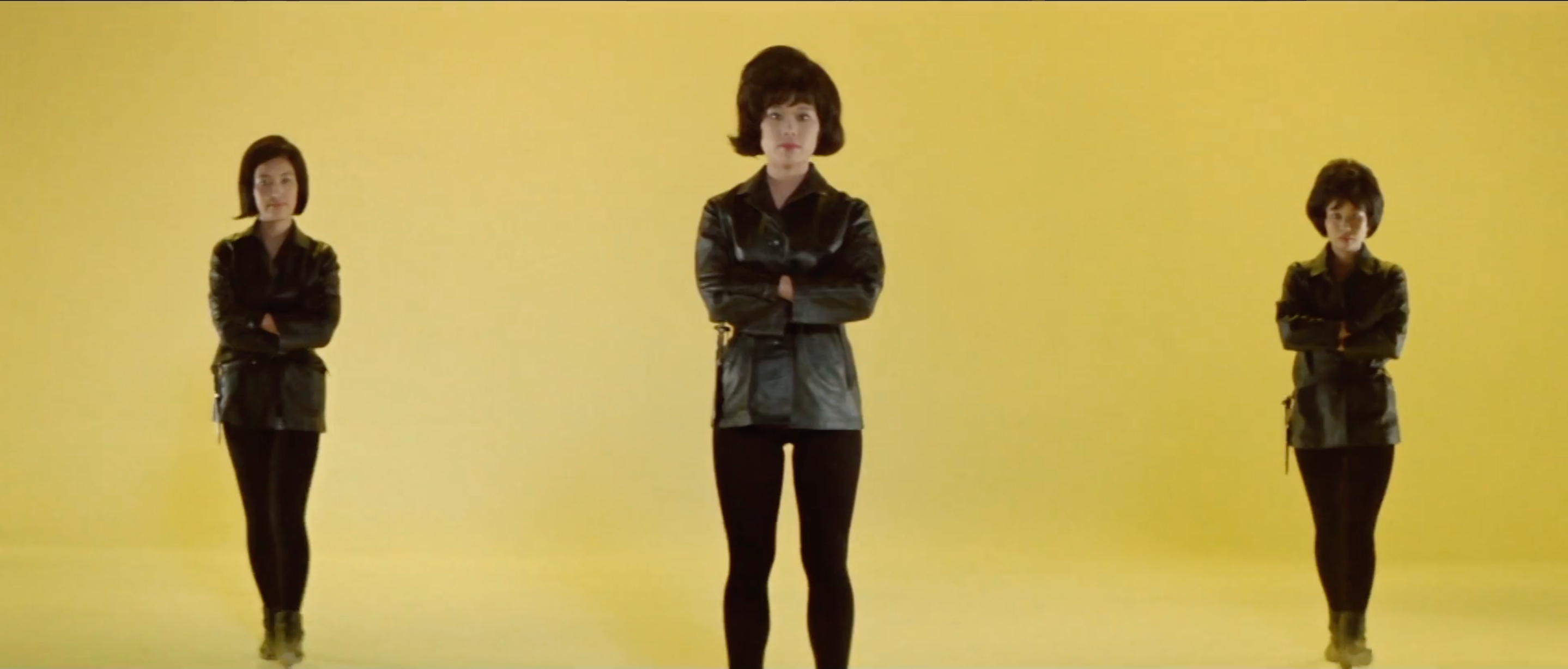
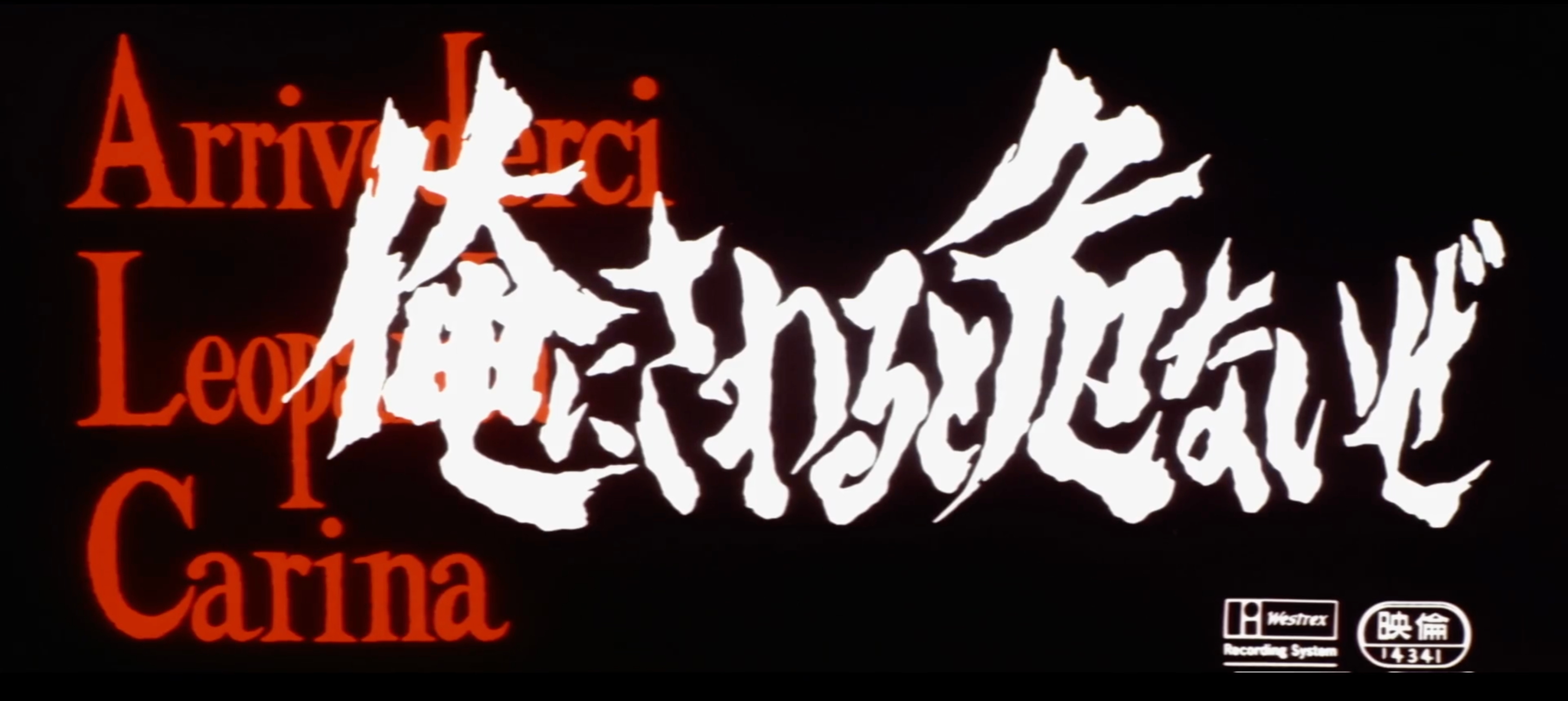
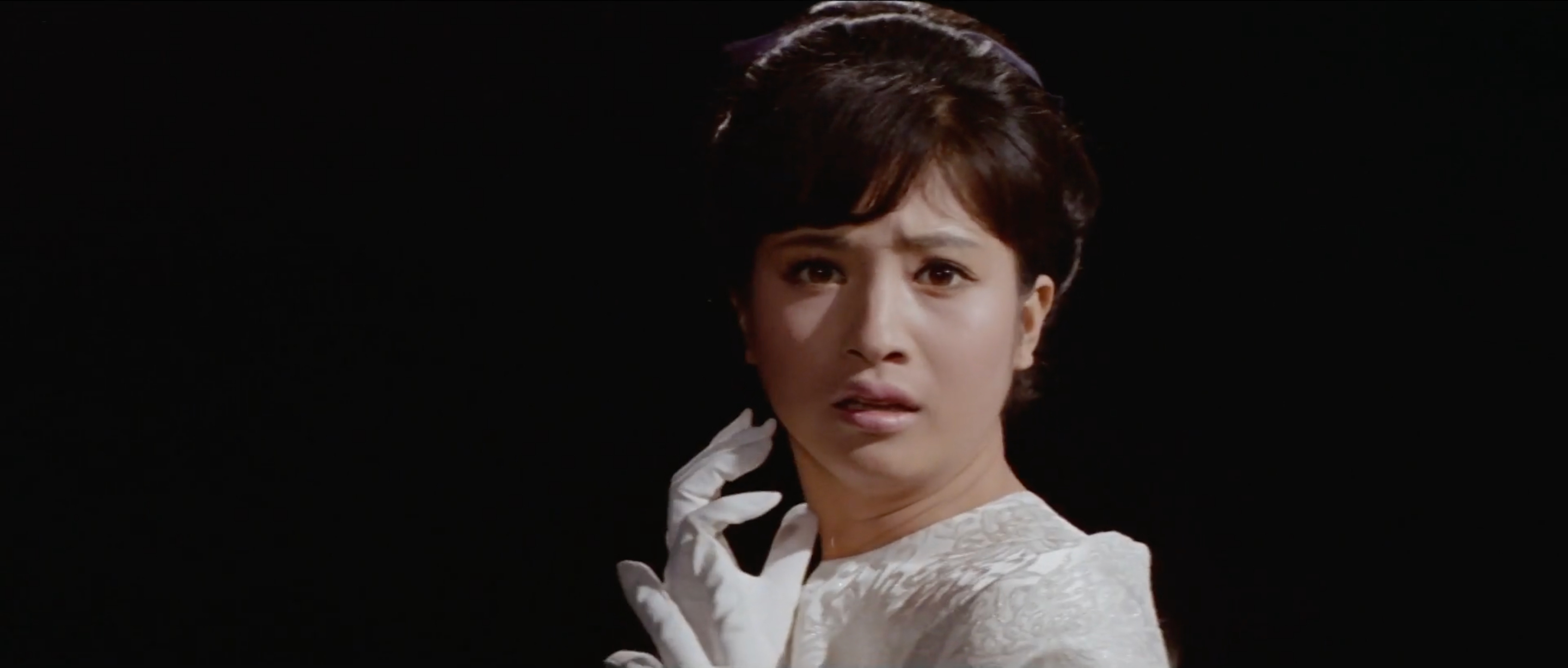
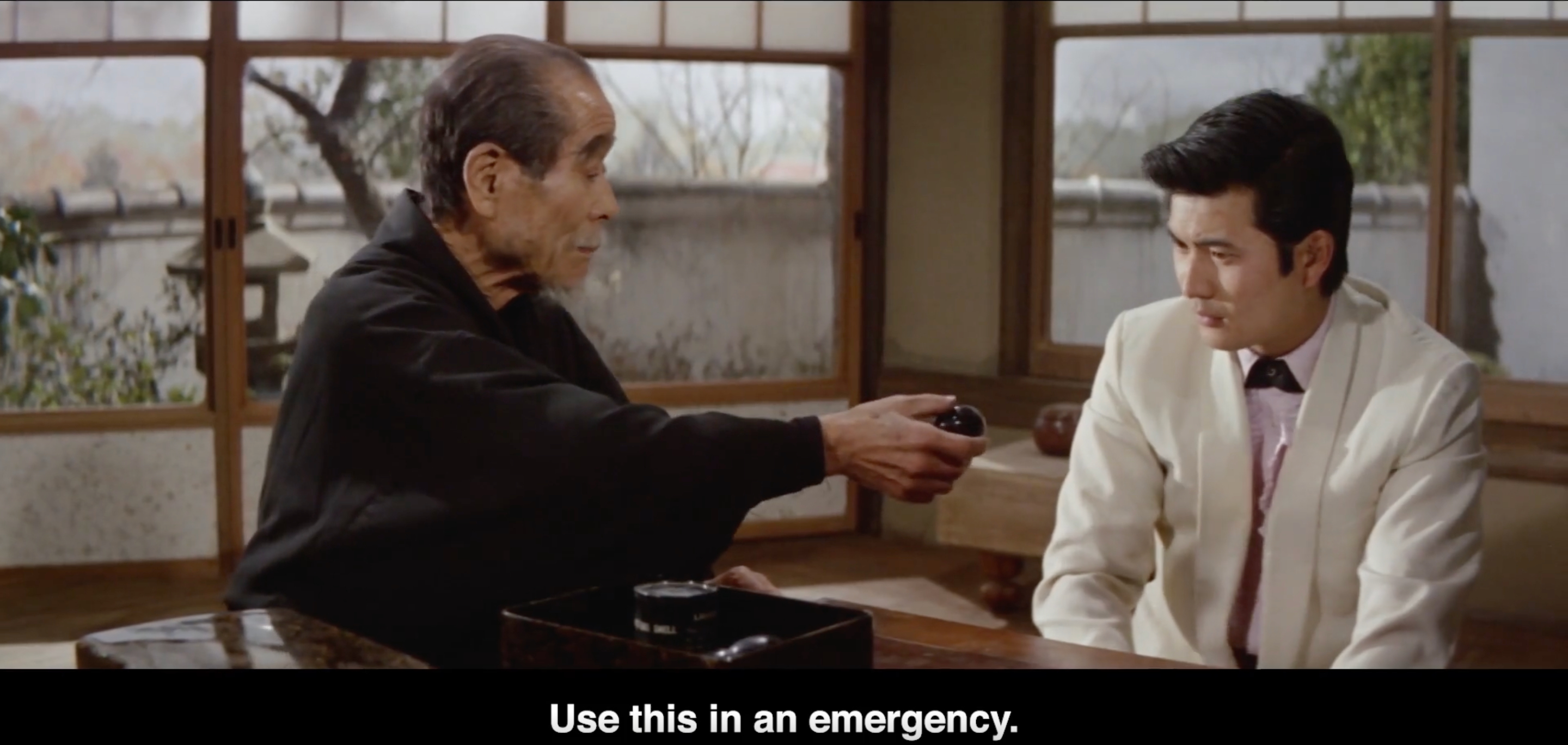
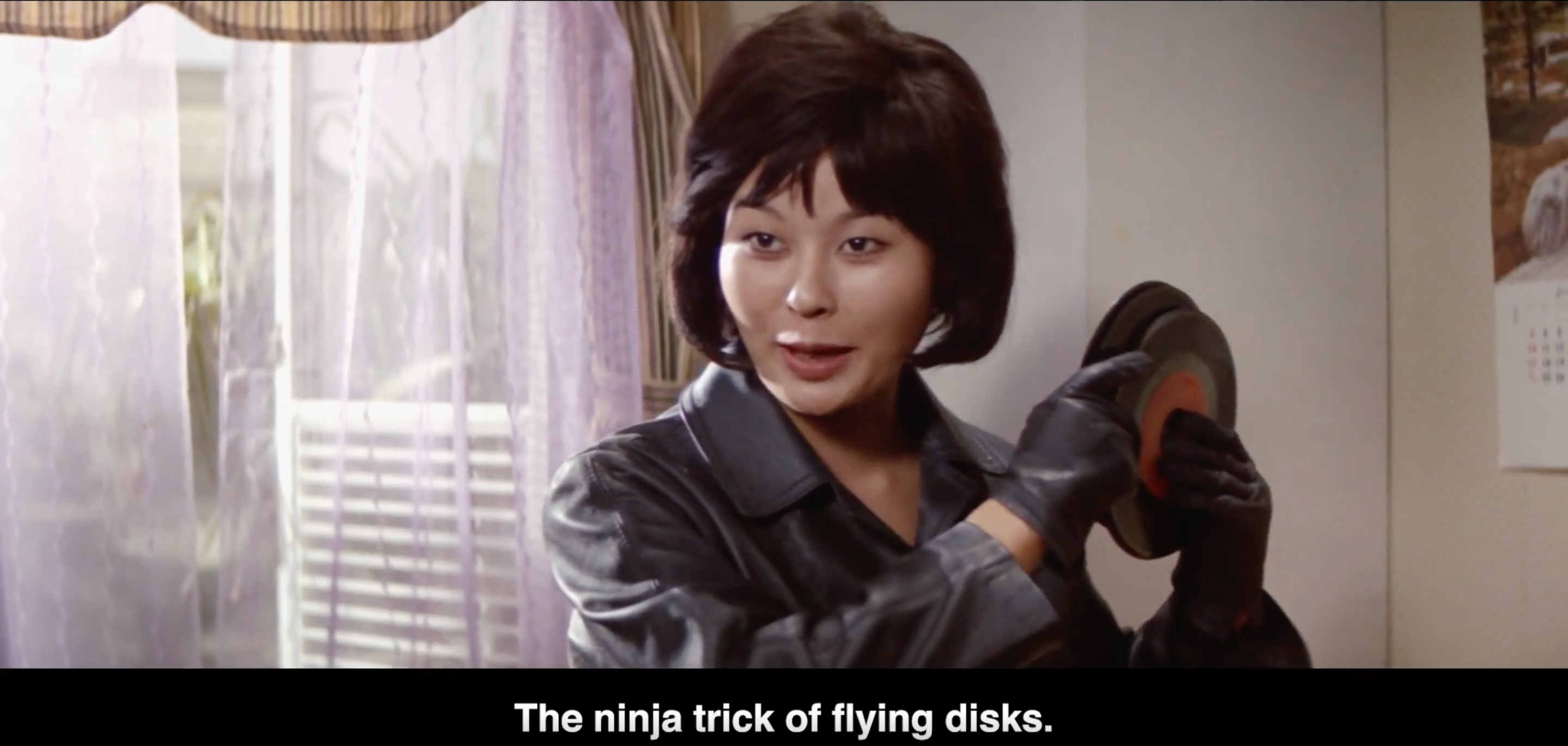

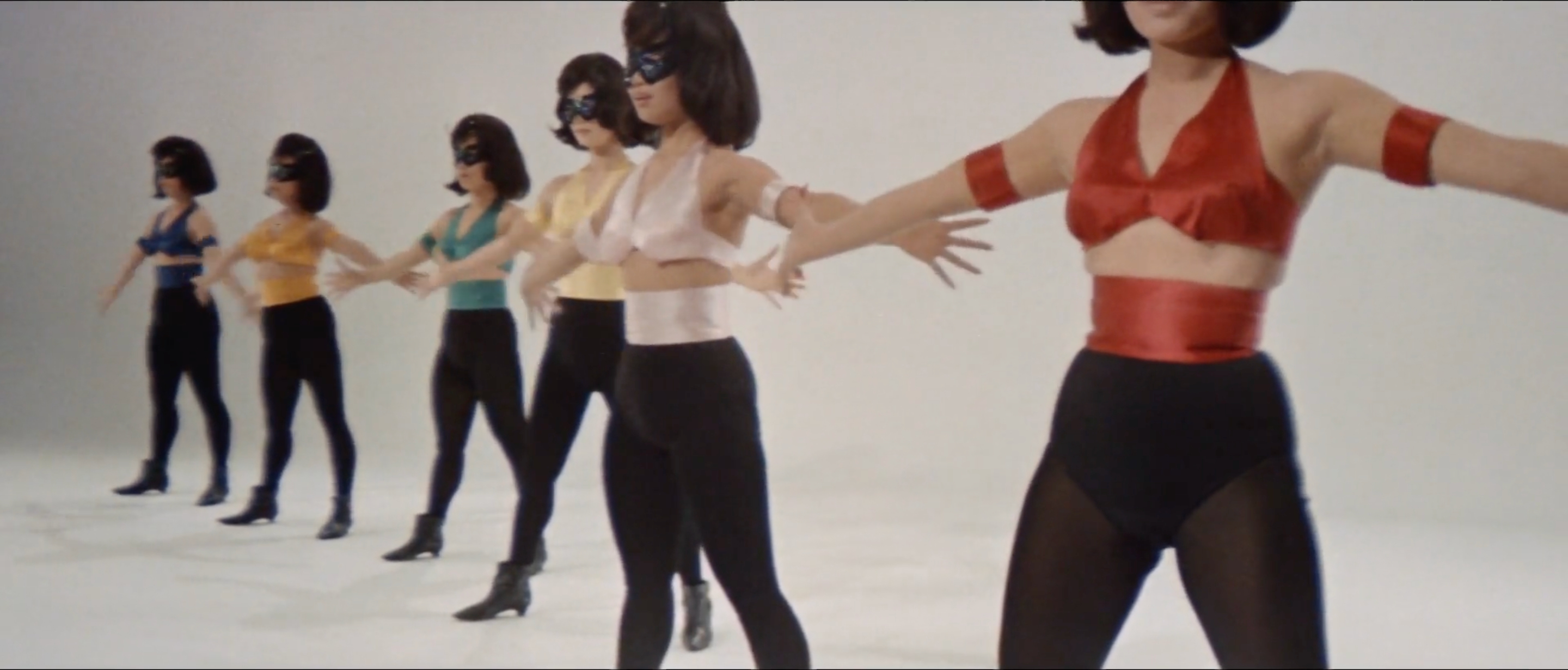
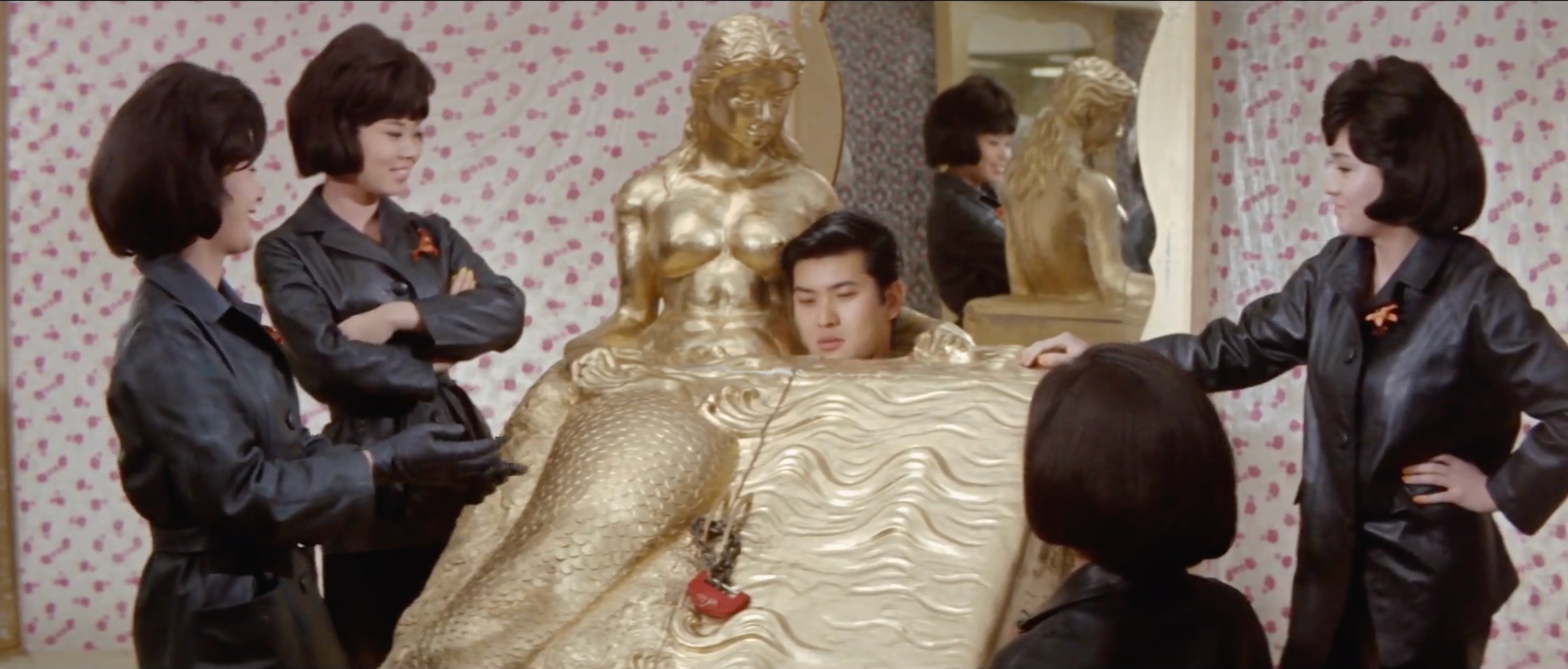
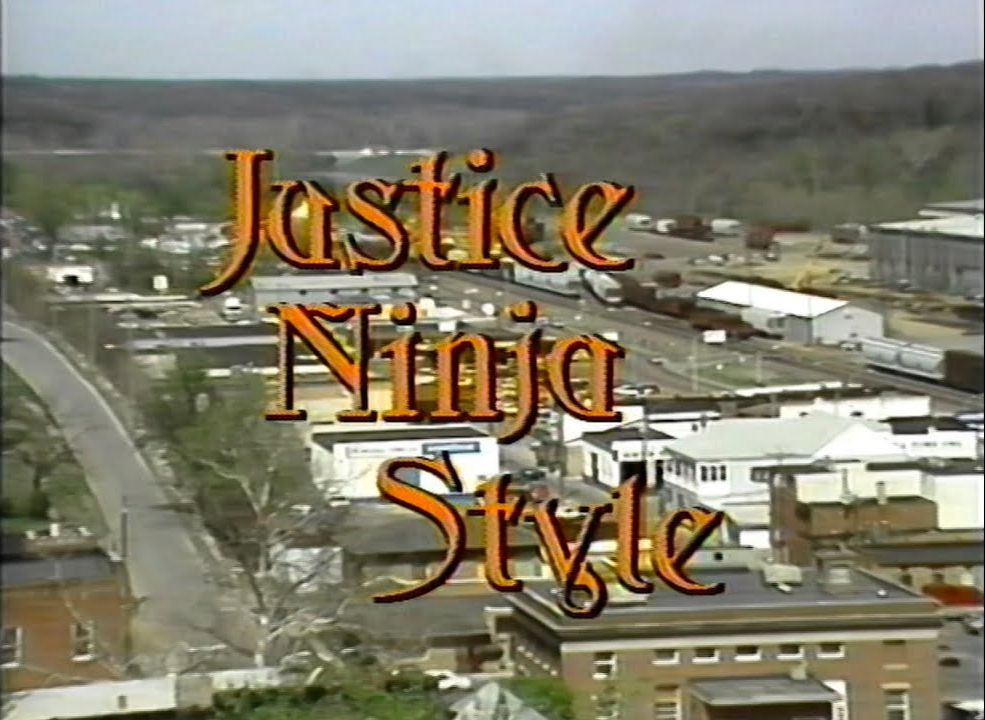

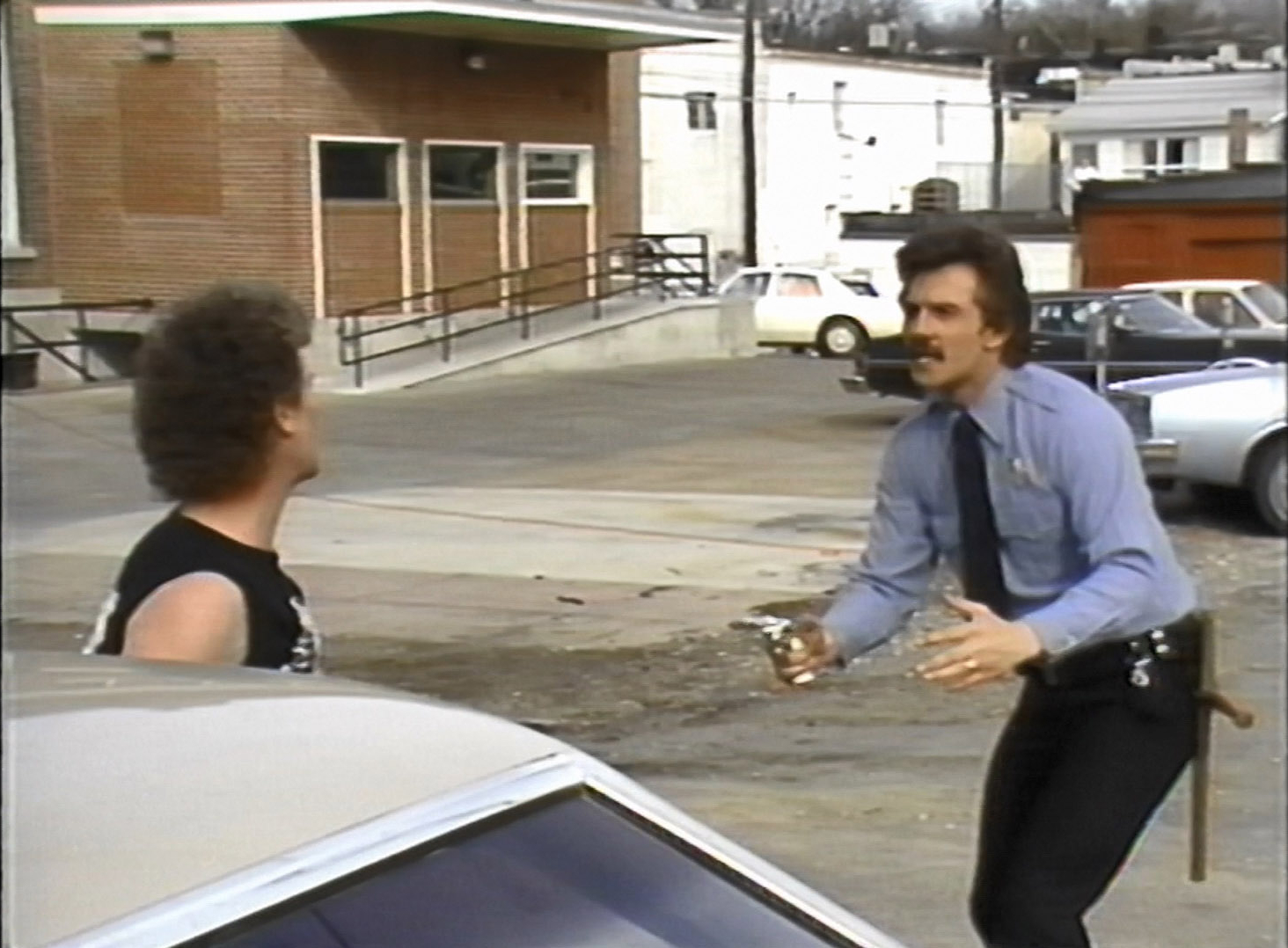
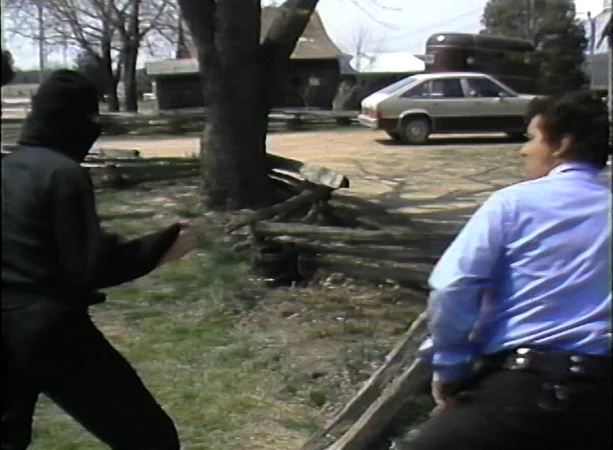
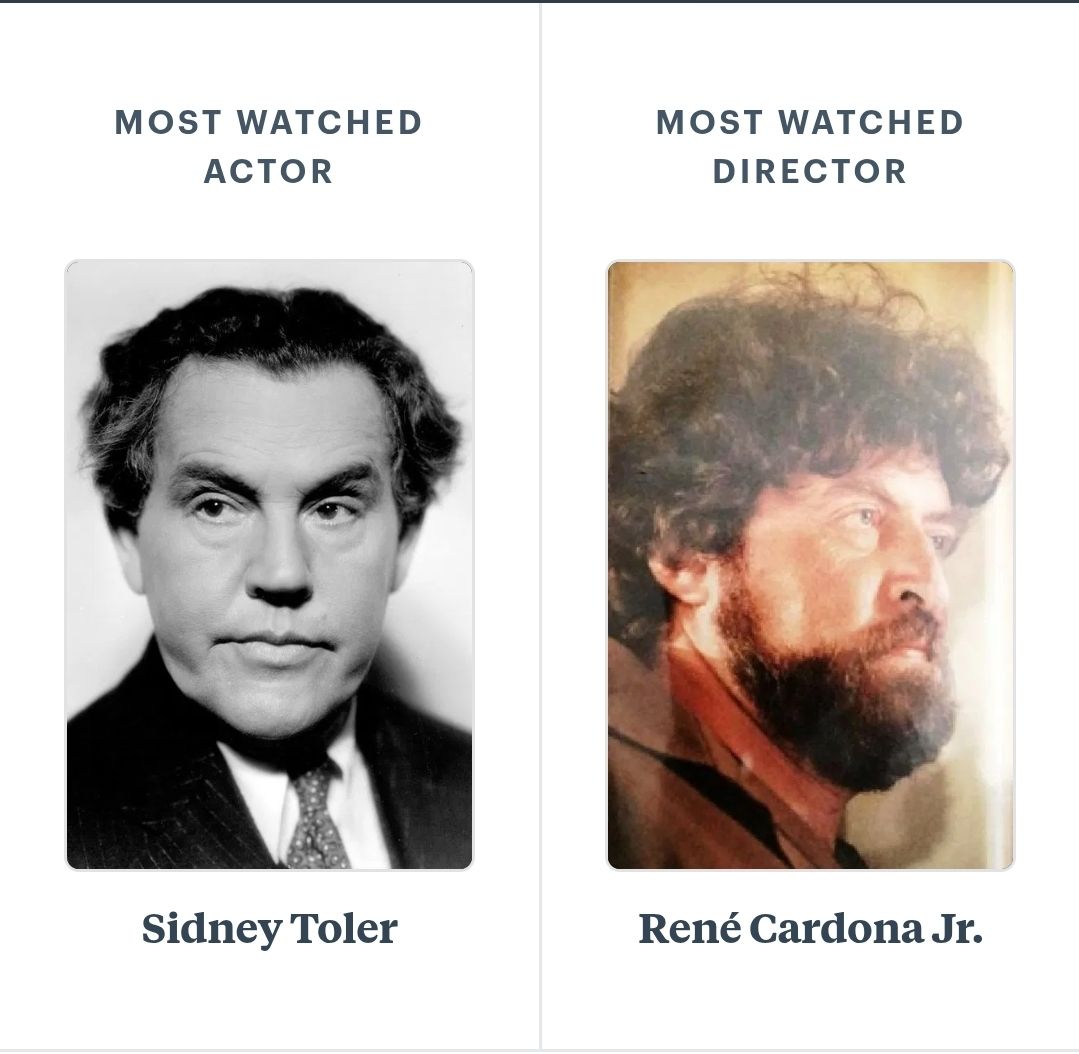

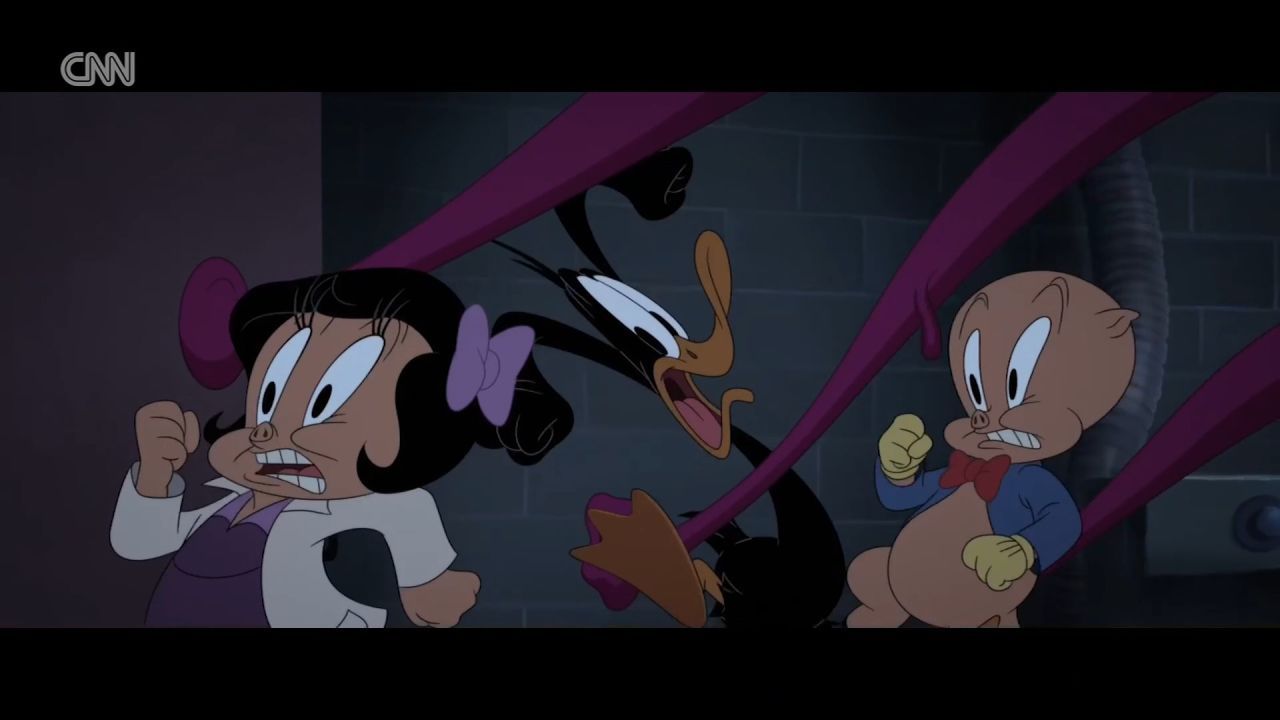

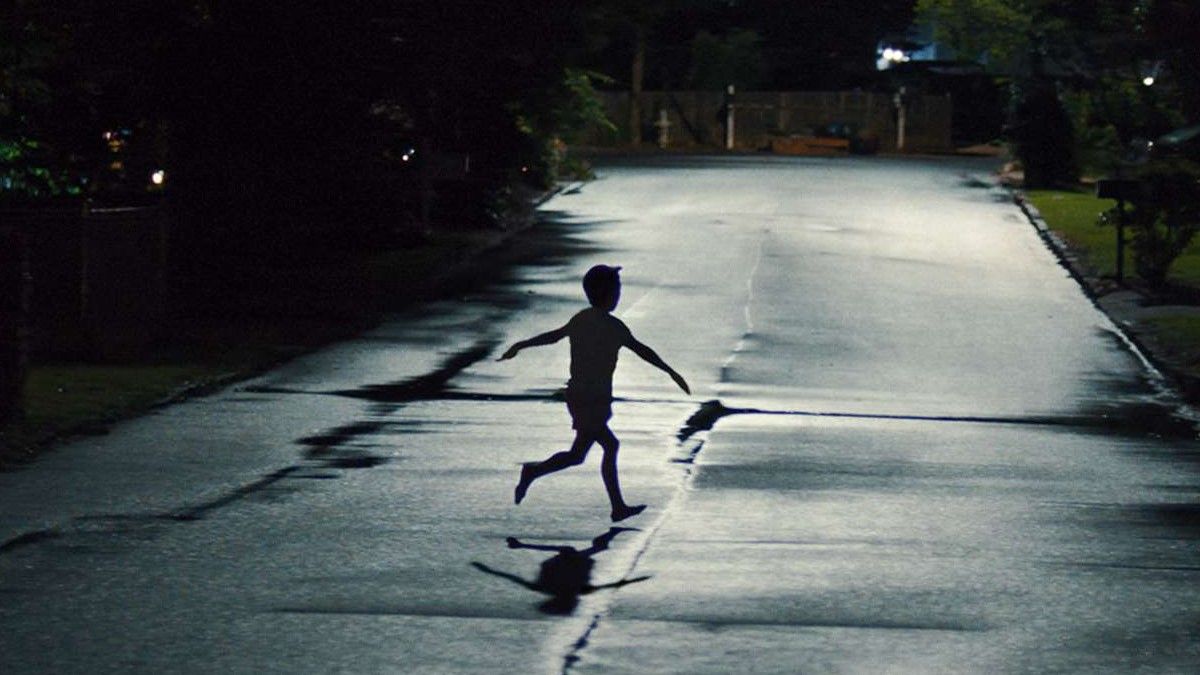


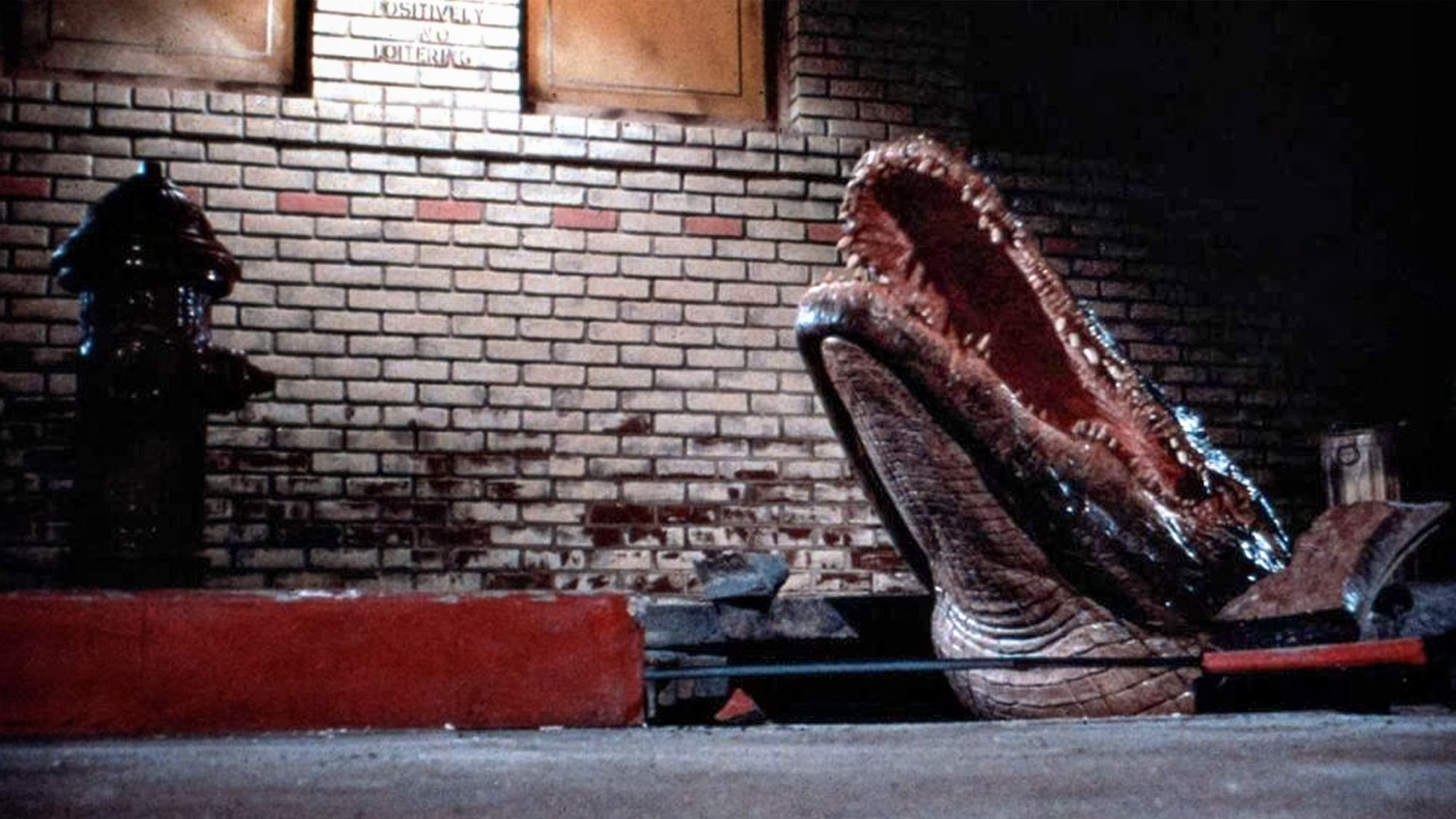


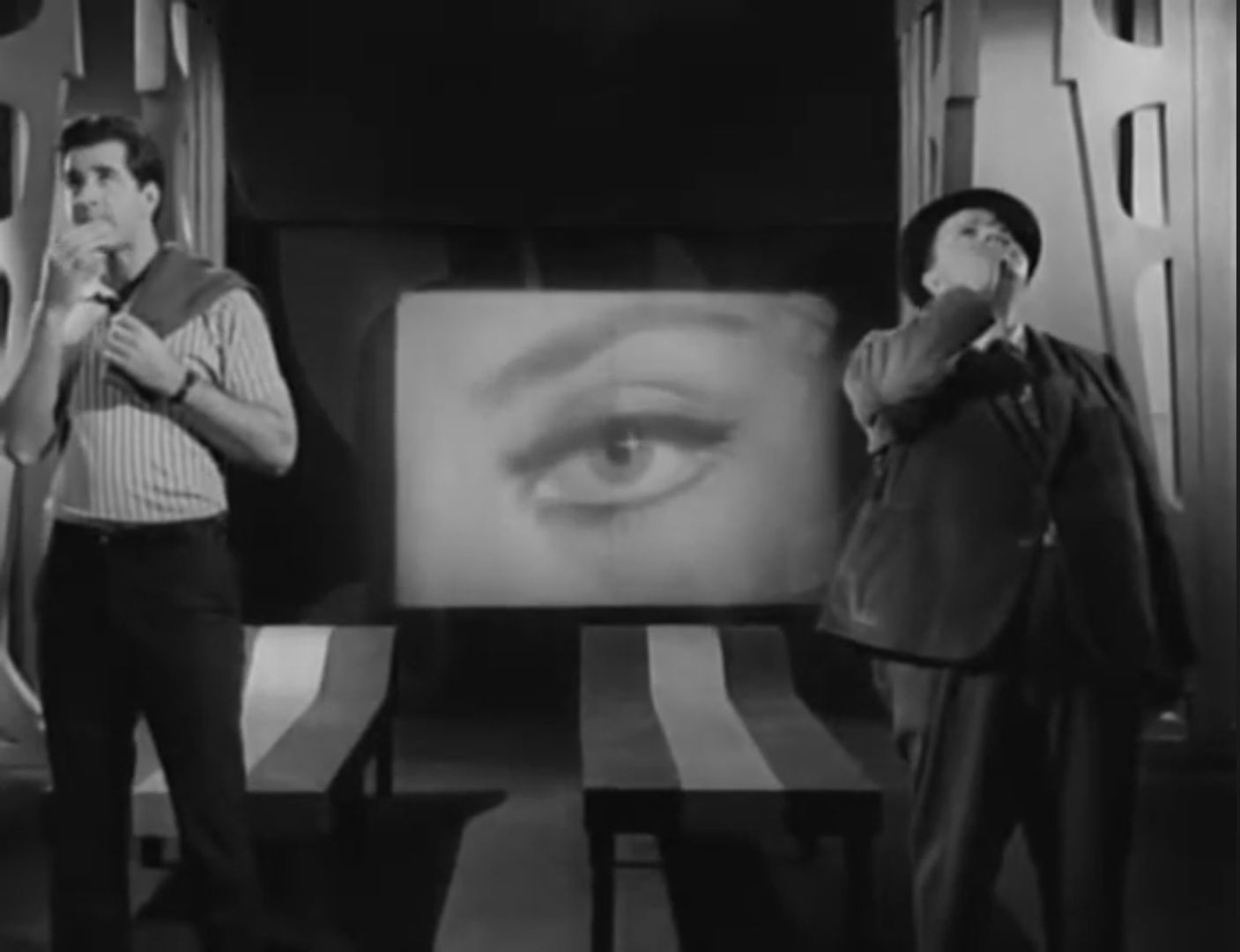
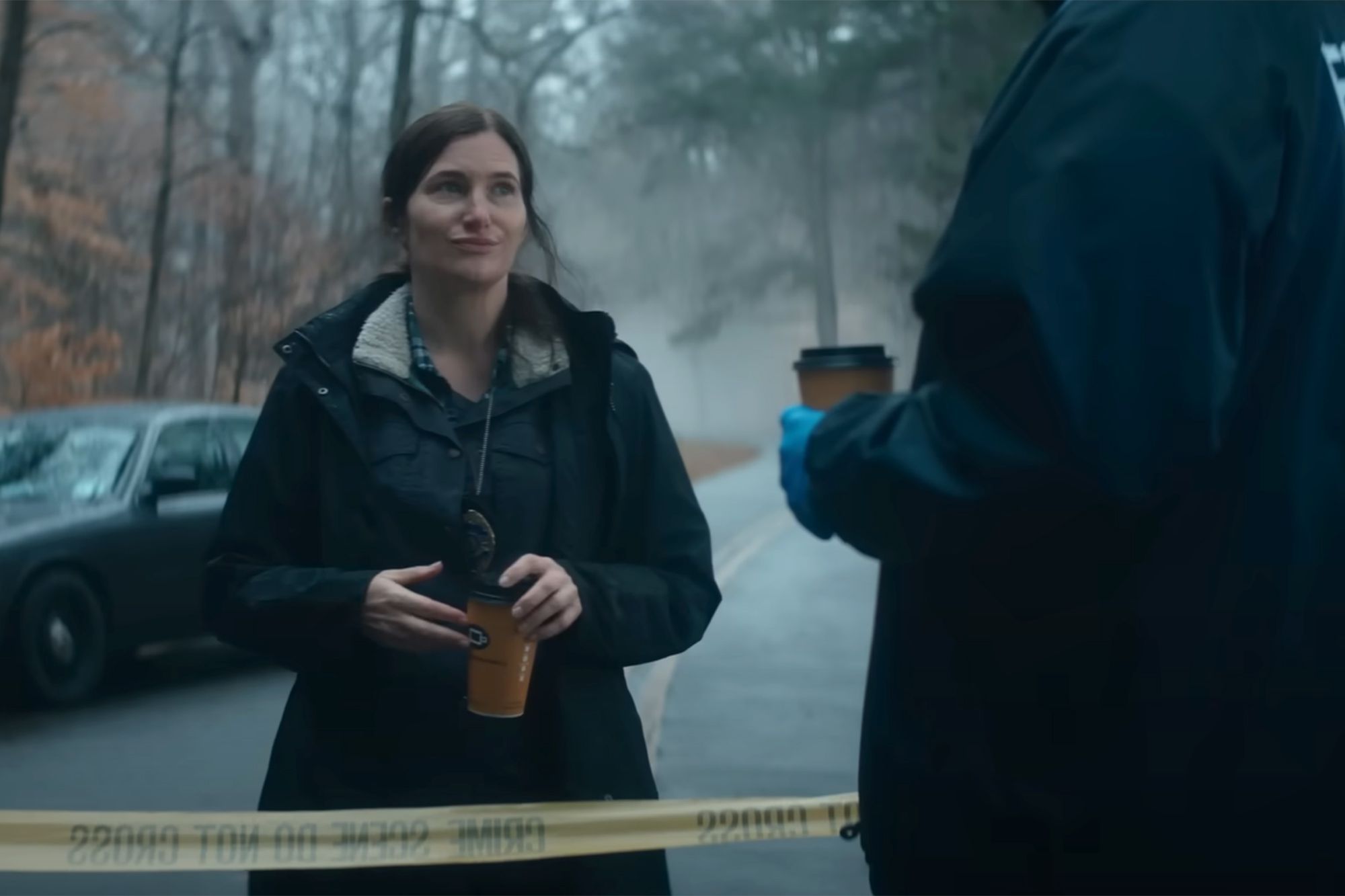
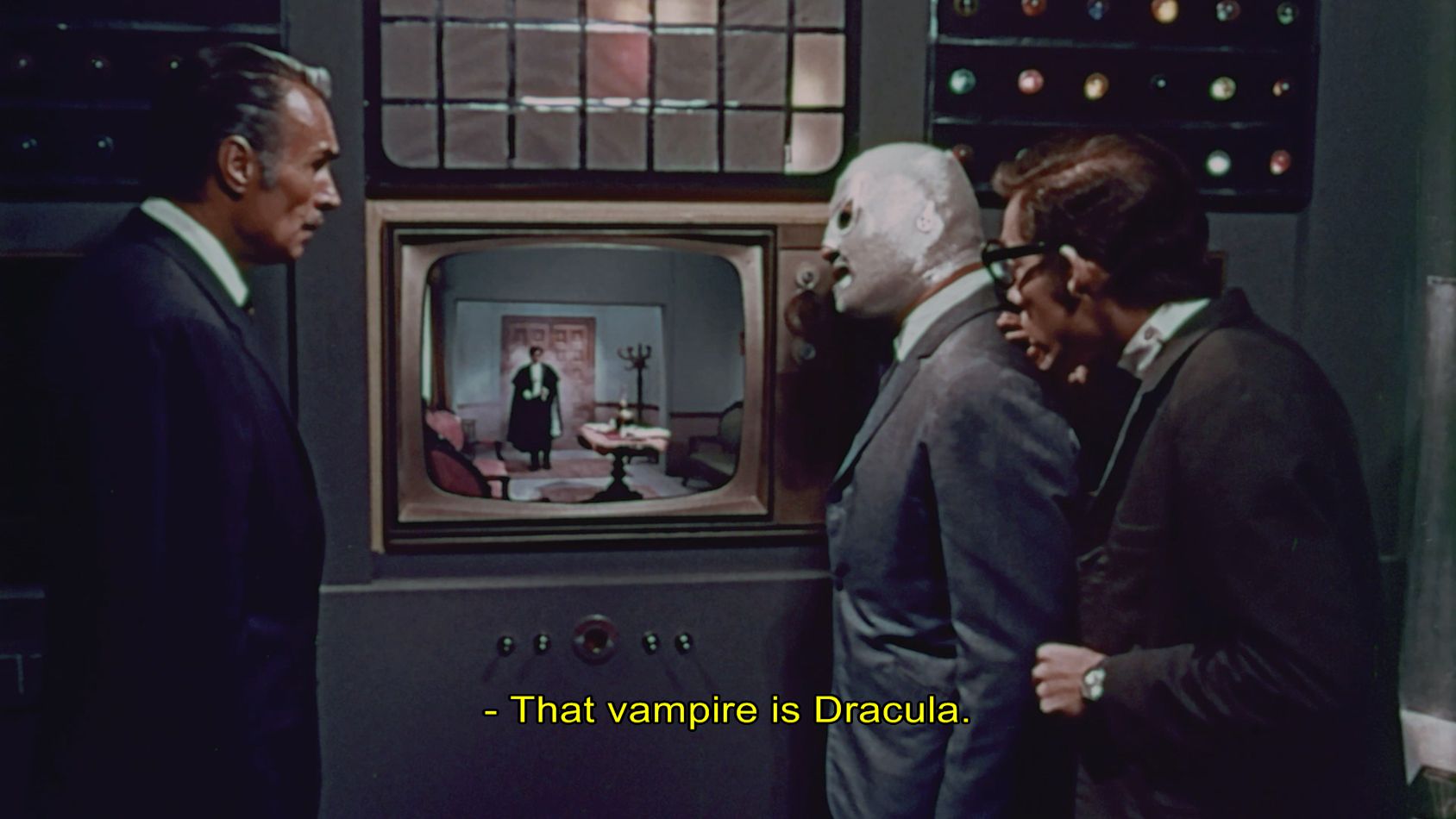

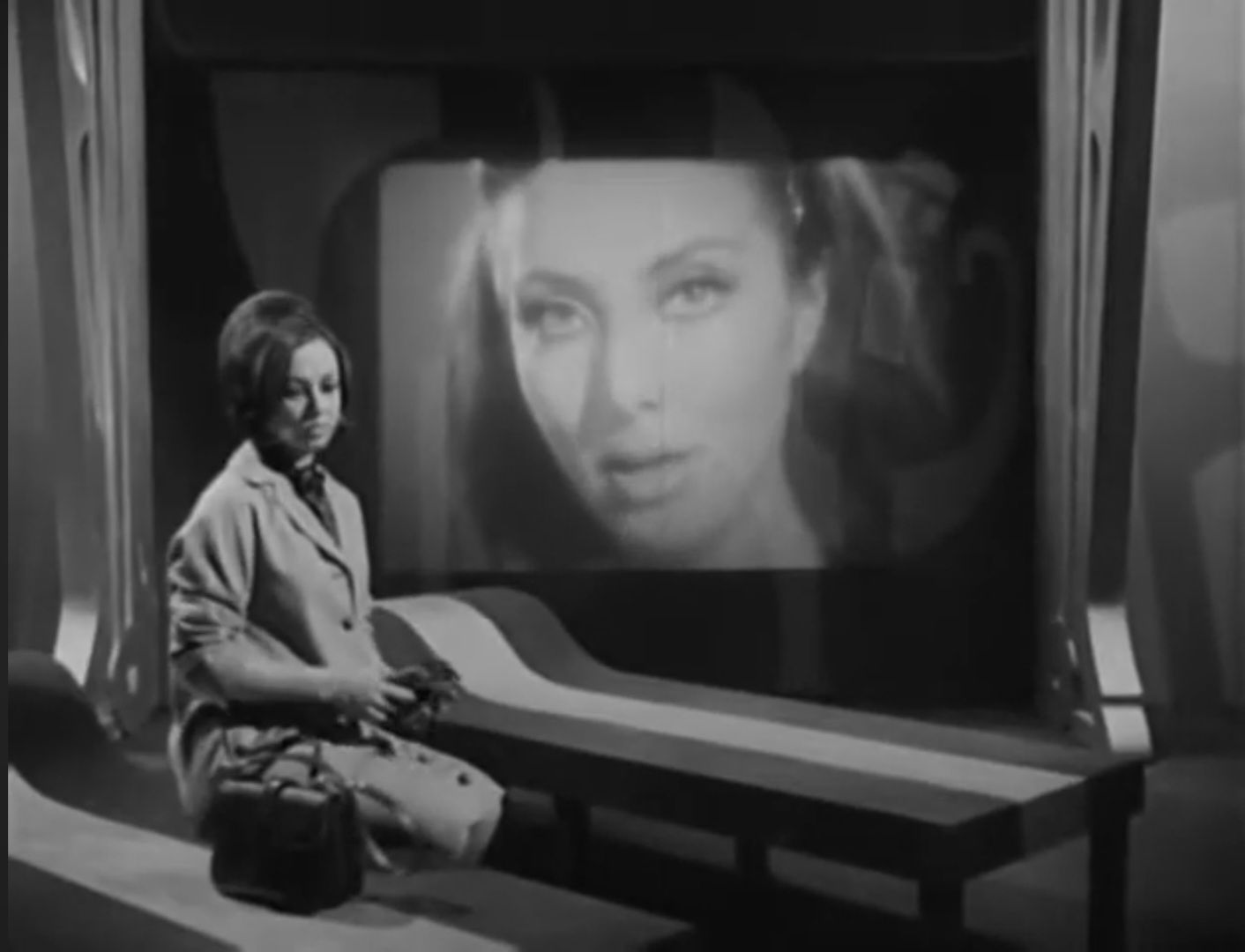


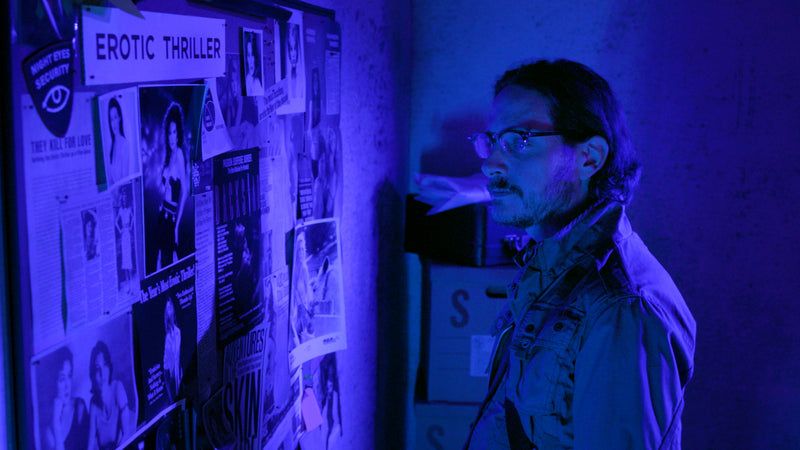

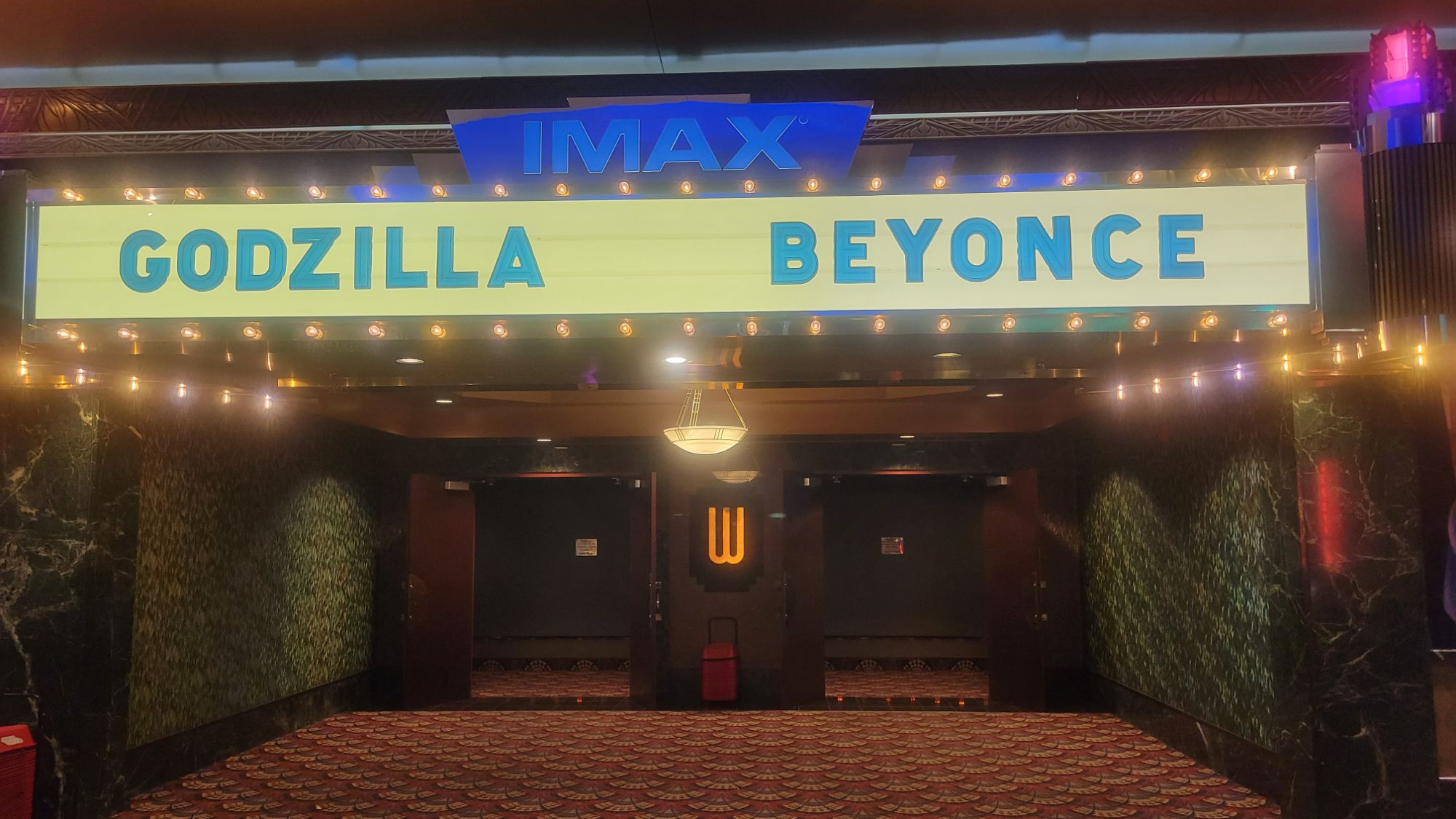
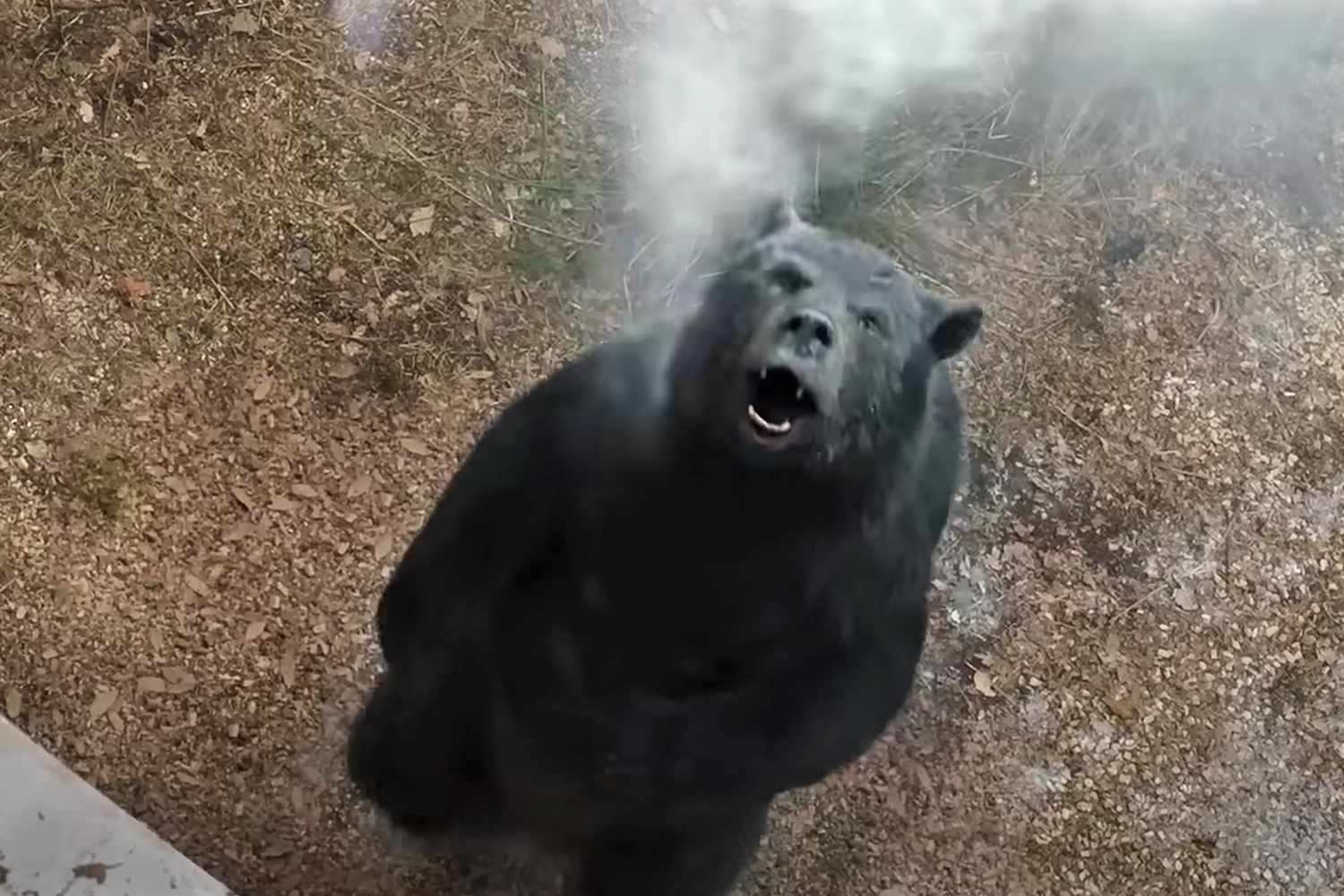
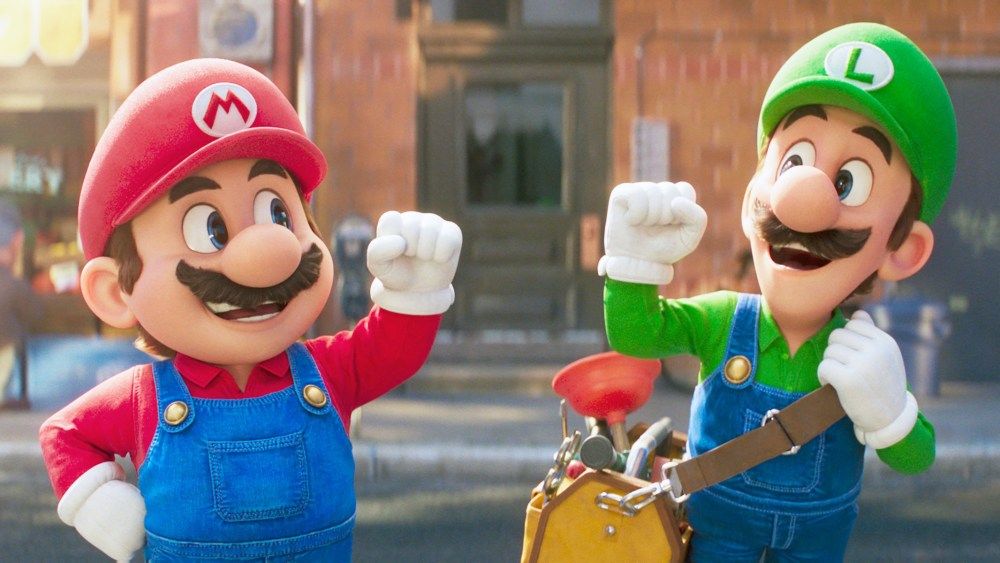





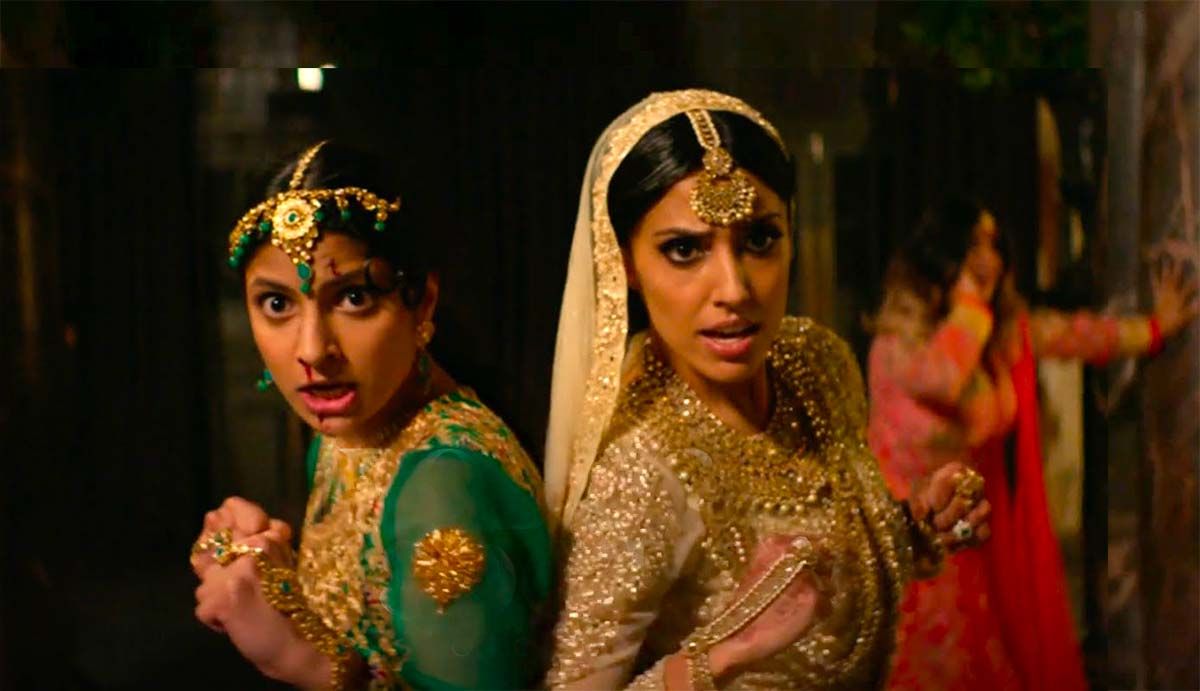
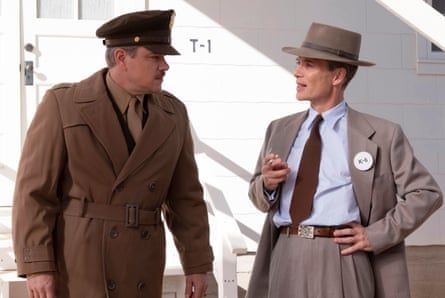

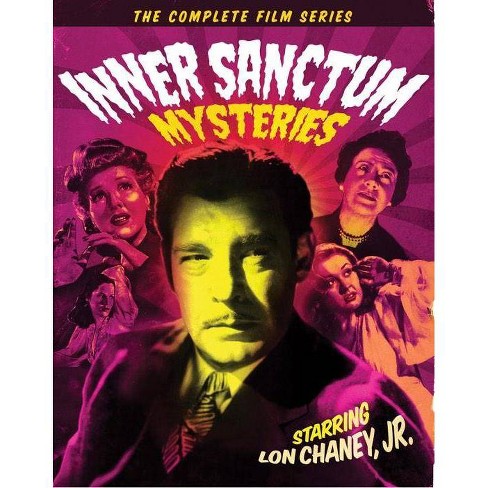
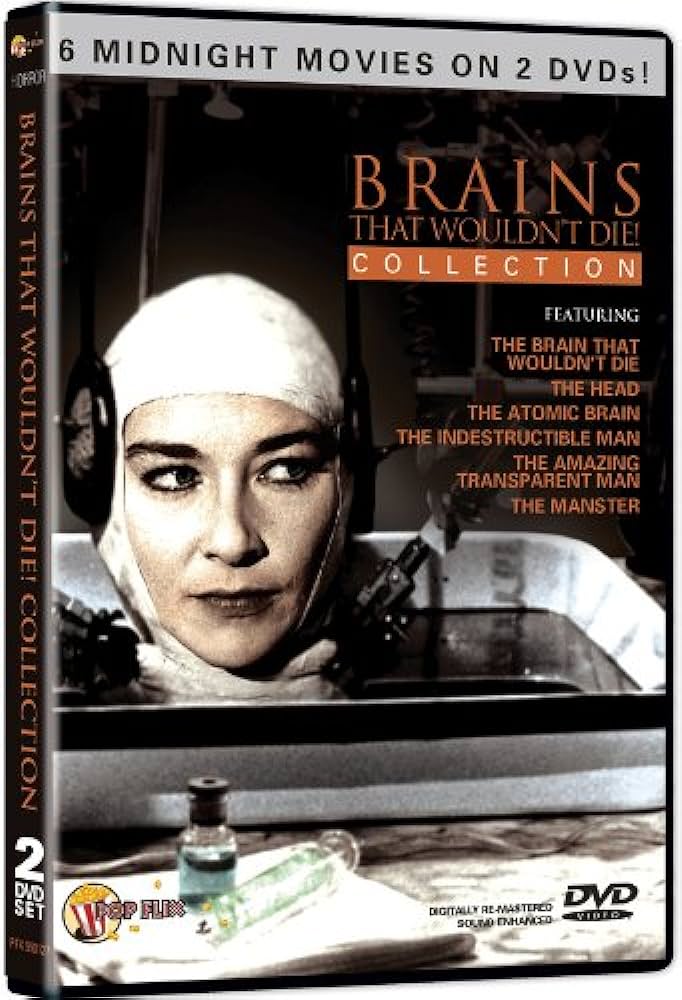
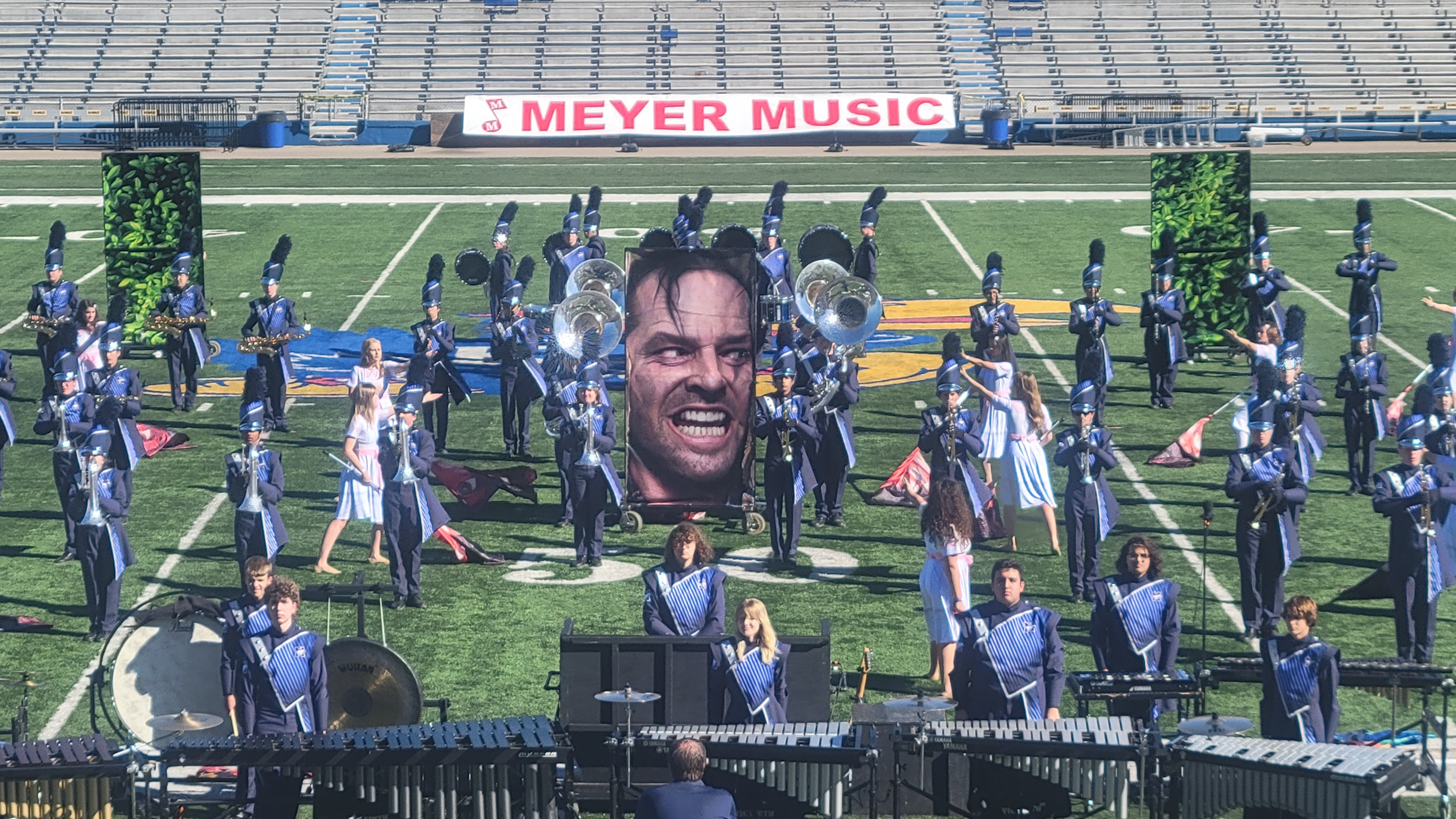




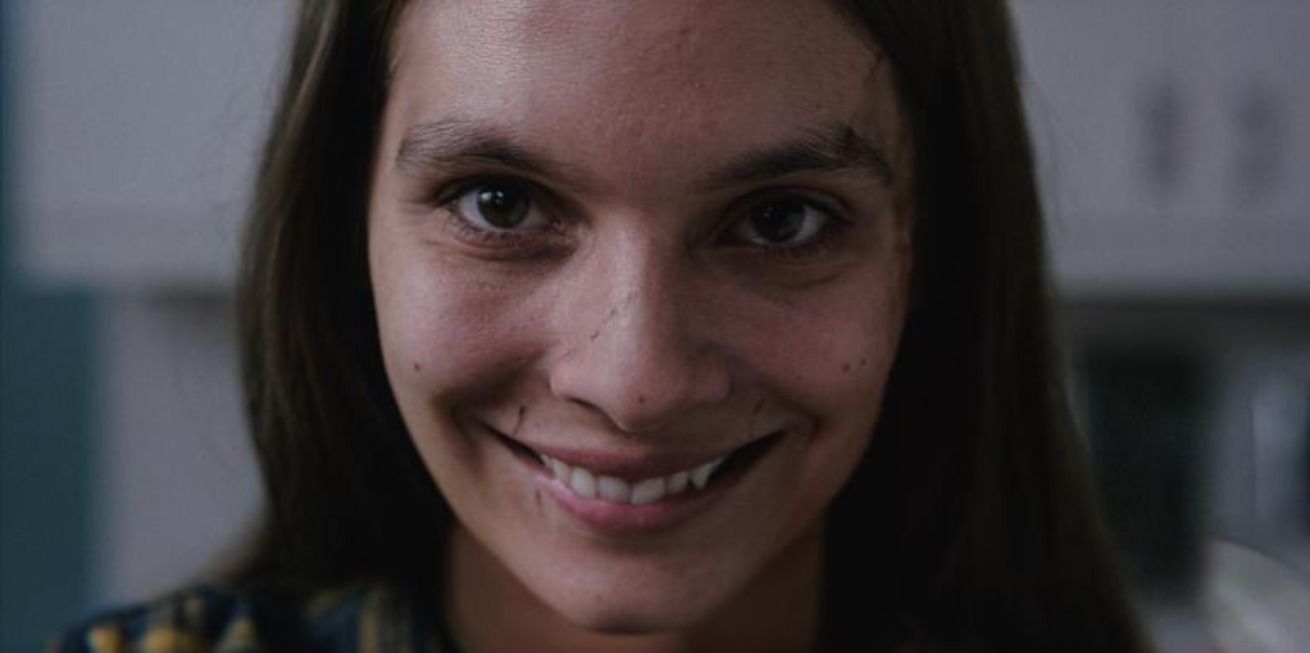


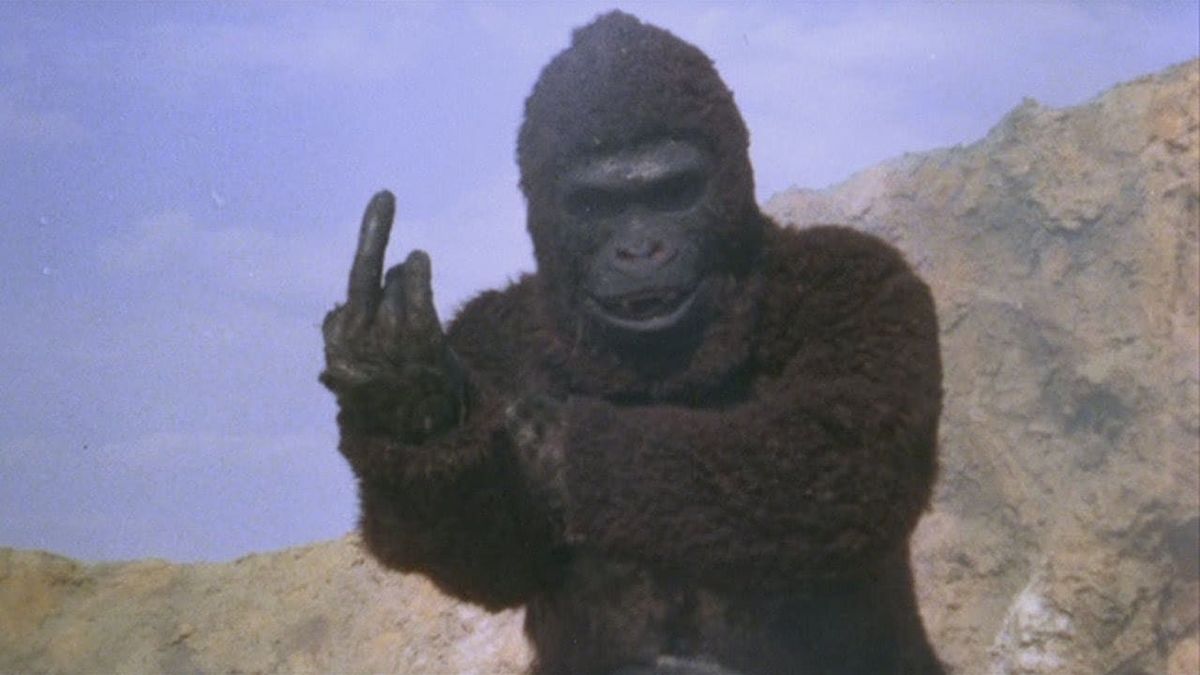


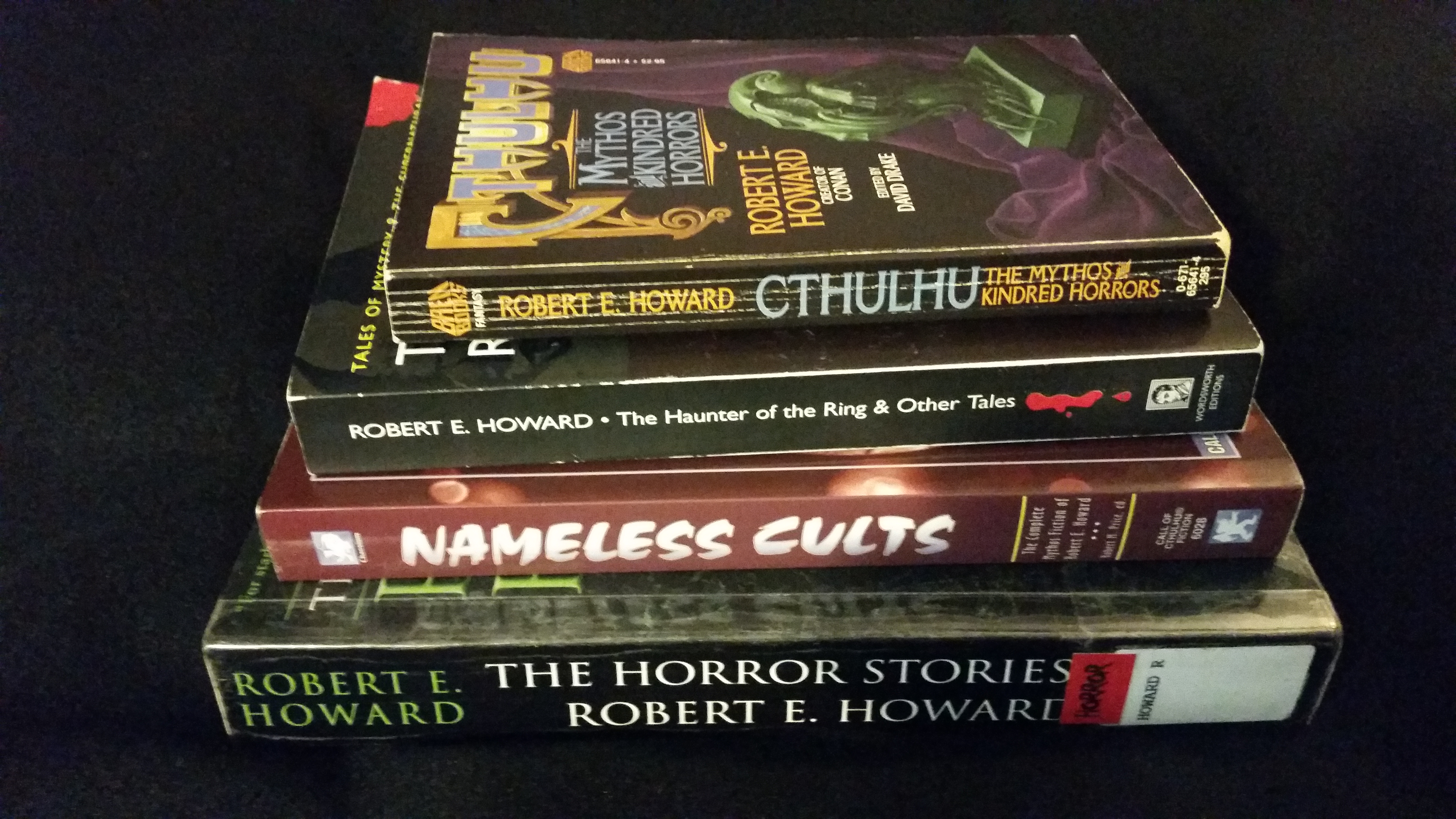


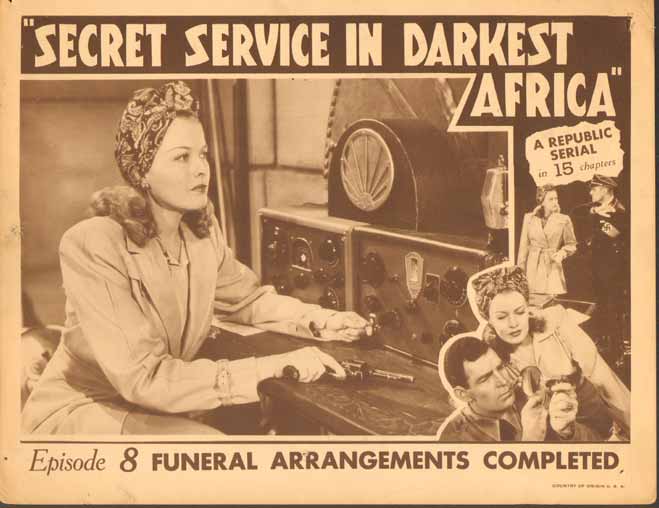


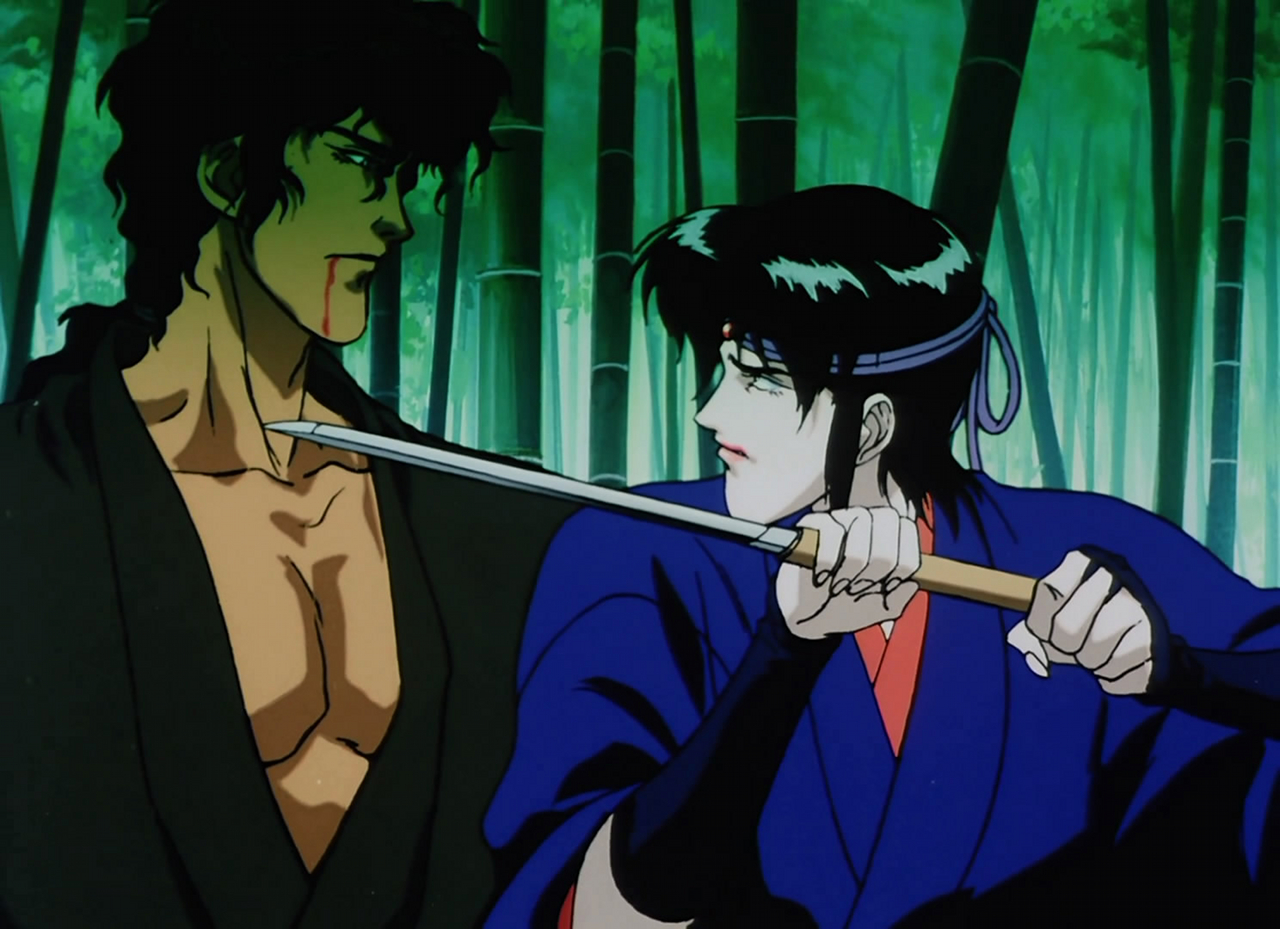

 Medleyana