Earlier this month, I had the opportunity to join Trevor Landreth and Brett Eitzen for an episode of their podcast Deconstructing the MCU. Trevor and Brett have been examining the films of the Marvel Cinematic Universe one by one, starting with 2008’s Iron Man, and I was excited to be invited to join the discussion of the culmination of the series up to that point, 2019’s Avengers: Endgame. We had fun debating what worked and what didn’t, breaking down the plot, revisiting our favorite character moments, and speculating on whether Endgame was too long, or not long enough? We wrapped it up by comparing Endgame‘s position relative to the other MCU installments and the films of 2019 ( here’s my year-end retrospective for comparison). The episode is now edited and available on Apple and Spotify. Thanks to Trevor and Brett for having me on!
It’s nearly halfway through January, so I guess I should put together my thoughts on the films I saw in 2023. Usually I limit myself to films I actually watched during the calendar year, but most years I put this list together much sooner, and it’s not like I’m going to be audited or anything. This year’s list is even more genre-heavy than usual, reflecting both my preferences and the movies I got around to seeing. As always, however, there are films I would have liked to consider that got away from me (I’m hoping to catch up with Poor Things soon). Ah, well. Even out of what I did see, putting together a list and ranking my choices poses a challenge. I know, I always say ratings and rankings are bullshit, and then I go ahead and try to do it anyway. My Letterboxd diary lists everything I watched for the first time last year, and if you care to investigate you may notice that my star ratings don’t always match this list. So take everything with a grain of salt.
Worst Movie: I usually put miscellaneous categories after the main list, but we’re here to celebrate the good films of last year, so let’s get this out of the way: Cocaine Bear (dir. Elizabeth Banks) promised a trashy, gleefully offensive good time, but it was only intermittently shocking, with the bear attacks (fueled by bags of coke dropped into its forest by bungling smugglers) stranded in a limp crime plot. The attempts to pull our heartstrings with a pair of cute/precocious kids lost in the woods just made it more insulting. There is enough big-name talent involved in this (RIP, Ray Liotta) that you’d think they would aim higher than an original you’d see on SyFy or Tubi.
Biggest Disappointment: I didn’t expect The Super Mario Bros. Movie (dir. Michael Jelenic and Aaron Horvath) to be a masterpiece, but I had higher hopes than this. Nintendo has been gun-shy about allowing adaptations of its IP since Jankel and Morton turned 1993’s Super Mario Bros. into a cyberpunk flop almost entirely divorced from the game, but this animated film veers too far in the opposite direction, with every potentially interesting choice sanded down in the name of brand management. The result is weirdly airless and a little mean, with Mario (voiced by Chris Pratt*) ushered through the beats of a hero’s journey that takes him from a put-upon plumber to savior of the Mushroom Kingdom. Poor Luigi (Charlie Day**) hardly has anything to do, just like younger siblings handed the Player 2 controller everywhere. It’s low-hanging fruit to compare a CGI animated movie to video game cut scenes, but sequences of Princess Peach (Anya Taylor-Joy***) coaching Mario through an obstacle course and our heroes building karts for the inevitable chase make the comparison hard to avoid. Wreck-It Ralph hit these marks with a lot more grace and heart.
* ?
** Okay, this kind of works.
*** Yes, all the major characters are voiced by celebrities. At least Jack Black is having fun.
On to the ranked list:
10. One thousand years ago, the warrior Gloreth defeated a great beast, and ever since, the realm has maintained walls and an order of knights armed with high-tech weapons in case it returns. There’s a lot to like about Nimona (dir. Troy Quane and Nick Bruno): a setting that combines the contemporary and medieval in a way we don’t see on film very often, a queer perspective still rare in animation, and a strong sense of design. Add to that a compelling central character, a knight (Riz Ahmed) disgraced by a crime he wasn’t responsible for, and it starts strong. What I didn’t like very much was the title character, a bratty pink-haired girl (voiced by Chloë Grace Moretz) who attaches herself to the knight in hopes of joining his (imagined) villainy. I lived through the ‘90s, I don’t need any more edgy mascot characters with attitude. Fortunately, there is more to Nimona than the punk exterior—much more. She is a shapeshifter, a dangerous ally to have in a realm built on a foundation of paranoid fear of monsters. There is another side to the story of Gloreth and the beast, and it’s in the second half of the film, as the truth comes to light, that Nimona soars.
9. Like a lot of moviegoers, I did see both halves of the “Barbenheimer” event that gripped cinemas last summer, although I didn’t see them on the same day. Barbie (dir. Greta Gerwig) is superficially similar to The Lego Movie: it establishes the world of a beloved toy brand on its own visual and metaphysical terms, then burrows into its underlying psychology. It even features Will Ferrell as a corporate CEO, but Ferrell’s presence is a bit of misdirection, as the struggle Barbie (Margot Robbie) faces isn’t about asserting herself in the face of an overbearing father/boss figure, at least not directly. In Barbie’s world, serious political thought and nightly dance parties coexist easily, since in her multitude she is both President and DJ in addition to all the other careers she’s had over the years (multiple actresses play these different versions, all of them “Barbie,” but Robbie is the Barbie, as it were). Ken (Ryan Gosling) hangs on her every word and gesture, just hoping for a little bit of attention. Without Barbie around, it’s like he hardly exists. The plot gets rolling when Barbie starts to have disturbing, uncharacteristic thoughts—What is death? Why am I unhappy sometimes?—that shake the foundations of her perfect existence, setting her and Ken on a journey to the real world, where girl power isn’t taken for granted. Barbie comments on patriarchy, womanhood, and role models, and it sometimes threatens to buckle under the weight of so much meaning, but Robbie’s and Gosling’s performances are alternately hilarious and touching, and Robbie understands the assignment of playing a doll—essentially a cartoon character—who gradually learns what it means to be human. Think of it as Pleasantville in reverse.
8. Many science fiction films ask, “What if your entire life was a lie?” In They Cloned Tyrone (dir. Juel Taylor), small-time hood Fontaine (John Boyega) is ambushed and killed by a rival drug dealer, only to wake up in his own bed the next morning. Far from being a nightmare, his murder happened in front of other people who are surprised to see him up and about. Their investigation leads to a far-reaching conspiracy involving clones (duh), mind-controlling chemicals, and underground bunkers. On the one hand, this seems to remix beats and themes from Jordan Peele’s films (especially Get Out and Us), but without all the subtlety and ambiguity that make Peele’s movies so unsettling. On the other hand, Peele doesn’t have a trademark on black horror, and subtlety isn’t everything. Tyrone clearly has deep roots in the kind of conspiracy theorizing featured in blaxploitation movies like Three the Hard Way and parodied in Undercover Brother, and it leavens the action and weirdness with humor. Jamie Foxx as a vain, over-the-hill pimp and Teyonah Parris as one of his girls who wants more from life get most of the funny lines (as well as being active characters who keep the plot moving forward), but Boyega as a man of few words undergoing an existential crisis is the emotional center.
7. Guardians of the Galaxy Vol. 3 (dir. James Gunn) brings the spacefaring subseries of the Marvel Cinematic Universe to a close, at least for now. While unable to totally escape the orbit of the larger MCU plot (particularly the replacement of Peter Quill’s lover Gamora with an angrier version of her from a different timeline who wants nothing to do with him), this installment provides as much information as is necessary for the trilogy to stand on its own. It mostly focuses on Rocket (Bradley Cooper) and finally explores his tragic history as a lab animal “uplifted” by the would-be godlike High Evolutionary before his escape. There’s a lot going on in this film as it ties up as many loose ends as it can, but it demonstrates again Gunn’s love for the weird byways in comics lore and shows why this oddball franchise has been such a good fit for him.
6. The Dungeons & Dragons game has never been one story, but rather a premise. Places, characters, and other conventions have been part of the official materials to the point that there is a recognizable D&D world distinct from other fantasy settings, but unless you’ve played it, you might only have a vague idea of tenth-level wizards and dark elves. Dungeons & Dragons: Honor Among Thieves (dir. John Francis Daley and Jonathan Goldstein) brings the game to life better than any previous adaptation, deploying character types, monsters, and magic that will be familiar to fans but in a story that won’t leave non-players feeling left out. Chris Pine plays a disillusioned bard whose turn to thievery to provide a better life for his family resulted in tragedy. After finally escaping from prison with a taciturn barbarian warrior (Michelle Rodriguez), he regroups with his old comrades only to find one of them was behind the betrayal that landed him there in the first place. This is a fun, high-spirited adventure with real emotional stakes and (of course) a bigger threat to the world than is immediately apparent, giving the ragtag found family of thieves and outcasts a chance to become heroes.
5. Many of Hayao Miyazaki’s films involve work: even in the magical bathhouse of Spirited Away, those towels aren’t going to fold themselves. In The Boy and the Heron, the grief-stricken boy Mahito spends part of his sojourn in the other world catching and cleaning fish alongside a butch sailor (who, like many of the people he encounters, corresponds to someone from his regular life, but transformed). It’s not hard to read these interludes as metaphors for redemption, with the main characters finding space to work out their issues, but since I started working at a coffee shop this winter, I was struck by the literal truth of it as well. When you start a new job, you go to a strange place full of unfamiliar people and spend hours performing tasks whose meaning may only gradually become clear. Time passes slowly or quickly but with little relation to the outside world. And eventually you feel at home there and become part of the scenery for someone else. Given that Miyazaki doesn’t seem likely to ever retire, despite announcing that this would be his last movie, I think this is a feeling he knows well.
4. Where 2018’s Into the Spider-Verse introduced Miles Morales (Shameik Moore) and several spider-themed heroes from parallel dimensions, the follow-up Spider-Man: Across the Spider-Verse (dir. Joaquim Dos Santos, Justin K. Thompson, and Kemp Powers) raises the stakes by introducing an organization of hundreds of such characters, and the real reason Miles hasn’t been invited to join them before. The eclectic, constantly-shifting animation style that made the first film so refreshing is, if anything, even more pronounced in this: as Miles and best friend Gwen Stacy (Hailee Steinfeld) spend time traveling between several different worlds, each one is rendered in a distinct visual style. The best part about this is that the trippy cosmic material is balanced by the emotional realities of the characters, their situations, and their motivations. It’s also, indirectly, an argument against the kind of schematic plot beats that make so many superhero movies tiresome, building to a daring cliffhanger ending.
3. In Suzume (dir. Makoto Shinkai), a schoolgirl follows a handsome wanderer to an abandoned town. When her curiosity leads her to open a door that releases a storm-like “dragon” and a mischievous cat spirit, she becomes entangled in his mission to keep the doors to the spirit realm closed. He also gets turned into a chair, which makes her help all the more crucial. Suzume is, obviously, a rather odd movie, but the magical realist plot turns are balanced by down-to-earth moments in which Suzume navigates her way across Japan by rail and ferry, finding friends and other helpful people along the way. The dragon stands in for the natural disasters that have struck Japan in recent years, but concentrating on one girl’s experiences, good and bad, keeps it from being too general.
2. God bless Wes Anderson. In the face of criticism that his work is too stagey and artificial, he doubles down and just keeps pursuing his own distinctive muse. Asteroid City is a frame within a frame: what at first appears to be a black and white television documentary gives way to staged scenes from the life of a playwright, with the central story—the dramatization of his play—designed and lit with the bright colors of a vintage postcard or schoolbook from the 1950s. The fragmentation of the story across these different layers—superficially about a diverse group stranded in a desert town after a UFO landing, but thematically about grief in all its forms—can be distancing, but Anderson has never been afraid to find the perfect settings for his jewels, whether those consist of close-ups, quietly devastating lines of dialogue, or carefully-composed scenes in their entirety. At this point, anyone lining up for an Anderson film knows what they’re in for. In the same year, he refined his hybrid staging even further with four adaptations of short stories by Roald Dahl for Netflix, with actors reading the narrative and switching to dialogue or action as Dahl’s text dictates, within sets combining moveable flats and real locations. My favorite of these was The Wonderful Story of Henry Sugar, the longest and most involved of the four and also the first one that was released.
1. It could be said that aspiring teen stuntwoman Ria (Priya Kansara) lives in her own world, and neither setbacks at school nor discouragement from her parents shakes her faith in herself. But when her older sister, art school dropout Lena (Ritu Arya), becomes engaged to a seemingly perfect guy, Ria believes that Lena’s been brainwashed into giving up her dreams and selling out, and she takes it upon herself to stop her. Ria’s campaign against the marriage leads to an escalating series of tactics, from attempts at persuasion to digging up dirt on Lena’s fiancé and planting evidence. She may have crossed the line, but what if she’s right? Polite Society (dir. Nida Manzoor) is a hoot, an energetic martial arts comedy (and, with They Cloned Tyrone, the second movie on this list to namecheck Nancy Drew) and a rousing affirmation of sisterhood set in the distinctive milieu of the Pakistani British community.
0. Oh shit, the hits keep on coming. The other half of the “Barbenheimer” duo, Oppenheimer (dir. Christopher Nolan) is arguably more straightforward than any of Nolan’s recent films, but even so it features multiple timelines and shifts of perspective that threaten to drop the floor from beneath the audience. The race to build the atomic bomb is interlaced with a security hearing a decade after Hiroshima, by which time physicist and project leader J. Robert Oppenheimer (Cillian Murphy) had become a scold of the international community, lionized but racked with guilt. The result is a portrait of a complex, conflicted man who was skilled at political operation, but ultimately not as skilled as he imagined.
-1. See what I did there? Godzilla Minus One (dir. Takashi Yamazaki) was my favorite movie of the year, and one of the best films of the entire Godzilla series. The title sets it up as a quasi-prequel, not quite in continuity with the 1954 original but in dialogue with it. As the story begins, Shikishima (Ryunosoke Kamiki), a Kamikaze pilot, lands on an island base for (unneeded) repairs to his aircraft. That night, the local sea monster attacks and Shikishima jumps into his grounded plane but is unable to pull the trigger of his forward guns. He survives but everyone else on the island is killed. Thus Shikishima is haunted by his two failures to act, and when he returns to a defeated, ruined Tokyo, he is shunned as a deserter. Even when he gets a job on a minesweeping boat and enters a tentative relationship with a young single mother (Minami Hamabe), he cannot escape the feeling that he is cursed, haunted by the ghosts of those soldiers he let down. Inevitably, the sea monster he spared returns, bigger, more powerful, and threatening the mainland. Of course, it is Godzilla, but to Shikishima it is destiny itself, come to collect on his earlier lapses of duty, with interest.
In the most harrowing sequence, he watches Godzilla destroy the new buildings in the Ginza district of Tokyo, undoing the progress achieved since the war’s end, and helpless to rescue the one person who has become most precious to him. Godzilla has always had greater resonance for Japanese audiences and creators than he has for Americans, and this film is more politically potent than many installments of the series, but in the moment in which Shikishima watches everything swept away—horrible enough, but made moreso by the knowledge that he could have prevented it—Godzilla Minus One strikes me as a movie about climate change and the numerous disasters that have hammered Japan because of it as much as a statement about war (although of course it is that, too). Godzilla Minus One is an epic, in its own way like Oppenheimer focused on the question, “What can one man do? What does he owe the world, and what himself?” The comparison of the two films, centered on the same time period, the same pivotal moment, reveals differences in both national outlook and artistic temperament. Both films are riveting, grandiose cinematic spectacles and neither presents easy answers.
Thanks for reading! Let me know if I missed any of your favorites from last year, and have a great 2024!
“If Blue were a scholar . . . she would catalogue, across all strands, a comprehensive study of the worlds in which Romeo and Juliet is a tragedy, and in which a comedy. It delights her, whenever visiting a new strand, to take in a performance not knowing how it will end.”
—This Is How You Lose the Time War, Amal El-Mohtar and Max Gladstone
I don’t have a complete reading log to offer this year. I finally, after too long, upgraded to a new computer last summer, leaving behind the document I had started at the beginning of the year. That coincided with a severe reading drought over the summer and I didn’t keep up the log when I finally got back to reading in the fall. So it wasn’t the best year for reading books to begin with, but I do have some highlights worthy of mention.
Science Fiction
Two short science fiction novels made an impression on me. This Is How You Lose the Time War alternates chapters between the perspectives of its two leads, Red and Blue, champions of time- and space-spanning rival powers. The Agency, for whom Red works, represents a post-singularity technological future; the Garden, Blue’s home, is a biologically-engineered paradise. Neither force considers itself safe while the other exists, and the two empires battle across myriad parallel timelines, steering historical events toward their chosen future and cutting off the others’. In this context, Red and Blue are sworn enemies, but they respect each other at a distance like opponents across a chess board. Curious but unable to confront each other face to face, they leave cryptic messages for one another, and their similarities outnumber their differences. (It becomes clear that neither the Agency nor the Garden is the utopia it’s cracked up to be, and one of the prices of the war for Red and Blue is disillusionment.) This is an inventive and lyrical novel, full of poetic flights and extravagant with its language as the clandestine messages back and forth become overt love letters.
Landscape with Invisible Hand by M. T. Anderson is another short but evocative book. Each chapter illuminates a drawing or painting by the narrator, Adam, an aspiring teenage artist. But instead of the infinite worlds of Time War, Landscape focuses on characters with few choices and nowhere to go. In the years since an alien race called the vuvv arrived on Earth and offered membership in their “Interspecies Co-Prosperity Alliance” (red flag!), the gap between the haves and have-nots has grown even larger, and those left behind live in the shadows of the vuvv’s pollution-generating machinery, fighting over jobs in soup kitchens. Adam and his girlfriend Chloe livestream idyllic 1950s-style dates to an audience of fascinated vuvv subscribers, even after they begin to hate each other, an illustration of the way in which the vuvv presence distorts their human “partners,” turning them into caricatures of themselves to satisfy the economic demands of their colonizers. If many science fiction dystopias ask the question “What if white, middle-class people were treated the way minorities and the poor are routinely treated now?”, Landscape with Invisible Hand asks “What if modern, Western society went through the kind of economic and cultural colonization that indigenous people around the world have experienced?”
Another book on a similar theme is The True Meaning of Smekday by Adam Rex (the basis for the animated movie Home), which centers on an invading race called the Boov magnanimously herding all of America’s citizens into a single state reserved just for them (first Florida, but then, after the Boov decide they like Florida, Arizona). Rex is a versatile cartoonist and illustrator as well as a writer, so several sequences are rendered in comics format, purportedly drawn by the Boov main character to explain his world’s history and character. This one is written for a younger audience so it’s fairly whimsical and light, but it’s witty and entertaining and full of asides on human society as seen from an outsider’s perspective in the best science fiction tradition.
Axiom’s End by Lindsay Ellis is a much more grounded novel intended for adults, but it shares with The True Meaning of Smekday a focus on the difficulties of communication with different forms of intelligence and the impossibility of truly knowing another’s mind. Ellis has written that the idea for this novel (the first volume of a trilogy, still underway) sprang from her interest in the Transformers cartoon series, a kernel still present in the friendship between a human woman and an alien being who represents one side in a galactic war. Intriguingly, at least for me, the cohort of aliens who secretly made contact with the U.S. government in the 1970s are identified with Esperanto code names, a relic of the idealism and nerdiness of the group charged with handling them. Linguistic analysis and the ways in which language can channel thought are front and center, but within an action-packed thriller that doesn’t shy away from the gee-whiz tropes popularly associated with science fiction.
Romance
Romance as a genre is, in my opinion, at least partly a form of pulp. Now, before anyone gets defensive, and especially if this is your first time visiting Medleyana and you’re not familiar with my previous writings on pulp, that’s not meant as an insult or a comment on the genre’s readers. But the fact remains that, like the murder mystery, romance is one of the few genres that’s defined by its plot mechanics rather than theme or setting (do not bring a tragic love story without a “happily ever after” to a romance reader and call it a romance). There are established formulas and story beats (especially in the current obsession with tropes and hooks), and, however beautifully written, an emphasis on keeping the story rolling. Many of the romance novelists I explored in the last year were continuing in the tradition of Jane Austen (especially Georgette Heyer, the true parent of “Regency romance” as a publishing genre, and whose work I continued to explore), but there are as many subgenres of romance as there are genres outside it. Paranormal romance in particular overlaps with the fantasy, science fiction and horror that I was already reading.
I particularly enjoyed The Emperor’s New Clothes by Victoria Alexander, set in a small Wyoming town on the cusp of the twentieth century. An itinerant actress, gambler and con woman is mistaken for a visiting English Countess, and with the Countess’ trunks of clothing at her disposal, decides to make the best of it. The only thing confounding her plan to sell her bogus title for cash and move on is the Oxford-educated Mayor, the adopted son of the wealthy rancher who effectively runs things. Will the sparks of attraction between them convince her to go straight, and can he love her for who she is, not who she pretends to be? Well, see my comments on plotting in the paragraph above.
Comics
Although I continued to collect and read comics in the past year, I fell behind and didn’t match the amount I read in 2022. The most notable book I read in this format was Destroyer Duck: Graphite Edition, a trade collection of a series from the early 1980s. Destroyer Duck was an unusual collaboration between writer Steve Gerber, then fighting with Marvel over ownership of his creation Howard the Duck, and artist Jack Kirby, who had his own reasons to feel mistreated by Marvel. As such, the adventures of Duke “Destroyer” Duck, a macho, capable John Rambo among talking waterfowl, are marked by relentless action that would have been out of character for Howard’s acerbic social commentary and self-examination (read: navel-gazing). Of course, this is Gerber, so there are still plenty of axes to grind as Destroyer avenges his unnamed friend, “the little guy,” who was taken in, exploited, and abandoned by the sprawling Godcorp, an obvious stand-in for Marvel with characters based on editors or fellow artists whom Gerber felt mistreated him or picked the wrong side. (If that’s what Gerber thought of Marvel then, I can only imagine what he would make of its current Disney-owned incarnation and the dominance of the MCU.) The first issue of Destroyer Duck was published by independent Eclipse Comics as a fund-raiser for Gerber’s legal bills and continued as an ongoing series; the Graphite Edition collects the first five issues, the sum of Gerber’s and Kirby’s collaboration. (In the vein of currently popular “artist’s editions,” this book is a reproduction of Kirby’s original pencil art rather than a full reprint of the finished color comics, but knowing that readers like me might be encountering this material for the first time, they’ve kindly included word balloons with dialogue, which were usually added during the inking process.) A wealth of commentary and supplementary material rounds out the volume.
I read other stuff during the year as well, but I’ve run long enough and it’s already the second week of January. I have more year-end articles to get to, not to mention Ninjanuary and Vintage Science Fiction Month! Perhaps I’ll get to those before July. In the meantime, thanks for reading!
During the Golden Age of Hollywood, Lon Chaney, Jr. was one of our finest players of big galoots. His meaty, jowly features made him a natural for louts, pugnacious but loyal best friends, or the occasional tragic figure like the Wolf Man. Chaney was, by all accounts, not very pleasant to be around in real life, and he didn’t usually get to play the leading man, but his tormented qualities make him perfect for the six films of the Inner Sanctum Mysteries with which I began my October. Spun off from Simon & Schuster’s branded line of suspense novels and the more famous radio show, each film tells a self-contained story. In each one, Chaney plays a professional man—a doctor, lawyer, an artist—whose success (and alliance with a series of beautiful female leads) can’t protect him from the strange crisis that afflicts him. Most of these films are murder mysteries with a seemingly paranormal twist—someone close to the hero dies through mysterious means, and suspicion falls on him—but the real theme is the unknown dangers that lurk in the subconscious mind. “Yes, even you, without knowing, can commit murder,” intones the disembodied head that introduces each installment. Aping the format of the radio show, the first few films feature extensive scenes of Chaney whispering to himself in voice-over as he tries to understand the predicament he’s in and find a way out. The ultimate materialism of the resolution doesn’t feel like a cop-out, however, as there’s a good bit of spooky atmosphere accompanying the film noir hand-wringing, and even the weakest of them build to an exciting ending.
Having bought the Inner Sanctum Mysteries Blu-ray set just before the beginning of the month, for the first part of my marathon I continued watching older B movies. Another film collection, themed around severed heads and mad science, helped me continue the pattern. To avoid choice paralysis, it’s often easier to binge a series or work my way through a collection like that (it helped that most of those older movies are little more than an hour long). But I also caught up on some recent horror movies that I hadn’t seen yet. The unfortunate closure of the downtown Regal theater means that there wasn’t an October at the Oldtown retro horror series to guide my viewing choices, and with an overall busy month, I guess this is what my list looks like when I’m left to my own devices. As you can see, I didn’t even make it to thirty-one movies for the first time in several years.
One finds spooky inspiration in unexpected places: I attended a marching band competition and saw Blue Valley North’s halftime show based on The Shining. Yes, the whole show.
1. Calling Dr. Death (Reginald Le Borg, 1943) is
2. Weird Woman (Reginald Le Borg, 1944) is (Based on Fritz Lieber’s novel Conjure Wife, this was my favorite of the Inner Sanctum Mysteries.)
3. Dead Man’s Eyes (Reginald Le Borg, 1944) is
4. The Frozen Ghost (Harold Young, 1945) is
5. Strange Confession (John Hoffman, 1945) is
6. Pillow of Death (Wallace Fox, 1945) is (This one is pretty bizarre, but its twists are perhaps best appreciated after seeing the previous films in the Inner Sanctum series.)
7. The Head aka Die Nackte und der Satan (Victor Trivas, 1959) btwd
8. Indestructible Man (Jack Pollexfen, 1956) btwd (another Lon sighting!)
9. A Haunting in Venice (Kenneth Branagh, 2023) *
10. The Amazing Transparent Man (Edgar G. Ulmer, 1960) btwd
11. The Phantom of the Opera (Rupert Julian, 1925) * (Lon, Sr.)
12. The Manster (George P. Breakston and Kenneth G. Crane, 1959) btwd (It’s always fun to discover another movie that was excerpted in It Came From Hollywood. Now I’m imagining an alternate 1980s in which David Cronenberg made a big-budget remake of this instead of The Fly.)
13. Renfield (Chris McKay, 2023)
14. Cocaine Bear (Elizabeth Banks, 2023)
15. Ruby (Curtis Harrington, 1977)
16. A*P*E (Paul Leder, 1976)
17. Phantom of the Paradise (Brian De Palma, 1974) *
18. Smile (Parker Finn, 2022)
19. Beast from Haunted Cave (Monte Hellman, 1959)
20. M3GAN (Gerard Johnstone, 2023)
21. Space Monster Wangmagwi (Kwon Hyeok-Jin, 1967 but feels ten years behind; a long-lost kaiju movie from South Korea)
22. Beetlejuice (Tim Burton, 1988) r
* theatrical/public viewing
r rewatch
is an Inner Sanctum Mystery
btwd from the Brains That Wouldn’t Die collection
With the exception of Beetlejuice, all of these films were first-time viewings.
Best movie: The shock of Lon Chaney, Sr.’s unmasking has been dulled by repeated exposure over the years, but being the most recognizable image from a film full of grandiose spectacle and a literal cast of thousands hasn’t hurt The Phantom of the Opera in the least. I had the opportunity to see this silent masterpiece with the live accompaniment of theater organist Clark Wilson on Wichita’s own Wurlitzer at Century II Exhibition Hall. I also enjoyed the rock-themed update Phantom of the Paradise (which combines the core idea of a disfigured musician hiding in a theater with elements of Faust), which had been on my list to see for a long time and lived up to my expectations for it.
Worst movie: The German-made mad science film The Head isn’t terrible—it gets a lot of mileage from expressionistic shadows and Horst Frank’s comically heavy eyebrows—but it doesn’t bring much new to the subgenre of Donovan’s Brain-inspired tales and is paced at a deadly crawl. After proving that his serum can keep a dog’s head alive after being severed from its body, Dr. Abel (Michel Simon) finds himself put in the same position by the unscrupulous Dr. Ood (Frank) after a bungled heart surgery. As a disembodied head, Abel can only sit in his tank, begging for death, while Ood takes over his lab and performs a body-switching operation on the beautiful but hunchbacked Irene (Karin Kernke). Since this is stylistically similar to the German krimi films of the period, it spends as much time at a nightclub as in the lab, but its leaden pace ultimately weighs it down.
Scariest movie: I don’t think I watched anything that is going to keep me up at night, but of this year’s crop, Smile was the creepiest. Rose (Sosie Bacon), a doctor at an emergency psychiatric hospital, witnesses the violent suicide of a young woman who dies with a disturbing smile on her face. After that, Rose feels haunted by an evil presence, including visions of people she knows smiling in the same sinister way. (This is also the goriest movie I saw this month, so there is no separate write-up for that category.) As her life falls apart, and with her colleagues and loved ones convinced that she’s losing her mind, Rose discovers evidence that she’s been targeted by a body-hopping demon that drives its victims first to madness, then to suicide, fueled by memories of Rose’s mother taking her own life. Yes, like so many contemporary films exploring the trauma of modern living, this is a movie about grief. (Even the campy robot doll movie M3GAN begins with the abrupt death of a young girl’s parents, and much of that film’s drama hinges on the question of how she will move on and who—or what—she will become attached to in her parents’ absence.) Smile manages to balance its downer subject matter with some honest scares, and while some viewers were apparently disappointed by its resolution, I found it a good balance of therapeutic exploration and reminders that, hey, this is actually supposed to be a horror movie. There are no promises of a happy ending.
Funniest movie:Renfield, like the earlier vampire comedy What We Do in the Shadows, gets a lot of mileage out of the comparison between thralldom and codependent relationships. Robert Montague Renfield (Nicholas Hoult), the pathetic, bug-eating servant of Count Dracula (Nicolas Cage), knows that he has sold his soul to his demanding, (literally) monstrous boss, but his only consolation is visiting a self-help group for people in abusive relationships and tracking down the members’ abusers to feed Dracula’s appetite. A chance encounter with the Lobo crime family and the lone honest police officer (Awkwafina) trying to take them down shows him that he can be so much more, perhaps even a hero, and the self-help group gives him the vocabulary to stand up for himself and reclaim his power from Dracula. The combination of action and over-the-top violence (with cartoonish splashes of CGI blood that make Blade: Trinity look restrained) with a comedic tone and touches of fantasy reminded me most of last year’s Violent Night, in which David Harbour played a hard-boiled Santa Claus defending a family against a gang of criminals. I did get a lot of laughs out of this one, and since this was a Universal production it featured a number of shots establishing that it’s a direct sequel to Tod Browning’s 1931 classic. One doesn’t cast Nicolas Cage in a movie like this without expecting him to chew the scenery, but he shows restraint and establishes a continuity with Bela Lugosi’s performance. Oddly enough, this is a more direct continuation of Universal’s classic monster series than most of the attempts to reestablish a shared “Dark Universe” in recent years.
Dumbest movie I’ll probably watch again: I’ve seen a lot of spoofs of giant monster movies, and even put together a list of my favorites. The 1976 remake of King Kong inspired a rush of knock-offs, including Queen Kong, Yeti: Giant of the Twentieth Century, and Wichita, Kansas’ own King Kung Fu. But somehow I went this long without seeing one of the most infamous, A*P*E. It’s absolutely the most shameless in ripping off the original (as well as Jaws, and even the title suggests another big hit of the 1970s, M*A*S*H). It starts on a ship, the ape having already been captured on an island. Two crew members discuss the expedition backers’ plan to put the creature on display, starting at Disneyland. But “Oh shit,” the ape gets loose and, after destroying the ship and fighting a giant shark, lands in Korea. The setting is the only twist on the formula, however, as there is an American movie star (Joanna Kerns) filming on location to fill the Fay Wray part, and the US military is on hand for the big third-act showdown outside Seoul. (So, yes, somehow I ended up watching two films about giant monsters rampaging across Korea and picking up damsels in distress. Even with Space Monster Wangmagwi’s jarring bursts of scatological comedy, it at least tries to be serious.) A*P*E’s tone is wacky, frequently aspiring to a hip, irreverent college sensibility—the Hollywood actress is filming a rape scene when her screaming gets the ape’s attention, and the put-upon Army commander is a high-strung, ineffective striver—but a lot of it is downright silly, with the ape dancing to music and flipping the bird to the Army after destroying their helicopters. Those juvenile elements are more like the kid-oriented Godzilla films coming out at the same time. To bring things full circle, even Godzilla vs. Megalon cashed in on King Kong mania, recreating that film’s iconic use of the then-new World Trade Center towers on a poster, even though the big G doesn’t go anywhere near New York City in his film.
I hope you had a fun and safe Halloween. Thanks for reading!
Yes, that’s right. Ten years ago this month, I launched Medleyana, and it’s still going—well, maybe not going strong, but it’s going. This year in particular has been pretty fallow, and I couldn’t blame anyone for thinking that I’d abandoned it for good. All I can say is that I’ve been occupied with work and other personal projects that have taken up my time, but now I’m back. The approach of the spooky season in October usually gives me something to write about, so at a minimum you can expect a Halloween wrap-up at the end of the month.
But for now, I feel justified in taking a small victory lap and indulging in something I don’t do very often: repackaging old articles in new lists. I’ve gone through my posts and chosen ten of my favorites, one from each year of Medleyana’s existence (counting a year as beginning in September—you can take the academic out of the academy, but . . . ). Some of these are articles I still post links to when I feel compelled to summarize my viewpoint on a particular subject, and others are deep dives into my own personal interests. If you’ve been following me since the beginning, thank you, and I hope these are pleasant reminders of where we came from. If you’re new to Medleyana, consider this a sampler, all of them examples of what I mean by the blog’s slogan, “In praise of the eclectic.”
When I began Medleyana, I started out by writing connected series and multi-subject articles in which I tried to get out ideas that had long occupied me, but even in the first year I started to get the hang of writing focused essays on single subjects. Since this article on collecting comic books was posted, I’ve become more serious about building and organizing my collection, and I ended up writing about comics a fair amount. But I’m still not planning on funding my retirement with them.
This one combines several themes that I returned to over the years: review, commentary, and a bit of history as I look at an idiosyncratic “funny animal” comic book series.
The history of the pulps, both the magazines and the writers, is another subject I delved into quite a bit, and in this essay I investigated the contents of several horror-focused short story collections by the creator of Conan the Barbarian.
I saw Indiana Jones and the Dial of Destiny earlier this summer, and I enjoyed it. The de-aging technology that made Harrison Ford look younger for a prologue set during World War II has continued to improve, but I couldn’t help wondering: if this technology had been available when they made Indiana Jones and the Last Crusade in 1989, would we have had the wonderful prologue with River Phoenix as young Indy?
Written in response to Rogue One, with its CGI-generated Peter Cushing and de-aged Carrie Fisher, this article has only become more relevant since. As of this writing, so-called “AI” threatens to upend every creative industry, and Hollywood writers and actors are striking, in part against the prospect of being replaced or devalued by chatbots and infinitely pliable computer simulations. The increased churn of low-quality streaming content and never-ending franchise service has reached a point of unsustainability, and audiences are already beginning to turn away. I stand by the assertion made in this article that CGI tools can be used responsibly, but they are just that, tools: algorithms don’t have original ideas, they don’t have desires or viewpoints to express, and they aren’t going to live up to producers’ fantasies of steady, guaranteed revenue forever.
My interest in Jack Kirby’s science fiction comic Kamandi is another subject I’ve written about several times, and in 2017, Kirby’s centenary year, I posted issue-by-issue reviews of Kamandi Challenge, a tribute series in which rotating teams of artists and writers took on the character and his world, setting up a cliffhanger at the end of each issue for the next team to unravel. Issue no. 9 was a fascinating standalone story that explored some of Kamandi’s psychology and allowed me to express my thoughts on Jack Kirby’s qualities as a storyteller.
A large number of my posts on Medleyana have been reviews of serials from the silent film era up to the 1950s, when the formula of narrative by weekly installment migrated to television. Although I was mostly interested in exploring the two-fisted adventure aesthetic (shared by the pulp magazines and Golden Age comics) at first, I learned a lot about plotting and setting up story conflicts with stakes, and going through each serial to take screenshots for illustrative purposes ended up being an education in composition and blocking. This review is typical, and if you enjoy it, there’s much more where it came from.
Combining my interests in film, the pulps, and horror, this review gets at some of the challenges we face when we attempt to “separate the art from the artist.”
When I began Medleyana, I thought I would primarily write about music. This article is a bit of a throwback in that it combines a couple of topics and bounces them off each other, but it’s also a good indicator of my increased interest in anime over the last decade as I examine the seminal fan film Daicon IV and its legacy.
From the beginning, I’ve celebrated Halloween on the blog, culminating with a month’s-end list of spooky movies I watched and other activities I participated in. Last year’s wrap-up included meditations on the passage of time, mortality, and the reasons we like to scare ourselves, a theme that Medleyana ended up exploring much more than I expected when I began writing. I had just turned 40 when I started this blog, and now I’m 50. (It’s been a year since my wife was treated for the cancer I mention in this post, and she’s doing well, thanks for asking.) The last decade has been one of exploring interests that had been set aside because of school and work, including many new discoveries that hadn’t even been on my radar before I started writing. (It’s a good thing I had such an open-ended format from the beginning.) If I haven’t accomplished everything I set out to do, I’ve had other opportunities and made new friends that I didn’t expect. The very landscape of the internet has changed since I started—it’s mostly worse—but I’m proud of what I’ve created. It’s been a journey. Thank you for coming along with me.
In 2019 I celebrated “Ninjanuary” with several posts about the ninja in popular culture, particularly in films and books from the 1980s, and I occasionally return to that theme. Past entries can be found by clicking on the Ninjanuary tag.
Ninjas are only a small part of Samurai Marathon (Bernard Rose, 2019), and although some elements are movied up for dramatic effect, the emphasis is on basic spycraft: no magic powers or convoluted mythology here. Based on historical events, Samurai Marathon begins with the arrival of Commodore Perry’s gunboats in Japanese waters in 1855 and his demonstration of the West’s technological superiority to the Shogun and his men. The abrupt intrusion of modernity rocks Itakura (Hiroki Hasegawa), hereditary lord of the Annaka clan, to his core: he knows that the samurai way of life will crumble in the face of inevitable change. (Just so we’re clear on his feelings, he burns a drawing of the American ships and has a nightmare of being killed by Perry’s Colt revolvers for good measure.) Decades of peace have made his men soft, however: many of the samurai in his service are warriors in name only, filling bureaucratic and ceremonial positions, never seeing actual combat or hardship. In order to prepare them for what he sees as an impending American invasion, he calls for a footrace over a grueling 36-mile course, mandatory for all his samurai, foot soldiers, and able-bodied men up to age 50 in his territory. The winner will be granted one wish.
The lead-up to the race brings the several main characters together, illuminating their places and showing what victory means to them. Despite the samurai’s softness, it’s the thing to be in this feudal, insular society. Tsujimura (Mirai Moriyama), the cream of the samurai forces and arranged to marry Itakura’s daughter Princess Yuki (Nana Komatsu), believes the race is his to win, and arranges to do so even if it requires underhanded means. Yuki herself, yearning for the promise of freedom the Americans have brought, runs away and uses the race as a pretext to get to Edo, disguising herself as a man (but being recognized by everyone anyway). Hironoshin (Shota Sometani), a mere foot soldier, lives in poverty with his wife and child; widely acknowledged as the fastest runner, he is targeted by gamblers who bribe him to throw the race, and by Tsujimura, who urges him to stay out of the way for the good of the clan (or else have his legs broken). But victory for him would mean elevation to a samurai and a better life for his family. Mataemon (Naoto Takenaka), the recently retired palace guard, seeks to prove his loyalty and that he is not too old. When he encounters Isuke (Ruka Wakabayashi), the young, orphaned son of a samurai who hopes to become a warrior himself, he takes him under his wing and the two run together as a team.
Jinnai (Takeru Satoh), a samurai accountant (and the narrator of the film through voiceover), is a ninja: like his father before him, he secretly serves the Shogun as his eyes and ears within the Annaka clan. Jinnai sends coded messages to an “apothecary” in Edo, alerting the Shogun to signs of rebellion. At first he takes Itakura’s announcement as a rumbling of war, but when he realizes the race is only a drill, he tries to retrieve the letter he had already sent. Too late! Assassins have already been sent from Edo to take out Itakura. Jinnai, trying to undo the damage, learns that he is not the only ninja hidden in the Annaka clan!
Once all these characters and their motivations have been established, the race begins, the rest of the film taking the form of an elaborate chase sequence. The characters’ personalities are revealed by how they proceed: Mataemon, the old guard, running in the traditional “Namba” style, back erect, while Yuki leans forward in imitation of the Westerners she has observed; Tsujimura, determined to win, takes advantage of short cuts and cheats, while Hironoshin doggedly pushes forward. Meanwhile, the Shogun’s kill squad is on its way, led by the gunslinging assassin Hayabusa (Ryu Kohata), and as everyone crosses and recrosses each other’s paths, the truth slowly dawns on them: this is much bigger than a race for honor. There are bloody betrayals and retribution, and heel and face turns (it happens that the vainglorious Tsujimura does have some heroic qualities after all). The second half of the marathon, returning along the same path as the first, becomes a race against time to rescue Itakura and the Annaka clan, left undefended during the race.
Filmed in scenic Japan with an all-Japanese cast in their own language (the only Western actor I recognized was Danny Huston as Commodore Perry), Samurai Marathon nevertheless has the character of an international production by virtue of its English director Bernard Rose (Candyman) and his American collaborator, composer Philip Glass. It’s Glass’s score, much of it recycled from his own Mishima and full of familiar Glassisms, that really makes the film soar. The motif accompanying the foot race is a reworking of the propulsive funeral music from Akhnaten, but it’s hard to complain when it works so well, and I have to assume Rose heard the original and recognized its potential for scoring action. It’s reminiscent of John Boorman’s use of Carl Orff’s “O Fortuna” from Carmina Burana for King Arthur’s triumphant return in Excalibur, and the ending of Samurai Marathon is nearly as ecstatic.
This is a film about bodies in motion, and while there are likeable characters and themes of honor, history, and self-determination, many of the sequences are ultimately as abstract as Koyaanisqatsi. After the climax, Rose indulges in an epilogue that in other films might seem corny, transitioning to the modern day to relate that the Annaka foot race was the beginning of the Japanese Marathon, still going on today. Like Zack Snyder, Rose knows that what we really want out of cinema is a tableau of athletic bodies moving in slow motion, and then ratcheting to even slower motion as the music swells, but Snyder is far too self-serious to superimpose Edo-era runners over modern people running in gym shorts, business suits, and silly costumes, as Rose does here. It should be a moment of deflation, of “Now they call it . . .” bathos, but after running his characters, and us, through the wringer for a hundred and forty minutes of surging adrenaline, the release of tension had the opposite effect on me: it says, you know what? Against all evidence, sometimes the world is pretty fucking fantastic.
This is the latest I have ever posted a year-end roundup for this blog, but life happens, so if you’re still interested in seeing such an article, well, better late than never. Some of the same life events (detailed in previous posts) that kept me busy also cut down on the number of films I watched last year (you can see my complete Letterboxd diary here). On the other hand, I did manage to make it to the movie theater a little more consistently than I did in 2020 and 2021, although still not at the rate I used to attend. Between theatrical showings, streaming, and physical media options, I saw nearly forty movies released in 2022, enough to make a personal Best of 2022 list. Several films I wanted to see evaded me, including Flux Gourmet, Violent Night, and Babylon, and I have yet to see some of the biggest films with colons in their titles: Top Gun: Maverick, Black Panther: Wakanda Forever, and Avatar: The Way of Water.
Nevertheless! As always, the following list represents my favorites from among those I watched, and is subject to change (at the encouragement of a friend, I started posting more detailed reactions and star ratings to my Letterboxd account, but some of those movies have already changed in my estimation as they linger with me).
10. Guillermo del Toro’s Pinocchio (Guillermo del Toro and Mark Gustafson) was one of three new adaptations of the familiar story of a wooden puppet who comes to life, but the only one I saw (and, from what I hear, the only one worth watching). Although many details are familiar from other retellings, del Toro has once again put his personal stamp on the material, weaving religious and political struggles into the story and explicitly setting it in Mussolini’s Italy during World War II. This film was co-written by Patrick McHale (Over the Garden Wall), whose brand of fantasy turns out to be very compatible with del Toro’s. All of this is brought to life in gorgeous stop-motion animation (it’s been a boom year for the medium, in fact, with anthology film The House, Henry Selick’s Wendell and Wild, and Phil Tippett’s long-in-production Mad God all released in the last year).
9. A world-renowned chef (Ralph Fiennes) summons a group of rich clients, restaurant critics, and foodies to his island restaurant for an exclusive event, only to turn the tables, with each course revealing the grudges he holds against them. Fiennes’ performance as the chef is the best part of the film, gradually revealing the intense pressure under which he works, the toll it’s taken on his health and private life, and the masterful control necessary to bring a meal (or a revenge) together. I enjoyed The Menu (dir. Mark Mylod) while I was watching it, but in retrospect it has a very similar dynamic to Ready or Not, a film I still prefer. The pretensions of haute cuisine are perhaps too easy of a target, but expanding its scope to call out bloodless, unfeeling art of any kind makes it clear that it’s as much a jab at A24-style “elevated horror” as a call to bring out the guillotines. That Anya Taylor-Joy, who is practically the face of “elevated horror” since breaking out with The VVitch, appears as the audience surrogate among the diners and gets to deliver the third-act thesis statement makes the irony all the more . . . delicious.
8. Winsor McCay’s classic newspaper comic strip Little Nemo in Slumberland is in the public domain, so it’s fair game for borrowing and adaptation, but it’s a little strange that as far as I can tell, McCay’s name doesn’t even appear in the credits for Slumberland (dir. Francis Lawrence). But whatever, real heads know. The new film reimagines the protagonist as a young girl (Marlow Barkley), orphaned and sent to live with her emotionally closed-off uncle (Chris O’Dowd). Reliving memories of her imaginative father in dreams, she encounters Flip (Jason Momoa), a rogue who is able to move freely within the dream world—Slumberland—living out whatever fantasy suits him for the moment. McCay’s comic strip was famously episodic, with the tow-headed main character waking up at the end of each installment, but the film borrows liberally from films like Time Bandits (a map of Slumberland figures prominently), Inception, and the Disney+ series Loki (Flip is a fugitive dreamer, pursued by “dream police” whose bureaucratic look and ethos draw heavily on ‘70s cop shows, much like Loki’s Time Variance Authority) to provide structure. On top of that, Momoa plays the satyr-like Flip as an aggressive mix of Johnny Depp’s Captain Jack Sparrow and wrestler “Macho Man” Randy Savage. But somehow all these diverse elements come satisfyingly together; the dream worlds are dazzling and connect in fun ways (and since these are technically other people’s dreams, their relationship to the dreamers’ waking lives come as an amusing reveal near the end), and at its core there is an emotional arc that balances the power of dreaming with the importance of living your life while you’re awake.
7. I posted a longer review of The Bad Guys (dir. Pierre Perifel) on Letterboxd, but to keep it short, this is an example of the family-friendly animated comedy done right. A band of slick animal outlaws, all scary predators like Wolf, Shark, Snake, et cetera, is provided with a second chance, allowing them to find out whether they’re “bad guys” because they’re born that way or because society treats them as such. Drawing on a vocabulary of heist and con films, The Bad Guys delivers the pleasures of tightly-plotted scams and schemes (complete with double- and triple-crosses), witty banter, and characters who aren’t always what they appear.
6. Another film about the pleasures of behaving badly, Do Revenge (dir. Jennifer Kaytin Robinson) calls its shots early on with prominently placed copies of Strangers on a Train and Dangerous Liaisons, and it’s similarly knowing about the media- (and social media-) soaked lives of the privileged young people at its center. After Drea (Camila Mendes) has her life at an exclusive prep school turned upside down by a leaked explicit video, endangering her planned-out life path, a new acquaintance, Eleanor (Maya Hawke), helps her get payback in exchange for help with her own revenge. Of course, things never work out quite the way we expect, even when they appear to go according to plan. Do Revenge is the Gen-Z successor to Heathers, and I mean that as the highest praise.
5. In Turning Red (dir. Domee Shi), thirteen-year-old Meilin (Rosalie Chiang) has everything under control, from school to friendship to her dutiful place in her family, until puberty comes along and wrecks everything: her sudden, unpredictable transformation into a giant red panda is fraught with metaphor (outside of educational films, this is the first Disney release to explicitly mention menstruation), but it’s also a powerful escapist fantasy. When she learns that her transformation is part of her family’s heritage, and that she is expected to follow her mother’s example of locking away her newfound power, she is forced to make a difficult decision. It sounds heavy, but Turning Red balances its exploration of generational trauma, the immigrant experience, and peer pressure with the goofiness of being in middle school and just wanting to see your favorite boy band in concert and writing merman fanfic about the cute boy you have a crush on.
4. Ten years ago, Funny or Die released a fake trailer for a heavy, dramatic biopic of “Weird Al” Yankovic with Aaron Paul as the novelty singer-songwriter. Amazingly, we now have the actual film promised by that trailer in Weird: The Al Yankovic Story (dir. Eric Appel), starring Daniel Radcliffe (announcing the project, Yankovic asserted that “I have no doubt whatsoever that this is the role future generations will remember him for”). Detailing Yankovic’s incredible rise to the top of 1980s music stardom, his passionate affair with Madonna, having the tables turned on him when his original song “Eat It” was parodied by Michael Jackson, and his battle against a Colombian drug cartel, Weird is in the same vein as comedy “behind the music” films like This Is Spinal Tap and Walk Hard: The Dewey Cox Story, but is even more amazing since, unlike those movies, it all really happened.
3. “You’re capable of anything because you’re so bad at everything,” says a dimension-hopping version of Evelyn’s (Michelle Yeoh) husband, explaining why her every failure and missed opportunity makes her the perfect candidate to save the many branching realities that make up the multiverse. Taught to access versions of herself that made different choices and borrow their skills (everything from kung fu to playing the piano with her feet), Evelyn confronts the nihilistic Jobu Tupaki, a cautionary example of a jumper who’s seen so much that nothing has any meaning, but her real struggle is to avoid the same fate and make the best of the one life that’s really hers. Everything Everywhere All at Once (dir. “The Daniels,” Dan Kwan and Daniel Scheinert) represents the fullest expression of the fascination with multiverses that has gradually gone mainstream in the last decade or so, but while it speaks the language of science fiction and superhero comics, the emotional stakes set it apart from the usual summer blockbuster (note the title: there’s not a colon anywhere to be found). It speaks to the pervasive sense of having taken a wrong turn somewhere, and that acute nostalgia for things that never were that comes from imagining things would be so much better in some other timeline. Ultimately, connection to the multiverse doesn’t mean much if you can’t connect to yourself and the people around you.
2. Earlier this year, X homaged and updated The Texas Chain Saw Massacre for a cinephile generation hungry to see itself in the spotlight: Mia Goth plays an aspiring porn actress, who along with her crew, runs afoul of a murderous old woman (also played by Goth). X was cool, but the prequel Pearl, also released this year (and, like X, directed by Ti West), is on another level entirely: Goth returns to reveal the old woman’s youth in World War I-era Texas, struggling to contain her sociopathic impulses and desire for fame and recognition against the strictness of her German immigrant family, her absent husband fighting the war, and the fears of contamination brought on by the 1918 influenza epidemic (filmmakers have tried with various levels of success to deal with Covid as a plot point, but this is the best I have seen, “pandemic cinema” that succeeds by analogy rather than hitting the subject head-on). Where X borrowed the grimy vocabulary of TCSM and Psycho and calls attention to its cleverness through a nerdy film director character, Pearl mimics Hollywood’s Golden Age through a surging, romantic score and visual references to The Wizard of Oz and the silent films Pearl hopes to star in, and the result is magical. Magical, and terrifying.
1. I’ve enjoyed all of writer-director Jordan Peele’s films so far, but I suspect Nope is the one I’ll revisit the most for its ominous Western/monster movie vibe. Daniel Kaluuya and Keke Palmer play sibling heirs to a ranch that supplies horses to movie and television productions, left to run things on their own after their father’s death. A series of weird events around the isolated ranch and centered on a former child actor’s (Steven Yeun) nearby tourist trap leads the siblings to suspect UFO activity. I don’t want to spoil anything else, but Nope is scary, funny, and awe-inspiring; Peele knows his Fortean lore, the plotting is tight and fast-paced, and the meditations on spectacle and the treatment of animals in show business don’t feel like an afterthought or a heavy-handed message. I’m also fascinated by the observation that Nope is in part an homage to Steven Spielberg’s career, with numerous references in the visuals and names of characters, and that it’s ultimately a study of the “Spielberg face,” the trademark expressive close-up used to project a sense of awe and wonder in so many of the director’s films.
Honorable Mention: Over the years a number of self-distributed films have made their way to YouTube, sometimes for a limited time and sometimes for good. This year, the most interesting YouTube-distributed film I saw was Ambient Trip Commander, a one-man animated production drawn, animated, and scored by Danny Wolfers, who performs under the name Legowelt. The story is simple but not straightforward: an aimless young woman spends her days working in a synthesizer shop until a mysterious summons draws her to a distant town, home to both a Paleolithic cave and a mountain castle. A sinister pink being stalks her as she makes her way to her destination. With a handmade look and a cool electronic soundtrack, Ambient Trip Commander is mostly about vibes, a meditation on expanding consciousness and a love letter to retro synths and computers. It successfully captures the dreamlike feeling of being alone, traveling across an empty landscape at night: it’s both cozy and a little spooky.
Thanks for reading and following, and have a great 2023!
Earlier this year, my son was watching me put comic books in protective bags and file them in a long box and he said, “Do you actually read comics or do you just collect them?” First of all, how dare you. Second . . . I’m working on it. I did spend more time on comics this year than some past years: I finally got them all in one place (some had been at my parents’ house since I graduated from high school) and put them in bags and boxes instead of random piles. The next step is to organize them and get series together so I know what I have and what holes I have to fill, a process already partially started as I attended a few comics conventions this year and found some new comics shops in town whose dollar bins I had to check out. Eventually, I would like to cull duplicate copies and other unwanted books and get my collection down to a manageable size (I don’t have an exact count, but I filled up twelve long boxes).
That, and just being busier, undoubtedly skewed my reading this year: I don’t keep track of every single issue I read, but even the list below includes a greater number of graphic novels and comics collections than previous years (marked with an asterisk). I actually prefer bound books for their convenience of access and storage, so my single-issue collecting has shifted toward series that are unlikely to be reprinted due to licensing issues (a large number of movie and toy tie-ins are in that situation).
Beyond comics, the books I read this year were mostly fiction, and a good portion of that was genre reading, continuing the “pulp” theme from last year. However, in addition to the usual science fiction and horror, I read more crime/mystery and romance (including an unusual sci-fi romance); concentrating on those areas led to me reading more female authors than I have in the past as well. A few longer novels were in the mix as well, but without much theme or connection; there were few series guiding my reading this year, and I guess it shows in my list.
*Batman: The Jiro Kuwata Batmanga Volume 3, Jiro Kuwata
Space, Time and Nathaniel, Brian Aldiss
The Girl with the Deep Blue Eyes, Lawrence Block
February
Get Shorty, Elmore Leonard
The Tetris Effect: The Game That Hypnotized the World, Dan Ackerman
The Starlight Barking, Dodie Smith (the bizarre sequel to Smith’s better-known The Hundred and One Dalmations)
*Howard the Duck Vol. 2: Good Night, and Good Duck, Chip Zdarsky, Joe Quinones, et al
I Know What I Saw: Modern-Day Encounters with Monsters of New Urban Legend and Ancient Lore, Linda S. Godfrey
*Harvey Kurtzman’s Jungle Book
Once Upon a Time in Hollywood, Quentin Tarantino
March
The Nice Guys, Charles Ardai, based on a screenplay by Shane Black and Anthony Bagarozzi
It’s in His Kiss, Julia Quinn
Ben-Hur: A Tale of the Christ, Lew Wallace
April
*Archie Volume One, Mark Waid, Fiona Staples, et al
Treasure Island, Robert Louis Stevenson
*Jughead Volume One, Chip Zdarsky, Erica Henderson, et al
Fear of Flying, Erica Jong
*Kaiju No. 8 Volume 1, Naoya Matsumoto
Sweet Starfire, Jayne Ann Krentz
This is the sci-fi romance mentioned above. It’s a credible example of both genres, with a real Han-and-Leia dynamic between its rough-edged space pilot and disciplined aristocrat.
May
The Surreal Life of Leonora Carrington, Joanna Moorhead
*Galaxy Angel Vol. 2, Kanan
The Galaxy Angel TV series was a pleasant discovery for me this year, but the show exists in a separate, looser continuity from the video games or manga that launched the property. I can’t say the manga blew me away.
June
Your Body Is Not Your Body, ed. Alex Woodroe with Matt Blairstone
Subtitled “A New Weird Horror Anthology to Benefit Trans Youth in Texas,” this includes work by non-gender-conforming authors and features themes of transformation, identity, and body horror.
The Beguiled, Thomas Cullinan
*Super Mario Adventures, Kentaro Takekuma and Charlie Nozawa
*Mr. Boop, Alec Robbins et al (the hardback collection of the biographical webcomic, ripping the veil from Robbins’ controversial marriage in real life to cartoon icon Betty Boop)
Of course
July
Eavesdropping on Jane Austen’s England, Roy & Lesley Adkins
Raiders of the Lost Ark, Campbell Black, Adapted from the screenplay by Lawrence Kasdan, Based on a story by George Lucas and Philip Kaufman
*Star Wars: A Long Time Ago . . . Volume 1: Doomworld, Roy Thomas, Howard Chaykin, et al
*Star Wars: A Long Time Ago . . . Volume 2: Dark Encounters, Archie Goodwin, Carmine Infantino, et al
August
*Star Wars: A Long Time Ago . . . Volume 3: Resurrection of Evil, Archie Goodwin, Al Williamson, et al
I’ve written before about how formative Marvel’s Star Wars series was for my love of comics, so most of this was a reread. It still holds up.
The Gutter and the Grave, Ed McBain
Leave It to Cleavage, Wendy Wax
Cold Nose, Warm Heart, Mara Wells
September
The Dain Curse, Dashiell Hammett
Life and Death of the Wicked Lady Skelton, Magdalen King-Hall
Brain Rose, Nancy Kress
A very interesting science fiction novel, published in 1990 but set in the far-off year 2022. The premise is a surgical procedure that unlocks memories of past lives in those who undergo it, and all the complications that arise from that, but there are a number of other predictions around the edges that make it interesting to look at from this vantage in time.
*Archie Volume Two, Mark Waid, Veronica Fish, et al
October
Han Solo at Stars’ End, Brian Daley
Han Solo’s Revenge, Brian Daley
Han Solo and the Lost Legacy, Brian Daley
*Under 17: 20 Cineful Comix, Gary Smith
I don’t know that Smith thinks of Under 17 as a webcomic, but I did read most of it on Facebook before ordering one of his occasional print editions. Under 17—as in “No one under 17 admitted without an adult”—focuses on Smith’s childhood and adolescent fascination with movies, and his attempts to see, by any means necessary, the forbidden films that fired his imagination. Through the hindsight of adulthood, these vignettes are by turns hilarious, wry, and poignant.
*In a Glass Grotesquely, Richard Sala
Sala passed away in 2020; this is a book from later in his career, ostensibly about the Fantomas-like master criminal Super-Enigmatix, but also something of a jeremiad, skewering the government, social media, modern superhero franchises, self-dramatizing narcissists, and (of course) phonies like you and me. It’s an unusually personal statement from the artist best known for his arch, artful remixes of pulp and noir imagery.
November
Bimbos of the Death Sun, Sharyn McCrumb
Zombies of the Gene Pool, Sharyn McCrumb
Both of these murder mysteries feature Jay Omega, engineering professor-turned science fiction author, and take place within the world of sci-fi fandom. They’re also both critical of the fan impulse and lives wasted in fantasy—apparently Bimbos caused a stir in the 1980s, but it’s even more jarring in the face of the current “poptimistic” celebration of fandom in popular culture—but Zombies was the stronger of the two, with characters who are at least deeper than cartoon “nerd” stereotypes.
Nightmare Alley, William Lindsay Gresham
I loved the 1947 movie version last year and caught up with Guillermo Del Toro’s adaptation at the beginning of this year—both versions have points to recommend—so it was inevitable that I would also read the original novel, and whadya know, it was great.
December
Bird Box, Josh Malerman
I haven’t seen the movie, but this was a pretty good read.
What We Talk About When We Talk About Love, Raymond Carver
*Jughead Volume Two, Chip Zdarsky, Ryan North, Derek Charm, et al
The Black Moth, Georgette Heyer
*graphic novel or comics collection
And that’s it! I’ve fallen behind on blogging, so my end-of-year movie wrap-up will arrive some time next week (I hope!). In the mean time, Happy New Year and have a great 2023! Thanks for reading!
The other night, I was watching the thirty-first and final movie of my month-long Spooktober marathon; I was eating popcorn, as one does, when I felt a harder crunch than usual and realized that one of my teeth had cracked. It was the second time this had happened, so I recognized the sensation immediately. It was one of my back molars, one of the wisdom teeth I was so proud of having held on to; I’d even had a filling on this one just a couple of weeks ago (the other tooth that cracked, now gone, was another of these wisdom teeth). However, I wasn’t mad or distraught; it didn’t even hurt, at least not yet. I fished the wayward chip of tooth out of my mouth, sighed, and shrugged. I’m almost fifty, and after a certain point your body falling apart is just something you accept.
It’s also pretty minor in the scheme of things: most people don’t even have those back teeth, and aside from the inconvenience and expense of dealing with it, I’ll survive. Last month, my wife had surgery to remove her kidney along with a large tumor that had grown on it. Its presence was a shock, discovered at the end of summer, so we didn’t have a lot of time to process it before it was happening. She came out the other side okay, and has been recovering. Compared to what she went through, I’m getting off easy. Still, it was only about halfway through my October marathon, wading through Japanese body horror and American slasher gore, when I thought, “Hey, I wonder if there’s any connection between my current obsession with bloody abdominal wounds and the surgical ordeal I nursed my wife through last month?” Compartmentalization is a hell of a thing.
It is, I suppose, one of the reasons the made-up terrors of the movies don’t work on me like they once did. As I wrote last year, on the heels of broken bones and other mundane disasters, the world has a way of taking its toll even without black-gloved giallo killers or supernatural demons. There is a beach that makes us grow old, and its name is planet Earth; the shore we walk is the one between the unknowable prenatal past and the all-too-certain future: a fragile sandbar bounded on both sides by deep waters. When I was younger, I didn’t like looking too closely at suggestions of mortality. Now, it is simply a fact of life, and while individual films or books might thrill me with suspense or depress me with dark commentary on human nature, shock me with depictions of sudden violence or sicken me with visceral carnage, they are more likely to be momentary escapes from the worries of real life than the source of nightmares.
One theory I’ve encountered to explain the appeal of scary stories is that by experiencing frights vicariously, we gain a sense of control. There are, of course, different kinds of horror, which I’ll go into in more detail below as I expand on my list of movies I viewed this month, but it’s certainly true that the majority of movies and stories take for granted that you’ll exit the theater or close the book none the worse for wear, able to say that you made it through. Take that, Boogeyman! At the worst, maybe you’ll have a bad dream or you’ll jump the next time you hear a creaky door when you’re alone in the house at night, but perhaps you’ll be mentally fortified when something scary actually does happen in real life. I don’t entirely abide by this self-help view of art, but the theory that experiencing art allows us to mentally practice hypothetical situations ahead of time isn’t one I can completely deny, either.
But enough doom and gloom. For the first time in years, I am actually posting this on Halloween instead of the day after, so an evening of trick-or-treating (or, in my case, being on the other end of that transaction) is still ahead of us. The final weekend of October included a Halloween house party, the first we’ve held in ages, and yesterday we carved our Jack o’ lanterns. Even spending time on other seasonal activities, I was able to watch thirty-one horror and fantasy movies this month, and for the first time they were all first-time watches for me. (I saw a few films at the theater, but I skipped out on the retro screenings at the drive-in, cutting down on films I might have seen before.) I was also more consistent in watching only horror or Halloween-specific fare this month than most years, give or take a robotic geisha or children’s magic school. So, as always, here’s the complete list, with a few highlights singled out after:
1. My Best Friend’s Exorcism (Damon Thomas, 2022)
2. The Munsters (Rob Zombie, 2022)
3. DeadTectives (Tony West, 2018)
4. Sister Tempest (Joe Badon, 2020)
5. Attack of the Crab Monsters (Roger Corman, 1957)
6. Tokyo Gore Police (Yoshihiro Nishimura, 2008)
7. Hocus Pocus 2 (Anne Fletcher, 2022)
8. Meatball Machine (Yudai Yamaguchi and Jun’ichi Yamamoto, 2005)
12. Malatesta’s Carnival of Blood (Christopher Speeth, 1973)
13. RoboGeisha (Noboru Iguchi, 2009)
14. Suburban Gothic (Richard Bates Jr., 2014)
15. The Disembodied (Walter Grauman, 1957)
16. The Beyond (Lucio Fulci, 1981)
17. Atom Age Vampire (Anton Giulio Majano, 1960)
18. X (Ti West, 2022)
19. The Raven (Roger Corman, 1963)
20. Doll Face (Stuart Paul, 2021)
21. Halloween Kills (David Gordon Green, 2021)
22. Bloody Muscle Body Builder in Hell aka “the Japanese Evil Dead” (Shinichi Fukazawa, 1995)
23. Blood Tea and Red String (Christiane Cegavske, 2006)
24. Aabra Ka Daabra: The School of Magic aka “the Bollywood Harry Potter” (Dheeraj Kumar, 2004)
25. Tenebre (Dario Argento, 1982)*
26. Opera (Dario Argento, 1987)*
27. Pieces (Juan Piquer Simón, 1982)*
28. Halloween Ends (David Gordon Green, 2022)*
29. Motel Hell (Kevin Connor, 1980)
30. Werewolf by Night (Michael Giacchino, 2022)
31. Wendell & Wild (Henry Selick, 2022)
*seen in theater
Best movie: In the past I might not have sought out a movie with a title like Meatball Machine, promising over-the-top gore, but since I was exploring the genre, I gave it a chance. Yoji (Issey Takahashi), a put-upon factory worker, finally makes time with the shy, pretty coworker he’s been flirting with, at the same time that an invasion of strange alien parasites arrives at his doorstep. The parasites turn their human victims into horrifying cyborg gladiators, single-mindedly battling others of their kind while their human consciousness remains helplessly trapped inside their hijacked bodies. (It’s gradually revealed that the parasite pods house tiny aliens engaging in a cosmic game, controlling their human “mounts”—the “meatball machines” of the title—through bio-mechanical linkages.) It’s a relatively somber film for such an outrageous premise, and the key to its success is balancing the bleakness of its outlook—it’s strongly suggested that the main couple have too many personal issues to overcome for a successful relationship, even before the aliens get involved—with the inventive special effects, action sequences, and heady concepts. This has been an educational month for me, as I realized that Sheborg, an Australian film I talked up a few years ago, owes a great deal to this movie; I suspect that they all trace their lineage back to Tetsuo: The Iron Man, but I haven’t gotten to that one yet. (As far as Meatball Machine goes, I also liked the belated sequel, Kodoku, even as it relies more on the absurd humor and T&A that are an element in many of the Japanese shockers I’ve seen.)
Goriest movie: Speaking of absurd humor, there’s a moment early in Tokyo Gore Police in which Ruka (Eihi Shiina), a leading member of the force, ascends to the top floor of a building by firing a rocket launcher into the ground and riding the recoil into the air. That’s as good an indicator as any that we’re not exactly in for realism (later, a character flies around a room, held aloft by geysers of his own blood, so ditto), but something like a live-action anime. Still, Tokyo Gore Police does what it says on the tin: it is super gory. In the near future, tumors turn criminal “engineers” into bizarre living weapons. The police force is dedicated to hunting down these vicious predators, but there is more to their story than simple mad science run amok. I was pleasantly surprised by the dystopian setting woven around the mayhem, with cutting and hara-kiri being so common that commercial products and PSAs acknowledge them, and of course the privatized, heavily propagandized police aren’t the force for good they claim to be. If this wasn’t influenced by Judge Dredd’s take on the police, it has a lot in common with it. Most of the Japanese “super-powered girl takes on monsters” films I‘ve seen don’t really try that hard to fit the pieces together and are just happy to be exploitation shockers, but on the other hand this still makes me suspect that it’s primarily made for export to the West with all the “Isn’t Japan wacky?” material pushed to the forefront. Tokyo Gore Police is just one of several blood-drenched movies I watched this month, so it was hard to pick just one winner in this category: in addition to the other Japanese splatterpunk I saw, there was The Beyond, X, Halloween Kills and Ends, Motel Hell, and Pieces. Really, they’re all winners.
Worst movie: I dislike going after small projects with hammer and tongs; it feels churlish to single out a backyard production when there are more worthy high-profile targets out there. As far as professionally-made films starring people I’d heard of with actual commercial aspirations, the limp Suburban Gothic was my biggest disappointment this month. But beyond that, what can you really say? Sometimes the scrappy can-do passion project doesn’t turn out. Doll Face was, I believe, a web series or something that got compiled into a feature; it’s no-budget and amateurish and is 75 minutes but only has enough good material for a 20-minute short. A timid young woman, Marmalade (Alix Villaret), inherits her grandmother’s condo, with the catch that it comes with her extensive doll collection, whom she must love as if they were her own children. The dolls are, of course, alive in some fashion, and there’s some business with an evil doll maker cursing his creations and a homeless “master doll repairman,” and the girl also sees a terrible therapist. The dolls start committing suicide in ways that are more hilarious than scary, and the line between human and doll begins to collapse for her. The weirdest detail is that Marmalade’s dialogue (in a thick French accent) is all post-recorded, as she never moves her lips. I thought at first we were hearing her thoughts, like Garfield, but no, she holds conversations that way. Nevertheless, despite her limitations, Villaret is quite charming: a living doll, you might say.
The posterThe movie
Weirdest movie: In Sister Tempest, art teacher Anne (Kali Russell), estranged from her younger sister, takes a student, Ginger (Linnea Gregg), under her wing, perhaps to fill the void in her family life. Soon, Ginger becomes angrily possessive, destroying Anne’s remaining relationships and even holding her hostage in her own home. Through fractured chronological storytelling, Anne is also being held by an alien tribunal, presumably after death, who demand that she describe and explain her actions, and the collapse of real life and fantasy is explored from numerous angles. (The constant presence of “Xiolans,” an alien camera crew who document Anne’s life for dissection by the tribunal, is a highlight.) It doesn’t take long to realize that Anne is one of those “unreliable narrators” we’ve heard about. Writer-director Joe Badon is firmly in the DIY indy camp, combining elements of animation, music video, and homemade special effects with a deliberately confounding and contradictory tale. Dream and religious imagery is where it’s at. Sister Tempest has many of the same idiosyncrasies as Badon’s previous film, The God Inside My Ear, and could even be seen as a continuation of it; it’s much more assured, however, even as it takes bigger swings (for one thing, you’ll probably see the ending coming but I still found it effective, a hurdle TGIME didn’t quite overcome).
Most fun: I like all of Roger Corman’s Edgar Allan Poe films in varying degrees, but The Raven was just flat-out fun. Vincent Price plays Dr. Craven, a sorcerer who has chosen to avoid the internecine struggles of his fellow wizards, sitting at home, mooning over his deceased (or so he thinks!) wife Lenore (Hazel Court). When a raven appears at his window, revealing himself as a fellow wizard (Peter Lorre) and asking for help, claiming to have seen Lenore alive at the castle of Dr. Scarabus, the plot (which, you can tell, has only a nominal relation to Poe’s original poem) gets rolling. I had a big grin when Boris Karloff first appeared as Scarabus, graciously inviting his guests into his castle and shocked—shocked!—that they could believe him capable of any evil deeds. Of course, Karloff could do comedy very well, and it’s just a gas to see him, Price, and Lorre trying to out-ham each other. All that and young Jack Nicholson! (I must confess that I saw Karloff and Nicholson in The Terror when I was in high school and I thought it was the most boring “horror” movie I had ever seen, and since then I’ve kind of scoffed every time I see it in one of those public domain DVD collections, but I should probably check it out again now that I have more appreciation for atmosphere and the “slow burn.”) The final magical duel between Craven and Scarabus is also one for the ages. Finally, the one constant in every phase of Corman’s career is that he absolutely put the most beautiful women he could find in his pictures—did anyone tell Hazel Court this movie was for kids?
Legacies: Many of this year’s new films are parts of long-running franchises: sure, you’ve seen werewolves before, but what about a werewolf who could someday share the screen with Spider-Man? Rob Zombie’s goofy take on The Munsters is true to the TV show, silly sight gags and dad jokes included, and forms a prequel to the series. And I’ll admit to enjoying Hocus Pocus 2 more than I expected to, even acknowledging how unnecessary I thought it was. But the big one is the conclusion of David Gordon Green’s trilogy with Halloween Ends.
I don’t have a huge investment in the Halloween series—aside from the DGG trilogy I’ve only seen the 1978 original and the non-Michael Myers Halloween III. I’m aware of it, of course, and I appreciate the absurdity of needing a timeline map to keep track of how the sequels are (or aren’t) related to one another. Multiverses are all the rage now, though, so perhaps the series was simply ahead of its time. Green’s Halloween, which I saw in the theater in 2018, is a true legacy sequel, building on Halloween (1978) alone and jettisoning everything else (so no, Michael isn’t Laurie’s brother in this version). In Green’s vision, Laurie Strode (Jamie Lee Curtis) is an ultimate survivor, training herself for the inevitable moment when Michael returns to finish the job he started forty years earlier, but his real theme (repeatedly and explicitly stated) is how violence, and its attendant grief and anger, can warp a community. I liked the idea of a cohesive trilogy that takes place on one crazy Halloween forty years after the original attacks, so having Halloween Ends swerve into a very different story separated in time from Halloween (2018) and Halloween Kills, and with relatively little screen time for Michael, well, I can see why that left some fans disconcerted.
Having said that, I found the story of Corey Cunningham (Rohan Campbell), a young man marked by a terrible mistake that left a child dead, compelling. After years of being a pariah, Corey finds new power through a chance encounter with Michael Myers (James Jude Courtney), still alive and hiding out in the sewer like an evil spirit. It’s like Christine, but with a nearly-immortal mass murderer instead of a car. Also, the teenagers who push Corey to the edge are all in the marching band, showing that anyone can be a bully; it’s an empowering message, really. The final act and the over-the-top effort to prove that (spoiler!) Michael is really dead this time seem like the collision of real-world thinking with the mythic world of the movies, and I don’t know if it’s going to be as satisfying in the long run as it probably was in the moment. But even a casual fan like me isn’t immune to the weight of forty years of history/histories between Michael and Laurie. RIP, Michael Myers of Earth-G, at least until the next time someone wants to start printing Halloween money.
Well, that’s it for this year. Maybe next year I’ll concentrate on revisiting old favorites or reappraising stuff I need to give another chance. Happy Halloween!
At the end of the Civil War, Secret Service agent Steve Clark is assigned to investigate a series of Confederate raids on gold shipments from the town of Oro Grande, California. Clark is the Service’s most experienced agent, and a target of assassination attempts. Aboard a westbound train under the name “Chuck Mason,” Clark is singled out by Alex Morel, proprietor of the Oro Grande saloon the Golden Eagle, and the singer he is bringing west with him, Trina Dessard (in reality both covert leaders of the gold-raiding operation): Steve Clark must not be allowed to reach Oro Grande! Clark is lured into the rear carriage of the train by one of Morel’s thugs posing as a railroad detective, with the intention of killing him, but the pair are followed by a stranger on the train, a good-natured fighter who takes it upon himself to protect Clark. During the fight that ensues, Morel uncouples the car from the train, sending it careening back down the mountainside to derail and crash! Have Clark and his new ally had it? Is the adventure over before it has even begun? Of course not, but audiences had to return the following week to find out how they escaped in Chapter Two of Raiders of Ghost City!
I wasn’t sure if I was going to write about serials anymore: not that I’ve seen them all, far from it, but over fifty or sixty articles I’ve probably said everything I have to say about them without devoting my life to researching them full-time. And to be honest, I haven’t found the serial community that welcoming. Without naming names, there is a level of gatekeeping within this hobby just as there is in so many, and an orthodoxy that, when combined with the conservatism that often comes with an interest in older film genres, has meant that other fans don’t seem to be looking for the same things in these movies that I am. That’s okay: different strokes, and all that. But it didn’t really encourage me to keep going.
But I still enjoy serials, and Raiders of Ghost City is a good one, fast-moving with likeable characters and a variety of locations and action set-pieces. The wartime espionage theme, combined with the Western setting, has some juice, and although it is a product of its time, it’s nuanced enough to be satisfying to a modern viewer, or at least this modern viewer. (But if I don’t go into as much detail with this one, forgive me; it’s been a busy year.)
Steve Clark, played by Dennis Moore, is a typical stoic, can-do leading man, but the characters around him complement his approach and bring some color to the proceedings: most important is Idaho Jones (Joe Sawyer), the stranger who came to Clark’s rescue on the train. Jones is a detective investigating the murder of Oro Grande’s Wells Fargo agent; he wears a big grin and an even bigger cowboy hat, and he’s the kind of Mark Twain creation that can’t resist a good brawl and leads the bad guys on a chase around the countryside for “a little fun.” He’s basically the co-lead, and while there is never friction between Clark and Jones once they reveal their identities, it does suggest a mismatched buddy cop comedy at times, and following the pattern set by the first chapter, most of the cliffhangers involve one of the pair in deadly peril, only to be saved at the last minute by the other.
There’s also Cathy Haines (Wanda McKay), daughter of the murdered agent and now acting Wells Fargo agent of Oro Grande herself; in her first appearance, she seems to be sweet on Jeff Logan, a cavalryman connected to nearby Fort Loma and its commanding officer, Colonel Sewell. When Logan is caught riding with the gold raiders, Sewell suspects him of being a Confederate spy, but he turns out to be Steve Clark’s brother Jim, working undercover, and upon Steve’s arrival in Oro Grande he’s able to vouch for him. The brothers’ reunion is short-lived, however: Jim promises an explosive revelation, saying “it’s bigger than North and South,” but he is shot to keep him from talking, and is dead by the beginning of Chapter Four.
Many serials have only One Female Character; Cathy is ripe for pairing up with the hero (once the hero’s brother is out of the way, of course), but strictly in a platonic way as Confederate-fighting partners and then as friends, because ew, cooties, but if you’re an older member of the audience and you want to read between the lines, go ahead. As it happens, Raiders of Ghost City isn’t so formulaic that it only has one female character: it has two female characters, so take that, smart guy. The previously-mentioned Trina Dessard (Virginia Christine) is the Bad Girl to Cathy’s Good Girl. In her deep, haughty voice and show-biz worldliness, Trina is implied to be a femme fatale, but in the sexless serial world, implication is as far as it goes.
Trina pairs nicely with Morel, played by sneeringly British Lionel Atwill, and their evil machinations are known to the audience from the beginning, long before Clark and company are able to pin anything on them, as opposed to the common serial formula of unmasking an unknown mastermind at the end, so if you enjoy duplicitous villains, this is a good serial. What is their big secret, and what is the meaning of the various coins dated 1752 that they and others of their ring carry? Despite being played by the Most British Person Alive in 1944, Morel and his gang are actually Prussian! Morel is in reality Erich von Rugen, and Trina is Countess Elsa von Merck (haughtiness factor +10). (The ignominious end of Atwill’s once-stellar career is discussed in my review of Lost City of the Jungle.)
Other operatives are similarly disguised and passing for American, including an unknown traitor in the Wells Fargo office who is shown passing notes to the Prussian spies through a hidden drop in the wall of the Golden Eagle (at least until he is later caught). The coins are a secret means for agents to identify one another, the 1752 stamped on them referring to the year Frederick the Great (supposedly) wrote a detailed set of instructions for political domination for his sons. The Prussian scheme is to raid Union gold shipments, which will be blamed on Confederate forces, but are actually diverted to Prussia, and which will be used to buy Alaska from the Russian Empire before the United States finds out the Czar is entertaining offers. First Alaska, then the world!
In addition to Steve Clark’s investigations, the Prussian scheme is complicated by the end of the Civil War in Chapter Five: Braddock (frequent heavy Jack Ingram), the leader of the outlaws conducting the raids, headquartered at the abandoned Ghost City close to Oro Grande, thinks he’s working for ordinary Confederates, so he and his gang start wondering why they shouldn’t just keep the gold for themselves now that the war is over, or at least get a bigger cut for their trouble. Similarly, Confederate agent Clay Randolph (a former West Point classmate and rival of Steve Clark’s) is ready to surrender to the United States as soon as he hears of the peace, but not until he can confront Morel about the treachery he suspects, a display of loyalty that doesn’t end well for him.
Virginia Christine as Trian Dessard, slinging tunes and serving looks
Randolph, played by Regis Toomey, is an interesting character: in addition to being a Southern spy, he’s also blamed for the death of Cathy’s father and a Union agent in Washington. Toomey plays him as a charismatic and even honest figure, however, at odds with the double-dealing he’s accused of. By the time we learn he didn’t kill the victims he’s accused of murdering (Cathy’s father was killed by the traitor in the Oro Grande Wells Fargo office) and he’s telling off Morel and attempting to reveal the truth to Clark with his dying words, it’s clear that we are meant to see him as one of those honorable but misguided individuals who are an essential part of the Lost Cause myth, whose true loyalty is to the spirit of America even if they felt the need to turn against her government. Such portrayals in the name of national healing and unity were, and are, common, and while they were probably seen as a necessary step following the divisions of that war, it’s not hard to see the persistent lionization of Confederates and erasure of the war’s root causes as one of the sources of problems we’re still dealing with. (The lack of any black characters almost goes without saying, as their presence is more exception than rule in the serials, and in any case it was rare to have their viewpoints centered in pre-Civil Rights-era productions.)
Needless to say, however, the serial’s choice of villains is even more telling: Bismarck-idolizing German expansionists would have been a pleasure to root against during the height of World War II. In its way, Raiders of Ghost City engages with the contemporary war as much as Secret Service in Darkest Africa’s Nazi-fighting hero Rex Bennett. The alt-history territorial premise is similar to The Vigilantes Are Coming, although Raiders is far superior as a film. In writing about The Vigilantes, I noted similarities to 1998’s The Mask of Zorro, to which the Prussian scheme in this movie also bears some resemblance. It’s also worth pointing out that between its title, Idaho Jones’ name, and the haughty German Elsa, Raiders of Ghost City was surely one of the serials that had a direct influence on George Lucas and Steven Spielberg in creating their own updated serial hero Indiana Jones. Coincidence? Perhaps, but if the hat fits . . .
What I Watched:Raiders of Ghost City (Universal, 1944)
Where I Watched It: This was on Amazon Prime, but only up until the end of August, sorry! As of this writing, it is on YouTube, however (and the screen caps are from YouTube).
No. of Chapters: 13
Best Chapter Title: “Calling All Buckboards” (Chapter Twelve)
The title refers to a sequence (presumably borrowed from a land rush sequence from some bigger-budget Western feature) in which the gold miners head for Ghost City to take on the outlaw raiders while the cavalry is occupied with an Indian uprising. It leads to a pitched battle between the miners, raiders, cavalry and Indians that ultimately burns down Ghost City.
Best Cliffhanger: At the end of Chapter Eleven, “Trail to Torture,” Idaho has been captured by the restless Modoc Indians. The Modocs have been agitated by renegade Joe Berk, working for the Prussians, and after a telegraph conference between the chief and “Great White Father” Abraham Lincoln falls through due to Lincoln’s assassination, the tribe is convinced that the white man has screwed them over again. (They even turn against the raiders and kill Berk in the next chapter.) In a scene that emphasizes Hollywood’s take on Indian “savagery,” Idaho’s legs are tied to a pair of saplings bent to the ground; when the ropes holding the trees down are cut, Idaho will be ripped apart! It’s one of the more gruesome perils in a serial that includes train derailings, shootouts, stabbing, and drowning as cliffhangers. Fortunately, in the next chapter, Clark arrives at the last moment and shoots through both ropes just at the moment the Indians are about to cut them, an incredible feat of marksmanship that is par for the course for serial heroes.
Sample Dialogue:
Randolph: Yes, I understand German, but I speak good old Tennessee English too. I suspected Richmond wasn’t getting all the gold from our raids, but what you’ve stolen for Prussia, Washington is going to get.
Morel: You would help the enemies of your country?
Randolph: No, Morel. You’re my country’s enemy. As of today there is no North and South, only United States!
Chapter Five, “The Fatal Lariat”
What’s Next: I don’t know, nothing? Your guess is as good as mine, but thanks for reading!


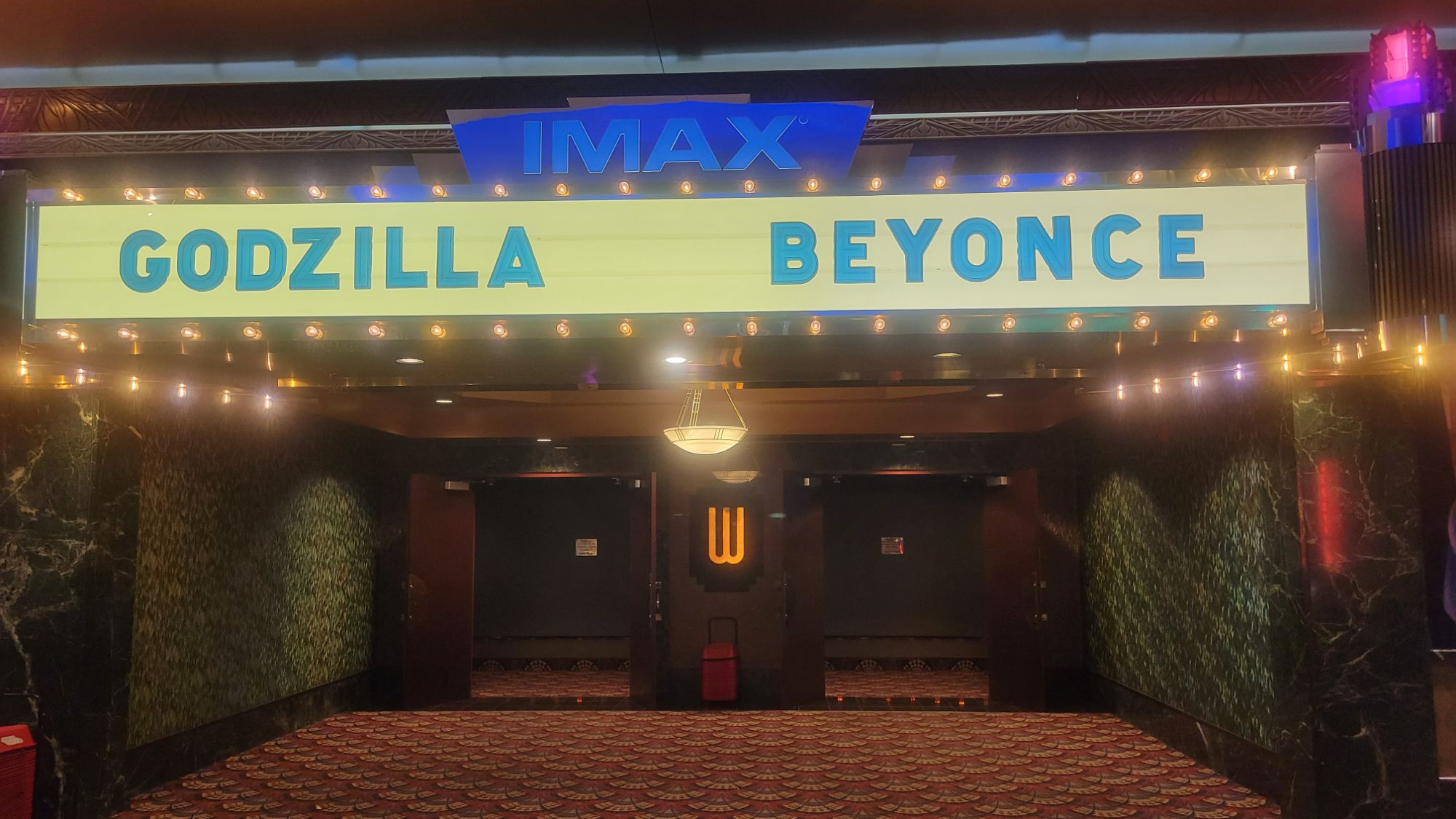
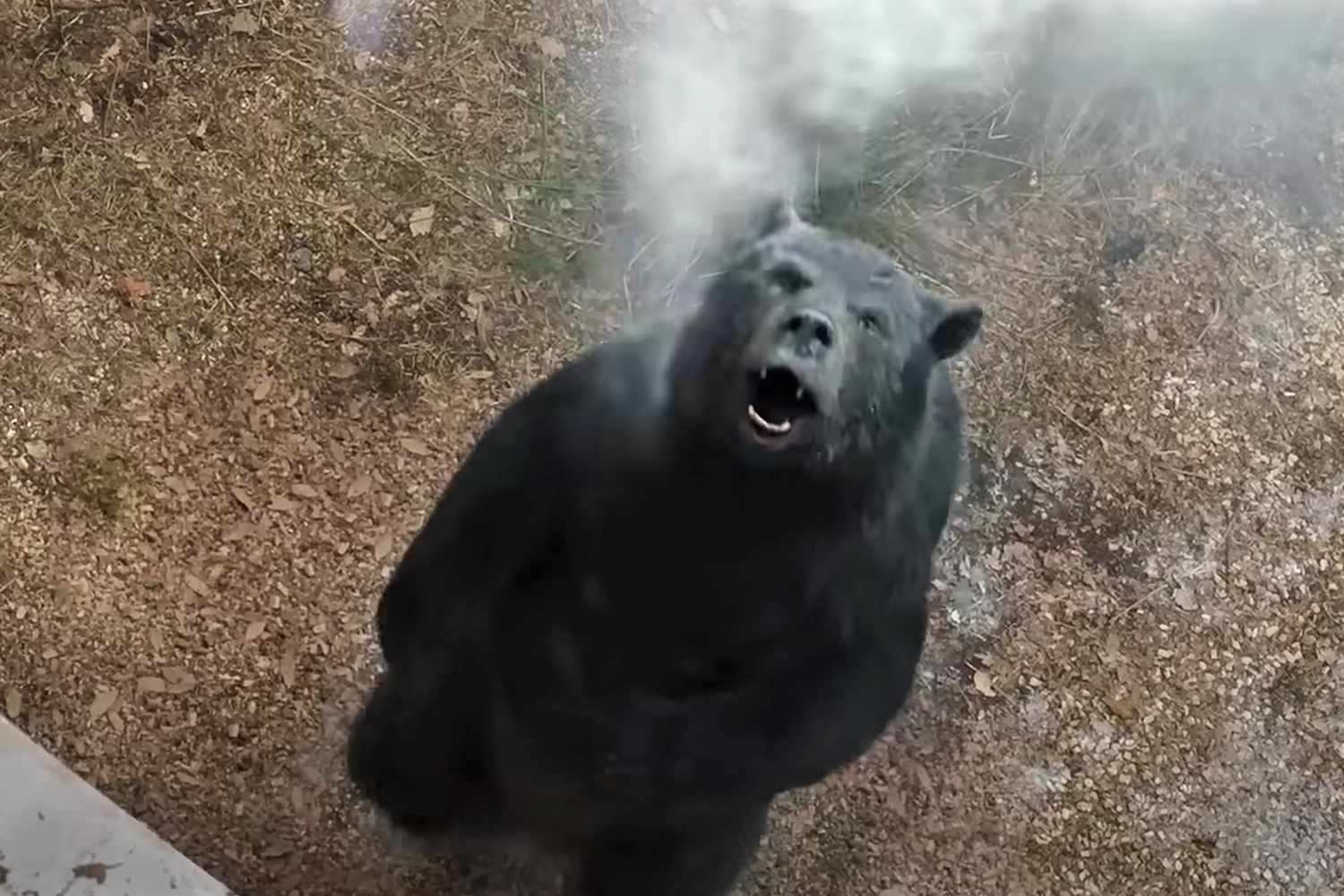
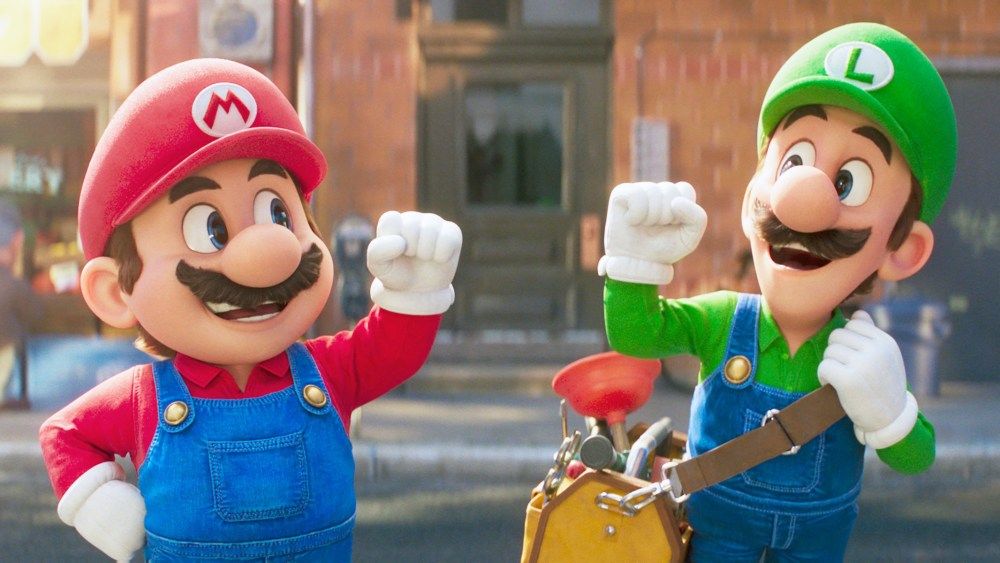
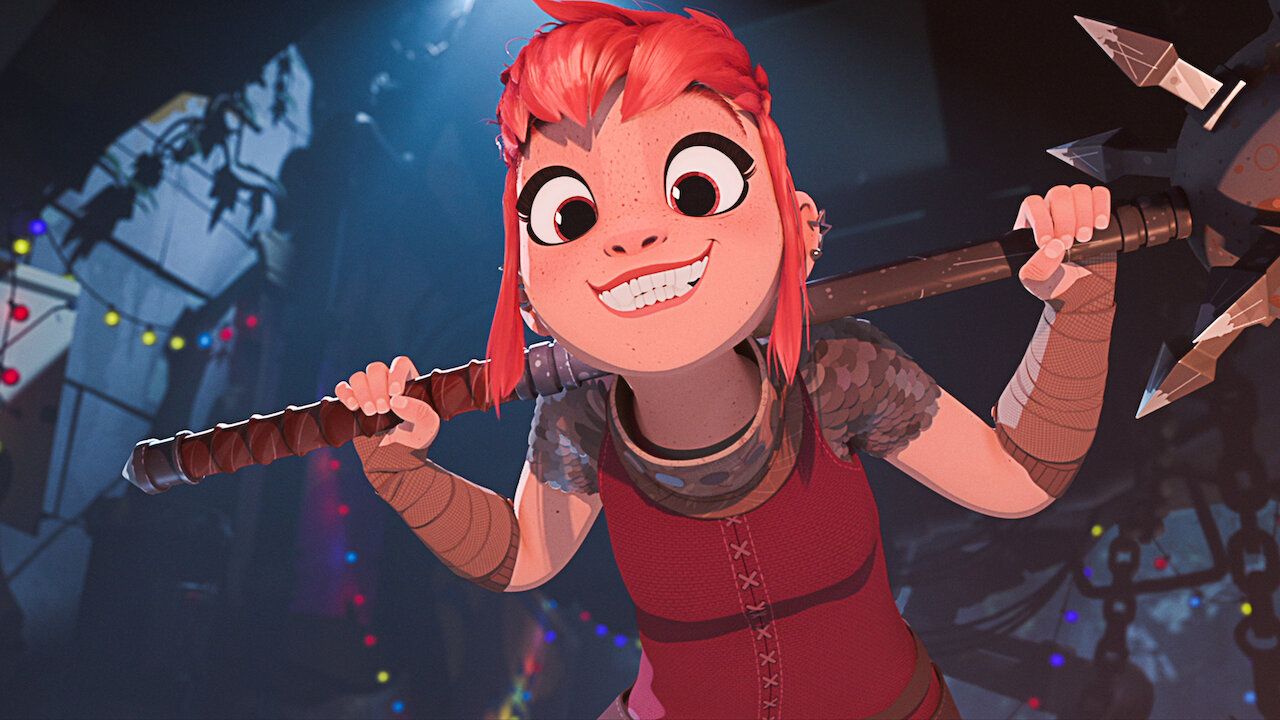


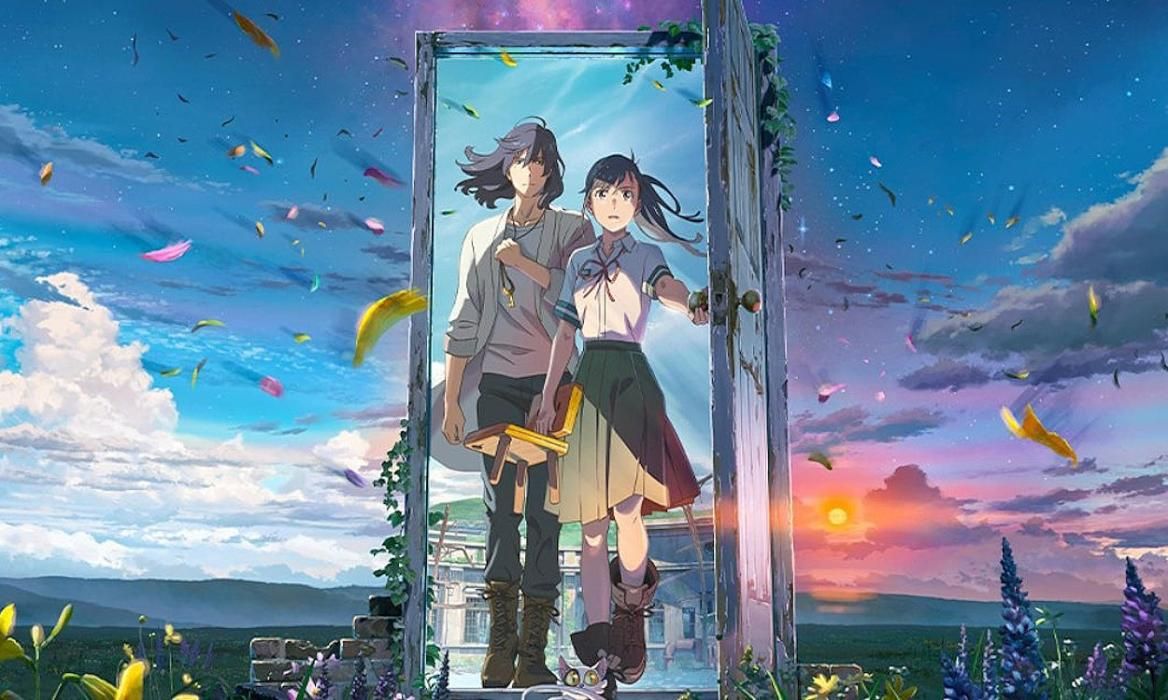

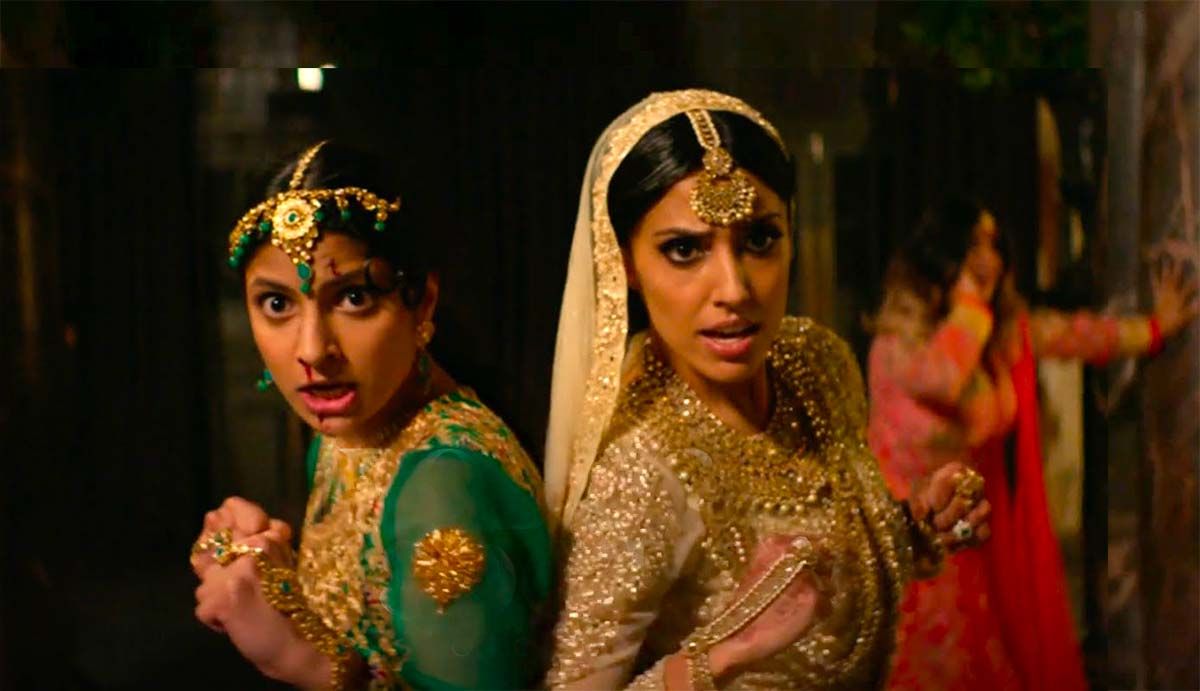
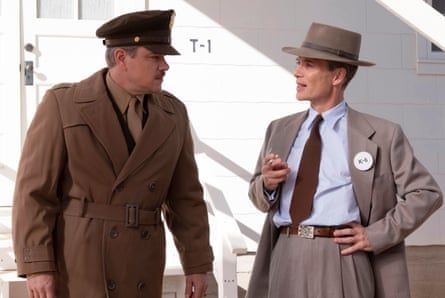
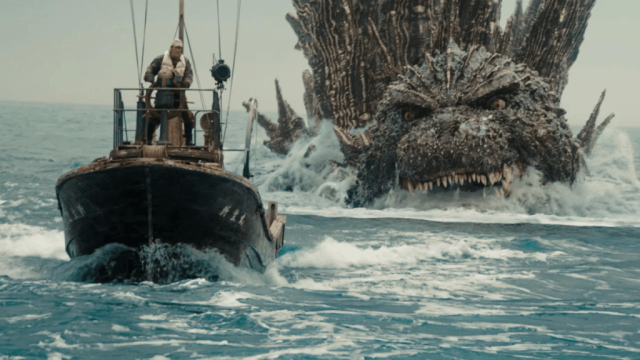


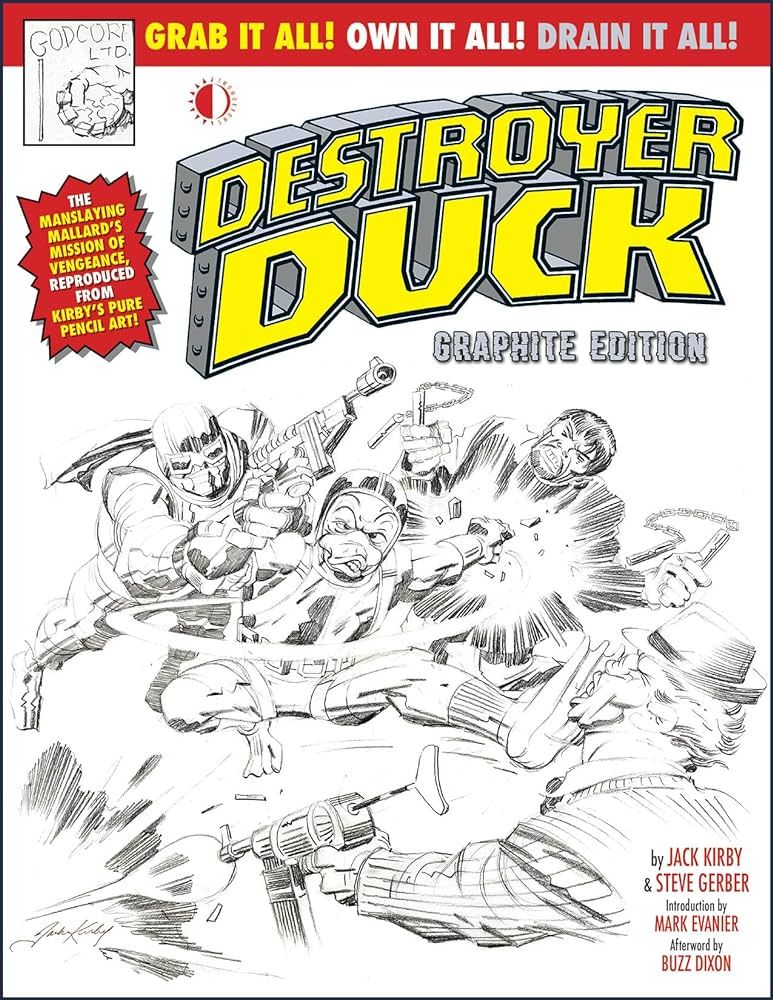
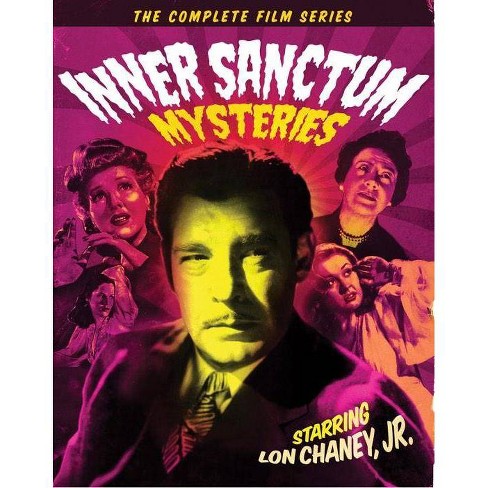
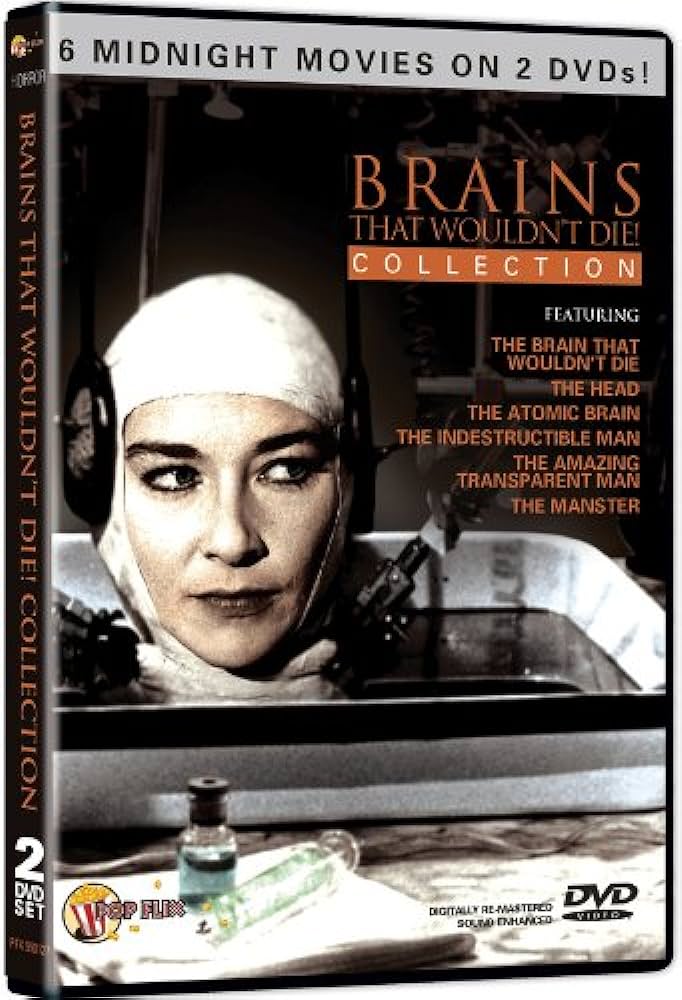
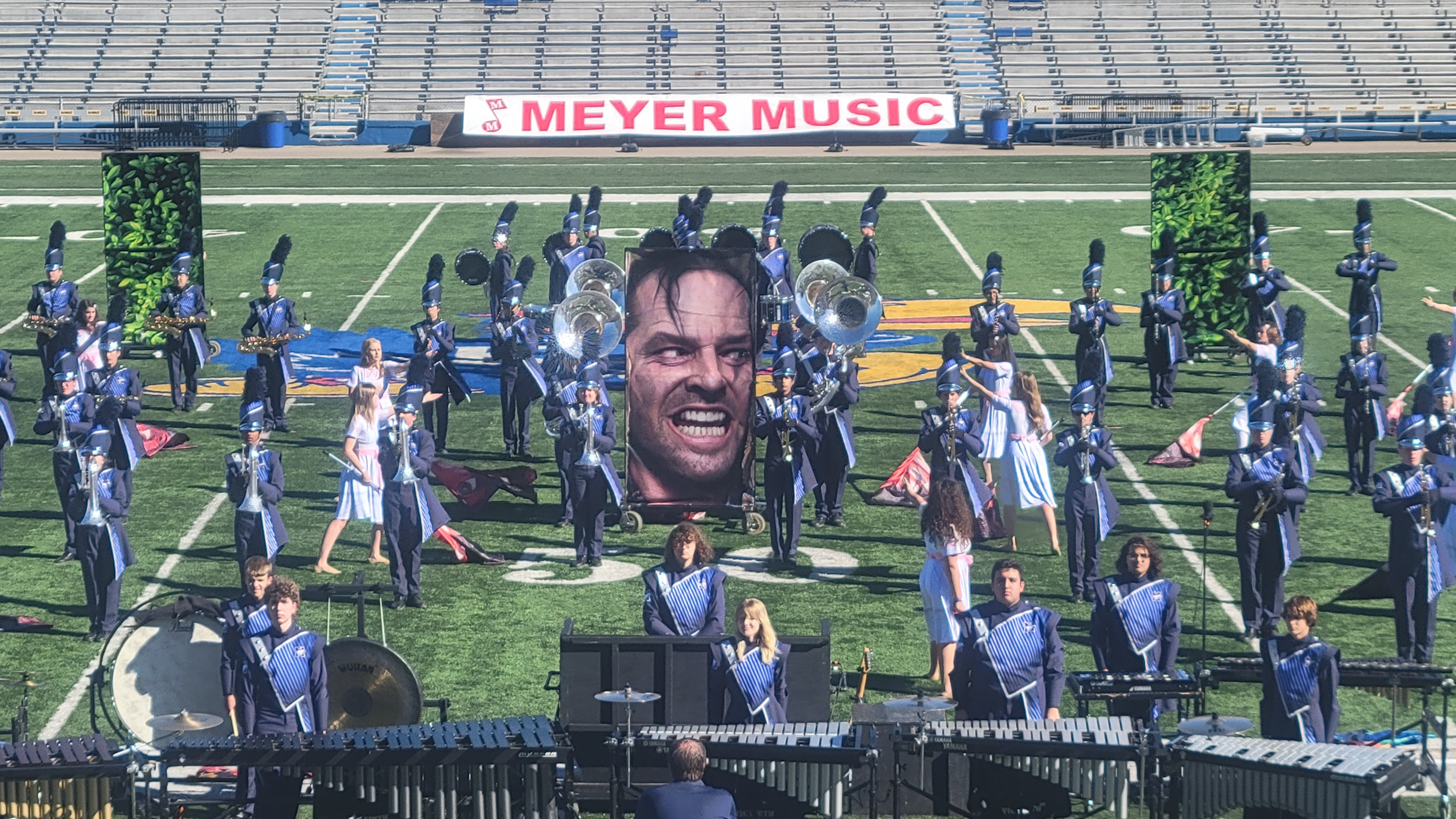




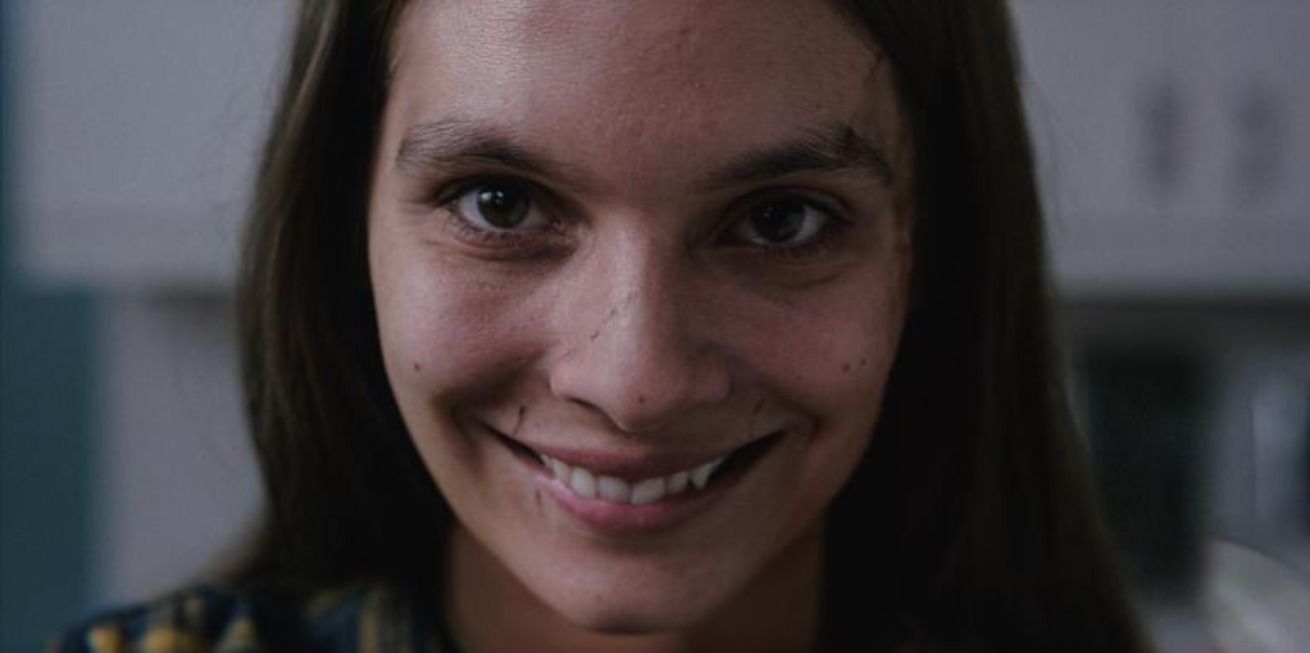


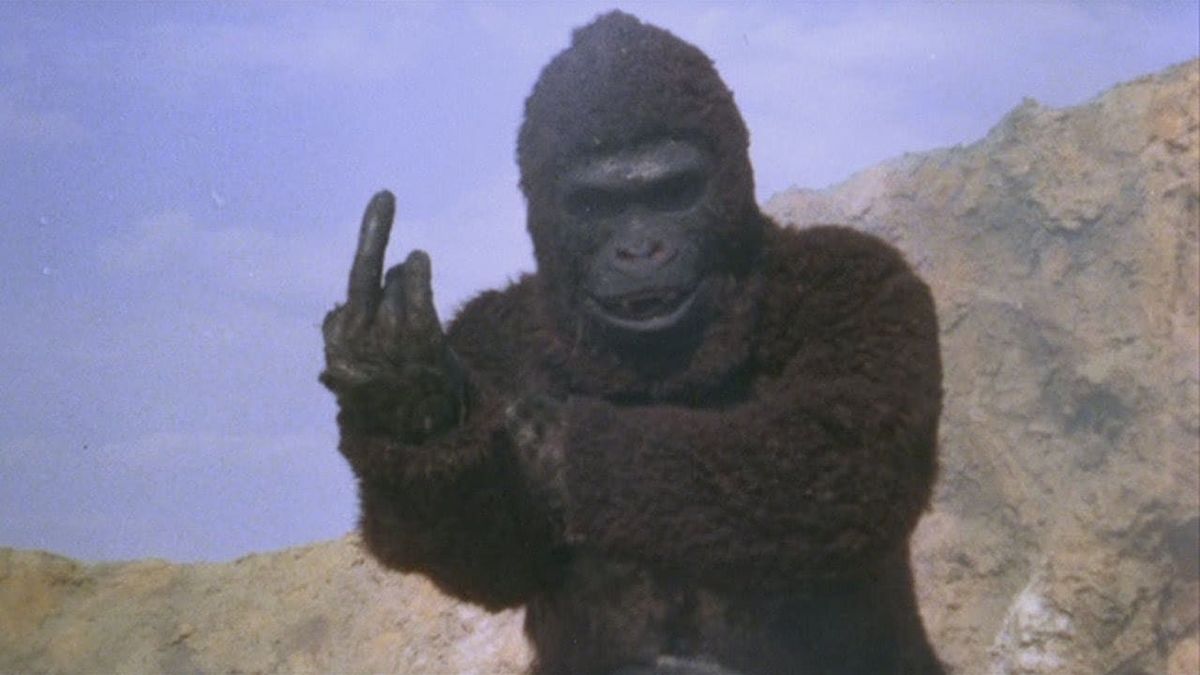


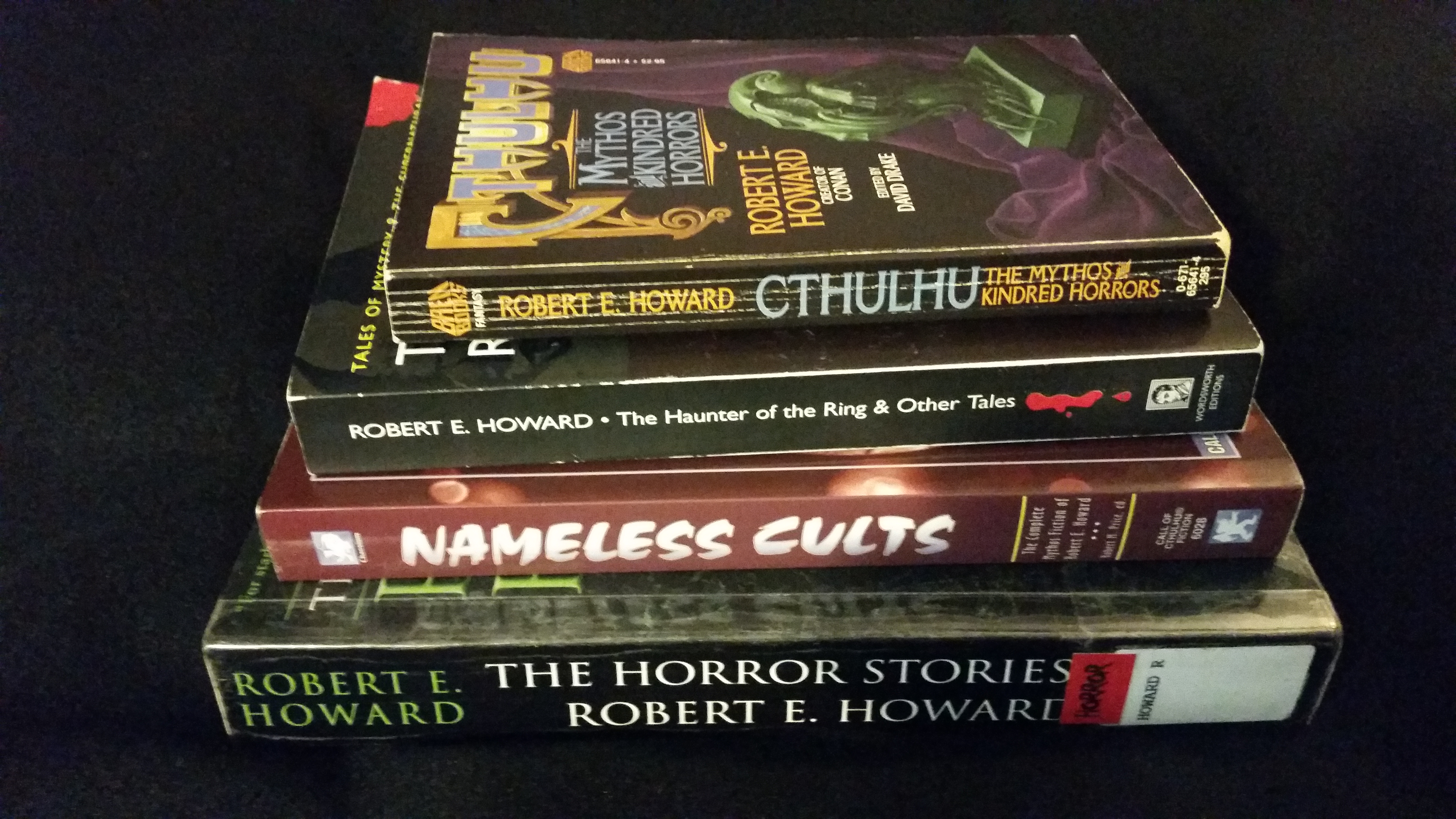


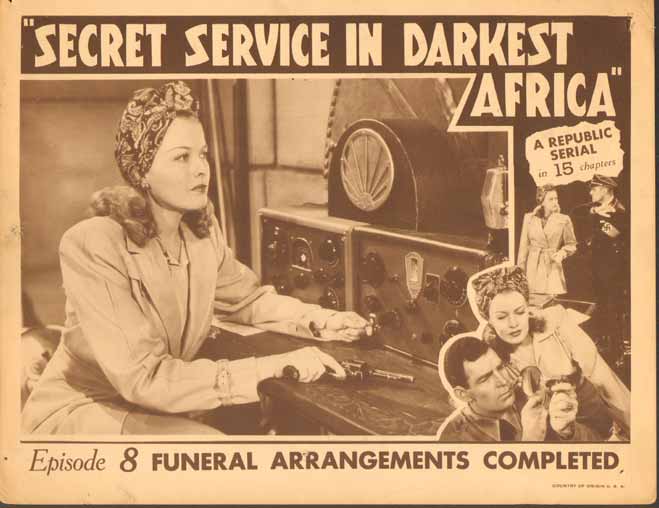

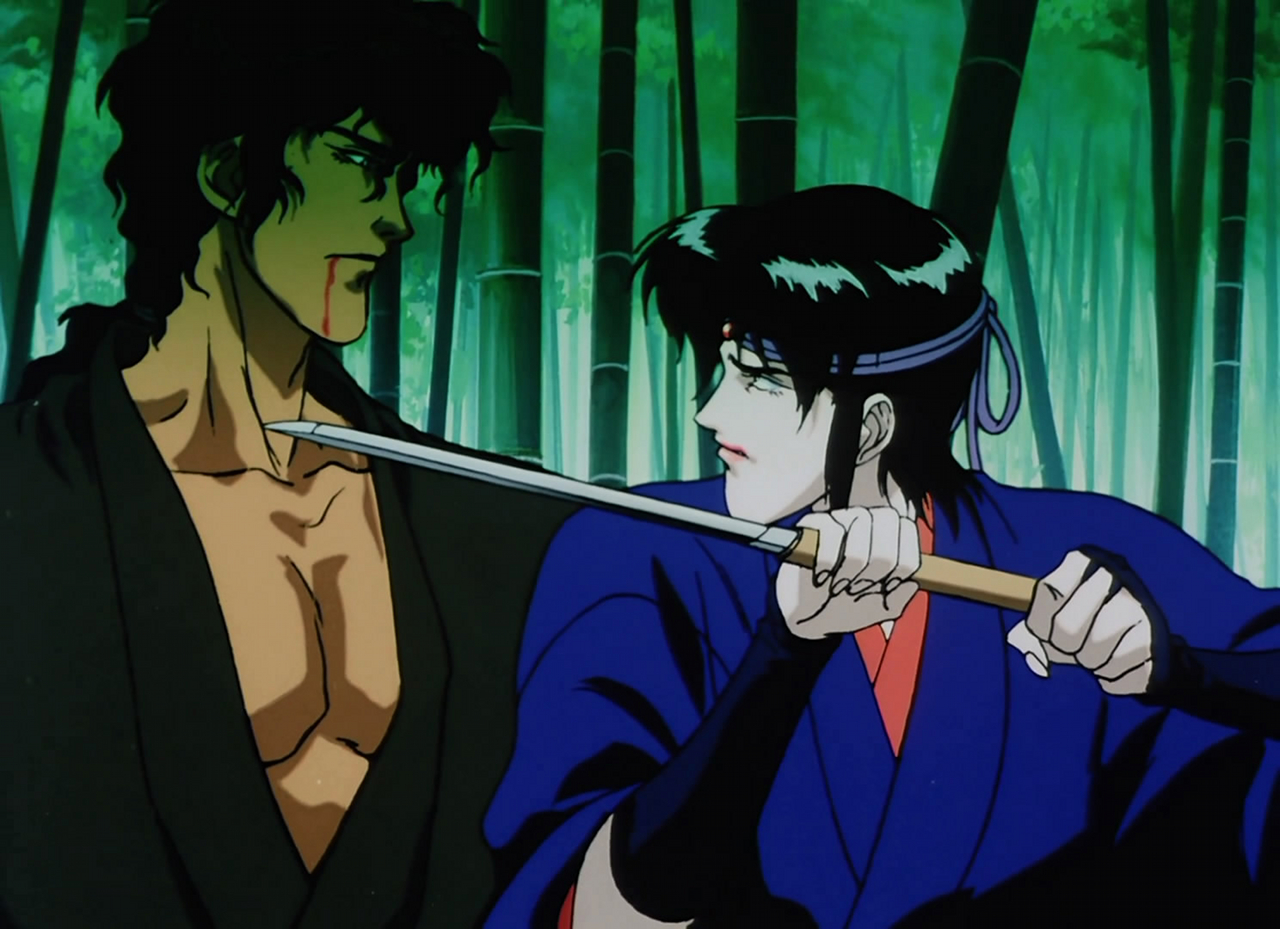

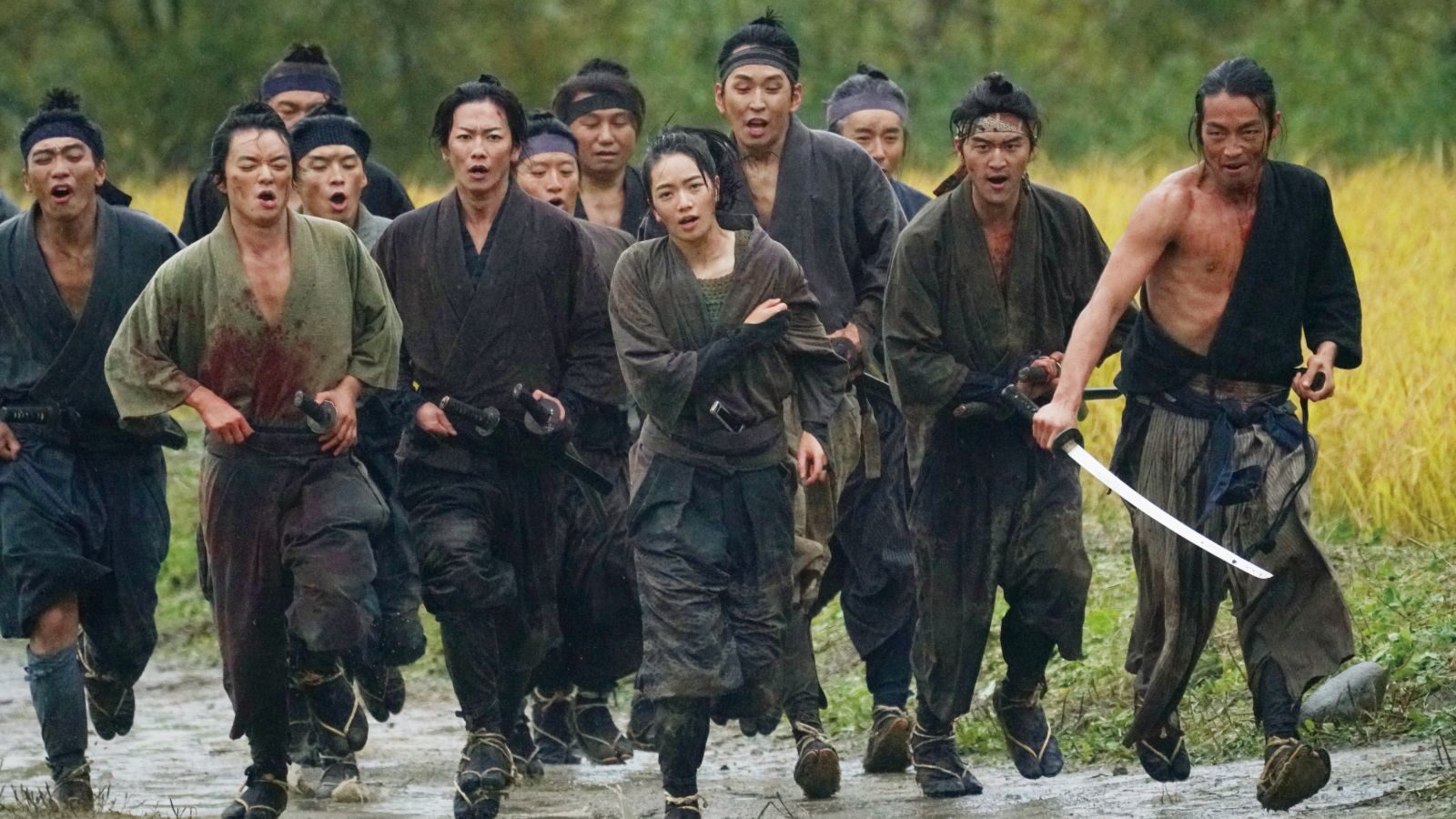
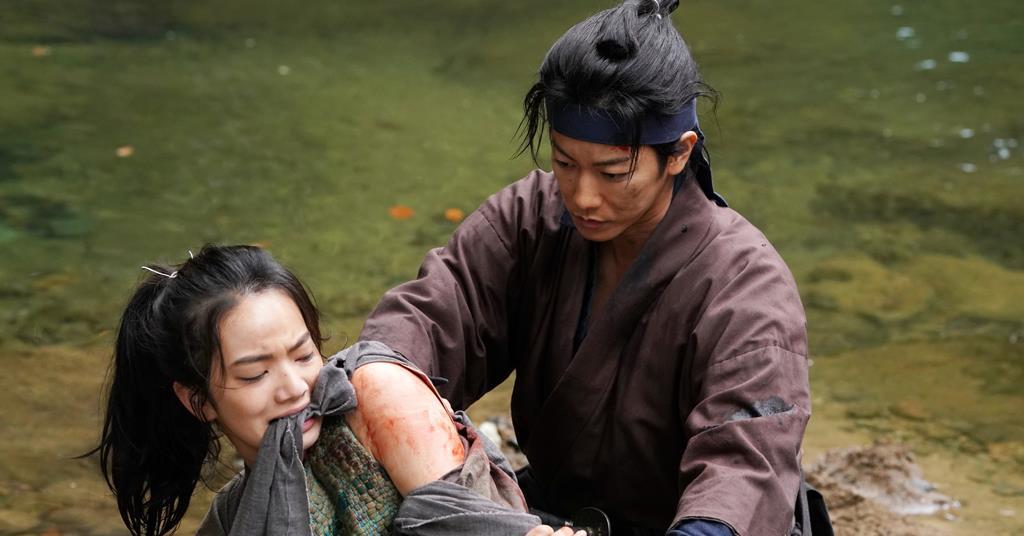



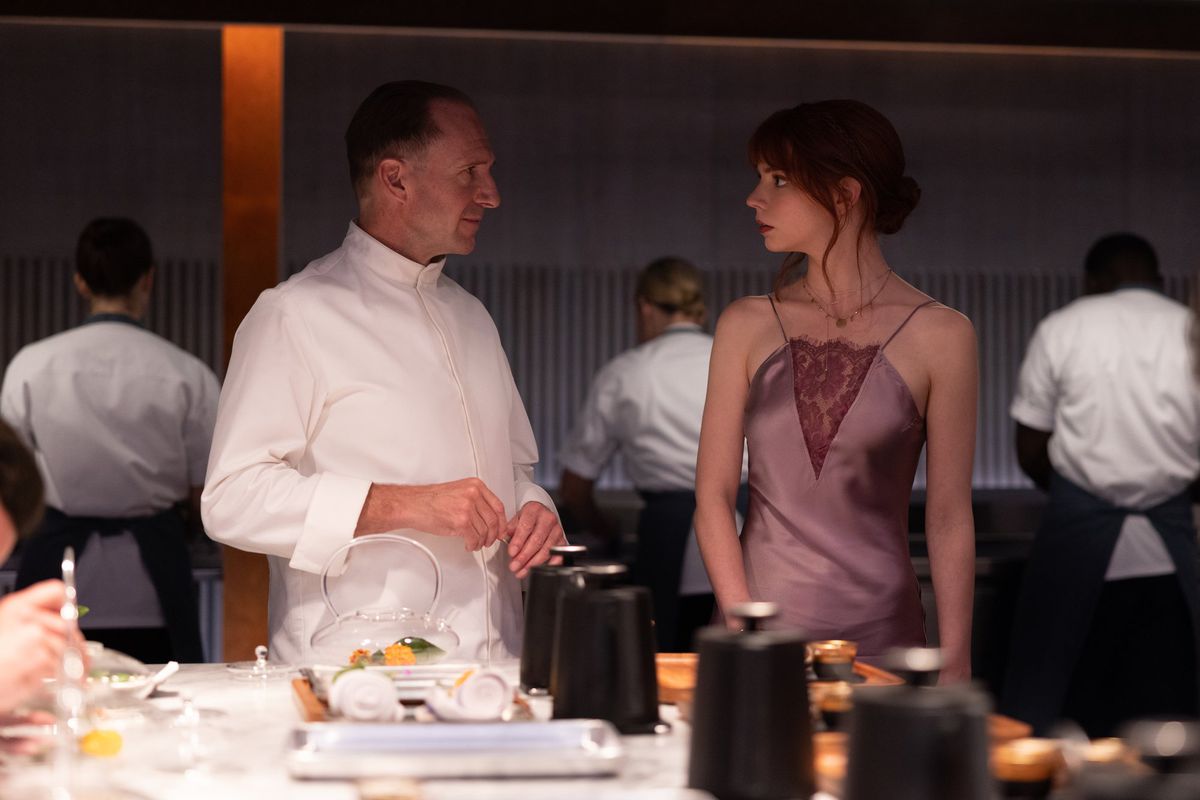
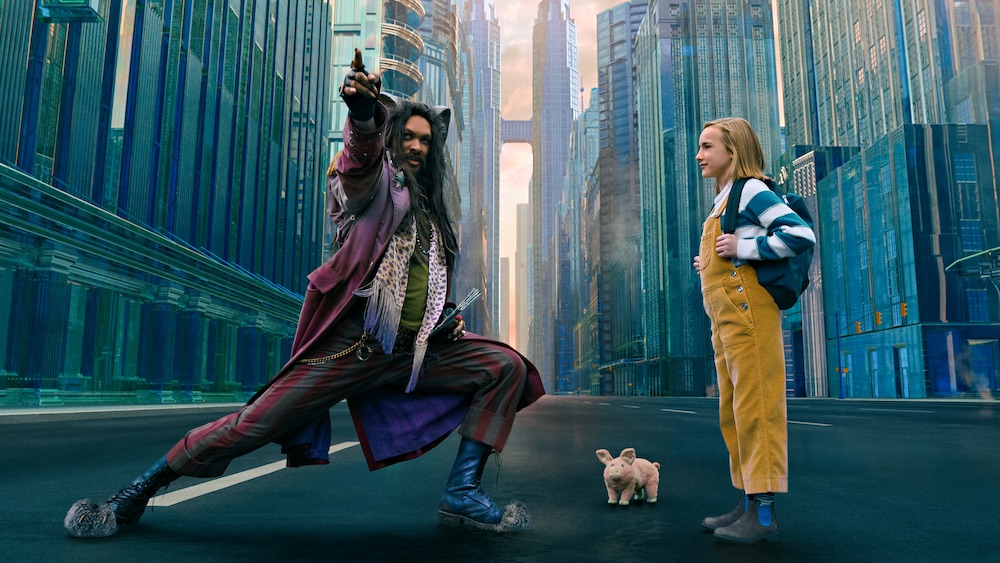
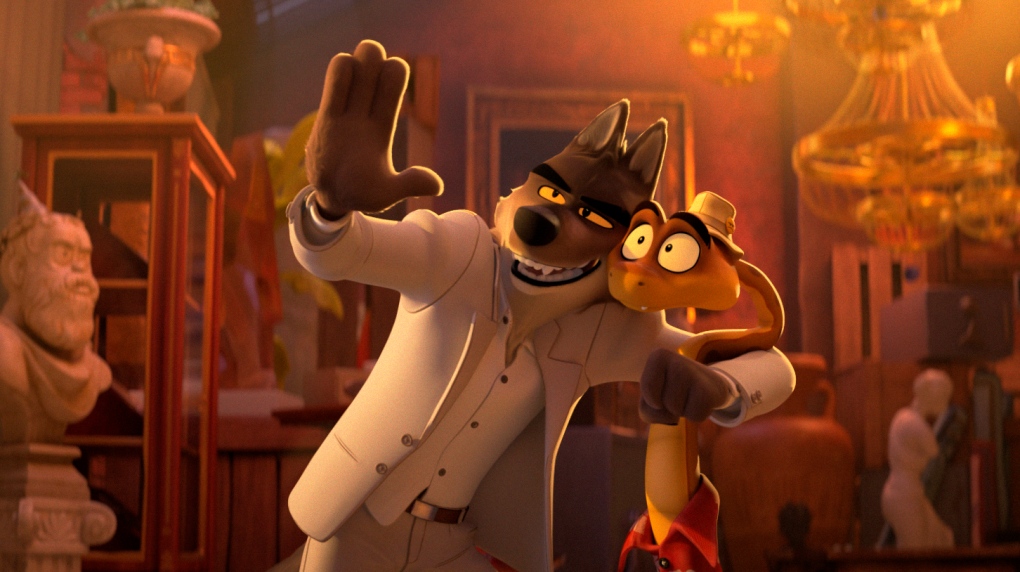


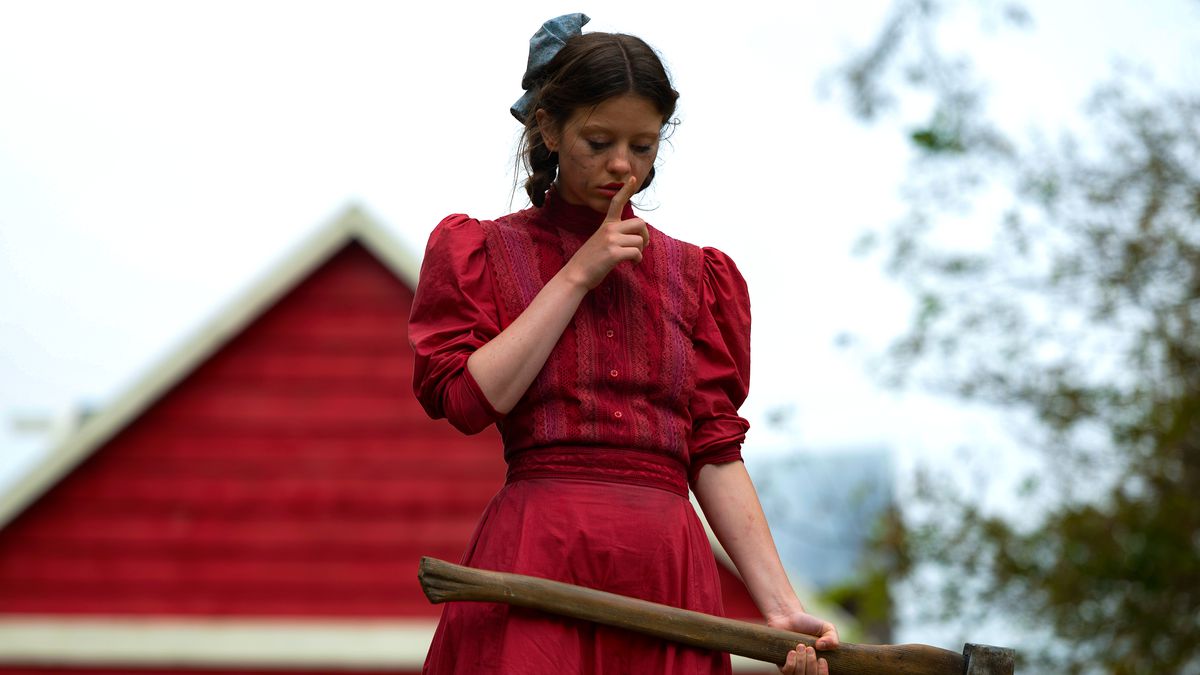

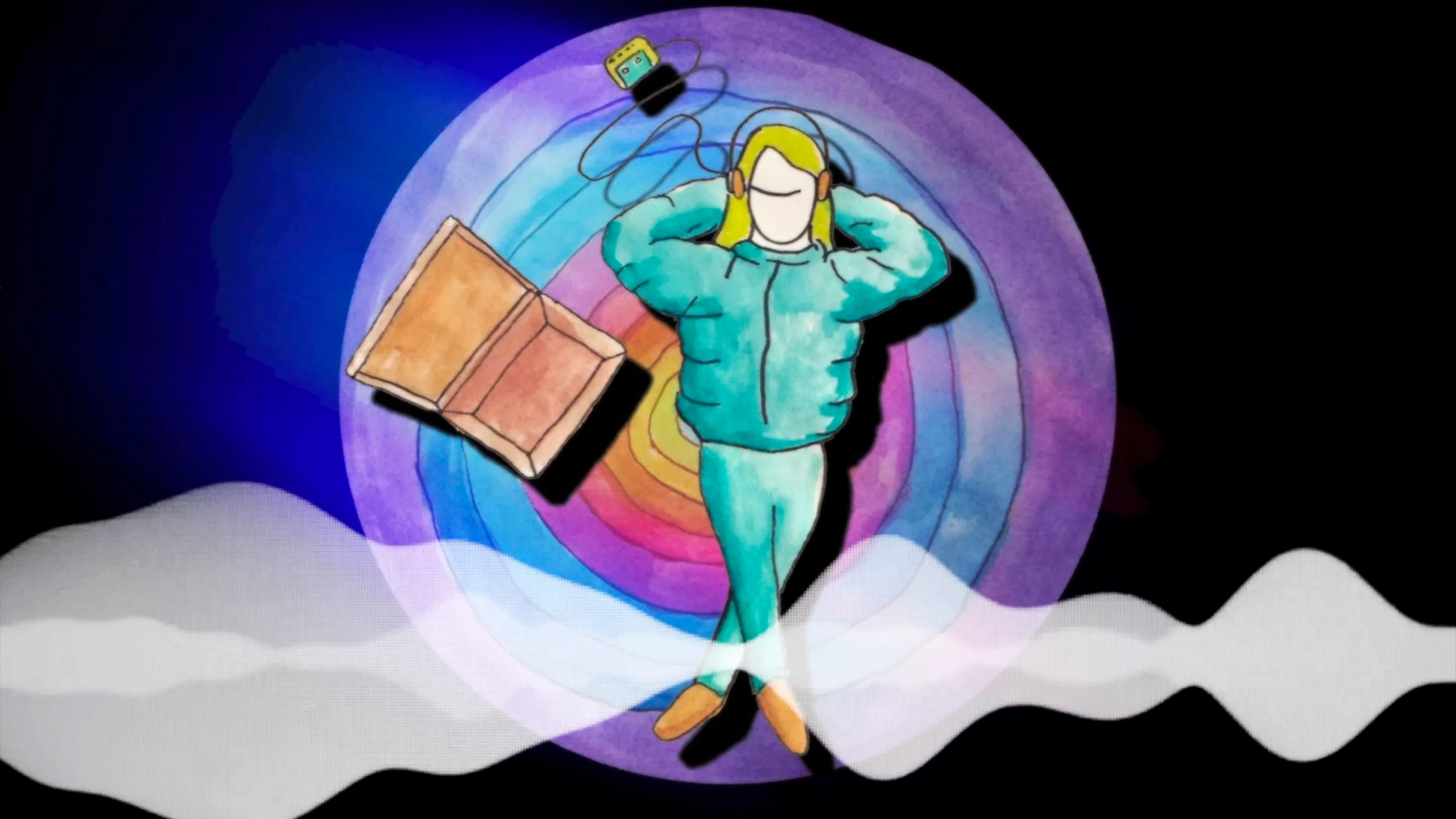

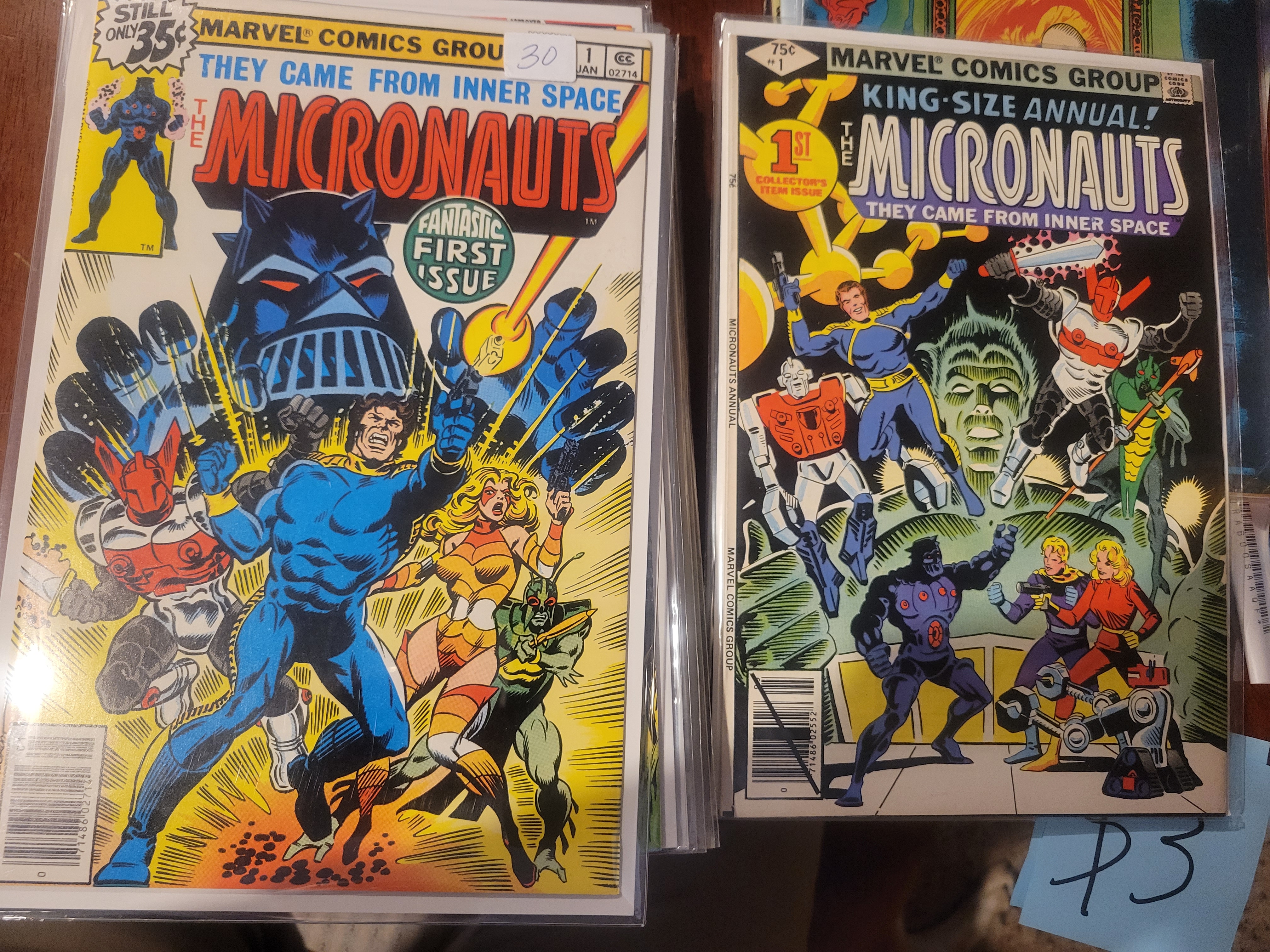

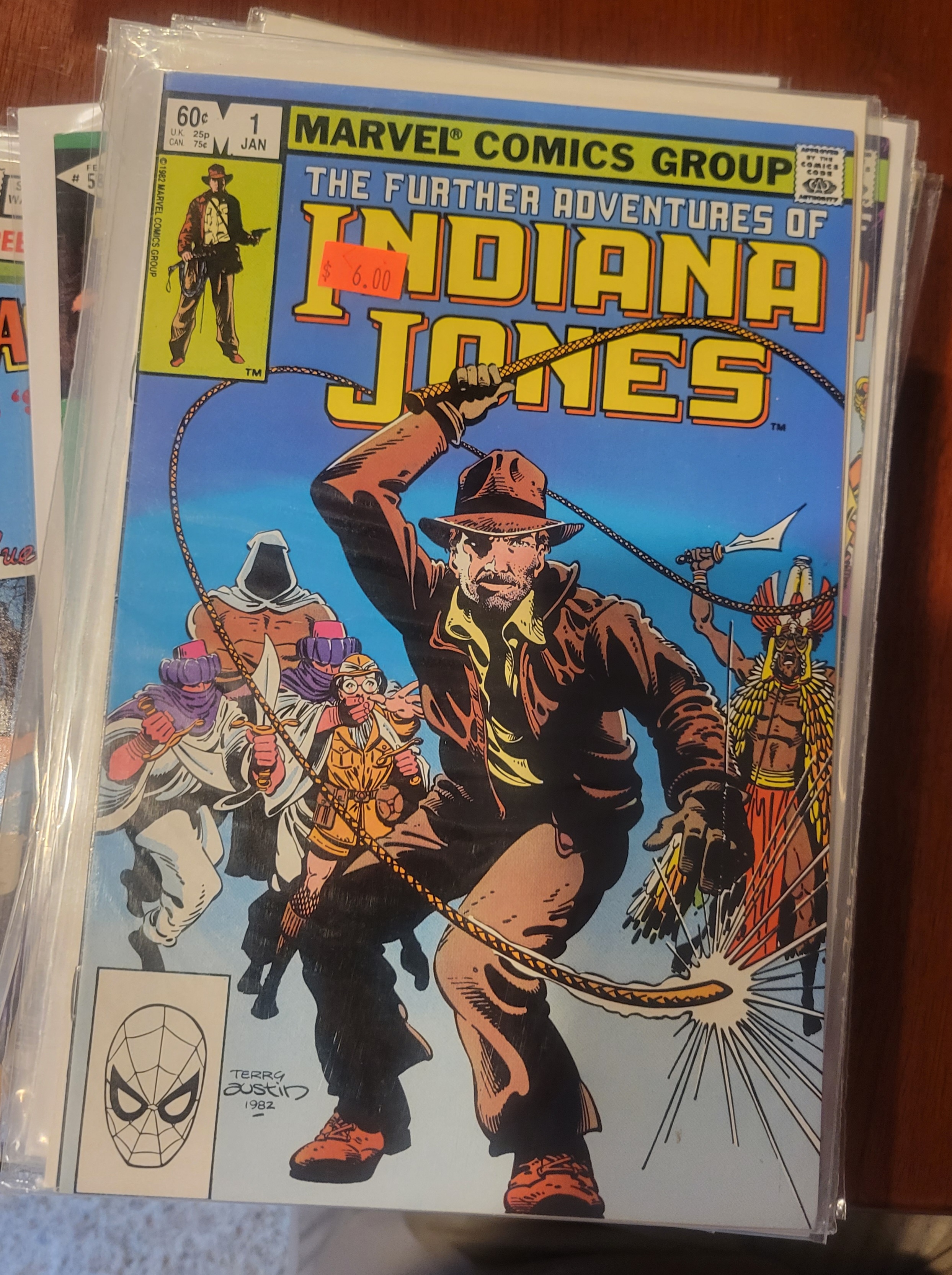
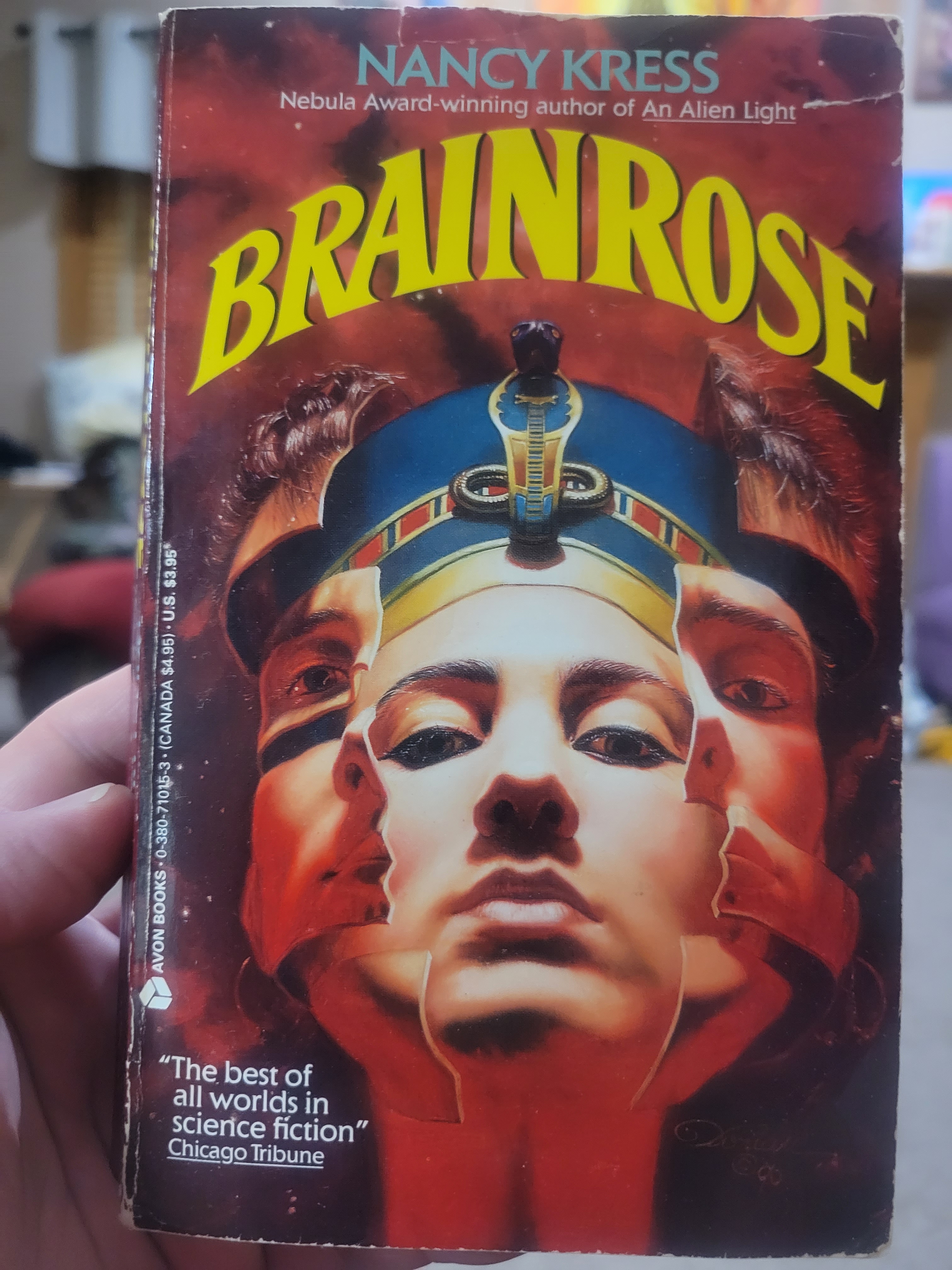




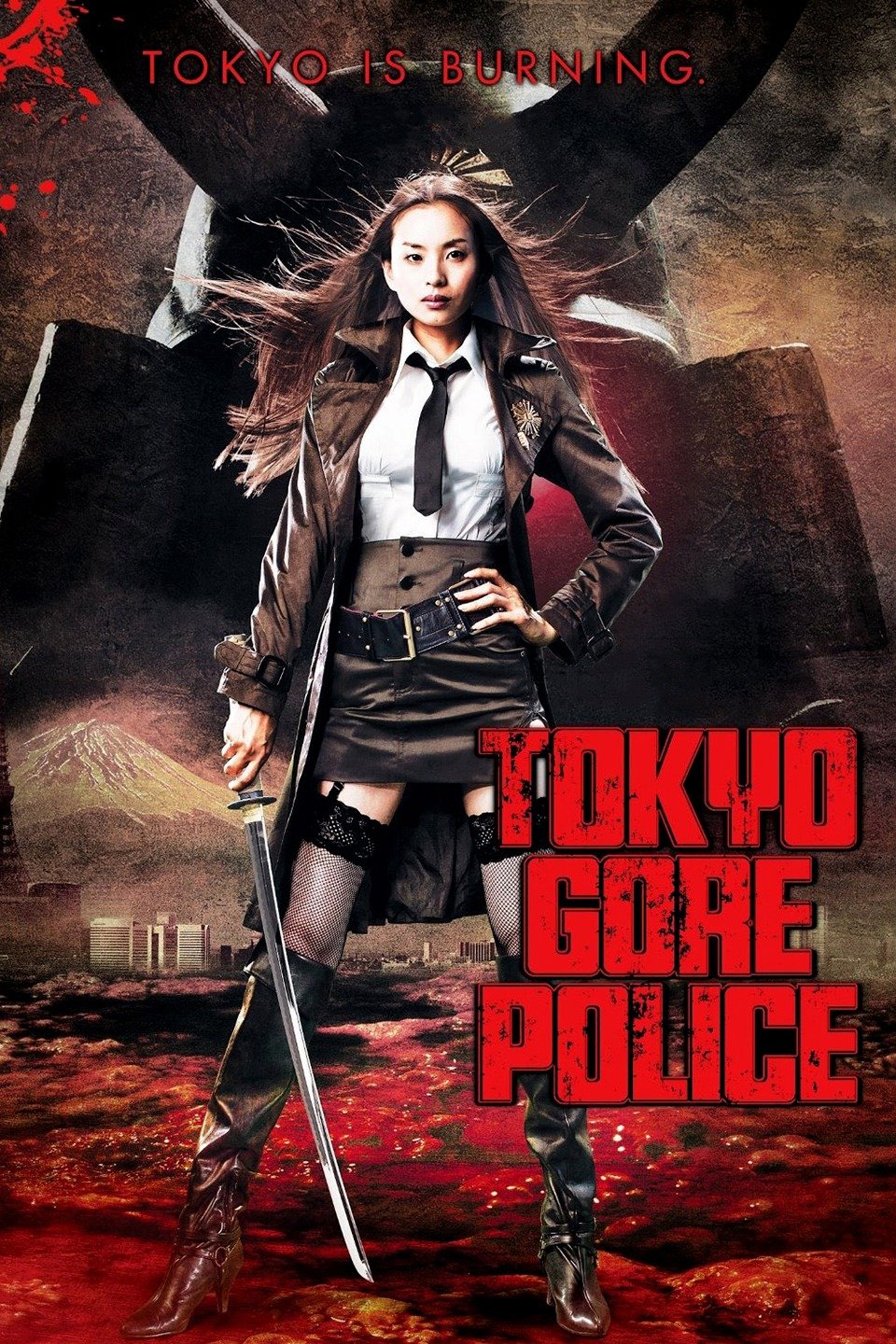


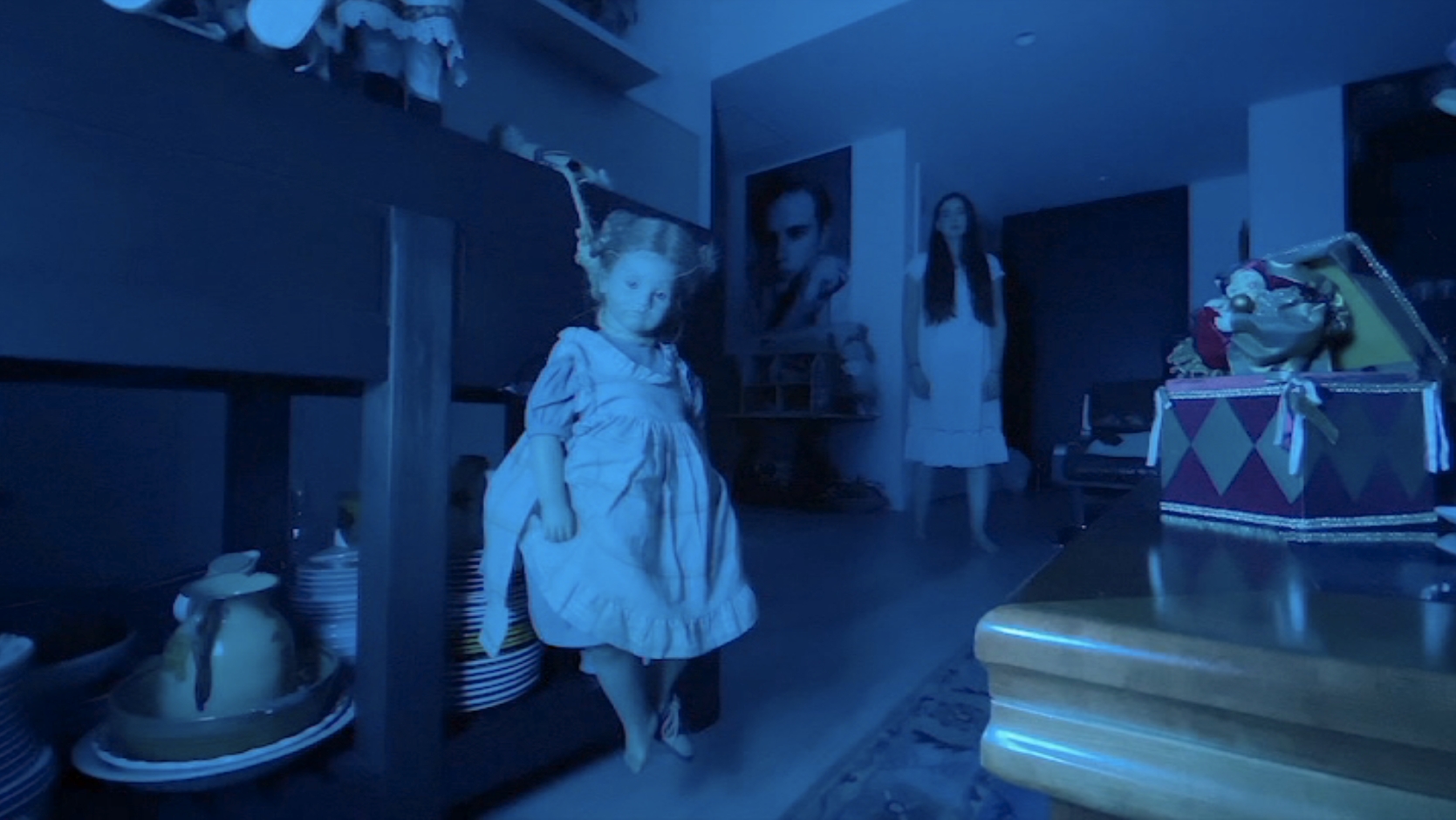







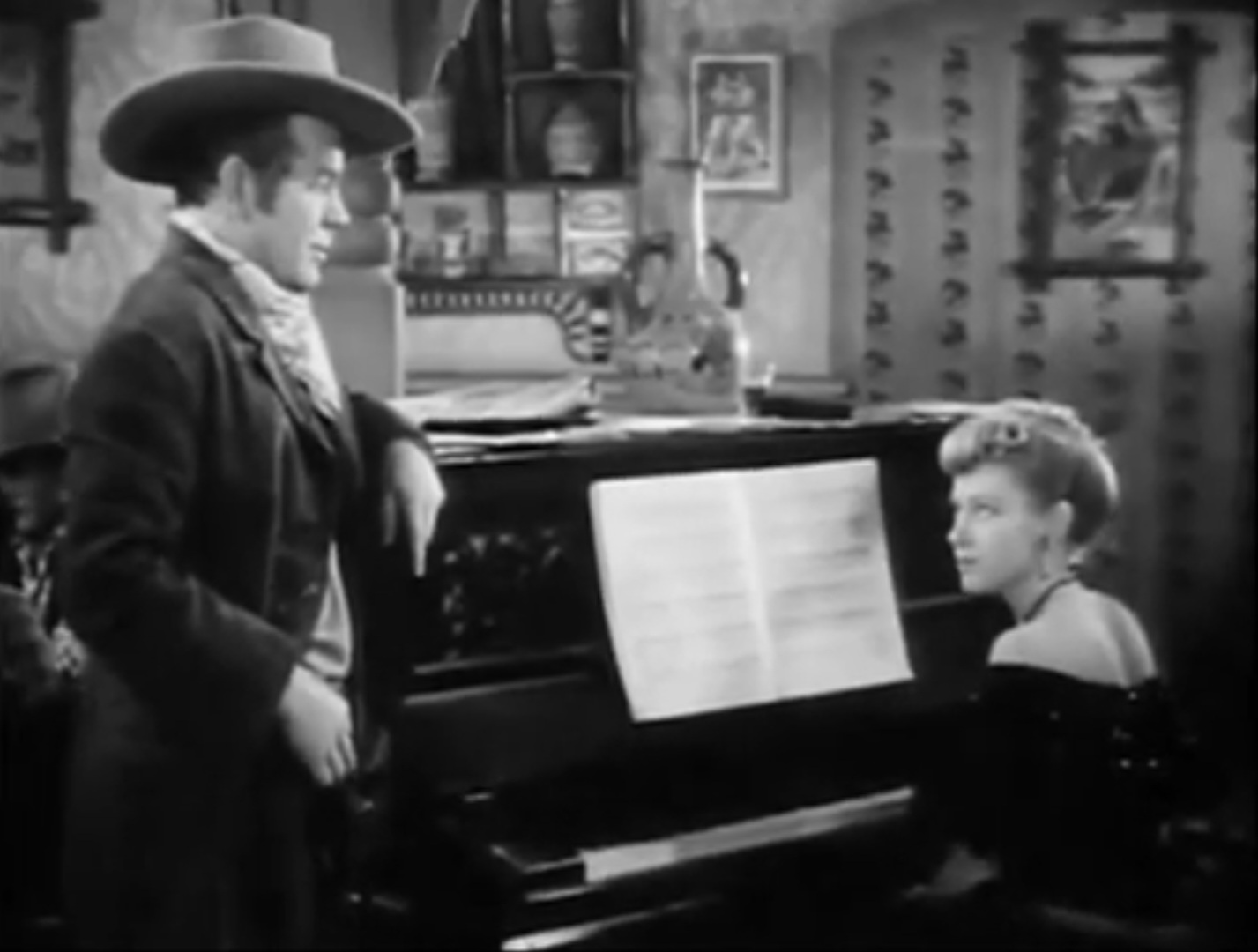



 Medleyana