Fates Worse Than Death: Dick Tracy Returns

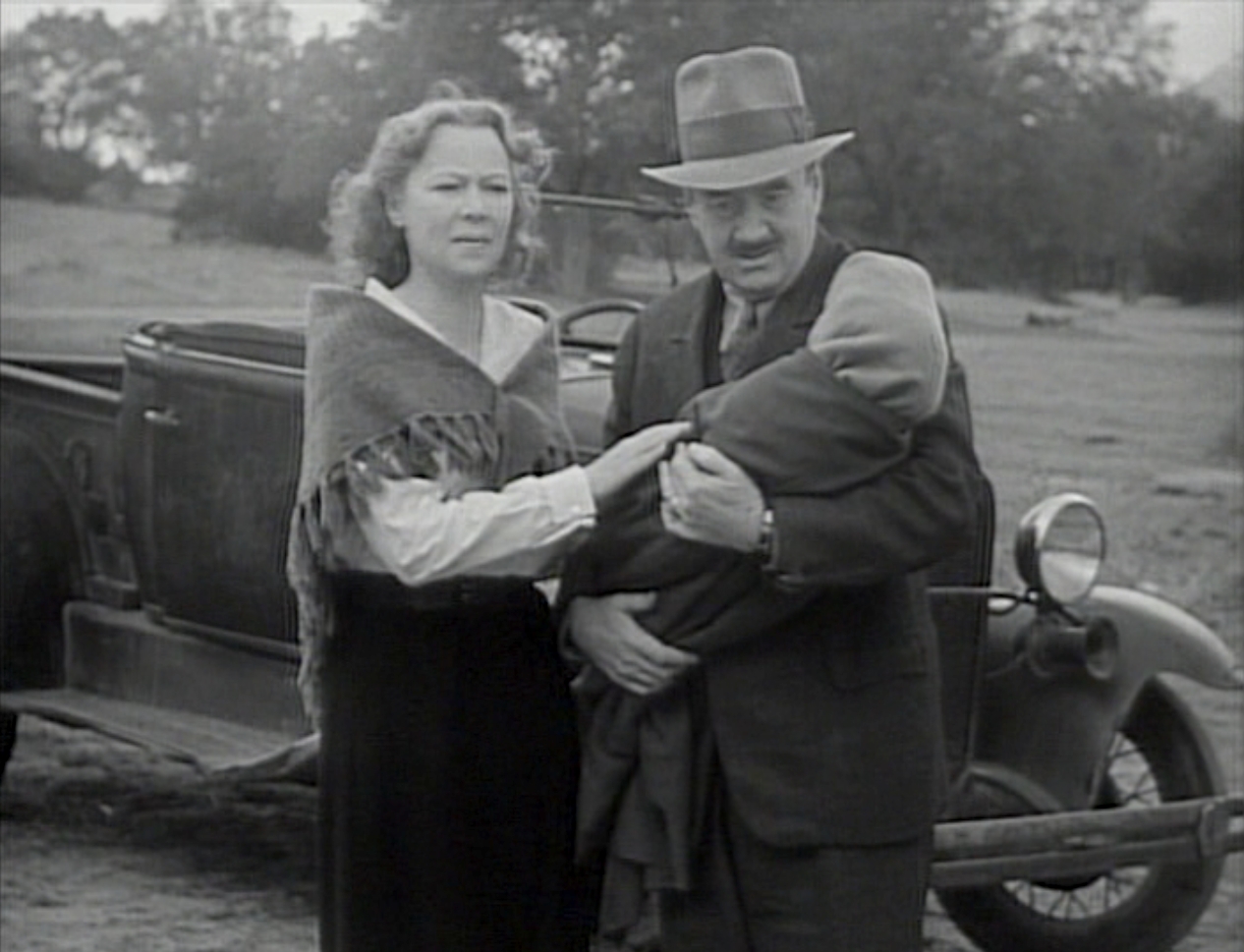
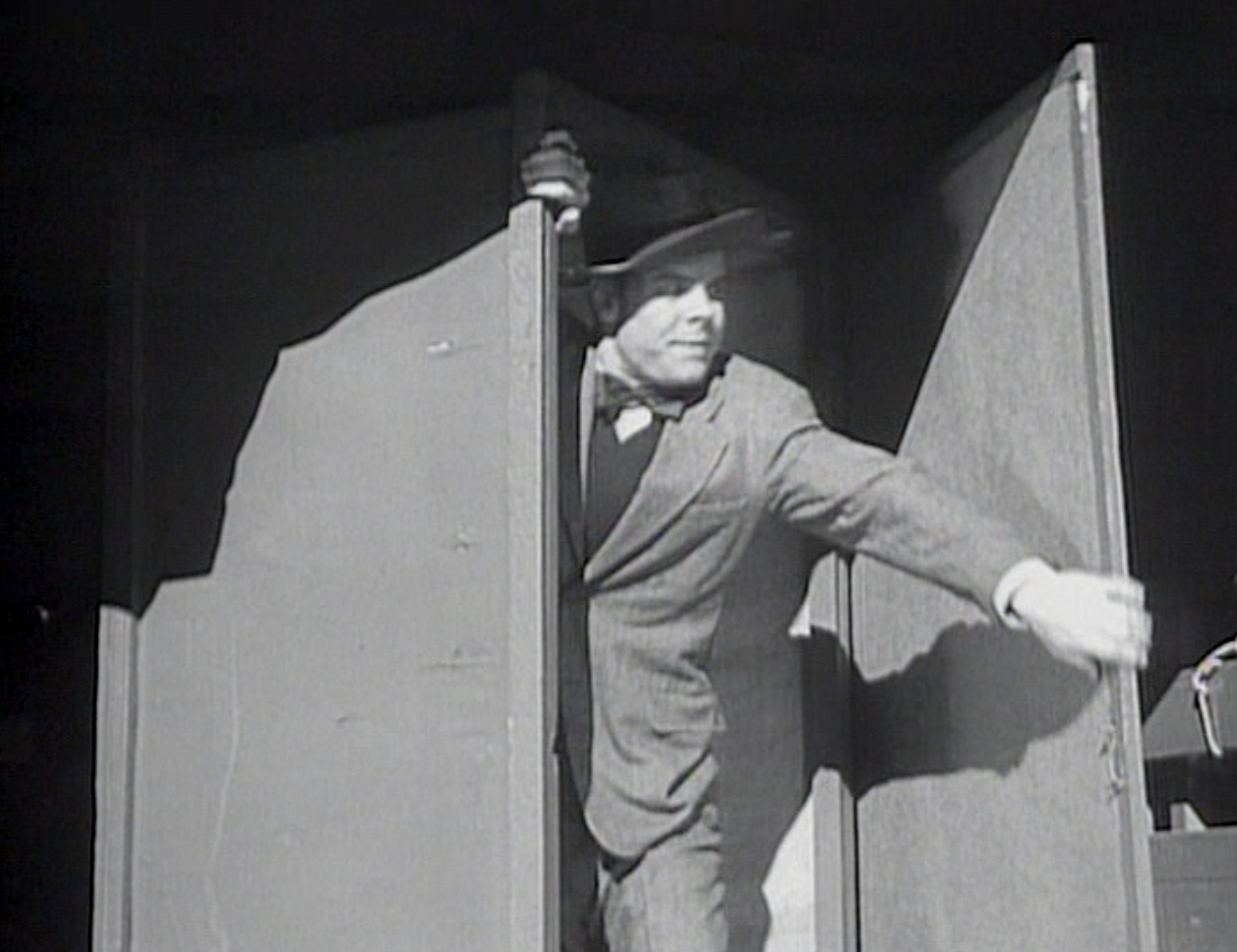
Dick Tracy, still a plainclothes G-Man with the Western Division of the FBI, is lecturing a new class of incoming agents: “Remember,” he tells them, “there are no rules in the game of justice versus crime,” giving a bracing wake-up call to the new agents while reminding viewers that this serial will involve the nuts and bolts of serious police work. Tracy and his colleagues are trained and careful policemen, vulnerable to bullets, not costumed superheroes. Afterward, Tracy greets one of the new agents, Ron Merton (David Sharpe), a promising symbol of the Bureau’s bright future. (Gosh, I hope something bad doesn’t happen to him!)
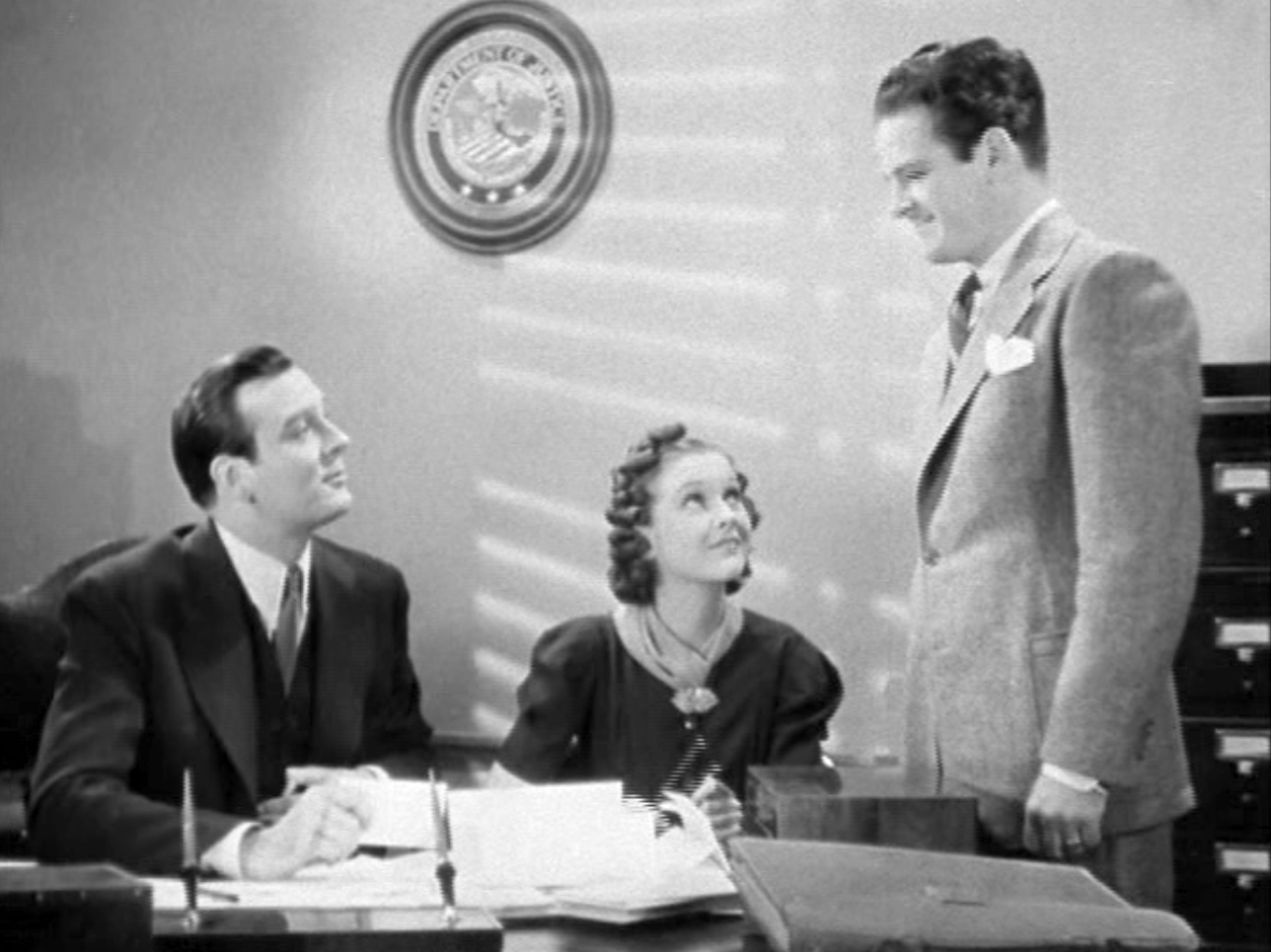
Special Agent Merton’s first big assignment is to ride along with a bank shipment of half a million dollars in cash. At the same time, Tracy is concerned about a criminal recently released by a “soft-hearted parole board”: Pa Stark, who, along with his gang of five sons, is thought to be operating out West. Could it be that Tracy is about to cross paths with the Starks, and that the bank shipment Merton is guarding is their next target?
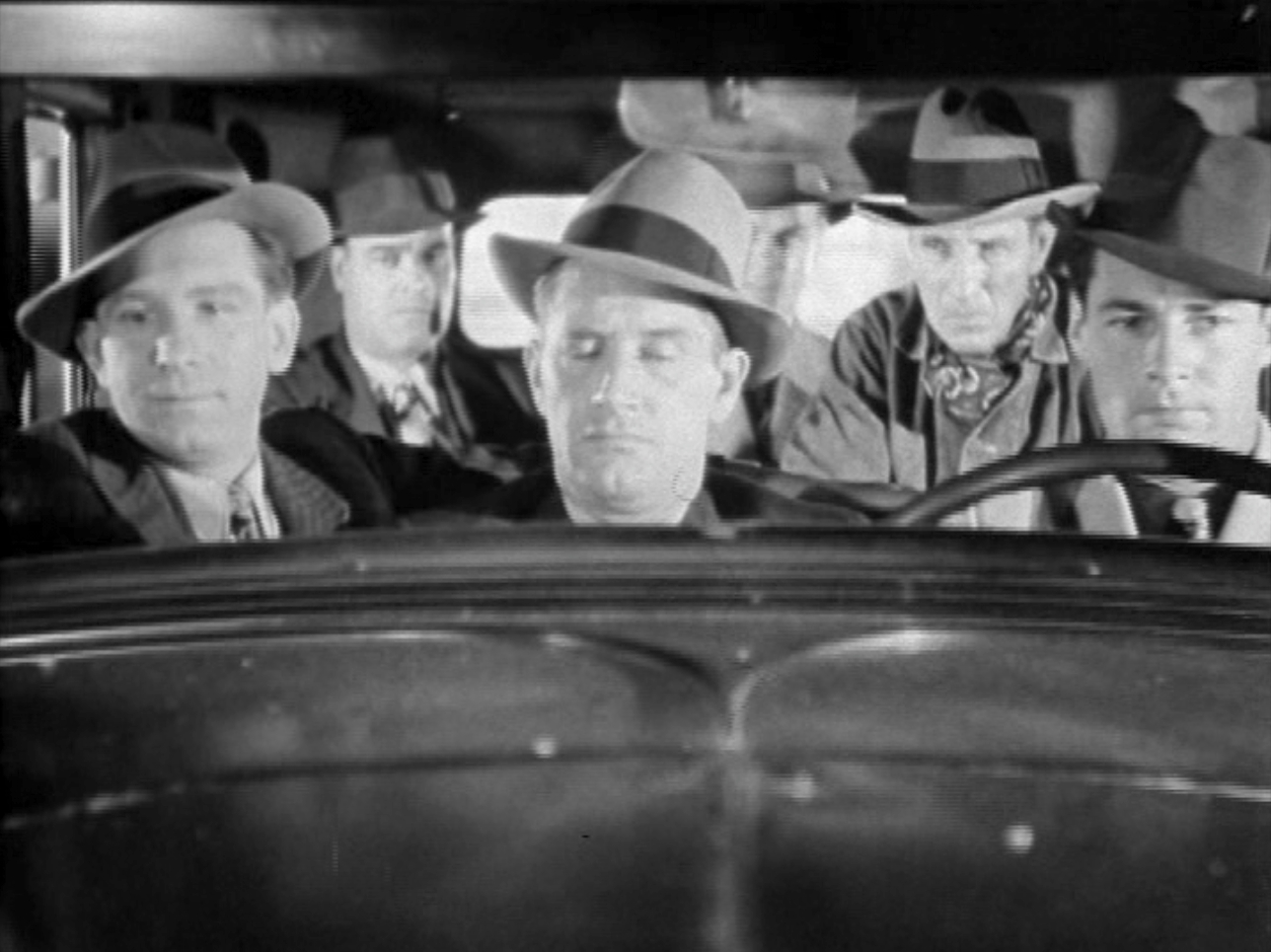
Dick Tracy Returns is the second serial based on Chester Gould’s long-running newspaper comic strip (begun in 1931), and it is, in the words of mystery writer (and sometime Dick Tracy writer) Max Allan Collins, “the serial most like the strip.” This is true not just in the emphasis on solid police work over fantastic special effects or melodrama–unlike the previous serial, there are no “flying wings” or “sound disintegrators,” no mad scientists, and even the main villain, Pa Stark, is known and unmasked from the beginning (catching him is another matter)–but in the assortment of colorful side characters, the devious ways the criminals attempt to worm their way out of the various jams they find themselves in, and even the tendency of characters (heroes and villains alike) to hide in unlikely places that turn out to be potential deathtraps.

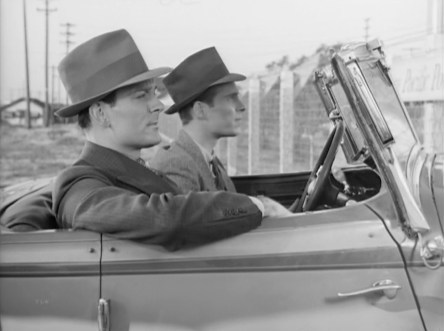
The few high-tech wonders that are included in the story are much more modest–no synthetic radium here–and serve to move the story forward rather than thrilling in themselves: a super cutting torch is stolen from the Navy so that the Starks can use it to cut into a jewelry store’s vault; a “torpedo speedboat” is stolen to sell it to a foreign power; likewise a scheme to steal the motor of an experimental airplane. (One exception is a remote television viewer that allows Tracy to witness the hijacking of the torpedo boat out at sea while he is on the shore, but even then it’s presented matter-of-factly.) As Collins points out (in his introduction on the DVD copy I watched), “Of all the Dick Tracy serials, this is the Dick Traciest!”

Having said all that, Dick Tracy Returns clearly follows Dick Tracy (1937) in continuity, however loosely: Ralph Byrd returns in the starring role; Tracy is still a G-Man in the West rather than a Chicago police detective; and the supporting characters surrounding him are the same, although recast: Steve Lockwood (Michael Kent, replacing Fred Hamilton) is Tracy’s partner, Gwen Andrews (Lynn Roberts, replacing Kay Hughes) his assistant, Mike McGurk (Lee Ford, replacing Smiley Burnette) is the bumbling comic relief, and Junior (Jerry Tucker, replacing Lee van Atta) is still present, now officially Tracy’s ward and attending military school.

A subvillain from the first serial, foreign agent Baron Kroner (Harrison Greene), makes an appearance (or does he?), commissioning the Starks to steal a remote-control tank for his government. (Greene’s character was listed under a different name in the 1937 serial, but come on–in an era of interchangeable gangsters in fedoras and pinstripe suits, there are two monocle-wearing German spies, played by the same actor?) Tracy’s brother Gordon, turned evil and then killed in the previous serial, is never mentioned, of course: the demands of continuity only extend so far.

Despite the somewhat lower stakes in this serial (the Starks are extortionists and racketeers with their hands in many criminal enterprises, but they’re mostly in it for the money), the action and cliffhangers are just as exciting; in this case, the (relative) plausibility helps sell the danger and increase the stakes. The colorful staging areas for fight scenes and cliffhangers include a powerhouse, railroad yards, a fertilizer plant, a multilevel parking garage, and a mine tunnel under an observatory (just in case you thought Gotham City had a corner on abandoned facilities used as criminal hideouts!).
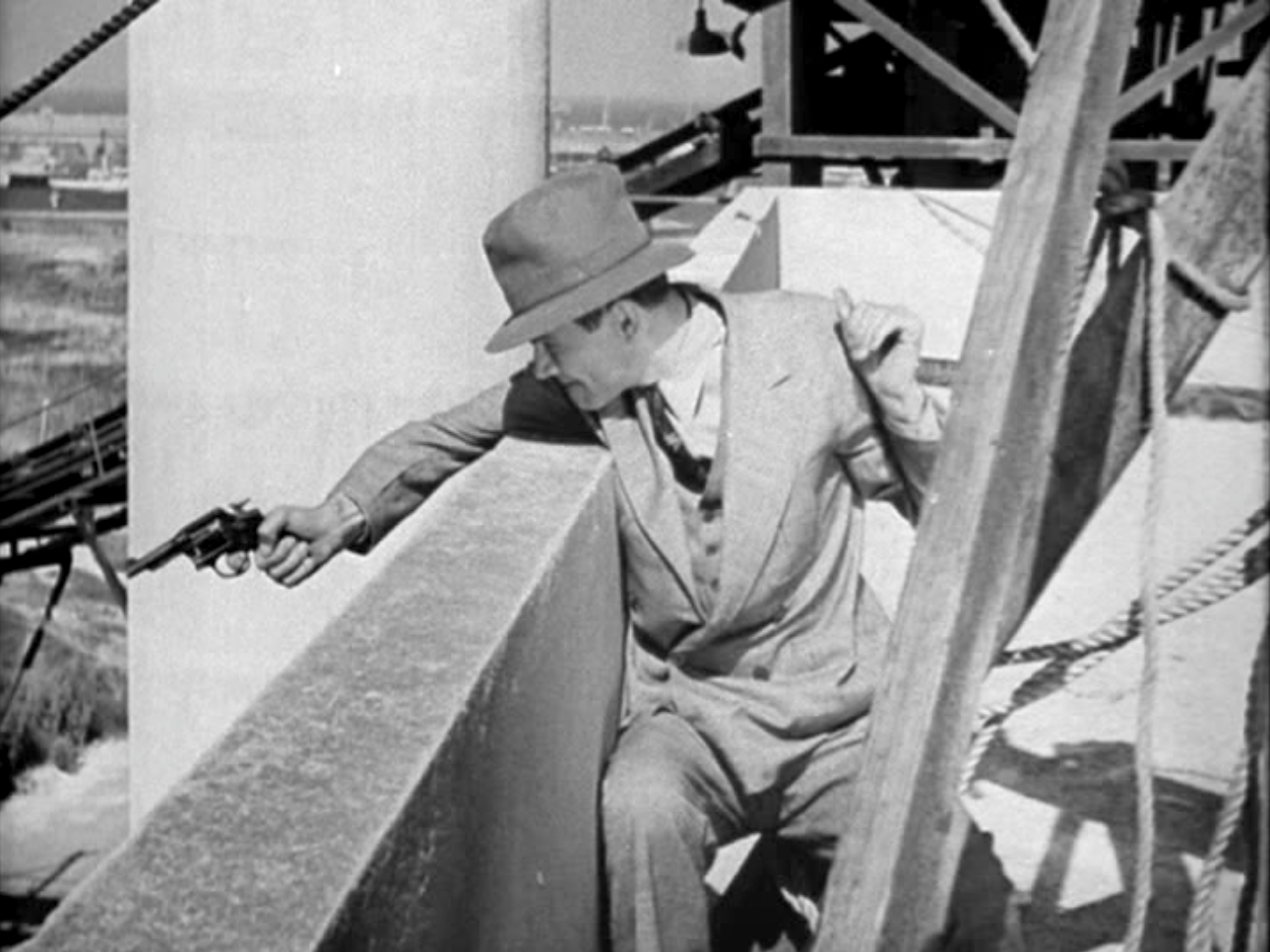
As the title character, Ralph Byrd is good-natured, sociable, but deadly serious when it comes down to it. And true to the comic strip, many of the clues the G-Men track down are of the mundane, forensic variety: dusting for fingerprints, tracing tire impressions, recovering serial numbers ground off of metal, and interviewing suspects. True, many of the leads Tracy and company follow up are arrived at by coincidence, and the serial doesn’t show the huge number of dead ends that usually crop up in investigation, and it’s awfully convenient that pretty much everything that happens in the serial is related to the Stark case, but by the standards of many other serials, it’s gritty realism.
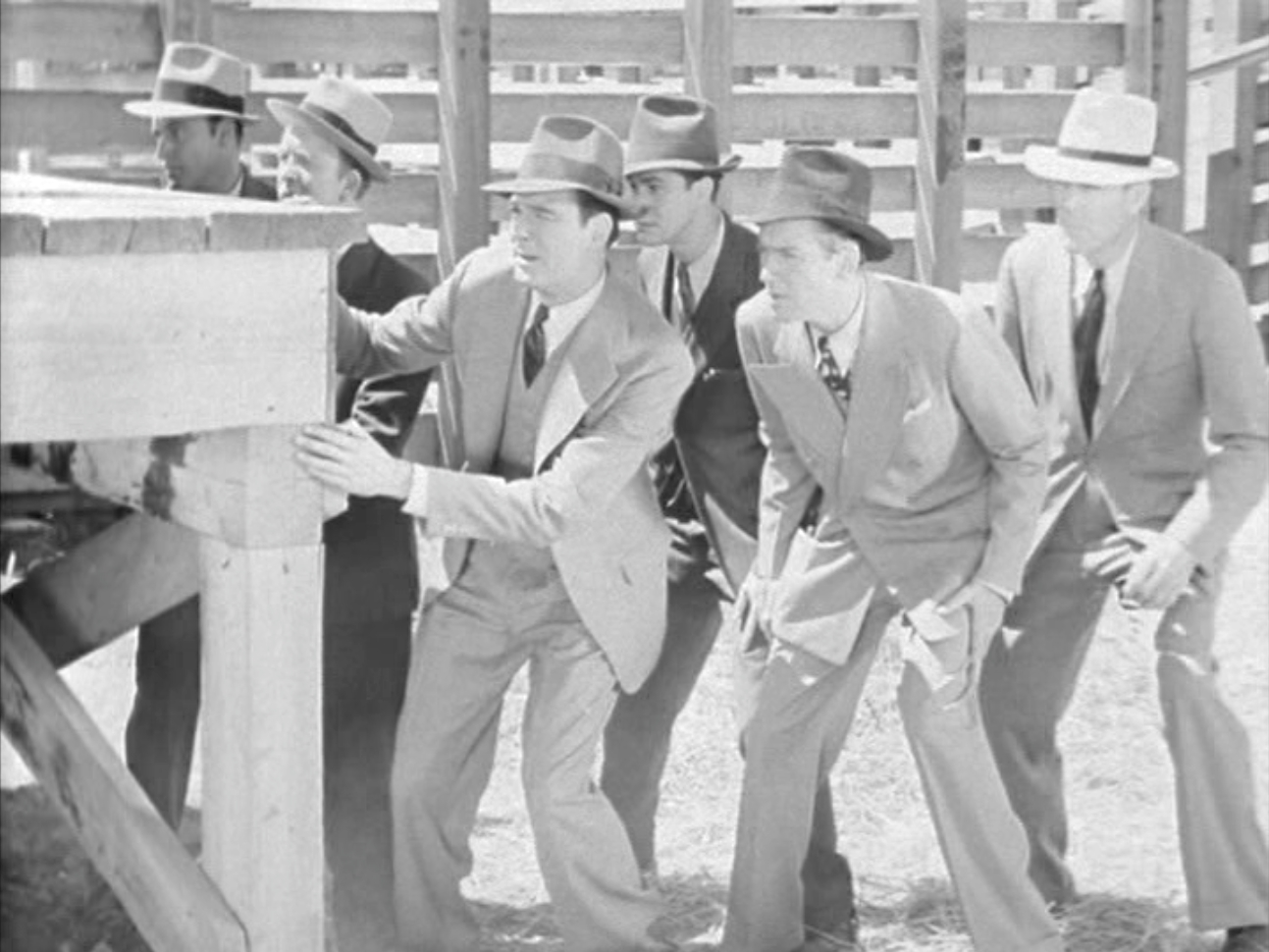
Lee Ford, who replaces Smiley Burnette as Mike McGurk, doesn’t really hit the comic relief notes as effectively as Burnette did. As cliché as the “funny fat man” role could be, and as stupid as Burnette’s clowning often was, Burnette played the role (like most of his comic roles) as essentially a grown-up kid, a well-meaning but innocent blowhard: in Dick Tracy (’37) the character is introduced trying to impress a group of children with his (imagined) football prowess, and the pranks Junior pulls on him are in part justified by McGurk’s attempts to pull rank on Junior. The fact that Junior is more capable than him, and they are essentially equals, is part of the joke. In Dick Tracy Returns, Ford’s McGurk is more pathetic than funny, the pratfalls even more pandering.

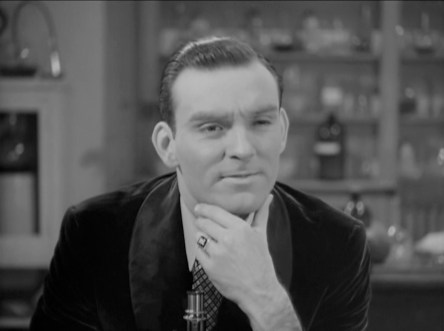
Where Dick Tracy Returns really soars is in its focus on the villain: Pa Stark, the patriarch of the criminal family (partially based on Ma Barker), is played by Charles Middleton, Ming the Merciless in the Flash Gordon serials and frequent serial heavy. Free of the ornate costume of Mongo and the aristocratic pretensions of some of his other roles, what is most striking is Middleton’s craggy face, and the directness of his character, free of fussy high-toned verbiage, stripped down to the essence: Pa Stark is mean and ruthless, and he doesn’t accept excuses or pussyfoot around. It’s the kind of characterization we might get today from James Cromwell or Liam Neeson, and like them Middleton’s Stark has a particular set of skills and woe to any who underestimate him.

Of special interest is this spin on the typical criminal mastermind: like many serial villains, Pa Stark works through underlings, but since they are his sons, there is a poignant sting when they are caught or killed, and since he works alongside them, he faces off against the G-Men and is nearly caught himself several times (distinctly unusual for a serial, but true to the comic strip). As the noose tightens around Stark, and his sons fall one by one, his motivation becomes focused on revenge against Dick Tracy. Stark may die, but he’ll take Tracy with him if it’s the last thing he does.
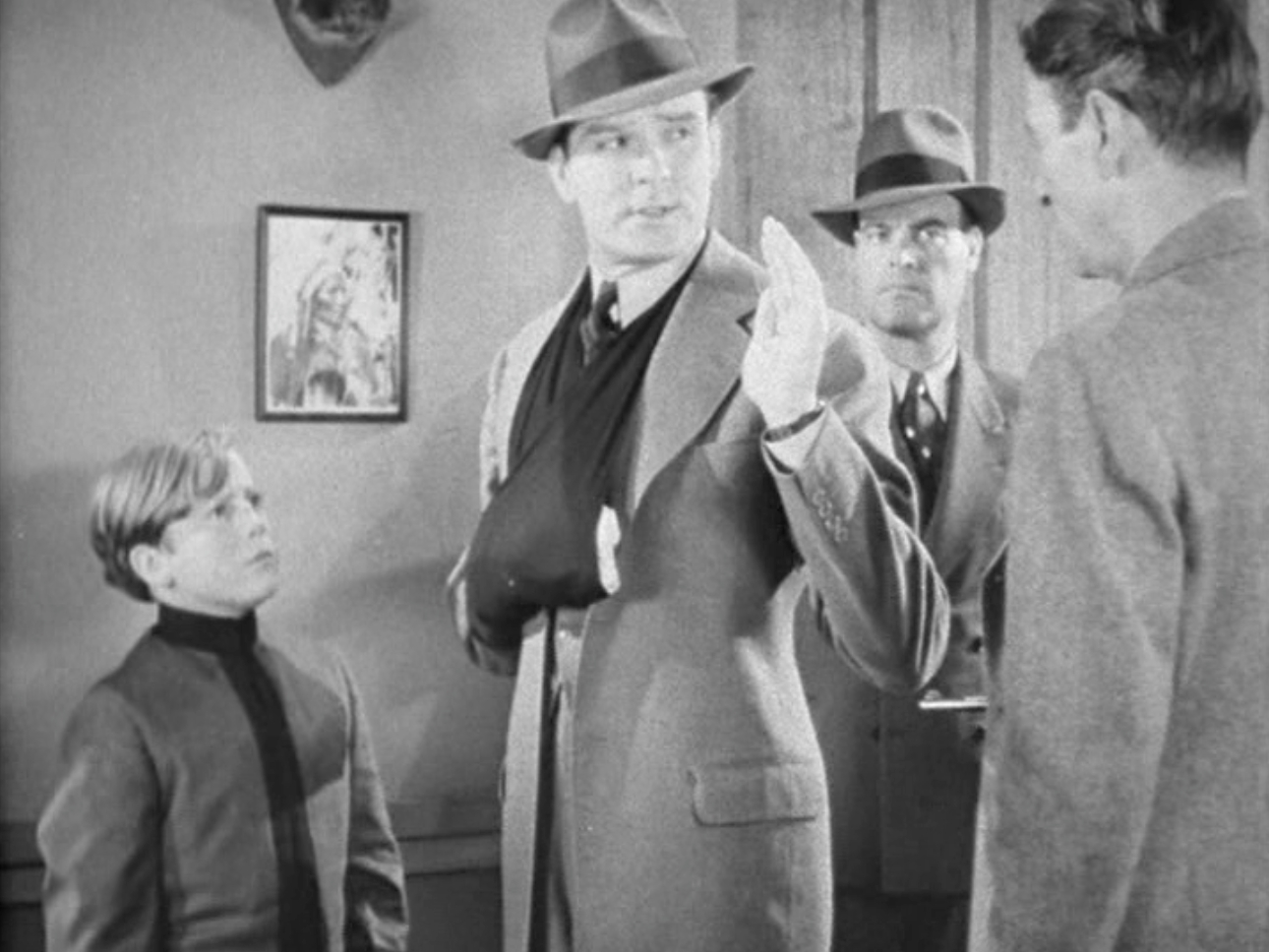
What I Watched: Dick Tracy’s Return (Republic, 1938)

Where I Watched It: Dick Tracy Complete Serial Collection from VCI Entertainment

No. of Chapters: 15

Best Chapter Title: “Four Seconds to Live” (Chapter Four)
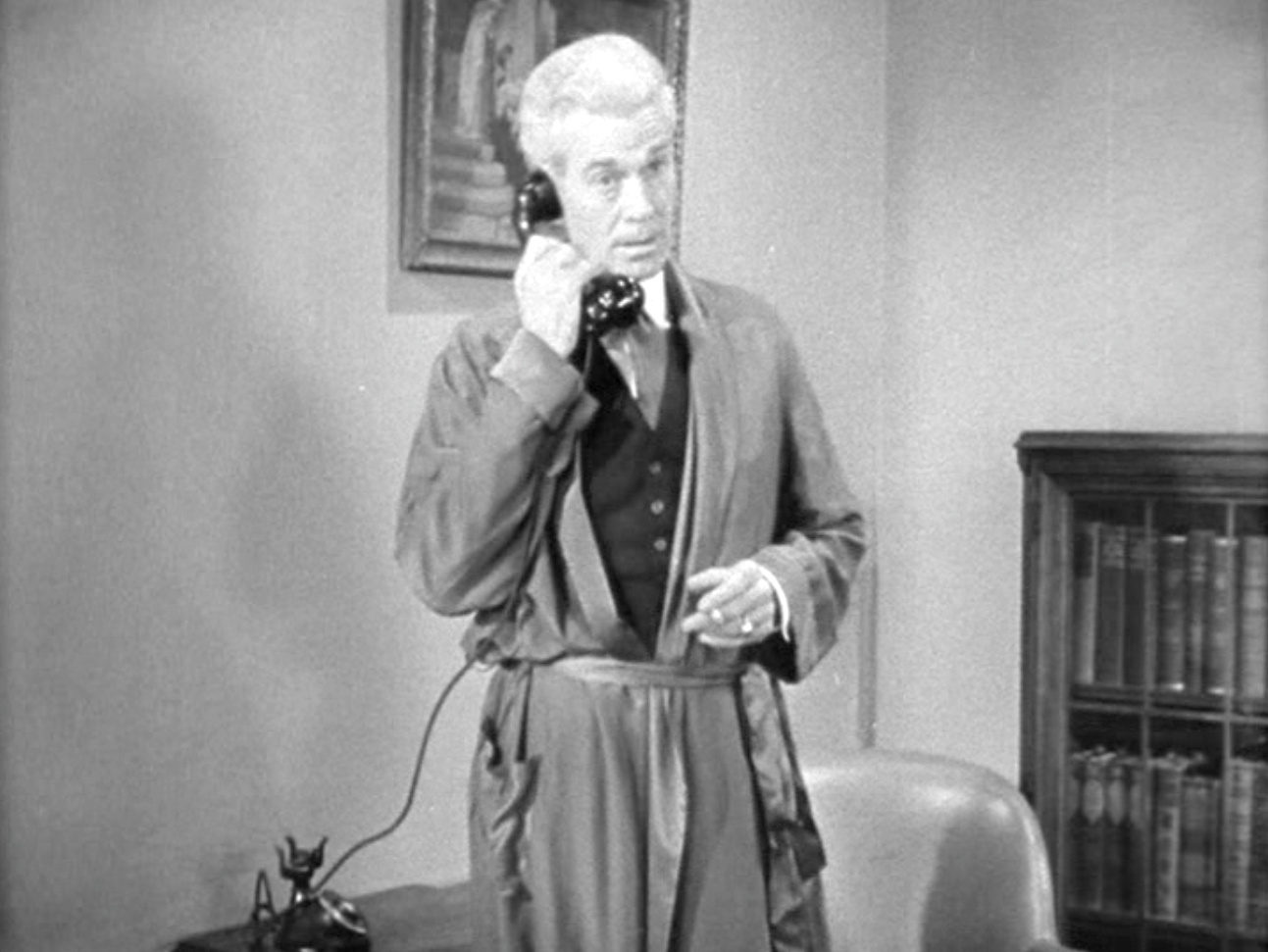
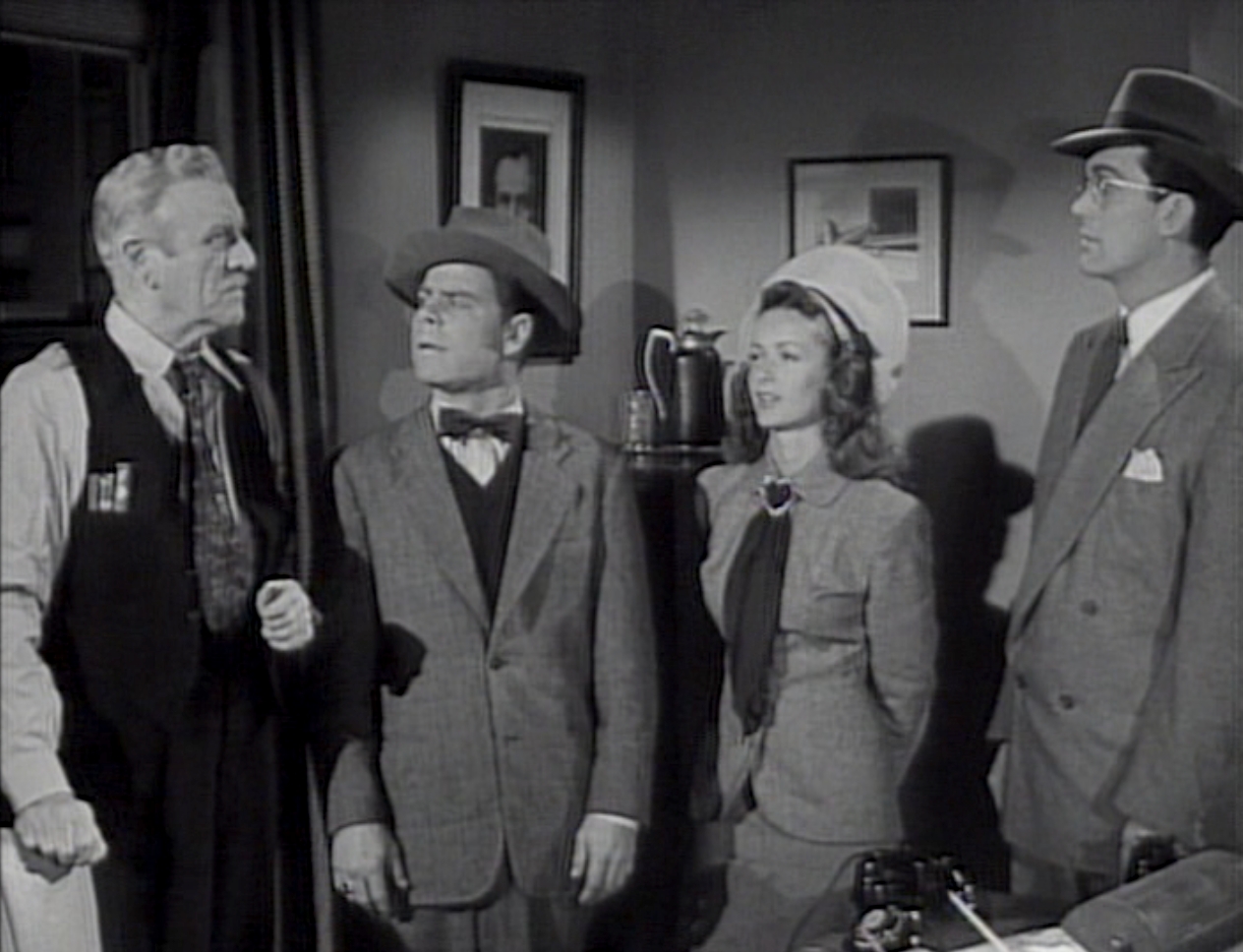
Best Cliffhanger: Chapter Nine, “The Clock of Doom,” is an unexceptional “economy chapter” (i.e. a recap using footage from earlier chapters), but the cliffhanger that ends it is so simple, and so satisfying, that it is easily my favorite. In the chapter, Dick Tracy meets with a group of civic leaders to allay their concerns that the Bureau isn’t doing everything it can to halt the Stark-led crime wave. Attracted by the publicity for the get-together, Pa Stark hires a killer whose face is unknown to Tracy or the Bureau, a smug prick dapper, meticulous fellow known only as “The Duke.” The Duke (Larry Steers) comes to the meeting as “Mr. Reeves” from the Phoenix Chamber of Commerce, just one of several interested parties. While Tracy describes the case and its challenges (the perfect opportunity for copious flashbacks to chapters two and three), the Duke activates the timer on a bomb hidden in his briefcase.

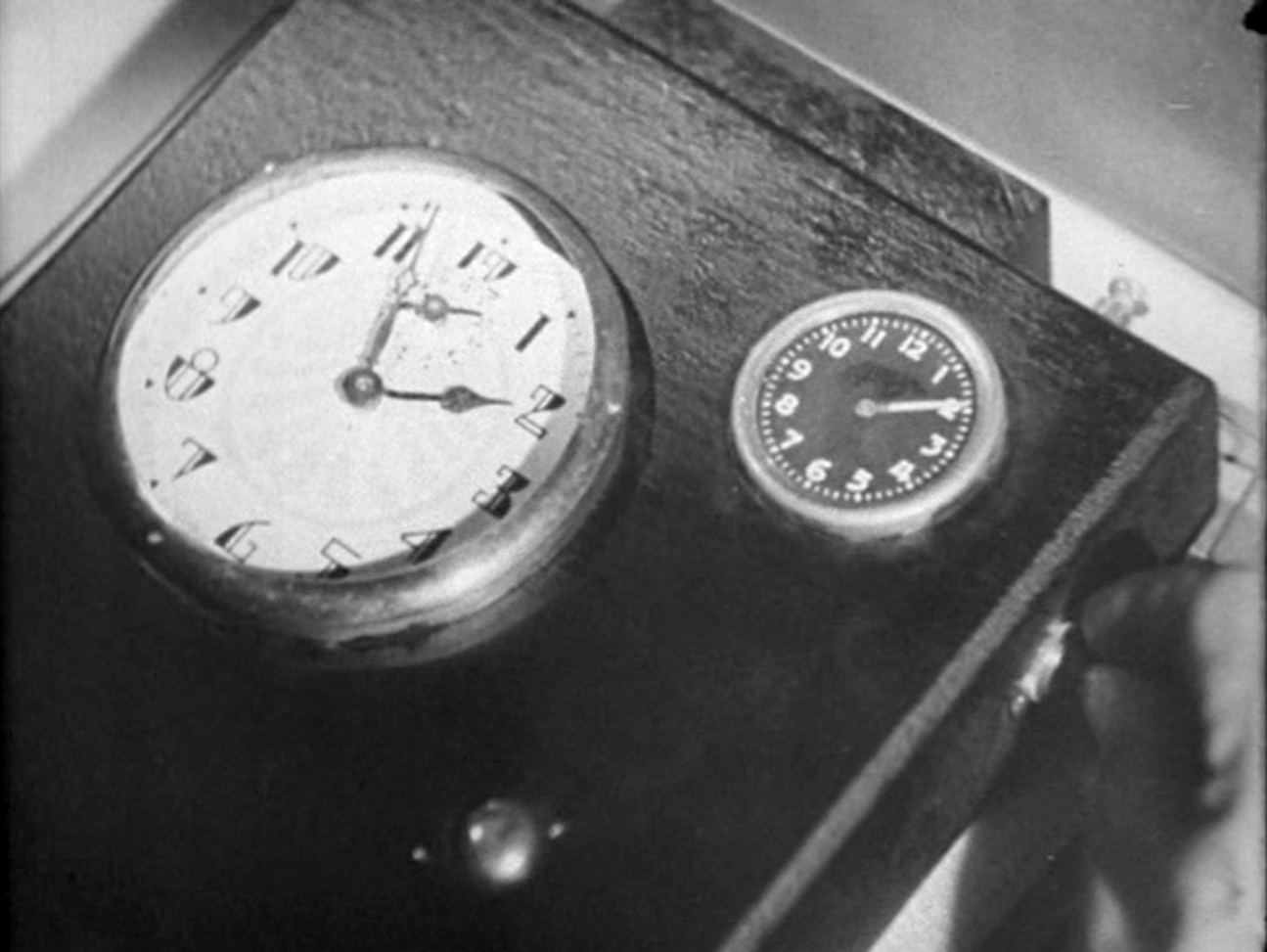
Soon, at Gwen’s summons, Tracy excuses himself to hear what she has to say: there is no Mr. Reeves on the Phoenix Chamber of Commerce! Tracy returns to his office to find that “Mr. Reeves” has been called away suddenly and has “accidentally” left his briefcase there, and that Junior, unaware of the danger, has picked it up and is attempting to return to its owner, even chasing the hit-man’s car down the street yelling “HEY, MISTER! WAIT!”
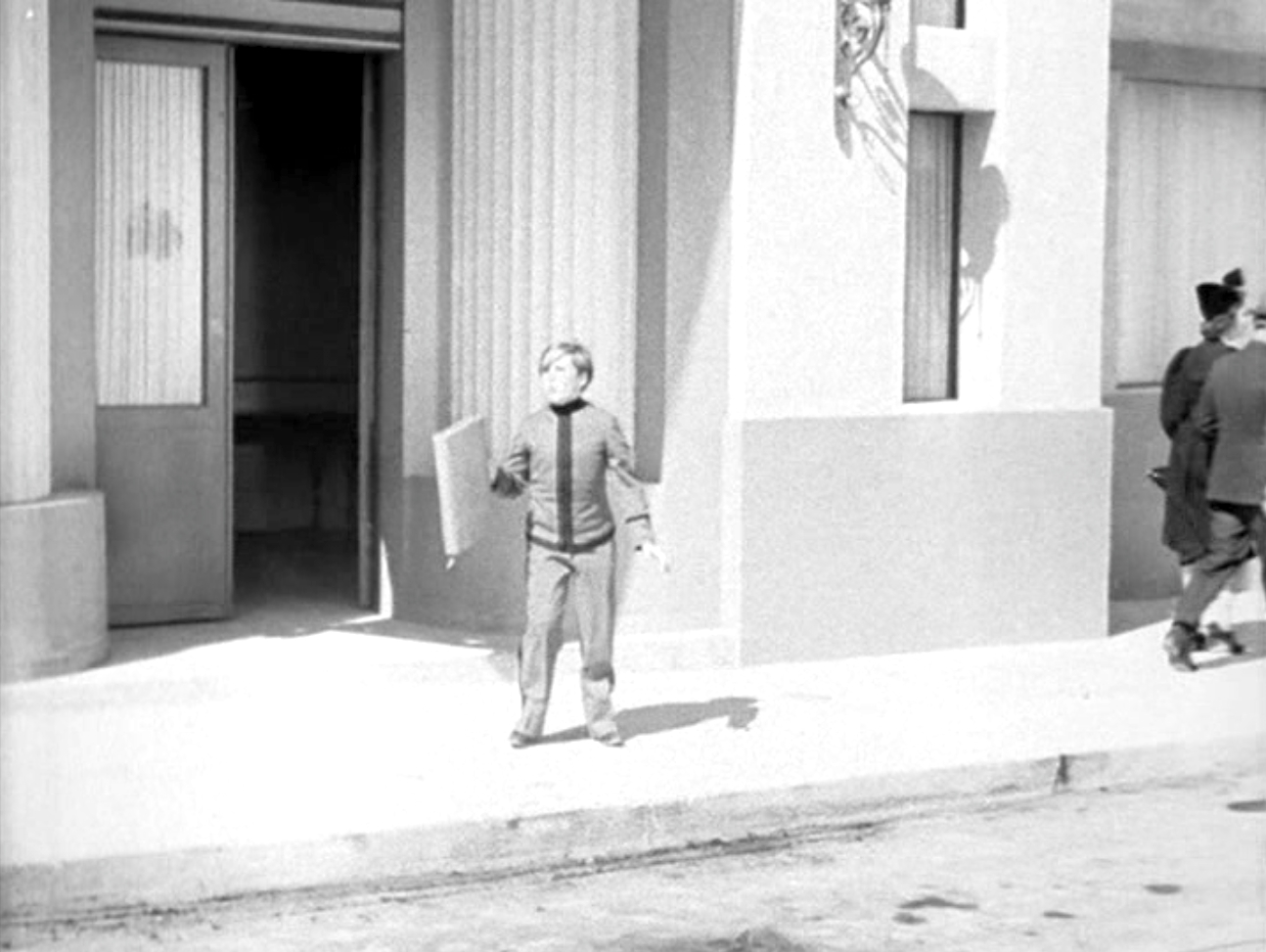
The last shot of the chapter shows Dick Tracy on the sidewalk, recoiling in horror as an explosion is heard from offscreen. Well, of course it’s obvious what happens, but that doesn’t make it any less satisfying: sure enough, as the next chapter begins, Junior flings the briefcase into the Duke’s car, seconds before it explodes, destroying the car and taking the Duke with him. It’s a well-deserved end to a somewhat less than foolproof plot, and the fact that Junior was just trying to help out that nice Mr. Reeves makes it all the more deliciously ironic.

Best Stark Son: Like any good gang, Pa Stark’s five adult sons come furnished with nicknames (Kid, Trigger, Dude, Slasher, and Champ) that telegraph their personalities (and to a lesser extent their criminal specialties). But which one steals the spotlight?
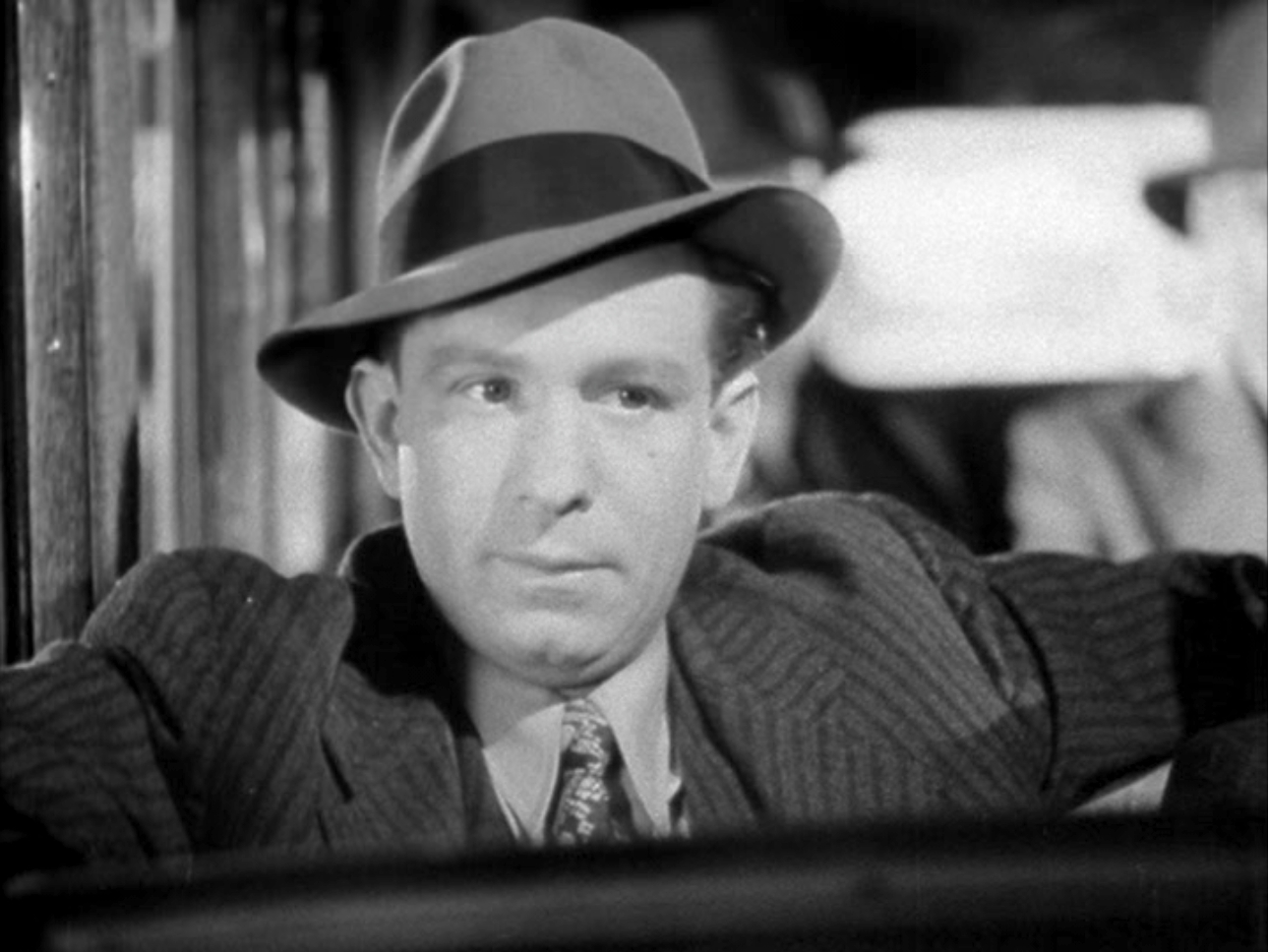
Although he is the first one eliminated, Kid Stark (Ned Glass) has the most clearly defined personality, combining swagger and snottiness (and a near-Bugs Bunny Brooklyn accent none of the other brothers share) like a serial-budget Jimmy Cagney. After the Starks plug Ron Merton during the armored car holdup, the Kid goes back to the scene of the crime to make sure the job is finished, holding an innocent cab driver at gunpoint. Chased by Dick Tracy, the cab crashes, and when Tracy pulls up to the accident scene, Kid has the balls to pretend that he was merely an onlooker. “Worst one I ever seen. . . . Poor fellas, they never had a chance,” he says, holding his arm in hopes that Tracy won’t notice how battered he is. But with a broken ankle the Kid is in no shape to run away, and he is promptly arrested. The Starks gamely make an attempt to secure the Kid’s release, but (in a montage of newspaper headlines) he’s tried and sentenced to die before the second chapter is even over. R.I.P. Kid Stark

Sample Dialogue: “Your real teachers are the criminals you’re going to run into from now on. They’ll chalk up a lesson every time you meet them. If you don’t pass . . . curtains.” –Dick Tracy to Ron Merton, Chapter One (“The Sky Wreckers”)

What Others Have Said:Dick Tracy Returns was a more polished serial than its predecessor, because it was made a crucial year after Dick Tracy, and primarily due to the directing team of William Witney and John English. It provided much action that could be later reused in the further serial adventures of Dick Tracy. Its main drawback was in the use of economy chapters.” (see above) –Jim Harmon and Donald F. Glut, The Great Movie Serials: Their Sound and Fury

What’s Next: I return to the city of Metropolis with the 1950 superhero epic Atom Man vs. Superman!
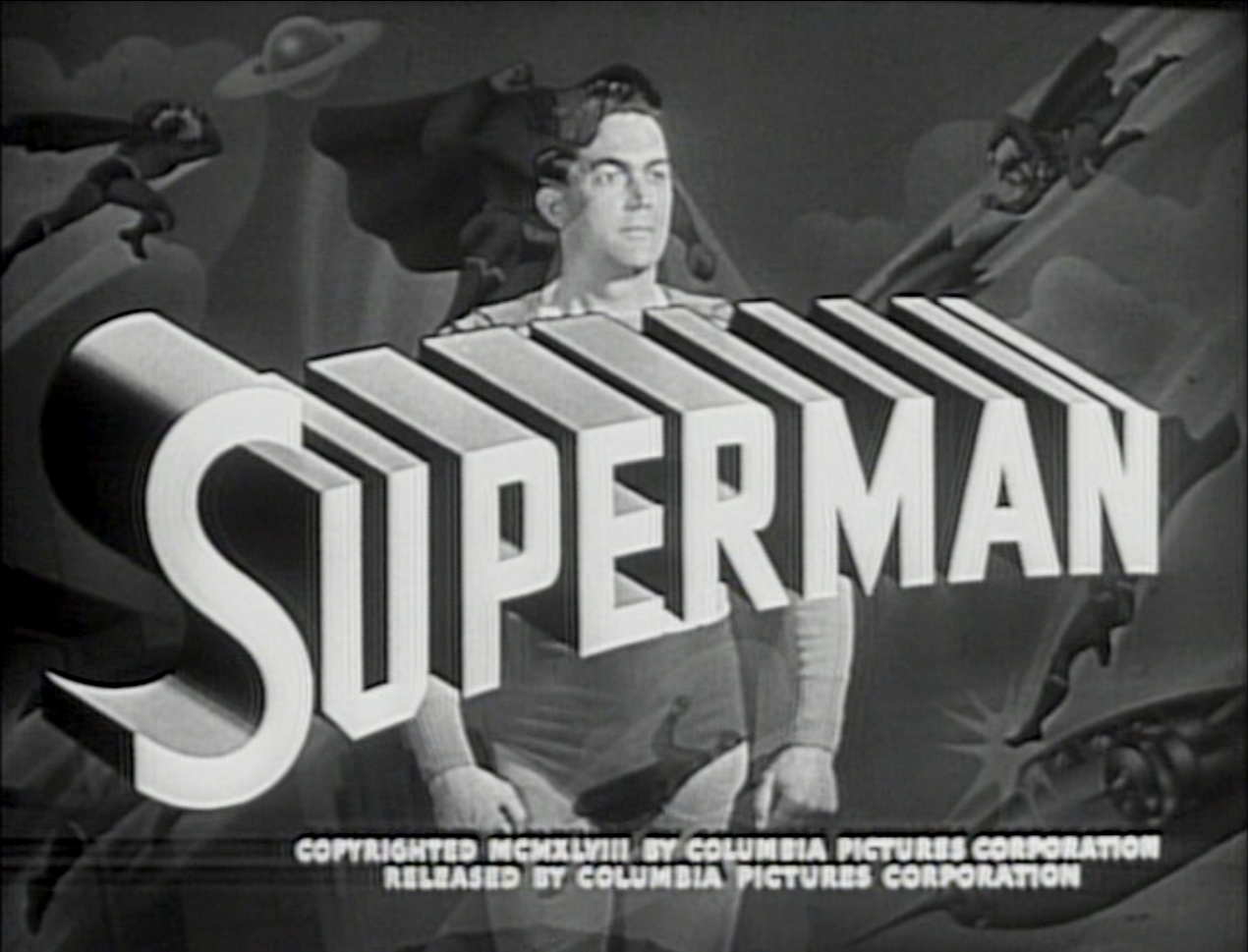
Fates Worse Than Death: Superman (1948)

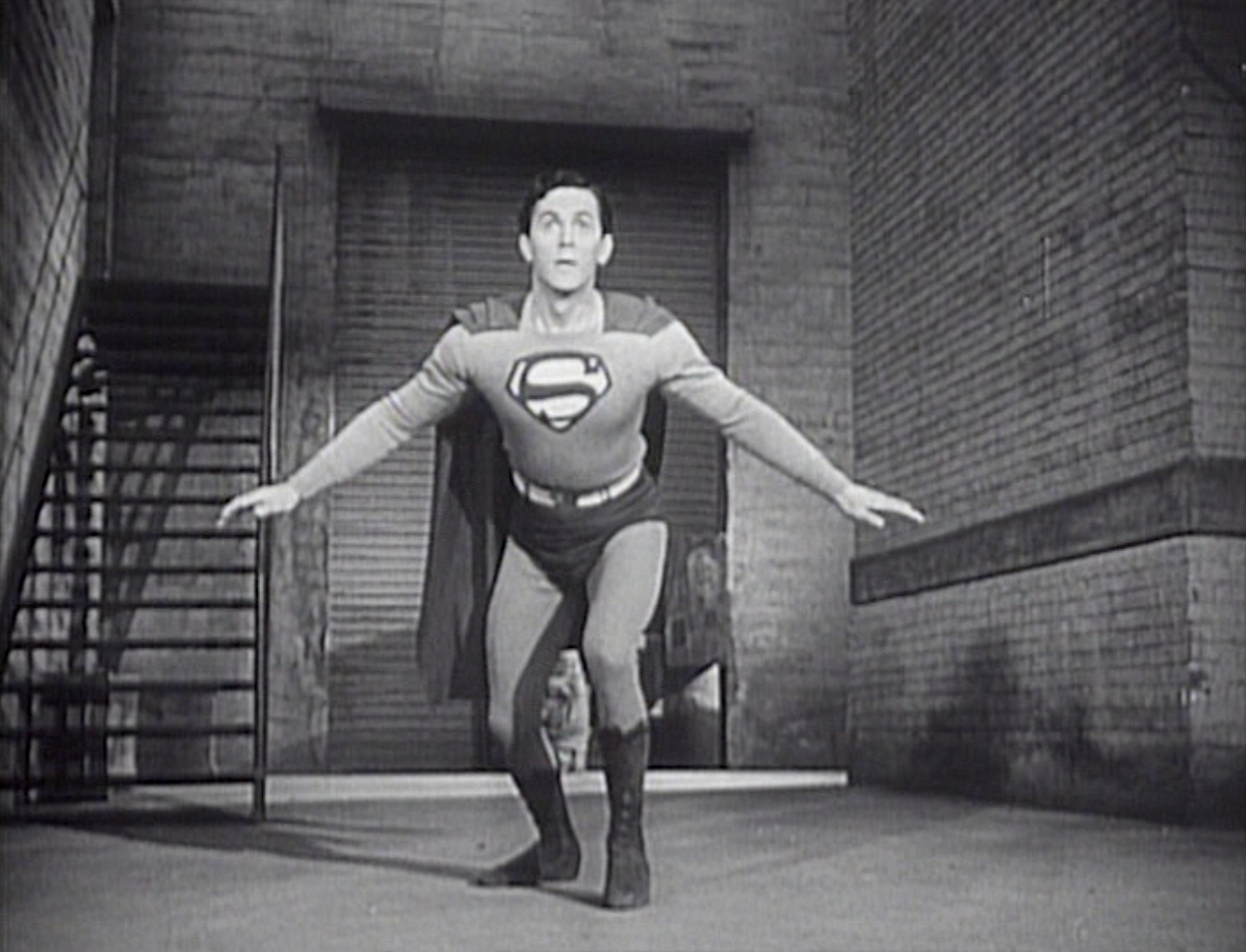
Unlike many of the costumed heroes who made the leap to serials, not only does Superman not need an introduction, but the 1948 Columbia serial bearing his name is remarkably faithful to the comic books in which he regularly appeared. Any modern reader or viewer should recognize the character’s origin, set forth in the first chapter, “Superman Comes to Earth”: on the faraway planet Krypton, scientist Jor-El attempts to convince the ruling council that the planet is doomed, a victim of gravitational forces that will soon lead to its complete destruction. Unable to convince them, Jor-El places his infant son Kal-El in a test rocket and launches him to Earth, just before the planet explodes. After landing in a rural part of America (not yet “Smallville”) on Earth, baby Kal-El is adopted and raised by the Kents, a childless couple who instill in their adopted son “Clark” a sense of justice and fair play, even as he develops superhuman strength and incredible abilities. Chapter One ends with Clark Kent on his way to Metropolis to use his powers for the good of mankind.

Also unlike some other serial heroes, Superman wasn’t the character’s first representation outside of comics. Since the first publication of Jerry Siegel and Joe Shuster’s creation in Action Comics no. 1 in 1938, Superman had been a best-selling comic book and newspaper strip character; headlined a radio show (since 1940); and appeared in animated shorts (seventeen cartoons from Fleischer and Famous Studios between 1941 and 1943). It would have been hard to find even a casual follower of popular fiction who didn’t know who Superman was, and that above all may have encouraged producer Sam Katzman to stick to the established mythology. That meant not only keeping Superman’s origin the same, but keeping him at the Daily Planet with Lois Lane, Perry White, and Jimmy Olsen (who first appeared as a named character on the radio show in 1940), rather than creating a new cast of characters. It also meant including Kryptonite (introduced on the radio in 1943 and the comics only in 1947), the fragments of Superman’s exploded home planet, the radiation of which was the one force on Earth that could weaken him.

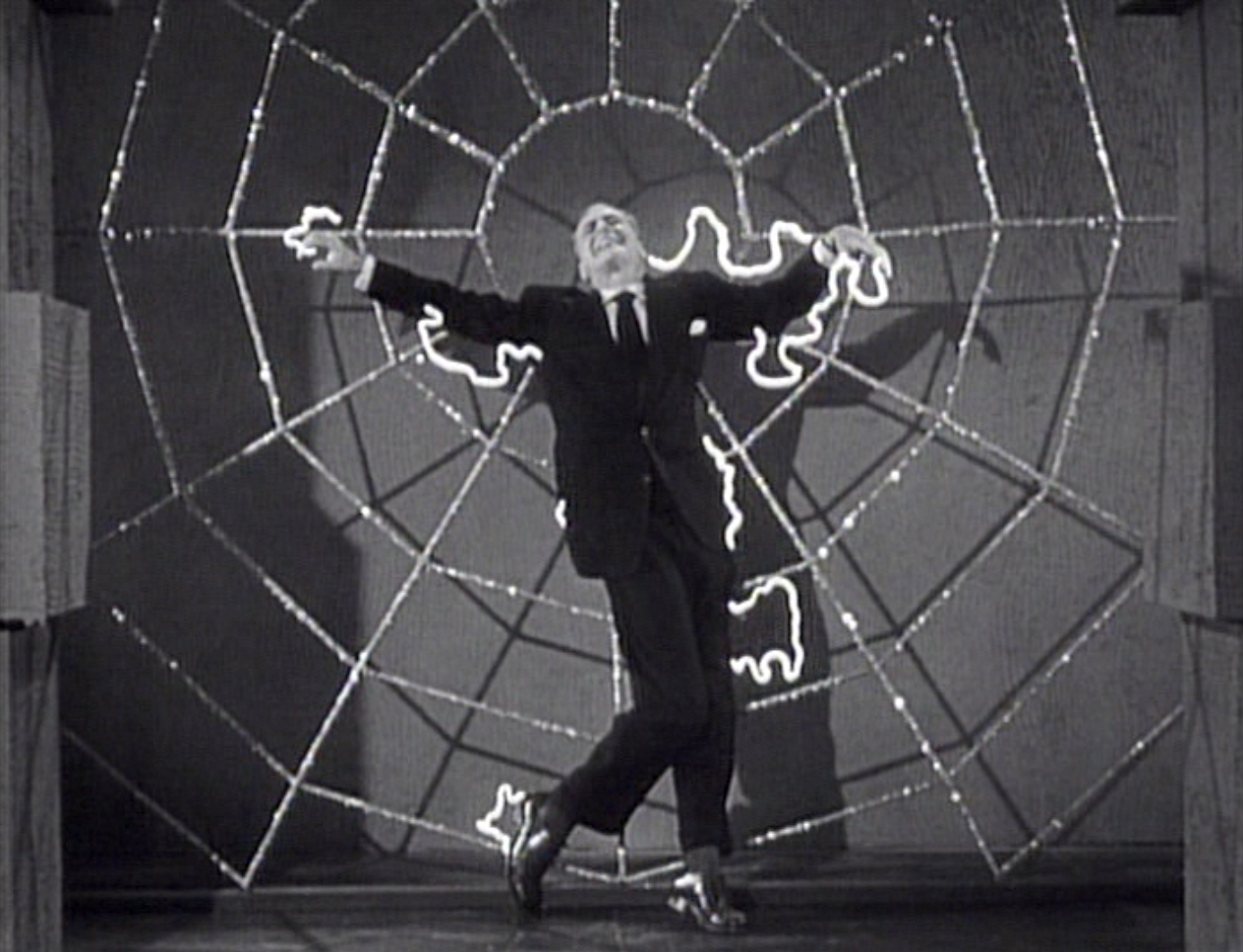
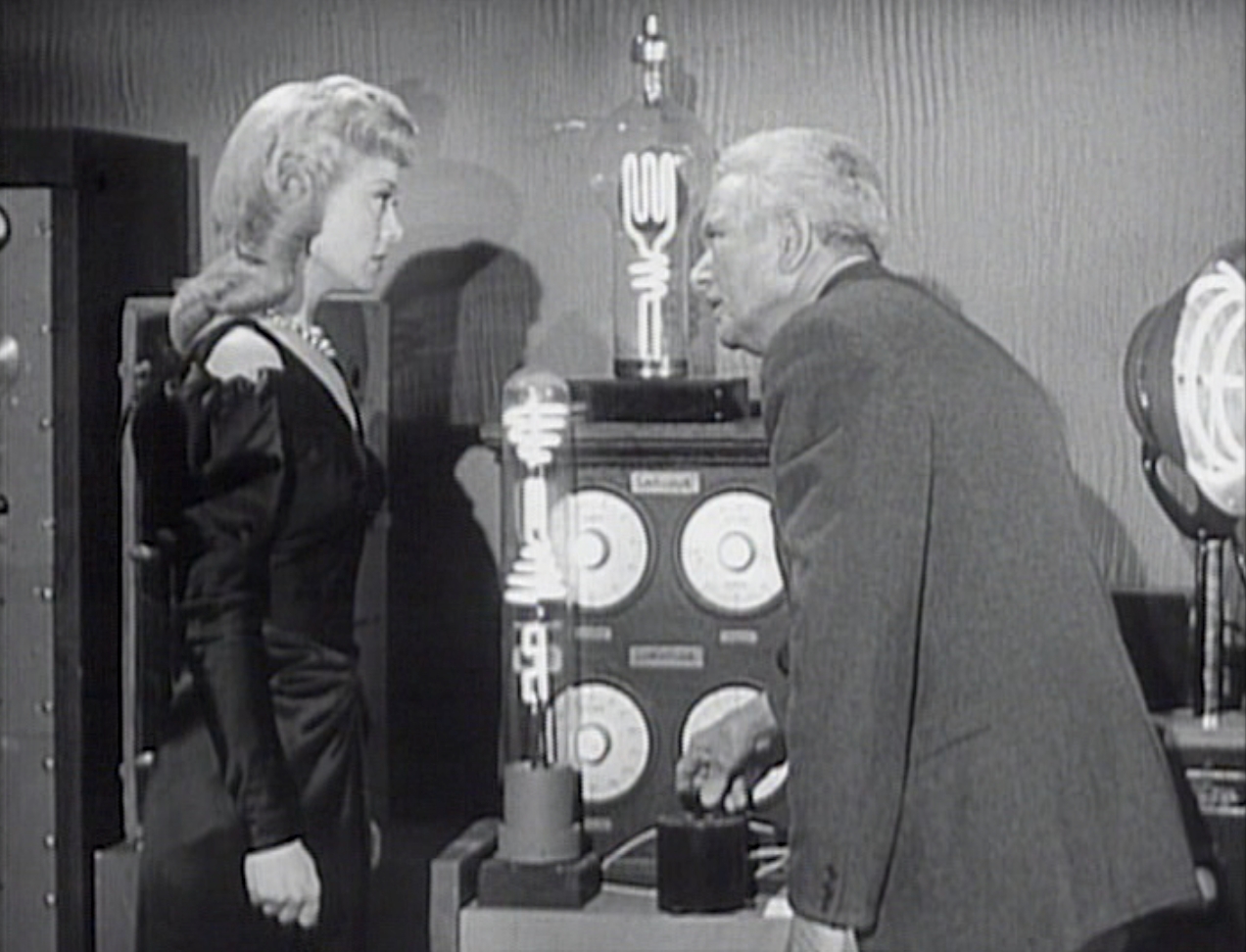
There were still some differences, however, most notably the serial’s choice of villain: the Spider Lady, a blonde woman in a black evening gown and domino mask, is very much within the serial tradition: she has no origin or backstory, no powers of her own, and her persona is “criminal mastermind, but slightly vampier.” (Superman’s archenemy Lex Luthor would appear in the following serial, 1950’s Atom Man vs. Superman.) More importantly, she holds off on direct confrontations with Superman, prolonging the story by working through her agents, fedora-wearing henchmen with names like Driller and Brock. They may be caught, but she continues her evil work until the last chapter and her inevitable comeuppance. Like her namesake, she sits at the center of a web (literally–the web is an important backdrop of her scenes, and it proves to be electrified, a fitting method of punishing underlings who fail her), plotting and scheming.

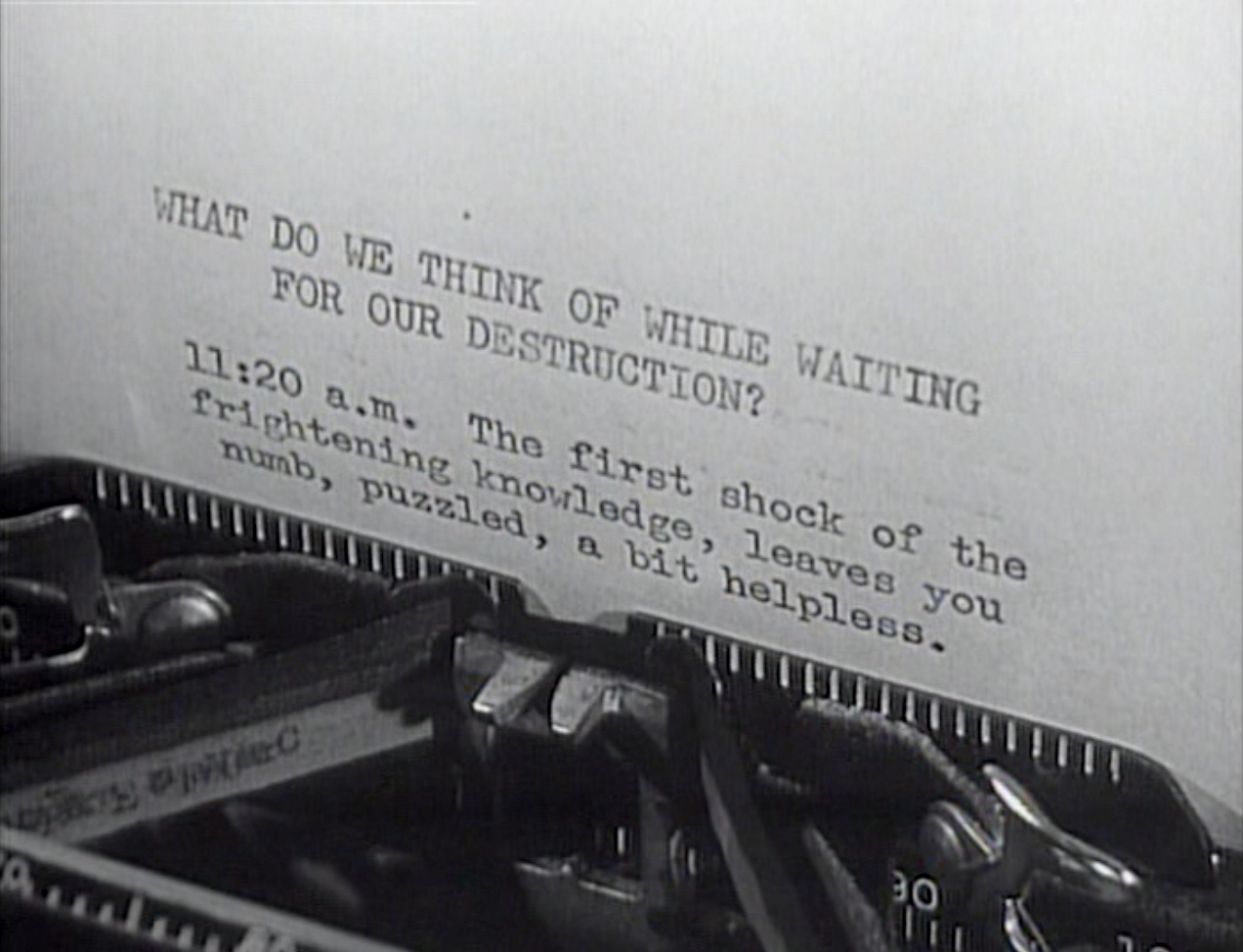
Also true to the serial style is the macguffin, a sort of death ray called the Relativity Reducer Ray, developed for the government by Professor Graham, guarded by Superman (so it doesn’t “fall into the wrong hands”), and coveted by the Spider Lady. Described as more powerful than the atomic bomb, the Reducer Ray deals death by remote control: in Chapter Three, which introduces both the Ray and the Spider Lady, a test demonstrates its ability to destroy buildings at a distance by feeding coordinates into its internal computing mechanism. The Ray provides plenty of plot possibilities, whether it’s the Spider Lady’s attempts to stop the test; her attempts to steal, and later copy, the Ray; her kidnapping and later mind-control of the Ray’s inventor, Professor Graham; and her use of it to threaten the Daily Planet itself once she has a functioning copy.

Lois Lane: Poet of the Apocalypse

Finally, the Spider Lady has her own scientist, Dr. Hackett (Charles Quigley), described as “brilliant” but “with a warped mind,” whom she breaks out of jail to aid her; what his previous crimes were is never stated, but he proves to be an ambitious, treacherous character, and his alliance with his patroness an uneasy one. All of these elements serve to provide exciting, varied episodes of action and suspense, many of them based on classic serial premises (e.g., there are mine cave-ins and car chases, and Lois and Jimmy get tied up more than once), but each connected to the central threat of the Spider Lady and enlivened by clever plotting and witty dialogue.

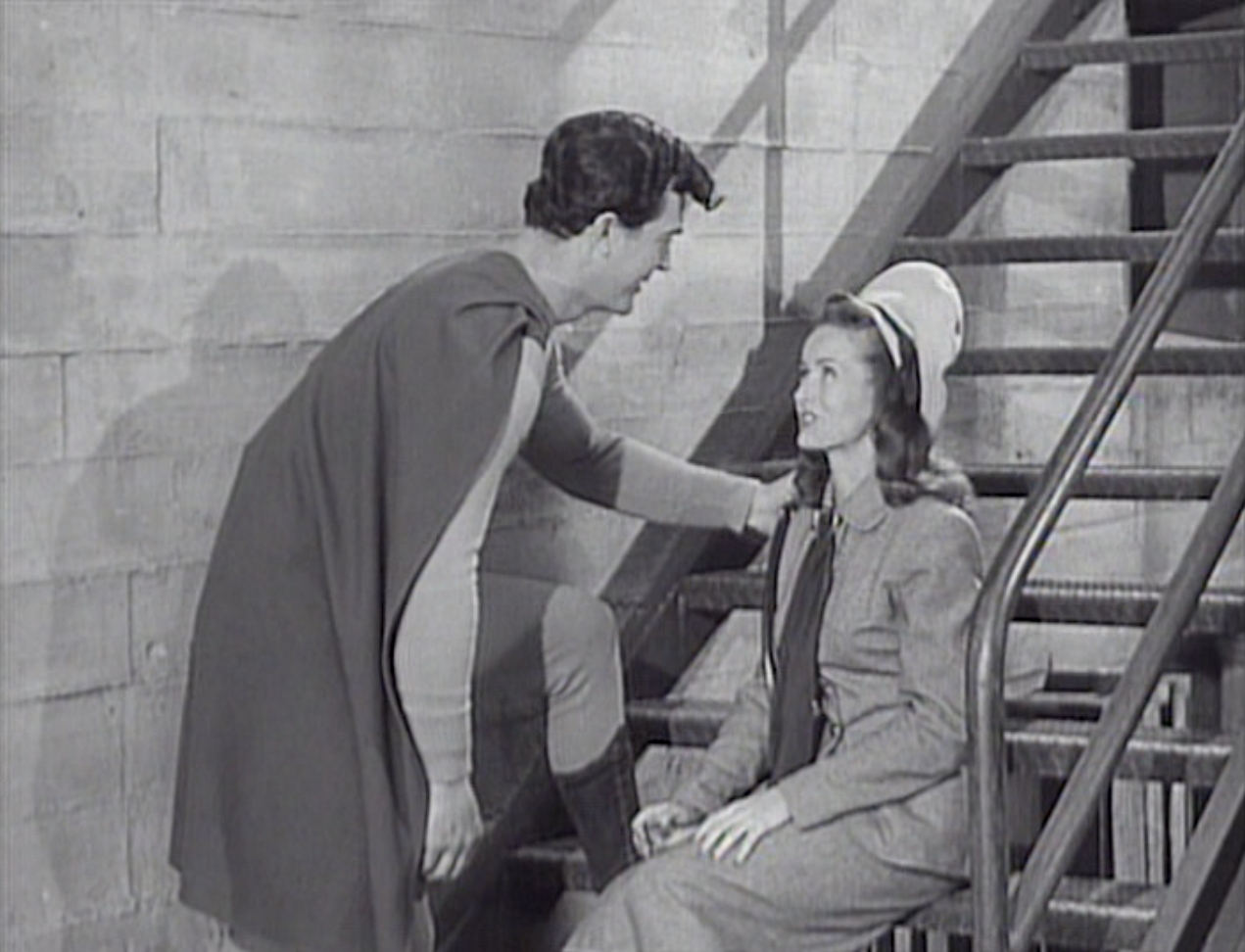
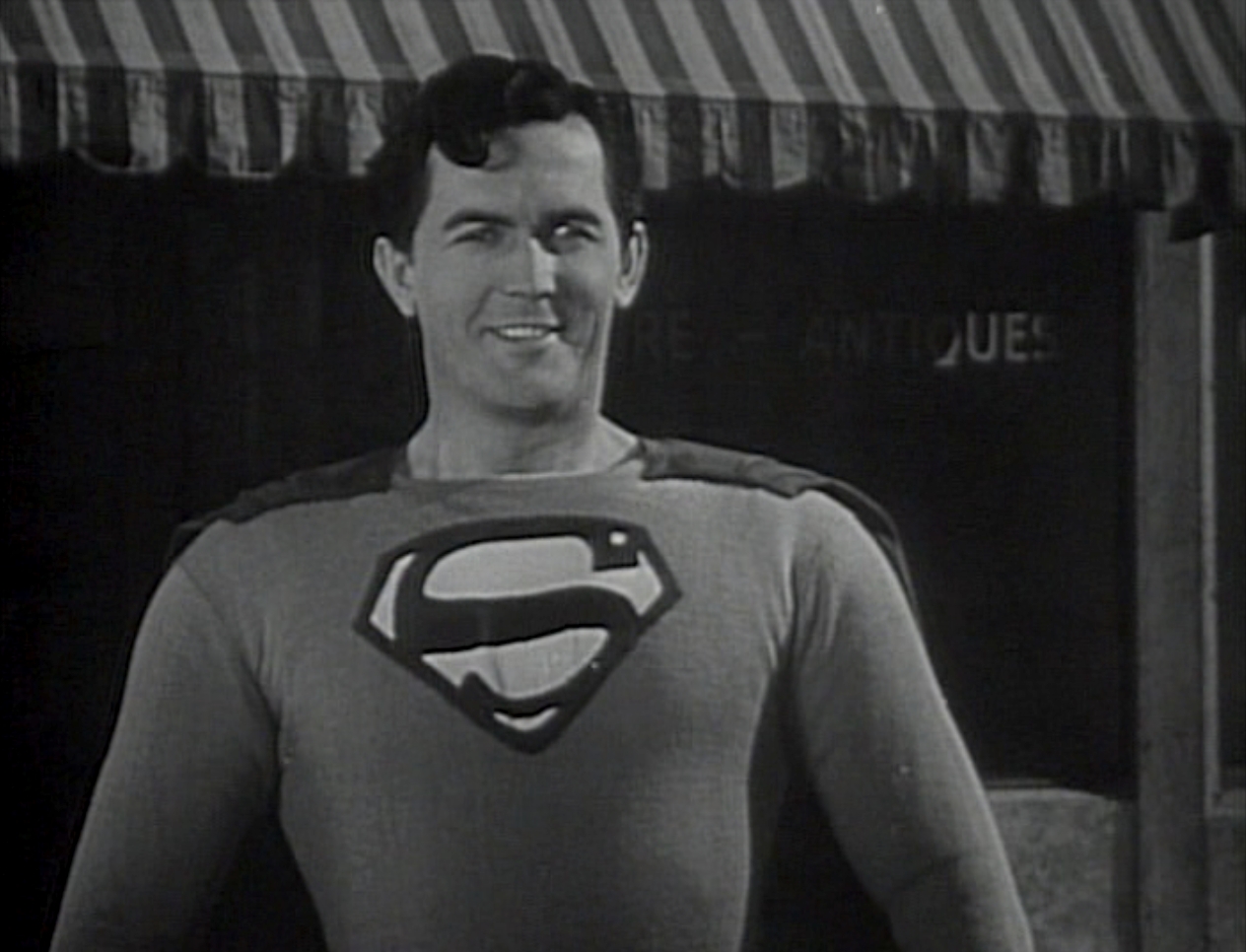
Superman is played by Kirk Alyn (although not according to the title credits: Columbia’s marketers claimed that no actor could be found to convincingly portray the Man of Steel, so they simply got the real thing), who would go on to headline several more serials. Alyn mostly strikes a note of hearty good cheer and optimism as the hero (even when banging two gangsters’ heads together to knock them out he jokes “Sometimes I don’t know my own strength!”), and his Clark Kent is amusingly sketchy. In Chapter Two, Clark essentially gets his position on the Planet (with no prior experience or references) by scooping Lois, and throughout the serial she snipes at him for what she perceives as underhanded maneuvering (she gets her own back a few times as well). She rightly suspects that Clark is simply playing dumb when conversation turns to Superman and his tendency to show up when he’s gone, but she never suspects the truth.

Although Clark’s coworkers chide him for his tendency to duck out when trouble is brewing, Alyn makes this foible seem like the product of bumbling rather than cowardice (and of course, we in the audience know what he’s really up to). Through a variety of special effects, including undercranking (to depict Superman’s super-speed), double exposure (for X-ray vision), and hand-drawn animation for flying sequences, just about all of Superman’s established powers come into play during the story. And of course, the serial format guarantees that he’ll appear in costume at least once in every chapter, whether it’s to laugh off a gangster’s bullets (depicted bouncing off Superman’s chest, again with animation), stop a fire by blowing it out with his super breath, or to catch a flying shell and boomerang it back toward the gun that fired it. Superman even uses his X-ray vision to see through a disguise while looking at a photograph–quite a feat, even for him. Alyn distinguishes Clark from Superman with his voice as well, using a light, wishy-washy tone for Clark and a deeper chest voice for Superman, a transformation made audible (in imitation of the radio serial) every time Clark Kent in voice over says, “This looks like a job for [sudden drop to chest voice] SUPERMAN!”

Noel Neill (who passed away just last year) imbues Lois Lane with the brassy, no-nonsense quality the character had absorbed during the war years, inspired by His Girl Friday and the like (and which would largely be domesticated in the coming 1950s). The frequently-depicted romantic triangle between Clark, Lois, and Superman is absent in the serial, but is replaced by a professional rivalry; as mentioned, Lois takes potshots at Clark mercilessly (“What now, little man?” is a typical gibe), but it’s an understandable attitude when she is frequently consigned to writing “women’s stories” about recipes or fashion while Clark gets the headlines.

In addition to driving the plot, the tension between the pair is a natural source of comedy, with Perry White (Pierre Watkin)and Jimmy Olsen (Tommy Bond, formerly Butch in the Our Gang shorts) also contributing to the quippy, fast-paced scenes. (As an aside, it’s nice to have a humorous tone carried by dialogue and situation, rather than a single “comic relief” character, as in the Republic formula.)

As the Spider Lady, Carol Forman is a haughty, imperious villainess in the classic style. She doesn’t do much, but preening and pontificating are enough for this type of character: other than her electrified web, it appears to be the power of her will and ruthless pursuit of her goals alone that keep her underlings in line. There is one scene, however, probably meant as a throwaway, that deepens the character’s mystery: in Chapter Nine (“Irresistible Force!”), the only time in the serial that the Spider Lady leaves her lair, she goes to the airport disguised as Lois Lane to trick Professor Graham, the Reducer Ray’s inventor, into accompanying her. Throughout the serial, the Spider Lady has been a blonde, but in preparing to disguise herself, she removes a blonde wig to reveal a head of dark hair.

At no other time is it even suggested that she is wearing a disguise, and she’s a blonde for the rest of the serial. Visually, the Spider Lady (whom Harmon and Glut in The Great Movie Serials describe as “faintly foreign” in appearance) changes from a Veronica Lake type to a more fitting Myrna Loy type, perhaps revealing her true colors. (Or perhaps it’s nothing more than an inside joke: Forman was naturally a brunette, and had played another spider-themed villainess for Superman director Spencer Bennet the year before in The Black Widow. Forman didn’t want to be typecast as a villain, but she played several in the serials.) Serials didn’t generally go in for the duality of hero and villain, but when you have a blank slate of a character like the Spider Lady, any suggestion of depth, however subtle, makes an impression. As Clark Kent would be the first to acknowledge, sometimes it’s the appearance you wear every day that is the real disguise.

What I Watched: Superman (Columbia, 1948)

Where I Watched It: Superman: The Theatrical Serials Collection, a 4-DVD set from DC/Warner Home Video

No. of Chapters: 15

Best Chapter Title: “Superman to the Rescue” (Chapter Eight)

Best Cliffhanger: Superman features many good cliffhangers, including some classics, such as the car speeding off a cliff, and an unconscious victim placed on a conveyor belt, headed toward doom, among others. Wisely, once Superman’s invulnerability is established in the first few chapters, the filmmakers don’t try to convince us that the Man of Steel is going to be killed by something as pedestrian as a gunshot or an explosion, and the only cliffhangers that leave his fate in doubt involve Kryptonite. Rather, it’s Superman’s friends who face peril at the end of each chapter, the question being whether Superman will get there in time to rescue them (a few chapters end with Superman entangled in some other problem that will presumably leave him unavailable) or if they will find their own way out of the danger. (In the examples I mentioned above, it’s Lois Lane in the speeding car and Jimmy Olsen on the conveyor belt; at the end of another chapter, Perry White is thrown out the window of his office, hanging onto the ledge by his fingertips.)

At the end of Chapter Fourteen (“Superman at Bay”), the Spider Lady has finally gotten Professor Graham’s Reducer Ray working, and to test it she has the Professor aim its destructive force at the corner of the jail in which her henchman Anton and Dr. Hackett are being held (she will demonstrate the ray’s power and eliminate some “useless people” at one stroke). Unbeknownst to her (not that it would make any difference), Lois Lane is visiting the two inmates at the jail in hopes of persuading them to talk, and she is present when the power of the ray manifests in the form of an intense glow. An explosion ends the chapter. (At the beginning of Chapter Fifteen, Superman, having overheard the Spider Lady’s instructions, flies to the jail to swoop in and carry Lois to safety, leaving Hackett and the other inmates to suck eggs, I guess. A newspaper headline following the incident notes “Many Prisoners Killed.” They don’t get top billing, though.)

The Annie Wilkes Award for Most Blatant Cheat: The resolution to the cliffhanger I described above involves a bit of a cheat, but the winner is the cliffhanger that ends Chapter Eleven (“Superman’s Dilemma”) and its resolution. Chapter Eleven focuses on “mono-chromite,” a secret ingredient needed for the Reducer Ray, and the lengths to which the Spider Lady’s henchmen go to obtain it. Two of the Spider Lady’s operatives show up at a chemical engineer’s office demanding mono-chromite. Since it’s a restricted material, the engineer puts the men off and contacts Perry White. Lois gets the jump on Clark by telling him to take her car and then reporting it stolen, so that Clark is picked up by the police and taken to jail: there may not be a jail built that can hold Superman, but he can’t afford to jeopardize his secret identity by breaking out or overpowering a policeman! In the mean time, Lois and Jimmy get to the engineer’s office and conceive a plan: Jimmy hides in a packing crate marked “mono-chromite” so that when the Spider Lady’s men pick it up, he’ll be taken straight to her lair! Unfortunately, when the crate comes open during the drive back, the drivers get suspicious and stop to check on it. One of the thugs sees Jimmy’s fingers closing the crate, so he and the other henchman open fire and shoot the crate full of holes.

But wait! As the next chapter begins, we see Clark Kent in his jail cell change into Superman. He bundles up Clark Kent’s clothing under the blanket on his bunk to hide his disappearance and, bending the bars on the window easily, flies off to rescue Jimmy. Not only does he know exactly where to find his pal (Jimmy doesn’t yet have his famous signal watch in this serial, but Superman finds him anyway), he has time to take his place in the crate, so that when the driver begins shooting (and it’s only one henchman shooting in this chapter, not both as in the previous cliffhanger), the bullets bounce harmlessly off him. After knocking out the gangsters and tying them up at super-speed, Superman flies back to the jail and resumes Clark Kent’s identity, just in time for the jailer to let him out, having confirmed his identity from Perry White. Whew! It’s all in a day’s work for (sudden basso profundo) Superman!
NOT a dream! NOT an imaginary story! “Clark Kent: Super-JAILBIRD!”

Sample Dialogue:

Lois (regaining consciousness): How did we get here?
Clark: Superman got us out through a hole he made in the side of that hill.
Lois: He’s wonderful isn’t he, Clark?
Clark: I guess so.
Lois: You guess so? . . . Say, weren’t these handcuffs on our other hands before?

–Chapter Thirteen, “Hurled to Destruction”

What Others Have Said: “As Superman, Kirk Alyn looks the part. He was a former Broadway chorus boy who’d worked his way up to become a Columbia day player, and his athletic form required little in the way of muscle padding. (If he doesn’t quite live up to the illustration on the serial’s movie poster–Superman as a downright steroidal mountain of muscle–few men of the day could.)”
–Glen Weldon, Superman: The Unauthorized Biography

What’s Next: Join me as I explore the second Dick Tracy serial, 1938’s Dick Tracy Returns!

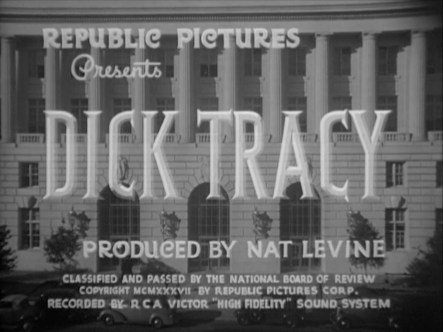
Fates Worse Than Death: Dick Tracy (1937)

DT37.title

DT37.LameOne1

Late at night, a band of disparate, seemingly unrelated men board a train and gather together in a private compartment, summoned by the one man they all fear–all but one! Korvitch swears that he bows to no man, and doubts that their master is even onboard the train. But then they hear it: shuffling, uneven footsteps, the steps of the criminal mastermind known only as the Lame One, whose mark is the Spider. The Lame One appears at the compartment’s door in shadows; Korvitch fires his gun, but the Lame One only laughs. Later, Korvitch wanders the empty streets, a haunted man, as behind him those uneven, shuffling footsteps pursue him relentlessly. When Korvitch’s body is found the next morning, a look of terror is frozen on his face, and branded on his skin is the mark of the Spider. Only one man can unravel this mystery and stand in the way of the Spider ring’s other crimes, and that man is Dick Tracy!

DT37.Korvitch

We quickly join Tracy and his team at the Federal Office Building with Tracy answering phone calls and giving terse answers. “I think you’d better take that up with Anderson’s office. Yes, he has my report on it. . . . Well, I know all about that.” Et cetera. “You’re about the busiest man I ever saw,” Tracy’s visiting brother Gordon observes. The “Spider mark” cases are occupying the bureau’s attention, and Tracy remarks on the curious fact that each victim found with the mark has turned out to be a well-known criminal. On this day, Tracy’s birthday, Gordon and Tracy’s assistant Gwen try to drag Tracy to the estate of Ellery Brewster, who has set up a carnival, complete with circus performers, to entertain the children from the orphanage. Brewster was one of the men summoned to report to the Lame One on the train before, and when he too is murdered and left with the Spider’s mark, a day of pleasure turns into business for Dick Tracy. The murder is solved, but it was committed by an expendable underling, of course: the Spider ring remains as mysterious as ever.

DT37.Gordonbefore

Gordon recalls receiving a sealed envelope from Brewster before his murder, which may have information about the Spider ring, but when he drives to his office to retrieve it, he is run off the road by more of the Spider’s men. Injured and taken to Moloch, the Lame One’s hunchbacked scientist, Gordon is operated on, with dramatic results: by “a simple altering of certain glands,” Moloch changes Gordon’s personality so that he does not know right from wrong and enlists him as a criminal associate. (In fact, it changes him so much that Gordon before and after the operation is played by two different actors!)

DT37.Gordonafter

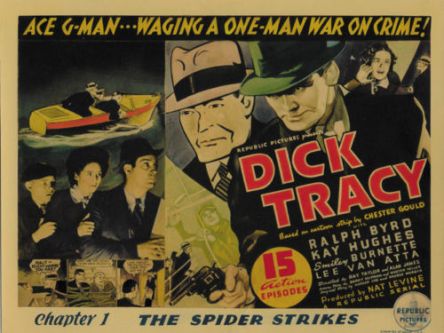
All of this, and more, takes place in just the first (extra-long) chapter of the 1937 Republic serial Dick Tracy. With a drastically changed appearance and a dead-eyed stare, Gordon effectively becomes the “spearhead villain” of the serial, conceiving and executing plots in each chapter on behalf of the Lame One (whose identity of course remains secret until the end). The other men seen in the train compartment at the beginning each take a turn, and the range of crimes is broad, whether it’s destroying a bridge, hijacking a gold shipment, or stealing an experimental aircraft for a foreign power. This “case of the week” format with a long-term arc that connects them all is not unusual for a serial, and it makes the middle chapters feel particularly episodic: with this format, the serial could be ten chapters or a hundred, and it’s not hard to see how later television series picked up this formula and ran with it.

DT37.poster

Written and drawn by cartoonist Chester Gould, Dick Tracy had been a smash success since its first appearance in newspapers in 1931, and began a radio series in 1934. It was only a matter of time before the famous detective made an appearance on film. 1937’s Dick Tracy was the first of four Republic serials, all starring Ralph Byrd in the title role, and there would later be four RKO feature films starring Morgan Conway and Byrd again, not to mention the 1990 film starring and directed by Warren Beatty. Although later famous for its grotesque villains and gimmicky gadgets, the newspaper strip was at first notable for its realism, both in the level of violence portrayed and in Tracy’s reliance on cutting-edge police techniques. While strongly influenced by the “hard-boiled” writers of the 1920s, Dick Tracy was one of the first police “procedurals,” influencing not only comics but television and prose detective fiction to come.

DickTracy1931

A panel from Dick Tracy’s first adventure in 1931

DT37.clues

In fact, Max Allan Collins (Dick Tracy‘s writer after Gould retired, and a commentator on the disc I watched) makes the point that much of the grotesquerie and spy-fi for which Dick Tracy was later known is strongly present in the serials of the ’30s, and may have influenced Gould. While the famous two-way wrist radio wouldn’t appear in the comics until 1946, the 1937 film is full of the scientific wonders that serial viewers had come to expect, such as a disintegrator that used high-frequency sound vibrations to destroy buildings; a stratospheric “flying wing” airplane and a different high-speed plane; and even a special radio-equipped belt that allowed Tracy to communicate with his team while undercover. Contemporary technology, while now appearing quaint, also plays a part: a few chapters hinge on recordings made with phonographs, for example. There is also a strong element of the grotesque: while the Lame One’s infirmity and hideous appearance is a disguise, Moloch’s hunch back is the real thing. And once he has been turned to evil, Gordon Tracy (Carleton Young) makes for a striking, creepy villain: scarred, dead-eyed, and skunk-striped.

DT37.disintegrator

Of course, some changes came with the adaptation to the serial format, as was almost always the case, but readers of Dick Tracy at least found a hero in the serial that they would have been able to recognize. Rather than a plainclothes detective, Republic’s Dick Tracy was a G-man, working for the FBI’s Western Division, and instead of Chicago he operated out of San Francisco. Gone was Tracy’s perennial love interest Tess Trueheart (there is, in fact, no romantic angle at all; the only woman in the serial is Tracy’s lab assistant Gwen, a purely professional relation). Tracy’s supporting cast is made up of typical serial character types: Steve Lockwood (Fred Hamilton) is a reliable tough guy and pilot; Mike McGurk (Smiley Burnette) is the comic relief; Junior (Lee Van Atta, seen in Republic’s Undersea Kingdom the previous year), as in the comics, is an orphan allowed to tag along and help Tracy (and occasionally get himself into trouble).

DT37.DickTracy1

Ralph Byrd is more baby-faced than the hawk-nosed Tracy of the comics, but that’s typical of leading men in general in the 1930s, who often seem a little soft in comparison to today’s standard; most lean or craggy character actors got typed as villains in the serials. Byrd fits the role in most other respects, though: he’s energetic, projecting a can-do magnetism but with enough warmth that it’s easy to see why his friends remain so devoted to him. And the serial itself gives him plenty of opportunities for heroism and detection, with most chapters combining furious action with slower-paced scenes of discovering and analyzing clues. Dick Tracy adheres to a common formula, but it executes it with such energy and flair that it could be taken as a model for producer Nat Levine’s ambitions for Republic; along with its able cast and well-paced story, it boasts impressive effects, exciting music, and a smattering of comic relief (in addition to Burnette, stuttering hillbilly comics Oscar and Elmer show up for a couple of scenes). The result is a very enjoyable serial and it is easy to see why it generated so many sequels.

DT37.flyingwing

What I Watched: Dick Tracy (Republic, 1937)

Where I Watched It: Dick Tracy Complete Serial Collection from VCI Entertainment

No. of Chapters: 15

Best Chapter Title: “Death Rides the Sky” (Chapter Four)

DT37.harbor

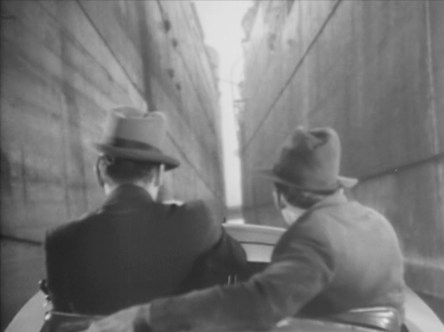
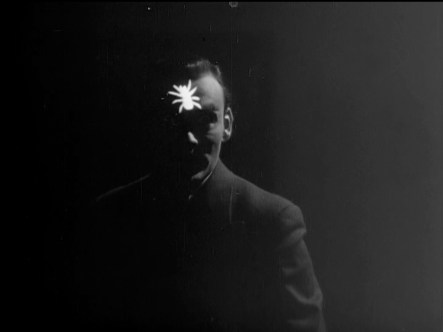
Best Cliffhanger: Dick Tracy includes several classic cliffhangers, including plane crashes (and the crash of a burning zeppelin!) and boat crashes (the ending of Chapter Three, “The Fur Pirates,” finds Tracy trapped between two giant steamers, threatening to crush his boat as they move closer; another chapter finds Tracy pulled into the water by a rope attached to a departing submarine). However, my favorite cliffhanger comes at the end of Chapter Twelve, “The Trail of the Spider,” an otherwise unremarkable recap episode. Tracy and his team have brought together witnesses to some of the events from earlier in the serial, prompting flashbacks to those scenes. (The only remarkable development in this chapter is that Tracy finally learns of Moloch’s operation on his brother Gordon.) After the flashbacks, the Lame One himself enters their headquarters and, after removing a fuse to black out the lights, shines the “spider signal” on Tracy and shoots him! At least, he appears to; viewers in 1937 had to wait a whole week to find out if Tracy got out alive.

DT37.Tracy.spider

Sample Dialogue:
Moloch (stroking black cat): “Brother against brother. One good, one evil. Ah, I wonder which will win?”
The Lame One: “We shall eliminate the G-Man!”

DT37.Moloch

What Others Have Said: “Chester Gould produced a contemporary knight in shining armor who was ready, willing, and able to fight the criminal with, if necessary, the criminal’s own weapons, to fight the toughs with equal or even greater toughness. Chester Gould created Dick Tracy to meet the desperate need of the times. Dick Tracy’s job was to regain the almost vanished respect for the law and to be the instrument of his enforcement. As Gould once said in an interview, ‘I decided that if the police couldn’t catch the gangsters, I’d create a fellow who would.'” –Ellery Queen, “The Importance of Being Earnest; or, The Survival of the Finest”

DT37.Dick.and.Steve

What’s Next: There are three more Dick Tracy serials, but I intend to space them out rather than plow straight through the series. So my next update will be on the 1948 Superman serial, starring Kirk Alyn!

Fates Worse Than Death: The Mysterious Airman

Baker Aircraft, Inc. is thriving, thanks to Baker’s exclusive use of the Joyce Aerometer, a guidance mechanism invented and kept a close secret by James Joyce (no, not that James Joyce!). It’s a good thing company president Frank Baker is engaged to the inventor’s beautiful daughter Shirley (a fine flyer herself!).

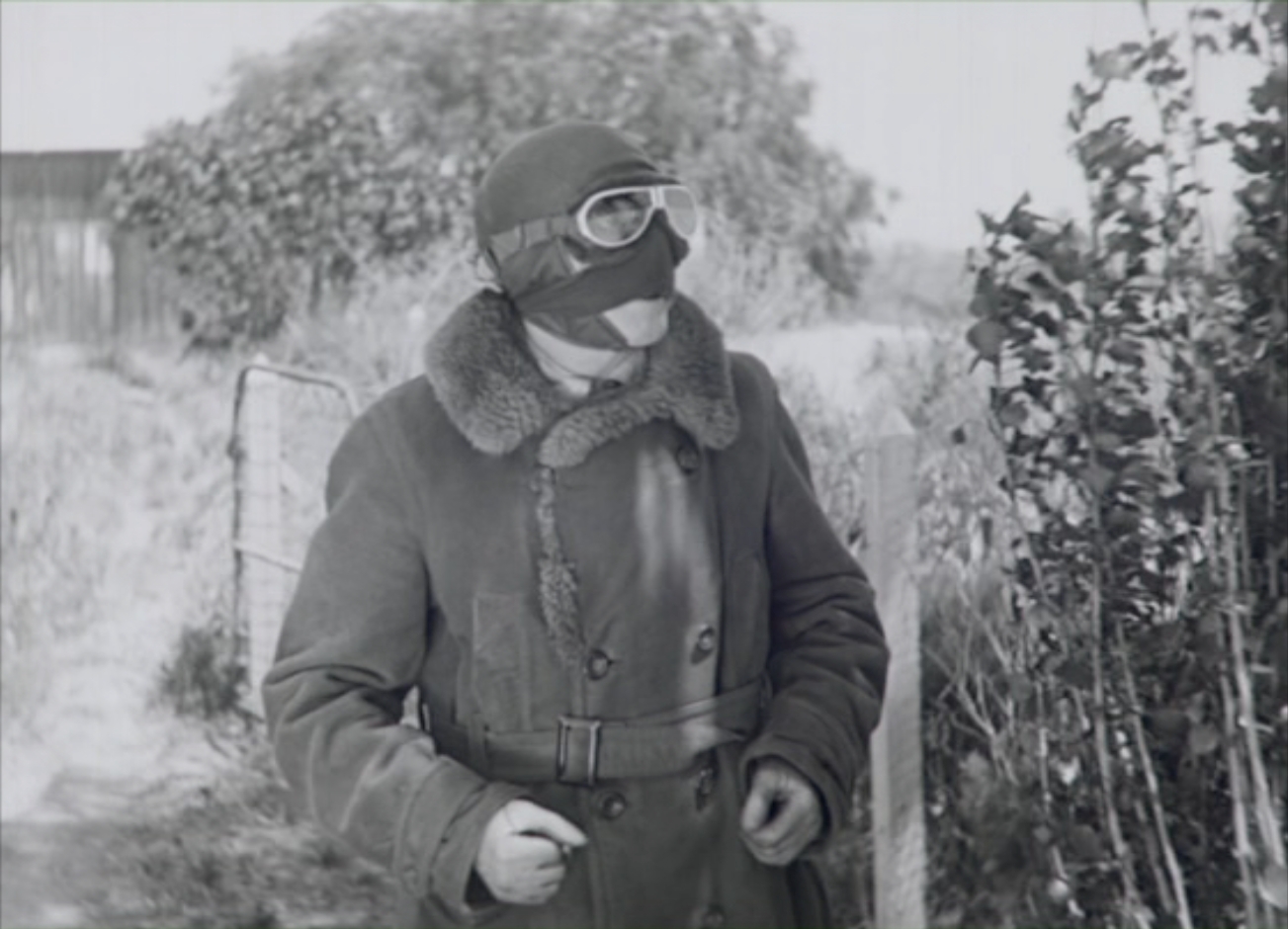
But all is not well: a band of renegade “air hawks,” led by the masked “Pilot X,” has been causing trouble, shooting down Baker’s planes and raiding the company’s shipments. Someone is out to get Baker! But who could it be? A likely possibility is William Craft, manager of the competing Globe Air Corporation, who is dying to get his hands on the Joyce Aerometer, so his sweetheart Fawn Nesbit, also a pilot, can make a record-setting flight around the world.

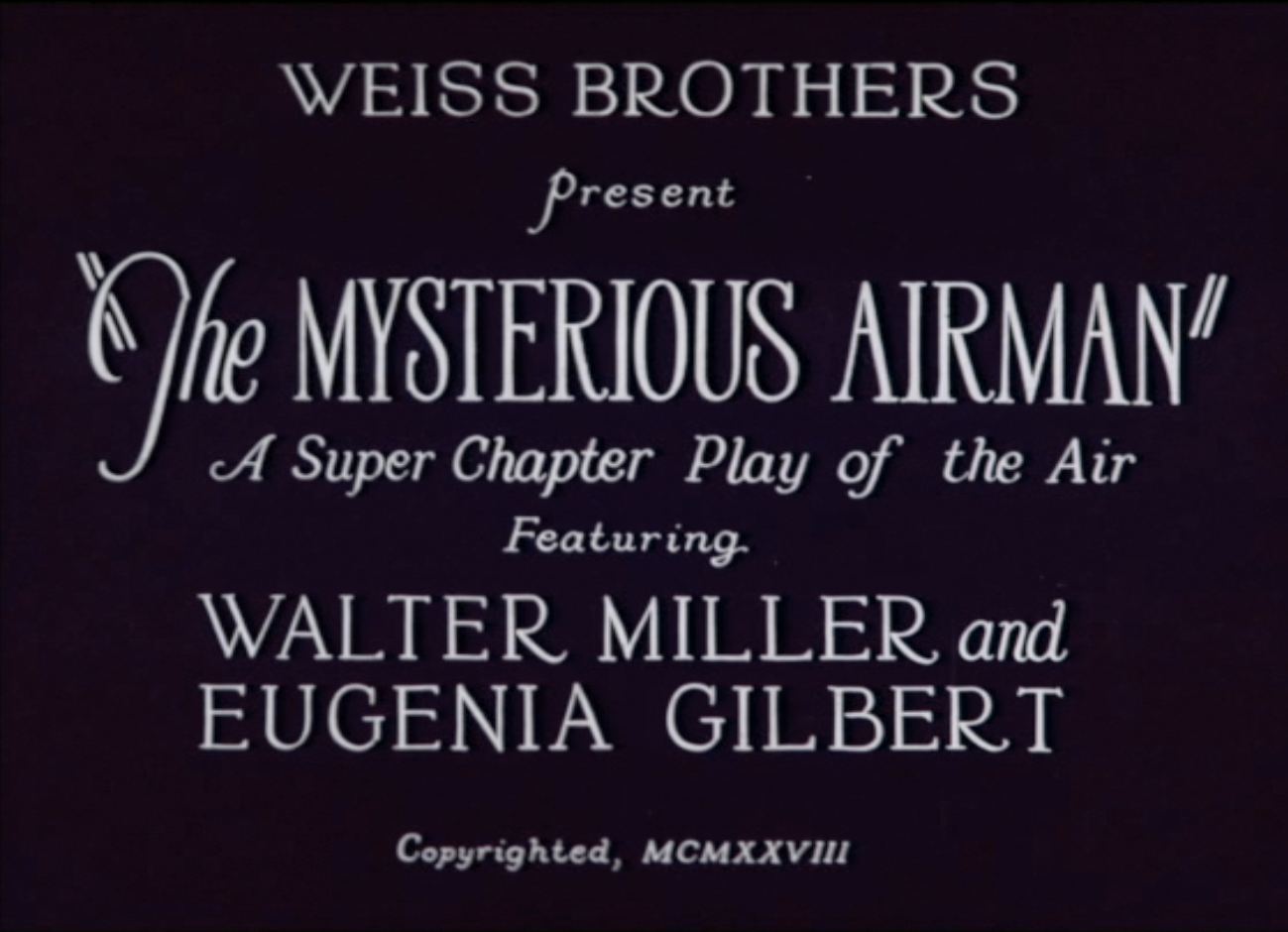
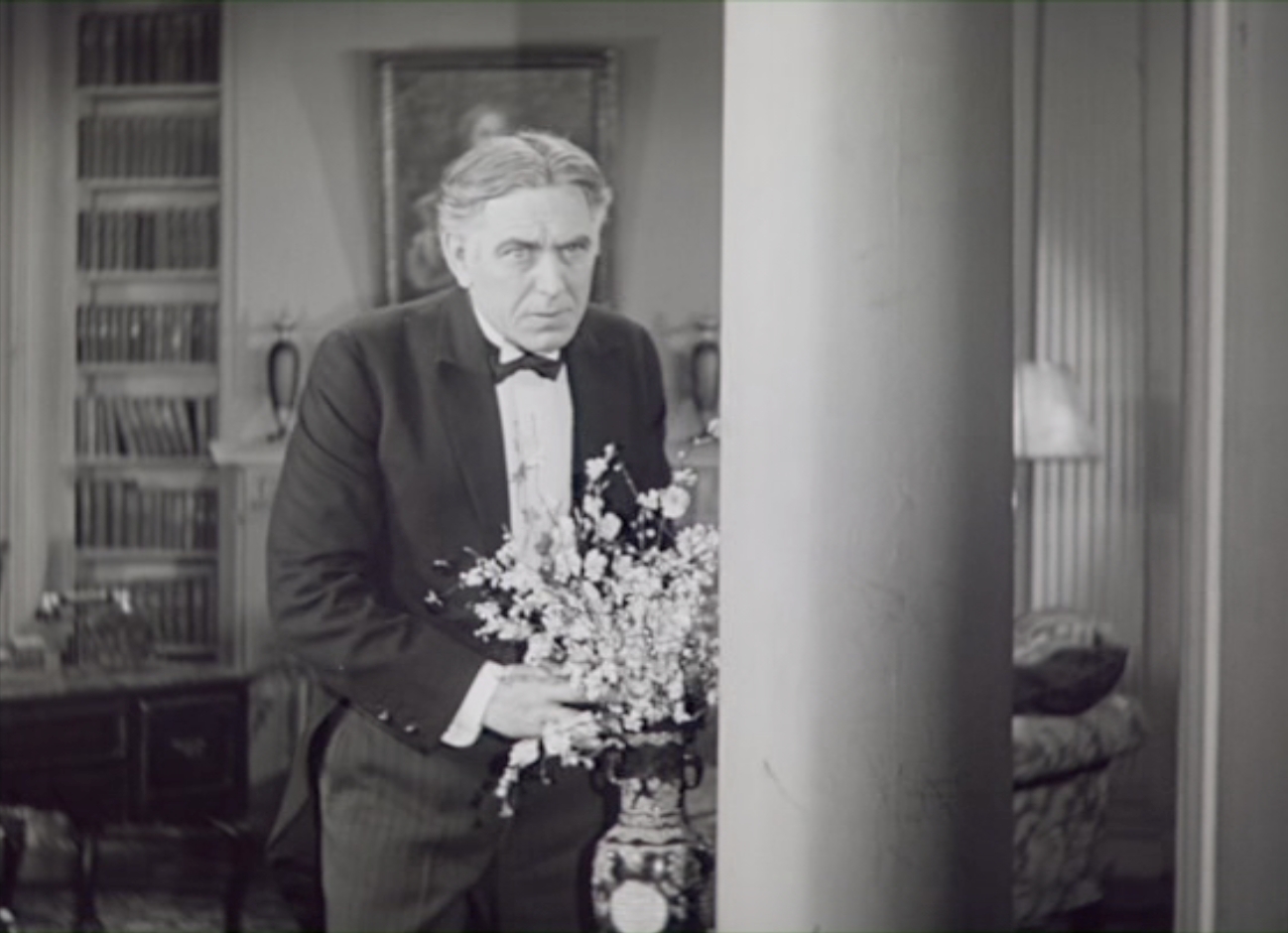
It could also be Perkins, Joyce’s butler, who always seems to be lurking in the background and listening in on conversations; he’s a suspicious one, all right. Or could it be Albert Orren, superintendent of Baker Aircraft; or Henry Knight, a Baker stockholder; or Barney Madden, the company’s seemingly loyal pilot? There are plenty of possibilities, and in reality Pilot X’s true identity isn’t hard to guess, but it still takes plenty of twists, turns, and hair-raising brushes with death before Frank and Shirley find out the truth in the 1928 silent serial The Mysterious Airman!

Made in the waning years of the silent film era, The Mysterious Airman, directed by Harry Revier and with a scenario by Arthur B. Reeve, falls squarely into the aviation craze that stretched from the 1920s into the next decade. Flyers in real life and in the movies were lionized as brave and resourceful men (and, increasingly, women) who took their lives into their own hands while taking to the air. Many of these stories were from the point of view of small-time pilots or airfield owners, giving modern viewers a look back at a less regulated, less consolidated time when learning to fly was as much an entrepreneurial enterprise as a death-defying adventure. While boring details are frequently skimmed over in favor of aerial chases and dogfights, one gets an idea of the day-to-day jobs and problems these small air companies faced.

Also familiar is the plot device of a masked villain bedeviling the heroes, working through agents, and getting away until the last chapter, when their true identity is finally revealed. The Fighting Marines and Ace Drummond, both from the 1930s, had similar plots, and that’s just listing aviation serials I’ve already covered in this column, barely scratching the surface. I gather that it wasn’t too original in 1928, either, but the difference between a good serial and a bad one generally isn’t the level of originality: it’s the skill with which the filmmakers breathe life into and work variations on well-worn formulas.

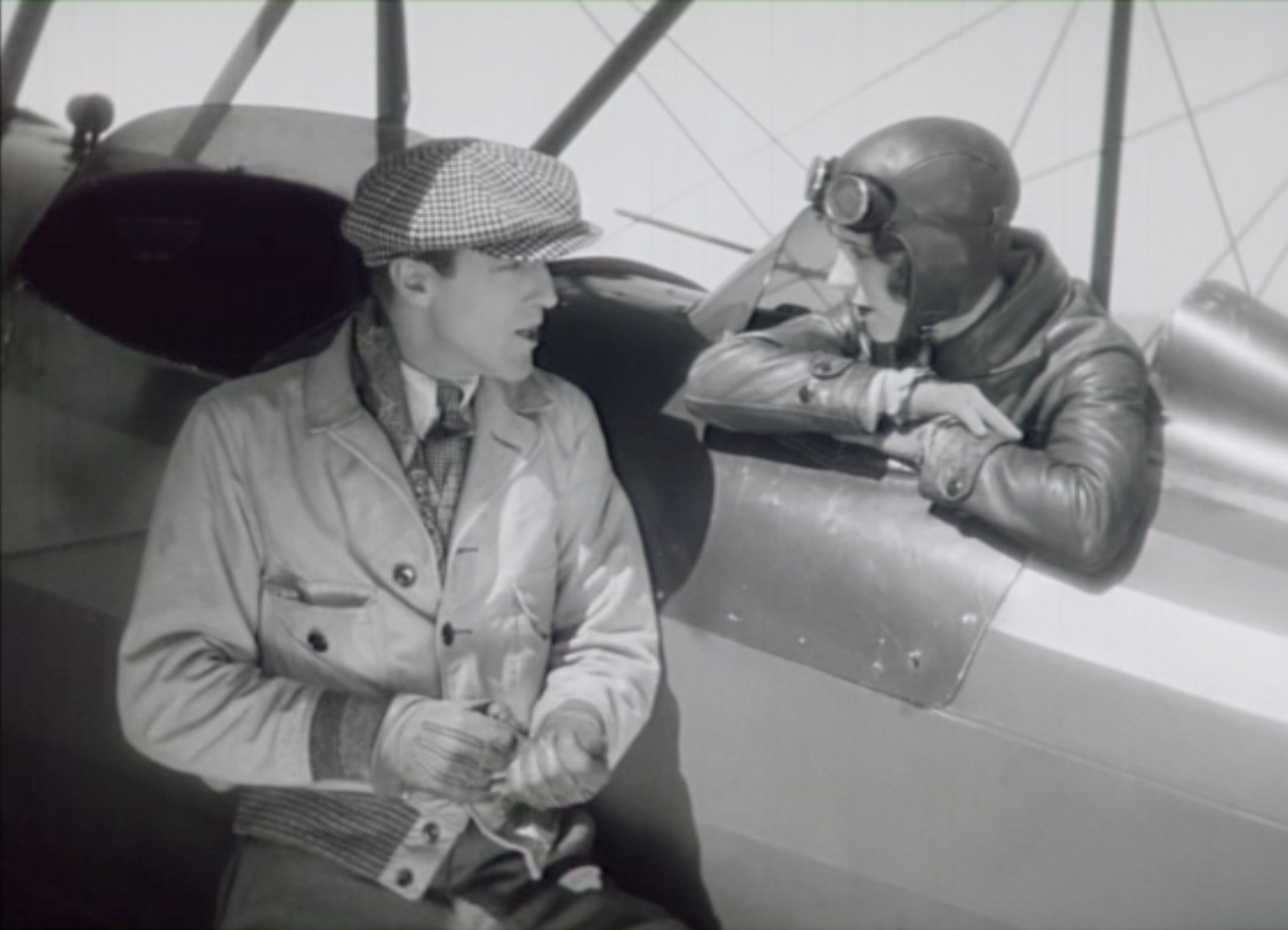
In that regard, The Mysterious Airman has some nice touches and many assets in the form of its photogenic and experienced cast. Walter Miller, as Frank Baker, is unquestionably the lead, but Eugenia Gilbert as Shirley Joyce gets nearly as much screen time and gets to participate in some of the cliffhangers without coming off as a token or damsel in distress, as so often occurred in later serials. Indeed, as an accomplished flyer and a character with her own motivations and initiative, Shirley is a worthy successor to Pearl White in The Perils of Pauline (1914) and the other serial heroines of the silent era.

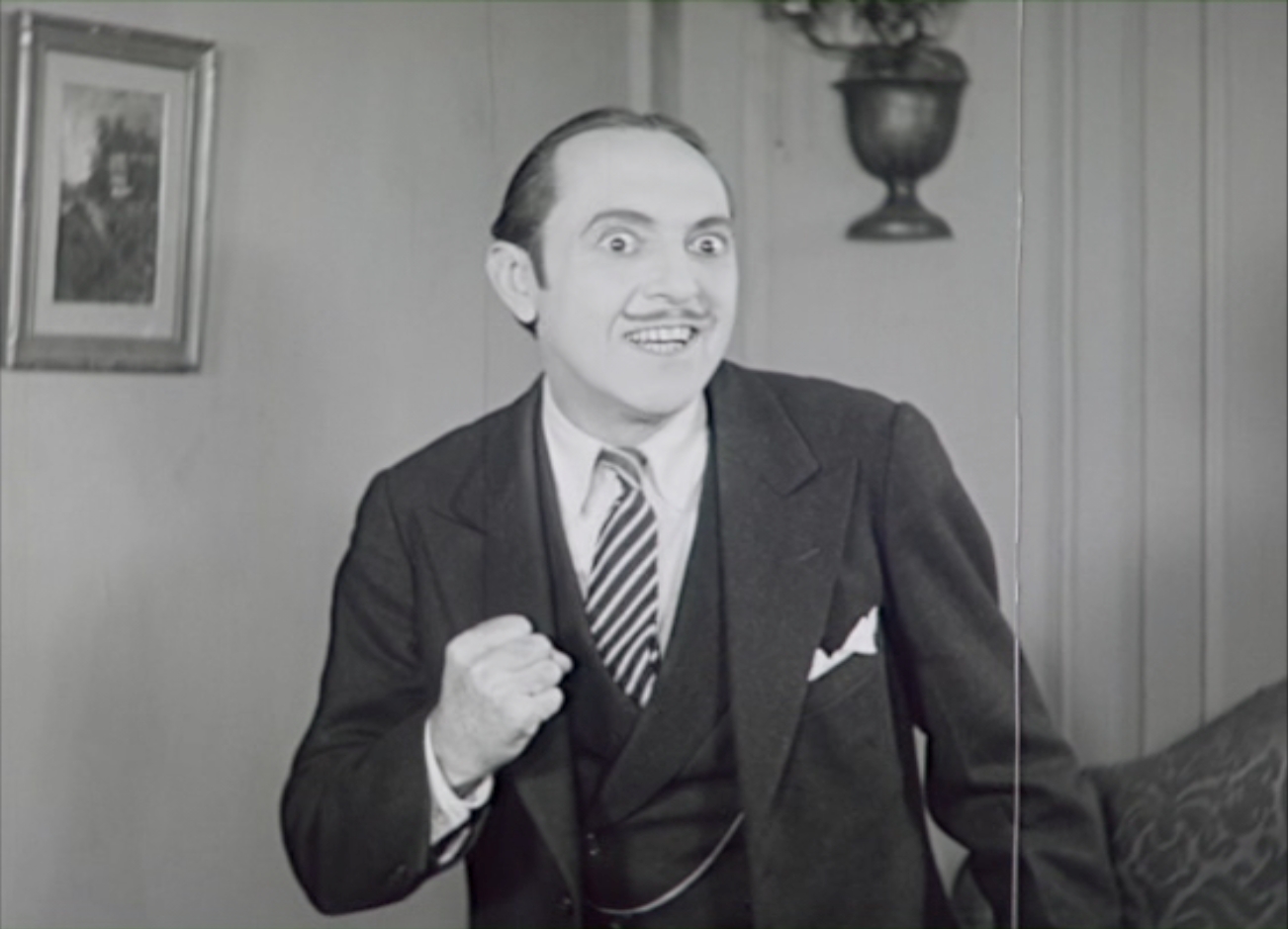
She is joined by fellow aviatrix, slinky Fawn Nesbit (played by Dorothy Talcott); Nesbit and her beau William Craft (Robert Walker) form the second couple and make for an interesting counterpart to the wholesome Frank and Shirley. Craft is presented as the most obvious person to be Pilot X, with his rivalry with Baker and need for the Joyce Aerometer. His meetings with Fawn, in which they discuss their schemes to get Baker to sell them the rights to the aerometer, are frequently interrupted so that Craft can “take care of some business.” In addition to distracting Shirley, Fawn is assigned to work on Baker individually, a subplot we never actually see (although she later uses her wiles on one of Pilot X’s henchmen in an effort to turn him against his boss), but eventually she breaks with Craft and his underhanded plans and becomes a real friend to Shirley.

There are also some of the weird details that I live for when watching serials: in one chapter, Pilot X brings a trained chimp (or “henchmanzee,” as commentator Richard M. Roberts puts it) to the Joyce house to climb into a high window and steal a model of the “Joyce Flying Torpedo,” another invention that serves as a McGuffin. Later, the same chimp appears with an organ grinder and climbs into the window with a microphone to eavesdrop on Frank and Shirley. Then it disappears for the rest of the serial.

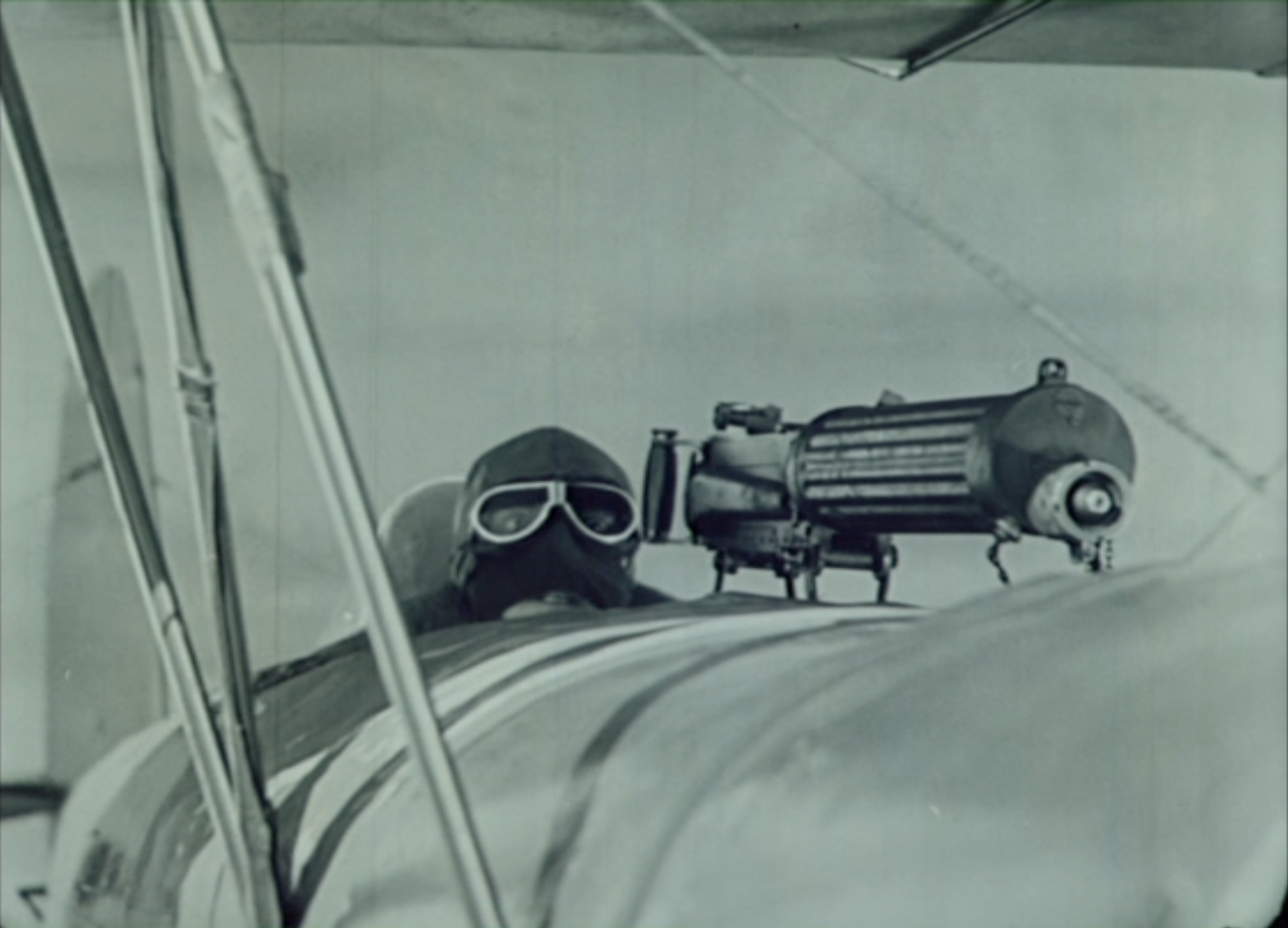
However, for a serial focused on the wonders of flight, the dogfight sequences are a mixed bag, at least to my modern eyes. Pilot’s-eye-views of the ground, taken in flight, lend a sense of realism, and the planes themselves are interesting, even if the aerial chases, filmed from a great distance, lack the immediacy of later films. There are some clever editing tricks, like the appearance of painted-on bullet holes to show the effects of machine gun fire, but the filmmakers, already working on a low budget, were understandably not going to crash any planes for real when the story called for it. So plane crashes are accomplished with cardboard cutouts, or with flames scratched directly onto the negative, or with quick cuts to a plane already on the ground. It’s interesting sleight-of-hand, but the “crash” itself usually feels a bit anticlimactic, even making allowances for the time this serial was made.

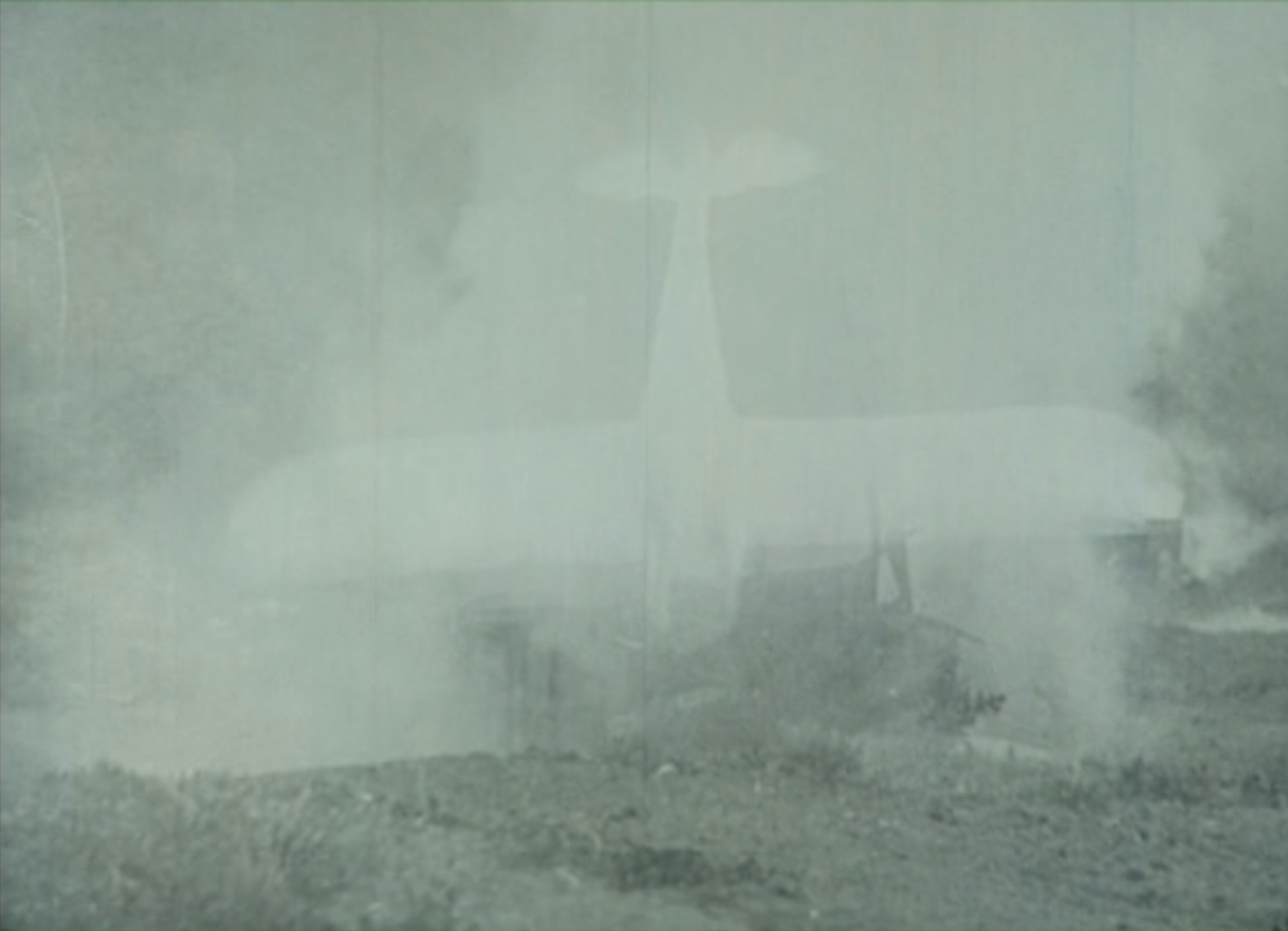
Another cliffhanger (Chapter Four, “The Flying Torpedo”) finds Frank Baker unconscious in an abandoned barn, which by incredible coincidence is the same barn Pilot X decides to blow up with the stolen Torpedo (to test it out, you see). At the last moment, unaware that he is even in danger, Baker climbs to the roof of the barn, where he is spotted by Shirley and Barney, who (again, by chance) just happen to be flying by. They drop a rope ladder down and pick him up, a split-second before an unconvincing double-exposure blast consumes the barn.

The cliffhangers are better when they stay closer to the ground. For example, at the end of Chapter Seven (“A Leap for Life”), Frank Baker, captured by Pilot X’s men, is tied up in the back seat of a car. He frees himself and fights the henchmen while the car is moving, struggling with the driver just as the speeding car is heading for a cliff! A real car is pushed over the cliff for this one, the vehicle being more expendable than the handful of planes seen throughout the serial. If anyone asks you why serials were known as cliffhangers, you can show them this scene as an example (or one of the many serials that used the exact same setup); tell ’em it’s not a cliché, it’s a classic.

What I Watched: The Mysterious Airman (Weiss Brothers-Artclass Pictures, 1928)

Where I Watched It: It isn’t often that I get to put the spotlight on a “new release” for this column: long thought lost, a nearly-intact tinted nitrate print of The Mysterious Airman was recently discovered, and Sprocket Vault has cleaned it up and made the film available on DVD. (Out of ten two-reel chapters, only one reel was too deteriorated to use: still pictures and captions make up for the missing scenes.) It’s a fine transfer: other than some scratches and signs of deterioration in a few places, the picture is surprisingly crisp, better than many second- (or third-) generation dupes I’ve seen of even newer and more widely-circulated films. What’s more, the DVD features an original piano soundtrack by composer/silent film accompanist Andrew Earle Simpson, a full-length (almost 190 minutes!) commentary track by historian Richard M. Roberts, and a bonus aviation-themed short film from the same year, “Flying Cadets.”

Roberts provides plenty of background detail on the Weiss Brothers, who produced the film (Artclass Pictures was one of the many organizations through which they channeled their business), and the members of the cast and crew. He also places the serials in context within the film business in the 1920s and beyond and relates a number of interesting anecdotes and opinions; he makes for an informative (if sometimes cranky) viewing companion. Ultimately, while I ended up being mostly lukewarm on this serial, I offer my highest praise to Sprocket Vault’s presentation; it’s a terrific package, and one hopes more serials will receive similar treatment. The DVD is currently available from Amazon.

No. of Chapters: 10

Best Chapter Title: “The Girl Who Flew Alone” (Chapter Two)

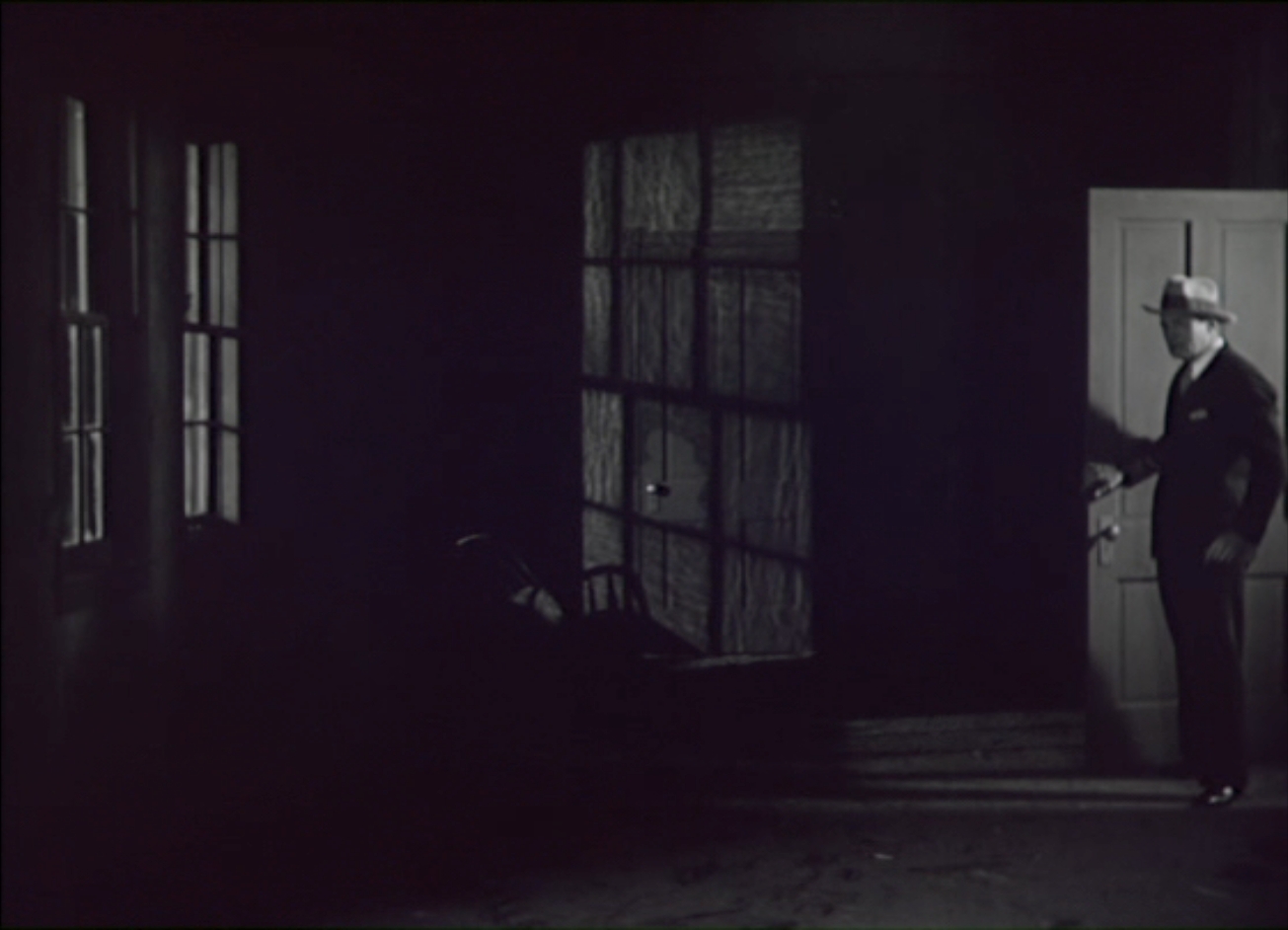
Best Cliffhanger: At the end of Chapter Six (“The Hawk’s Nest”), Frank Baker, following a clue in a coded telegram (intended for Pilot X but which Fawn Nesbit happened to intercept), travels to an abandoned house in hopes of surprising Pilot X and his gang while they meet. The setup is creepier than most of this serial’s other scenes, with atmospheric shadows and lighting suitable for a detective noir, and evocative use of tinting to darken the day-for-night exterior shots. (Plus, the hat Walter Miller is wearing makes him look like Dick Tracy.) Baker hears the renegades on the other side of a door and surprises them, when he himself is jumped from behind by one of Pilot X’s henchmen. The renegades swarm out of their meeting room and grab Baker. The chapter ends without a direct physical threat, but there’s no question that Baker is in a jam, and it’s more suspenseful and exciting than any of the flimsy plane-crash cliffhangers from other chapters.

Sample Dialogue: “We meet at last, Pilot X–and you seem well pleased–!” –Frank Baker, after being captured, Chapter Seven (“A Leap for Life”)

Sample Commentary: “No airplanes were harmed in the making of this picture.” –RMR

What’s Next: Check back at the beginning of summer for more serial reviews; in the mean time, please visit the Series page to catch up on previous installments of Fates Worse Than Death!

The Bangers n’ Mash Show Announces 2016 Phantom Awards

. . . and I got to come along for the ride! The Bangers n’ Mash Show, a podcast run by Zack Clopton and John Collis, gives out its Phantom Awards for achievements in science fiction, fantasy, and horror films, including the usual categories like Best Picture but also including a genre-specific Best Monster/Creature/Madman/etc. For their most recent awards, I (and some of my colleagues from the Dissolve diaspora) had the opportunity to record introductions for a few of the nominees. You can find the show on YouTube (where it’s like a podcast, but with a broad range of pictures you can look at while you listen–maybe they should call it a “broadcast,” eh?) or watch the embedded video:

If you read my overview of 2016 films, my comments may sound familiar, but I enjoyed hearing what my fellow Dissolvers had to say, and perhaps, like me, you’ll come away with some recommendations for films that weren’t on your radar. Thanks to Zack and John for the chance to participate, and thanks to all you readers for listening!

Remake, Revisited

tarkin

A couple of years ago, writing about the 2004 sci-fi adventure film Sky Captain and the World of Tomorrow, I commented on the use of repurposed footage of Sir Laurence Olivier, long dead, to represent the film’s villain, Doctor Totenkopf:

At least since 1997, when scenes of the late Fred Astaire from Easter Parade and Royal Wedding were digitally modified to show him dancing with a Dirt Devil vacuum cleaner for a series of commercials, it’s been possible to change the context of an actor’s appearance using the same technology that can put Jude Law in an airplane when he’s actually on a sound stage. The Dirt Devil ads, although licensed by Astaire’s widow, were controversial, and raised questions that have still not been settled: who owns an actor’s image, and are there limits to the uses to which it can be put? More importantly, does legal ownership give someone the right to tinker with a classic film? The battle lines are not always clearly drawn, as colorizing enthusiast Ted Turner became the patron of a classic movie channel that is widely respected for its thoughtful presentation of all kinds of film, and George Lucas, who spoke out against colorization in the 1980s, has defended his right to modify his own Star Wars movies because they’re “his” films.

I’m less offended by the use of Olivier’s image in Sky Captain than by Astaire in the Dirt Devil ads–or by the use of Audrey Hepburn’s image in Dove chocolate commercials just this year–of course: however pulpy it may be, Sky Captain is a work of art, not a commercial. But it is worth noting how far we have come, that such things are not only possible but routine. Connie Willis, in her 1995 novel Remake, depicted a future Hollywood dominated by digital effects, in which hardly any new movies were made, but instead older ones were remade by computer with digital copies of past stars (Back to the Future remade with River Phoenix, for example). We’re not quite to that point, but it hardly seems like science fiction, does it?

Some things have changed since I wrote those words: George Lucas, whom I referenced as the bad guy in ongoing debates about the legacy of his Star Wars films, sold Lucasfilm and his right to tinker with the franchise in 2012, and since then new owner Disney has begun a slate of new Star Wars films. The march of technological progress has also continued, and at the end of last year we saw a full-fledged digital recreation of actor Peter Cushing (dead since 1994) in the Star Wars prequel Rogue One, reprising Cushing’s role as Grand Moff Tarkin in the original 1977 film. Although the filmmakers had their reasons to undertake this effort and appear to have not taken it lightly, I found it garish and disturbing; even a completely undetectable CGI job would raise questions.

Repurposed footage, as in Sky Captain, is one thing: in addition to the CGI Cushing, Rogue One also inserted unused footage of pilots in X-Wing cockpits from Star Wars‘ Death Star battle for its own climactic dogfight (again, Rogue One takes place immediately before A New Hope, so this was just one of many threads meant to connect the two stories). Perhaps I’m a hypocrite, but that didn’t bother me at all, and in fact I found it a clever touch (longtime readers will recall my love of stock footage and my general wonder at the magic of editing, though).

I should clarify that I’m not against computers, either: I love music created on synthesizers, and I enjoy computer-generated animation. I also respect that CGI has made practical filmmaking easier in many cases where the casual viewer wouldn’t even suspect that stray wires or other intrusions have been seamlessly erased.

But I think part of what I love about the art of film is its rearrangement of a tangible reality: I’ve written before about my love of animation for its ability to create a wholly new world through the illusion of movement, but even filmed live action involves quite a bit of assemblage–of cuts, of effects, of performances–in all but the most extreme cases of fly-on-the-wall documentary and avant-garde cinema. The end result is not exactly a mirror held up to the real world but a mosaic in which many facets of it are reflected, an arrangement of fragments that make up a whole picture.

In theory, the current digital toolbox is just an extension of all the image-making that has come before, but in reality it has its limits, and its frequent use as a cost-cutting measure is dispiriting. It’s all so literal: particularly in the case of Rogue One, there’s no real need to include Grand Moff Tarkin except for the desire to position this story right before Star Wars. In addition, it’s somewhat insulting in its implication that viewers wouldn’t accept a different actor in the role. I enjoyed Rogue One, I really did, but my enthusiasm flagged at the very end when it became clear just how closely it was meant to dovetail with the original Star Wars. I felt the same way at the end of Episode III, when George Lucas felt compelled to leave nothing unsaid, dumping information that was already (or would be, depending on the order in which one viewed the saga) revealed elegantly in the original trilogy. Both cases are typical, though, of a tendency to fill in any and all gaps in pop culture mythology, bowing to perceived demands from fans to reveal every detail, even when leaving something to viewers’ imaginations could have a greater impact.

The issue became more than academic in December with the sudden, tragic death of Carrie Fisher, who of course played Princess Leia in the original Star Wars trilogy and who had returned to her iconic role in the new trilogy that began with 2015’s Episode VII. (As it happens, computer imagery had also been used for a brief appearance of “young Leia” at the end of Rogue One.) Reportedly, Fisher had already filmed her scenes for Episode VIII, but her death puts her role in the last film of the trilogy in doubt. Disney issued a statement to calm speculation last week, assuring fans that they had no plans to create a digital Leia for Episode IX. Is the difference simply that Cushing has been dead long enough that no one is likely to be outraged by his digital doppelganger? Is it “too soon” to do the same with Fisher? In fact, isn’t the cyber-Cushing atypical precisely because he’s been gone for so long? In recent years, digital imagery of this sort has largely been used to make up for the loss of a star during filming (most notably Paul Walker in Furious 7). It’s likely that Fisher, aware of the direction technology is headed, had explicit directions in her will regarding the use of her image, but it’s also true that Leia is a more significant character than Tarkin, and she was expected to carry both more scenes and more dramatic moments. There are still practical limitations on how seamlessly an actor can be recreated digitally.

The Star Wars films have always been showcases for the latest in special effects. If Cushing’s appearance in Rogue One was meant to be a test case for a new technology, it wasn’t reassuring, for either this audience member or (I imagine) living actors who now not only have to compete against each other, but against their predecessors.

R.I.P. Peter Cushing, 1913-1994

R.I.P. Carrie Fisher, 1956-2016

My 2016 in Film, Part Two: New Discoveries

telephonebook1

As I mentioned yesterday, I was more diligent this year in keeping track of my film viewing than I’ve been in recent years, allowing me to provide a more detailed retrospective of older films I watched. The non-2016 films listed below are listed in chronological order without ranking; they’re movies that thrilled me, sparked my imagination, or filled in gaps in my historical awareness. All are recommended, for curiosity value if nothing else.

justimagine

Just Imagine (David Butler, 1930)
This movie came to my attention as the source of several futuristic cityscapes inserted as background shots in the 1939 Buck Rogers serial. It’s a fascinating production in its own right, and a time capsule of 1930’s ideas about both science fiction and pre-Code musical comedy. New York in the far-off year 1980(!) is a gleaming mass of skyscrapers bound together by orderly lanes of sky traffic, but scientific progress has commanded a high price in individuality and freedom: people have numbers rather than names, and marriages are chosen by the state for optimal matches (the plot centers on the unapproved romance between J-21 and LN-18, a young Maureen O’Sullivan); married couples have children by selecting them from a sort of vending machine; food and drink are taken in pill form; and the planet Mars is full of beautiful, savage women given to elaborate dance routines. The comedy of 1930 is mostly personified by the “Svedish” accent shtick of El Brendel, who plays a man of 1930 revived by science. It’s all corny as hell, but endearingly so, and with its visual flair and brisk, busy plot, it’s worth seeing for fans of retro-futurism and Hollywood musicals alike.

bedelia

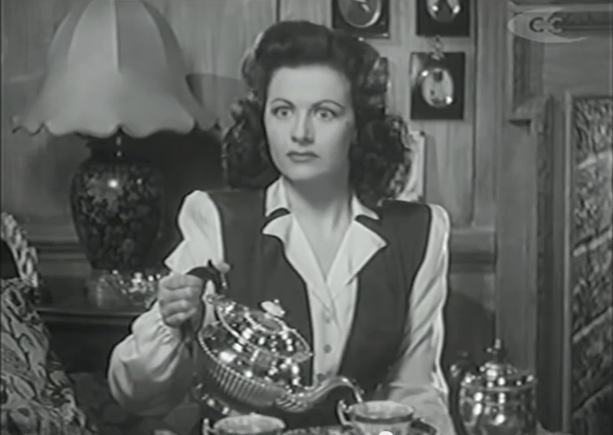
Bedelia (Lance Comfort, 1946)
Margaret Lockwood plays the title character, a recently remarried widow; during her honeymoon in Monte Carlo, her bland new husband strikes up a chance encounter with a painter who appears to know too much about her. When they return to England, the painter follows. As the mystery of Bedelia’s past (and the death of her first husband) emerges, her web of secrets threatens to come unraveled. The resulting film is a mixture of noirish suspense and doomed romance.

alligatorpeople

The Alligator People (Roy Del Ruth, 1959)
If Tennessee Williams wrote a monster movie, it might come out something like The Alligator People, a Southern Gothic tragedy of secrets and mad science. Lon Chaney Jr. as a crazy, gator-obsessed swamp rat is the icing on the cake.

telephonebook2

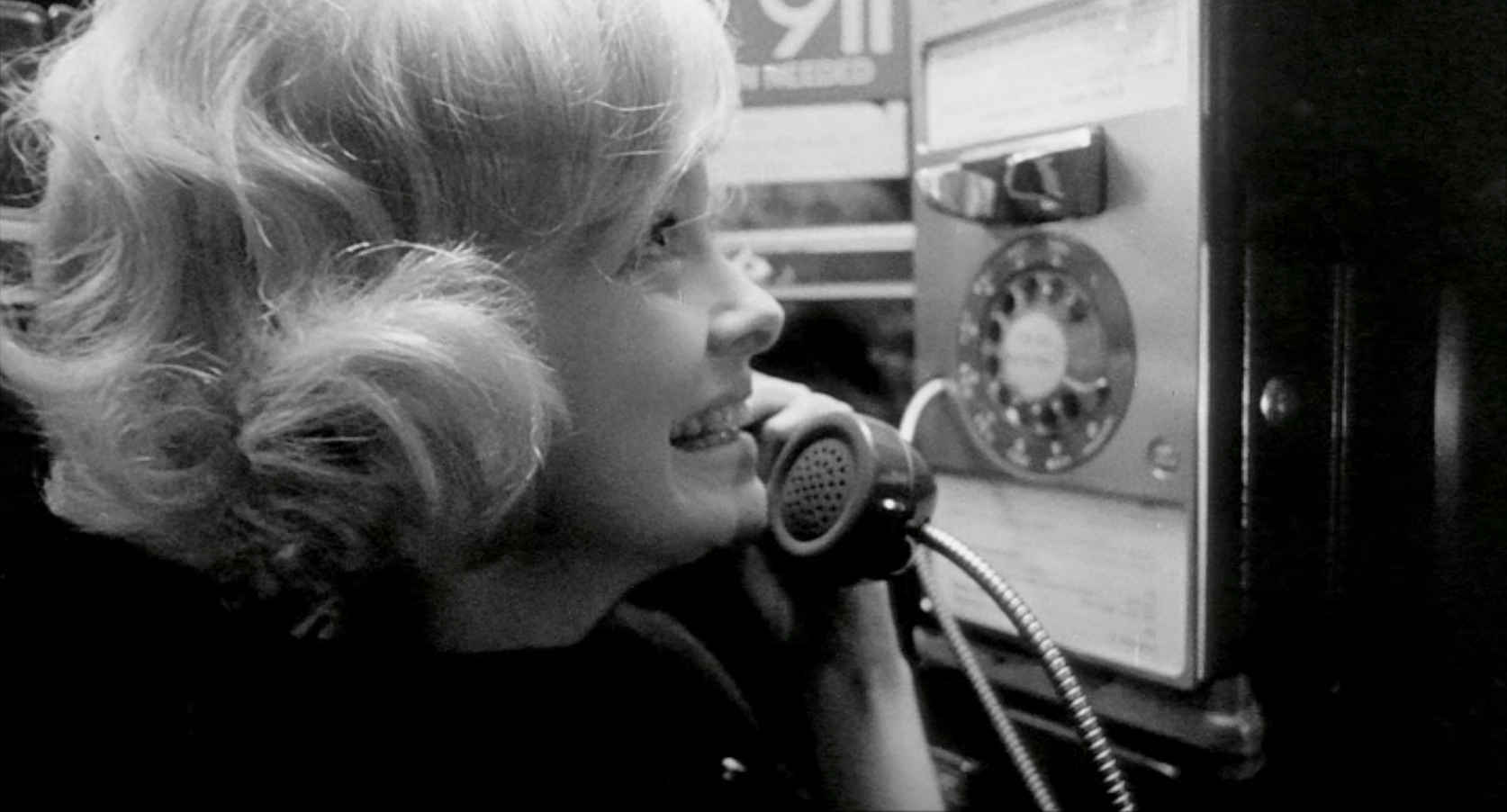
The Telephone Book (Nelson Lyon, 1971)
The strange odyssey of a young woman determined to track down the man who transported her with an obscene phone call, The Telephone Book is a surprisingly sweet portrayal of a time and place–the sexual revolution in New York City in the early 1970s–that are usually depicted in sleazier terms. Alice (Sarah Kennedy) is both naïve and alluring to the colorful characters she meets along the way, but once she finds the right “John Smith” (Norman Rose), he takes over the story with his commanding monologues, seducing the audience the same way he seduces the women (“I have over thirty regular clients,” he says) he calls. In writer-director Nelson Lyon’s vision, obscene phone calls aren’t just about sexual release, they are an implicit critique of a repressed society, but the film is too wrapped in layers of irony to present such a pat solution without complication. Intercut with “confessions” from reformed obscene callers and the doctors and police who deal with them, The Telephone Book is thrillingly visual for a film about talking, showing off a pop art sensibility that gripped me from the beginning. With its deadpan humor and emphasis on the power of words, I wasn’t surprised to learn that it was one of Steve Martin’s favorite films.

possession

Possession (Andrzej Zulawski, 1981)
Sam Neill has the honor of appearing on both yesterday’s and today’s lists. Is Possession a movie about mental illness? Divorce? Nuclear war? All of the above? What the hell can you even say about this movie? It must be seen.

return2oz

Return to Oz (Walter Murch, 1985)
Unlike many of the movies listed here, I was aware of this movie and even remember when it was released, but for one reason or another (its reputation as a flop, or that it was too dark for its intended audience) I didn’t get around to it until this year. All the reasons not to watch it back then make it all the more interesting now, and in addition to its mixture of whimsy and dread (in many ways more faithful to L. Frank Baum’s creations than the 1939 classic), I was pleased to discover a forgotten trove of lavish production and practical effects at their pre-CGI 1980s peak.

split1989

Split (Chris Shaw, 1989)
At first, Starker (Timothy Dwight) appears to be just another homeless crackpot wandering the streets of Los Angeles, but it soon becomes clear that he’s a man of many disguises, secreting extra clothes in dumpsters around the city and taking on new personalities as he hides out in a diner and crashes an art gallery opening. His elaborate routines prevent an omnipresent surveillance network from tracking him: paranoid fantasy, or chilling glimpse of a future that was right around the corner in 1989? Featuring then-cutting edge computer graphics and a “handmade” (i.e., low budget) production style, Split is a quintessential cult film, proto-cyberpunk closer to A Scanner Darkly than Blade Runner.

howlsmovingcastle

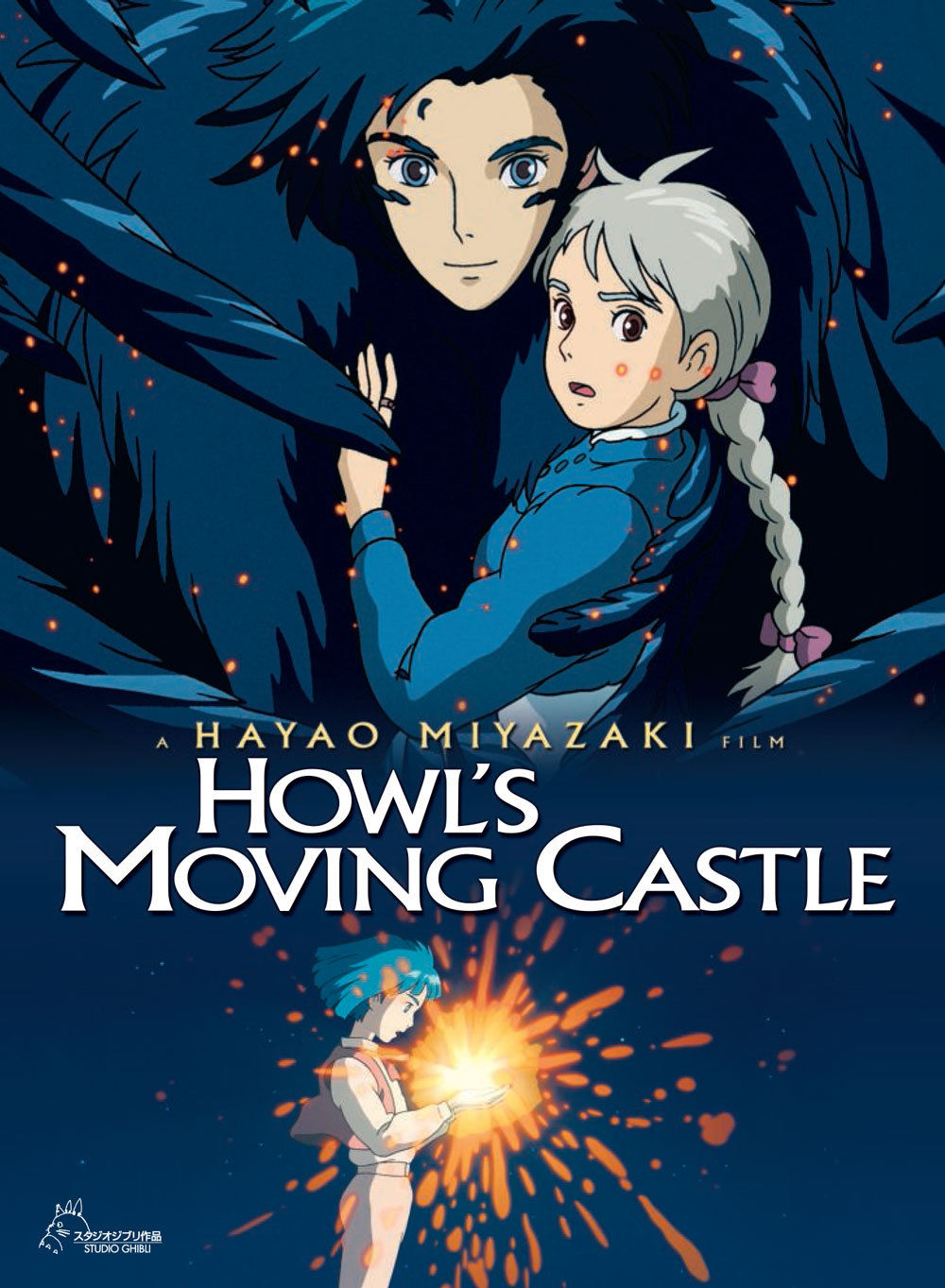
Howl’s Moving Castle (Hayao Miyazaki, 2004)
I was able to see several Studio Ghibli films for the first time this year thanks to a film series at Wichita’s Palace Theatre (other first-time views included My Neighbor Totoro, Grave of the Fireflies, and Princess Mononoke). Perhaps I’m choosing to highlight Howl’s Moving Castle above the rest simply because it doesn’t seem to be quite as well-loved as those others (all of which were great, of course). As lumpy as it is, its mixture of European fairy-tale fantasy (it’s based on a novel by Diana Wynne Jones) and Japanese anime style makes it unique.

exit

Exit Through the Gift Shop (Banksy, 2010)
A spiritual descendant of Orson Welles’ meta-documentary F for Fake, Exit Through the Gift Shop begins with compulsive filmmaker Thierry Guetta’s quest to document and participate in the exploding street art scene in Paris and other cities. The first half of the film introduces a cast of daring cat burglar-like graffitists who go to great lengths to place their artwork on the sides of buildings, on streets and sidewalks, and on billboards, usually under cover of night, and the more inaccessible the better. Once Guetta is introduced to the elusive Banksy, the film takes a strange turn as Banksy takes over editing the project and Guetta assumes the name “Mr. Brainwash,” setting up his own ridiculously large art show. Whether the whole thing was a scheme for Guetta to cash in on the hot street art trend from the beginning, or (as some have claimed) a put-on designed to expose the hollowness of the art world, the film itself is as daring and exciting as the wall-climbing provocateurs who inspired it.

jimilazer

Lazer Us: The Legend of Jimi Lazer (Mann Munoz, 2013)
An odd mash-up of contemporary Christian film and rock-and-roll mythologizing, Lazer Us tells the story of Jimi Lazer, a would-be star who made a deal with the devil to become famous but walked away from it all and essentially disappeared. Now, twenty-seven years later, he has returned to set things right, reuniting the scattered members of his band and rescuing a mysterious young woman (named Zmoothie, in keeping with the film’s square idea of rock culture) from the same fate. The film is essentially a parable building on the “crossroads” legend like The Soldier’s Tale or “The Devil Went Down to Georgia,” but throws in references to The Red Shoes, The Picture of Dorian Gray, Johnny Cash, and the “27 club,” not to mention the Biblical figure whose name is suggested by the awkward title. Edgy and “in your face” but ultimately safe, I have no idea whether this movie will lead young rockers to Jesus, but it’s worth seeing on its own quirky merits.

My 2016 in Film, Part One: Top Ten

20160804_152841.jpg

Earlier this month, critic David Ehrlich released his annual video list of his top 25 films of the year. To my chagrin, not only had I only seen one film on his list (Kubo and the Two Strings), I hadn’t even seen 25 films released in 2016 total. Of course, I’m not a professional critic, and I don’t have the opportunity to see films unless they’re in wide release or hit streaming/home video by the end of the year (with a few exceptions), but as someone who enjoys film and tries to come up with his own year-end wrap-ups, I try to see as many films as I can in a timely manner. I’ve managed to do some catching up (and I did end up seeing more than 25 movies from this year), but as usual the following observations are based on my rather selective and scattershot viewing. (One thing I did this year for the first time was keep a list of every film I saw, new or old, which has made it easier to remember what I saw way back in January; tomorrow I’ll review some of my favorite non-2016 discoveries.)

Since a large portion of the new films I saw this year were wide release blockbusters and family movies, it’s worth noting just how many of this year’s films were part of series or franchises: the Marvel films Captain America: Civil War and Doctor Strange; the Harry Potter spinoff/prequel Fantastic Beasts and Where to Find Them; and additions to the Star Wars, Godzilla, and Phantasm canons, among others. That’s not unusual: sequels and franchises have been common for years, although it seemed even more pronounced this year. Many of the sequels that came out this year (not all of which I saw) bombed, but there’s nothing intrinsically wrong with series. I enjoy catching up with familiar characters and settings as much as the next audience member, and new installments of ongoing series were among my favorites this year. (As always, I’m basing my list on US release dates.)

lovefriendship

10. Love & Friendship (Whit Stillman)
Based on Jane Austen’s Lady Susan, Kate Beckinsale plays the scheming widow with a mixture of calculation and blasé wit for which Stillman’s brand of dry humor is perfect. Tom Bennett (as the empty-headed Sir James) is very funny in this and well deserves the accolades that have greeted his performance.

hailcaesar

9. Hail, Caesar! (Ethan Coen and Joel Coen)
On the surface, the Coens’ homage to Golden Age Hollywood is a trifle, a light-hearted spoof and celebration of the studio system that had previously crushed Barton Fink’s spirit. The plot (in the loosest sense of the word) consists of several vignettes tied together by their connection to studio head Eddie Mannix (Josh Brolin) as he attempts to put out one fire after another in a typical day. The most worrisome is the kidnapping of leading man Baird Whitlock (George Clooney) from the set of the Biblical epic that gives the film its name. While I found Hail, Caesar! entertaining enough while I was watching it (and the film is lots of fun, packing an all-star cast into witty recreations of musicals, Westerns, Esther Williams-style synchronized swimming, and “women’s pictures”), it also felt a little slight. But Mannix’s defense of show business (against the materialism of both Communist rhetoric and a Lockheed executive attempting to lure Mannix to a position in the “real world”) has stuck with me, and is typical of the Coens’ habit of packaging serious messages in comedies that go down easily.

thevvitch

8. The Witch (Robert Eggers)
Subtitled “A New-England Folktale,” The Witch is a spooky distillation of Puritan fears of devilry and witchcraft, with a single family isolated in the woods illustrating the growth of a panic in microcosm. Are the glimpses of Satanic forces, exemplified by the unmanageable goat Black Phillip, signs of genuine witchery, or are they merely the fervid imaginings of eldest daughter Thomasin (Anya Taylor-Joy in a haunting performance)? Like the best horror, the answer is less important than what it reveals about the character of the family members as they retreat into religious faith, run off into the woods, or turn against each other.

pee-wee

7. Pee-wee’s Big Holiday (John Lee)
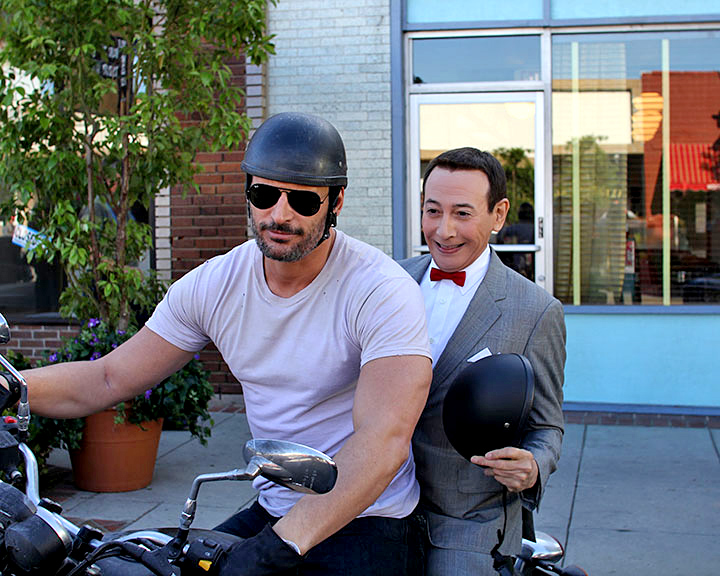
As I wrote in my review back in March, “Like many modern reboots and revivals of old properties, this ‘comeback’ is packed with nostalgic callbacks and Easter eggs, remixing an older story by sprinkling in familiar themes, character types, and imagery to summon up the old magic. . . . I’m probably too close to tell you whether this is a fans-only proposition, but as a fan, I liked it.” While the callbacks to the original were the weakest part of this year’s Ghostbusters reboot, Pee-wee’s Big Holiday proved that it is possible for the formula to work, at least as long as you’ve got super-cool Joe Manganiello providing a foil for Paul Reubens’ antic, childlike character. (Come to think of it, Chris Hemsworth was the funniest part of Ghostbusters: maybe 2016 was secretly the year of hunky, bromantic scene-stealers?) One statement I made in my review, that “Unlike Paul Reubens, Pee-wee himself hasn’t aged a day,” deserves to be explored: I didn’t realize when I wrote that just how much technological assistance was involved in rewinding a couple of decades of aging, but I guess I shouldn’t have been surprised, given the ubiquity of CGI these days. In any case, Pee-wee’s digital facelift was less distracting and disturbing than the CGI resurrection of long-dead Peter Cushing in Rogue One (a movie I liked, but yeesh).

neondemon

6. The Neon Demon (Nicolas Winding Refn)
An aspiring model (Elle Fanning) arrives in L.A. and discovers just how cutthroat the business can be in this stylish thriller. I just saw this one, so I’m still digesting it, but on a first pass I loved the visuals and Cliff Martinez’s electronic score; I wish I’d had the opportunity to see The Neon Demon on the big screen, but even at home it was electrifying. However, it took a while to win me over, as it was hard to shake the impression that I was seeing ideas and stylistic flourishes that had been done before by David Lynch, Ridley Scott, and Dario Argento. A grisly turn in the last twenty minutes took me by surprise and elevated the whole affair by recontextualizing much of what came before, so I have a feeling this is a film that will play very differently for me on a rewatch.

zootopia

5. Zootopia (Byron Howard, Rich Moore, and Jared Bush)
Immersive, three-dimensional computer animation has its drawbacks: not every setting can stand up to the scrutiny invited by nearly photorealistic animation, nor live up to the standards of internal logic set by Pixar. This year’s Zootopia is a positive example, however, of the tendency to build worlds in a comprehensive way, a dazzling and thought-provoking allegory of modern race-relations and identity politics laid over a clever extrapolation of the “funny animals” that are one of the most venerable pieces of Disney’s heritage. After idealistic rabbit Judy Hopps (voiced by Ginnifer Goodwin) joins the police force, having fought against (cuddly, nonthreatening) stereotypes her whole life, she is forced into a begrudging partnership with the hustling Nick Wilde (Jason Bateman), a (sly, predatory) fox, and learns to confront some of her own internal prejudices. The parallels to real-world issues are unmistakable, but Zootopia’s heavier moments are supported by a well-oiled action comedy with riffs on Chinatown, 48 Hrs., and The Godfather (and even a nod to Breaking Bad). Most fun of all is the multilayered title city, with its ethnic enclaves for different types (and sizes) of animals, somehow finding ways to live in harmony.

lovewitch

4. The Love Witch (Anna Biller)
The first time I saw the trailer for The Love Witch, I was unsure if it was a new movie or the latest rerelease of an obscure exploitation film. Even after seeing it, I’m impressed at the attention to detail writer-director-designer Anna Biller brought to her feminist-themed parody/homage of early 1970s softcore. Elaine (Samantha Robinson) uses spells and charms to win the hearts of a series of men, but they can’t fill the hole in her heart, even as she drives them to their deaths. (Robinson’s matter-of-fact voice-overs, revealing the gap between Elaine’s perceptions and external reality, brought to mind Election, another bone-dry comedy about feminine striving.) Wryly ironic and reveling in its artificiality (channeling Joe Sarno and Russ Meyer as well as the Gothic chic and hip Satanism of Hammer horror), The Love Witch could have perhaps better emulated the brevity of its inspirations, but like The Neon Demon it’s eye-poppingly colorful and turns its genre’s assumptions upside-down (and this one I did get to see in the theater thanks to a limited release in Wichita).

wilderpeople

3. Hunt for the Wilderpeople (Taika Waititi)
Waititi’s vampire mockumentary What We Do in the Shadows was my favorite film of last year, and while Hunt for the Wilderpeople is more down to earth, it is no less warm and funny. Wannabe gangster Ricky (Julian Dennison) and his reluctant foster father Hec (Sam Neill) find themselves on the run together in the “majestical” New Zealand bush after a series of misunderstandings. That these two lost souls will come to understand and support each other through their adventure is a given, but the movie never feels formulaic, a credit to both Waititi’s knack for making unusual choices in staging and music, as well as the humanity Dennison and Neill bring to their characters. (Props also to Rachel House, who is hilarious in a potentially one-note role as an overeager Child Welfare officer.)

shingodzilla2

2. Shin Godzilla (Hideaki Anno and Shinji Higuchi)
In October, I wrote that Shin Godzilla, the first new Japanese Godzilla movie since 2004, “is a worthy successor to the legacy of the King of the Monsters, balancing its weighty political themes with incredible spectacle and an exciting scientific race against time.” I stand by my original review, but reading other viewers’ responses to the movie, it became clear to me that I underestimated how much humor is in the movie (as the heroic bureaucrat Yaguchi ascends ranks, the onscreen captions listing his titles become longer and longer, until the bulk of the screen is filled with text, for one example), caught up as I was in that spectacle. I have so far only seen Shin Godzilla once, but like most of the films I’m highlighting this year, it’s one I hope to return to in order to pick up more of its nuances.

cloverfieldlane

1. 10 Cloverfield Lane (Dan Trachtenberg)
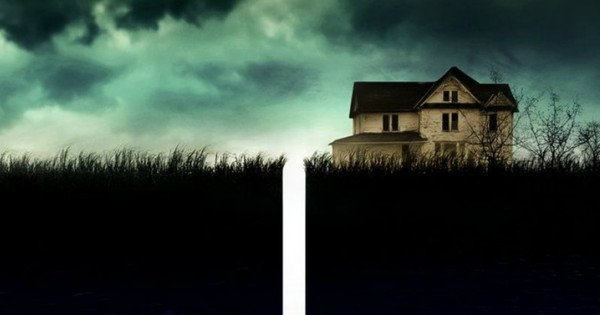
As I wrote in October, I only caught up with 2008’s Cloverfield this year, but it was one of the best movies I saw that month. This year’s 10 Cloverfield Lane isn’t exactly a sequel, but is rather a free-standing story with a completely different set of characters, only loosely connected (if at all) to the first film. Michelle (Mary Elizabeth Winstead) loses consciousness in a late-night car wreck, only to awaken in the underground shelter of Howard (John Goodman), who informs her that an attack on the United States has left the surface uninhabitable. Whether she likes it or not, she’s stuck in the bunker with the paranoid Howard and his good-ol’-boy handyman, Emmett (John Gallagher Jr.). Michelle is understandably skeptical of Howard and his motives, but this tightly-plotted thriller kept me guessing with twists and turns (and powerful lead performances by Goodman and Winstead) up until the very end.

bvsuperman

Worst movie: Batman v Superman: Dawn of Justice (Zack Snyder)
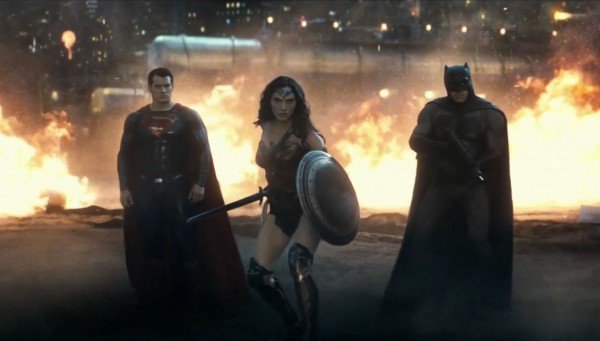
Complaining about this one almost feels like piling on at this point, but I can’t help it: leaving aside the humorless, sociopathic interpretation of its “heroes,” Dawn of Justice is a cluttered, kludged-together mess of a movie that would make even less sense to anyone who had never heard of Batman or Superman. I won’t deny that Snyder attempted to make some serious points about hero-worship and the burden of power, but every time I’m tempted to give credit for its ambition, or for good points like its introduction of Wonder Woman (Gal Gadot, the best part of the movie), I remember the nonsensical nightmare sequence (Sucker Punch starring Batman, i.e. the movie I suspect Snyder really wanted to make) or the plot-stopping interlude that serves only to introduce the members of the future Justice League. The result is a sprawling contraption designed primarily as a launchpad for future DC comic book movies. And I like comic book movies!
(P.S. I didn’t see Suicide Squad.)

yogahosers2

Dumbest movie that I will almost assuredly watch again: Yoga Hosers (Kevin Smith)
I actually had some hope for this one, against all reason to be optimistic: I liked Tusk, imperfect as it was, and this follow-up put the two Colleens (Harley Quinn Smith and Lily-Rose Depp, seen briefly in the first movie) front and center, facing off against living Nazi bratwursts in a convenience store. Perhaps it’s my affection for movies that take goofy premises and play them out to their logical ends, or perhaps I was hoping for something like The Gate or Freaked!: kid-friendly horror comedies that knew just how ludicrous they were and leaned into it. Or maybe it had just been a while since I’d treated myself to something so shameless. (A rip-off of Buffy the Vampire Slayer and Gremlins? With Nazis? Sign me up!) I’d have a hard time recommending the result, a comedy of cod-Canadianness so dopey it makes Bob and Doug McKenzie look subtle, but I would have loved it when I was 13, and I’d be lying if I said I wouldn’t watch it again. The two Colleens have a fun, snarky chemistry that reminds me of why Smith’s Clerks was so refreshing way back when; Justin Long as a seedy storefront guru makes me laugh; and I can even put up with the return of Johnny Depp’s Clouseau-like Guy LaPointe, who has a few choice lines about his attempts to cash in after solving the case of the “Winnipeg Walrus” in Tusk. You know what this means, right? I’m obligated to see the final installment of the trilogy, Moose Jaws (like Jaws, but with a moose), when it comes out.

Movies I didn’t get to but which probably would have been in the running: Green Room, Swiss Army Man, Arrival, Moana, La La Land, The Handmaiden, too many to name, really

My 2016 in Television

2016-tv

It’s funny that I don’t consider myself that much of a TV watcher anymore, at least compared to the amount of time I spend watching movies, but when I look back over the past year, I did watch enough to at least write about. (Sorry for the lack of pictures; I’m traveling this week and short on time. As much as I’d like to believe my deathless prose and penetrating insights are the reason people visit Medleyana, it’s an incontestable truth that pictures drive traffic. Don’t worry, my roundup of 2016’s films, set to run later this week, has plenty of pics.)

At the beginning of the year, I caught ABC’s two mid-season short series, Galavant and Marvel’s Agent Carter, both in their second (and, alas, final) seasons. Agent Carter was the 1940s-set spinoff of Hayley Atwell’s popular character from Captain America: The First Avenger, and continued the Marvel Cinematic Universe’s pattern of filling in details of its world. In this case, that meant spending more time with Howard Stark, father of future Iron Man Tony, and his man Jarvis (and filling in more of his backstory). However, it put off the foundation of SHIELD as once more Agent Carter found herself working on the outside (a situation that allows for both more drama and more overt commentary on the difficulty women found finding a place in postwar society once the boys came back from fighting).

The second series found Carter traveling to Los Angeles and getting mixed up in a case involving “zero matter,” a mysterious power source with links to another dimension, and one that, if uncontrolled, threatened to destroy the world. Zero matter was also part of the origin of the season’s antagonist, actress/scientific genius Whitney Frost (a barely fictionalized Hedy Lamarr). Frost’s frustration at being held back by men’s low expectations, revealed in flashback, and the way she eventually obtained power through manipulating men (as a movie star, as the power behind a rising politician, and as the lover of a mob boss) made for an interesting counterpoint with Carter’s own struggles living in a “man’s world.” The first Captain America film and the Agent Carter series have been some of my favorite parts of the MCU, so it’s unfortunate that Agent Carter won’t be returning for a third season (and with Carter’s death from old age in the current movies, we probably won’t be seeing much more of Atwell in the MCU unless there’s a special or a flashback, as in Ant-Man).

Galavant also ended after only two seasons: the musical comedy spoof was a favorite of mine in its first season, as the charming and dashing title character (played by Joshua Sasse) sought to rescue the love of his life, Madalena (Mallory Jansen), from the dastardly King Richard (Timothy Omundson) while teaming up with another princess (Karen David) displaced by Richard’s conquest. That traditional-sounding fairy tale setup was consistently undermined at every turn: Galavant, despite his rakish charisma, was a washed up has-been, supported in his return to form by his plucky squire (Luke Youngblood, memorable from Community for his turn as Magnum); Madalena turned out to not be waiting for her prince to rescue her, but was a more practical-minded gold-digger who considered being the King’s wife an upgrade: or at least she would if King Richard weren’t so ineffectual and childish. The second season explored the fallout of these character dynamics, with Madalena becoming a full-fledged power-hungry villainess and Richard, unseated from his own throne, befriending Galavant and discovering his latent capacity for heroism. Both seasons came to life with knowing references to clichés from both fantasy and musicals, with songs by Alan Mencken and an experienced theater cast to bring them to life (as well as a number of guest stars, ranging from John Hamm to “Weird Al” Yankovic) and finding time for moments for side characters such as the put-upon chef (Darren Evans) and his romance with fellow servant Gwynne (Sophie McShera), hilariously plagued by the life-shortening hazards of medieval life.

In the same vein, I caught up this year with the first season of Crazy Ex-Girlfriend, the star vehicle of actress-singer-songwriter Rachel Bloom. I’m not sure if I was even aware of Bloom before this year, but Crazy Ex-Girlfriend was one of the most talked-about shows in my circle of friends, and after getting started with Anthony Pizzo’s excellent articles on Bloom’s earlier songs and videos, I jumped on board. Like Galavant, the show is made by and for musical theater fans, with each hour-long episode including two or three songs in a variety of styles, reflecting the inner state of mind of Bloom’s alter ego, musical-obsessed Rebecca Bunch. As laid out in the show’s theme song (ironically, the weakest song in the show), Rebecca was a high-powered but deeply unhappy lawyer in New York City until a chance encounter with Josh Chan, the boy with whom she had a brief summer romance at theater camp years ago. Impulsively, she moves to Josh’s hometown of West Covina, California, and begins a new life, stalking Josh and talking herself into ever-more complicated situations, all while denying to herself that that’s why she moved there.

One could call it a deconstruction of I Love Lucy-style screwball antics, and as her earlier work suggested, Bloom is uniquely qualified to balance the comedy and pathos of a fundamentally damaged character. Given my adoration of Community, which similarly made comedy out of a sometimes-bleak perspective, it should be no surprise that I fell hard for this show (even though it took me half a year to finish the whole season, and I haven’t even started on season two).

I’ve also been enjoying the renaissance of DC superhero television, particularly Supergirl (which was somewhat uneven in its first season, but has delivered tighter action sequences and vastly improved character work this fall). Star Melissa Benoist is perfectly cast as the title character and is well served by an ensemble that has grown stronger (even with the unfortunate departure of Calista Flockhart as mentor Cat Grant). Aside from the show’s winningly optimistic spirit, Supergirl is also a treat for eagle-eyed fans, (for example) working in a reference to the “evil” Superman from Superman III or casting former TV Wonder Woman Lynda Carter as the President.

Another DC program, Legends of Tomorrow, was frequently awkward in its first season, but with the defeat of lame villain Vandal Savage and the exit of the equally lame Hawk people, the show has greatly improved in its second season, with a less heavy tone and more connection to the greater DC universe (both leaning into its time travel gimmick to feature characters like Western antihero Jonah Hex or the World War II-era Justice Society of America), even crossing over with the other DC shows in a faithful approximation of the comic books’ “multiverse” of parallel worlds.

Although not connected to the “Arrowverse” DC shows, and generally a show that I drop in and out of rather than watch faithfully, Gotham (a sort of prequel series about future Batman Bruce Wayne as a young boy) has had its moments. The best of all was a mini-arc in which Penguin (Robin Lord Taylor, channeling Crispin Glover’s alien charisma) was reunited with his father (guest star Paul Reubens, who had a cameo as the Penguin’s father in Tim Burton’s Batman Returns). While warmly received by his wealthy father, Penguin was not welcomed by his father’s family, to whom Penguin was simply a freak and an unwelcome intrusion into their plans to inherit the Cobblepot fortune. Over a handful of episodes, this sequence spun from heartfelt reunion to black comedy, and showed the reformed Penguin re-embracing his capacity for violence. It was the show’s high point as far as I’m concerned.

Finally, my summer was dominated by two science fiction programs: BrainDead, which I’ve already written about, and Stranger Things, the breakout Netflix series. Stranger Things got a lot of attention for its slavish recreation of an early 1980s aesthetic (primarily drawing from the work of John Carpenter, Stephen King, and Steven Spielberg, but with nods to John Hughes and Freaks and Geeks), but I don’t think it would have worked or been the sensation it was without its central ensemble of youthful actors. Its moody, Carpenteresque synth soundtrack also set just the right tone.

Monstober 2016

mural at 1st and Hillside in Wichita, artists unknown

Mural at 1st and Hillside in Wichita, artists unknown


Since for the last couple of years I’ve kept track of my October viewing and written about it, I’ve gotten in the habit of setting aside movies to watch during the Halloween season. I don’t set a strict schedule, since the odds are against me being able to keep it anyway, and I like to make choices as my mood strikes me, but I did have a stack of movies I had planned on getting to in October. However, once things came together to make October “kaiju month,” even those loose plans went out the window and I ended up spending the first half of the month watching monster movies, many of which are only nominally horror.

That’s OK: as I’ve said before, I’m not a “Shocktober” purist, and I cast a pretty wide net to include science fiction, fantasy and genre pictures during this month. But it did make my list pretty monster-heavy, and as you’ll see I ended up waiting until later in the month to get a very consistent “Halloween” vibe going. In any case, I got my fill of movies this month: at 37 films, including only three I’d seen before, I exceeded last year’s total of 31 movies. (It didn’t hurt that the movies I watched were shorter on average than in previous years, many under 90 minutes). This included several classics I was watching for the first time, as well as a few new releases.

1. Spirits of the Dead (Roger Vadim, Louis Malle, and Federico Fellini, 1968)
2. All Monsters Attack aka Godzilla’s Revenge (Ishiro Honda, 1969)
minilla
3. Son of Godzilla (Jun Fukuda, 1967)
4. The Exorcist (William Friedkin, 1973) *
5. Halloween III: Season of the Witch (Tommy Lee Wallace, 1982) *
6. Rodan (Ishiro Honda, 1956)
7. Destroy All Monsters (Ishiro Honda, 1968)
8. Phantasm (Don Coscarelli, 1979) *, r
9. Godzilla vs. Hedorah (Yoshimitsu Banno, 1971)
10. Godzilla vs. Gigan (Jun Fukuda, 1972)
11. Godzilla vs. Megalon (Jun Fukuda, 1973)
12. Godzilla vs. Mechagodzilla (Jun Fukuda, 1974)
13. Terror of Mechagodzilla (Ishiro Honda, 1975)
14. Phantasm II (Don Coscarelli, 1988)
15. Phantasm: Ravager (David Hartman, 2016) *
16. Shin Godzilla (Hideaki Anno and Shinji Higuchi, 2016) *
17. It’s Alive! (Larry Cohen, 1974)
18. Cloverfield (Matt Reeves, 2008)
19. The Witch’s Mirror (El espejo de la bruja) (Chano Urueta, 1962)
20. The Curse of the Crying Woman (La Maldicion de la Llorona) (Rafael Baledón, 1963)
lallorona1
21. Ghostbusters (Paul Feig, 2016) *
22. Dragon Wars: D-War (Hyung-rae Shim, 2007)
23. Night of the Lepus (William F. Claxton, 1972)
24. Mystics in Bali (H. Tjut Djalil, 1981)
25. The Giant Claw (Fred F. Sears, 1957) r
26. Daigoro vs. Goliath (Toshihiro Iijima, 1972)
27. Hocus Pocus (Kenny Ortega, 1993)
28. Godzilla vs. Destoroyah (Takao Okawara, 1995)
29. The ‘Burbs (Joe Dante, 1989)
30. Blood Orgy of the She-Devils (Ted V. Mikels, 1973)
31. How to Make a Monster (Herbert L. Strock, 1958)
32. The Baby (Ted Post, 1973)
33. Hotel Transylvania (Genndy Tartakovsky, 2012) *
34. Hotel Transylvania 2 (Genndy Tartakovsky, 2015) *
35. The Black Cat (Edgar G. Ulmer, 1934)
36. Carnival of Souls (Herk Harvey, 1962) r
37. Night Train to Terror (John Carr, Phillip Marshak, Tom McGowan, Jay Schlossberg-Cohen, and Greg Tallas, 1985)
night-train

* theatrical screening
r repeat viewing

(Sorry, no elaborate key to themes and images this year–maybe next time.)

david-pumpkins1

I also watched a few short films that don’t really fit on the list: a pair of shorts on superstitions, Who’s Superstitious? from 1943 and Black Cats and Broomsticks from 1955 (both aired earlier this month on TCM); It’s the Great Pumpkin, Charlie Brown (an annual viewing with the family, of course); Tom Hanks as David S. Pumpkins on Saturday Night Live; and assorted bumpers and trailers, not to mention this creepy Japanese Kleenex commercial.

Best movie: I saw several good films this month, but picking one that stands above the rest is more difficult than in previous years. Two of the films that gave me the most pleasure are rewatches: Phantasm and Carnival of Souls. (As an aside, the similarities between the two films are obvious when watched in close proximity: both obey the non sequitur logic of dreams or nightmares, and both feature protagonists menaced by suit-wearing older men who are apt to pop up at the most frightening moments. Upon seeing Phantasm for the first time last year, I had connected it to the dream-like disconnected narrative of Italian horror, but it seems possible that Carnival of Souls–itself an Americanization of Bergman and other European influences–also informed it. It’s also probably not a coincidence that both films had two of the best scores I heard this month: I’m jamming out to the Phantasm soundtrack right now, in fact.)

I liked most of the Godzilla movies I watched this month, as well, not only the “serious” ones but also the goofier entries with Megalon and the like (heck, I even enjoyed the very silly Daigoro vs. Goliath). I think my favorites were the two Mechagodzilla films, which balanced the campier elements of the Godzilla mythos (robots, space aliens) with the heavier themes of the more serious films: sacrifice, tradition, and kaiju as guardian spirits.

mechagodzilla

Ultimately, my pick for best first-time viewing is Shin Godzilla. Perhaps I was simply primed by all that Godzilla-watching leading up to it, but the experience of seeing Shin Godzilla in a theater packed with fans (the first Godzilla movie I’d seen in a theater since Godzilla 1985–no, I didn’t even get to see Roland Emmerich’s or Gareth Edwards’ films in theaters) was a high point of the month.

Worst movie: I watched a few clunkers this month, partly as a result of my search for the silliest giant movie monsters, but you also just never really know what will work for you until you pull the trigger. Dragon Wars: D-War, which didn’t make the silly monster list (the movie is ridiculous, but the monsters for the most part aren’t), was a famously terrible flop when it was released, but as janky as it was it also held my attention (its worst sins are convoluted, front-loaded exposition and an over-reliance on CGI, as if the filmmakers had learned the wrong lessons from the Star Wars prequels). Night Train to Terror, an anthology, almost lost me completely in its first segment, but recovered in the second and third parts with some charmingly primitive stop-motion monster effects (this short review of the Blu-ray release goes into more detail and explains why it took five directors to make this mess!).

Of the Godzilla movies I watched in the first part of the month, Son of Godzilla was my least favorite, with its emphasis on the uncomfortably squishy “baby Godzilla,” Minilla (yes, I even enjoyed the oft-maligned Attack All Monsters more than Son of Godzilla; at least Attack All Monsters has a definite point of view and some creative staging).

blood-orgy

However, I have to give the edge to Blood Orgy of the She-Devils. It’s a coincidence that I watched my first film from director Ted V. Mikels the same month that he passed away (I had bought the disc last month). As much as I hate to speak ill of the dead, the movie failed to deliver on its awesome title and was not only disappointingly tame, it was, even worse, boring. I’m told that this is typical of Mikels’ work, which is too bad.

Scariest movie: Well, did you see that Japanese Kleenex commercial?

kleenex

But seriously: I’ve written before about how easily scared I was as a kid, and how that’s left me playing catch-up with a lot of classic horror that I probably should have seen sooner. That’s how I ended up seeing The Exorcist for the first time this year, and you know what? After expecting the “scariest film of all time,” I just didn’t find it that scary. How can any film live up to a reputation like that? It probably didn’t help that The Exorcist has been so frequently referenced and parodied that I felt like I had already seen many of its most famous set pieces. Having said that, it was an excellent film, deserving of its reputation. It’s a great drama about faith and loss, with a lot of spooky atmosphere, but I couldn’t help but feel that it wasn’t really even trying to be the film I had been led to expect. Probably if I had seen it at a younger age it would have had more of an effect on me.

cloverfield_theatrical_poster

So what did scare me this month? “Toby Dammit,” Federico Fellini’s segment of Spirits of the Dead, had some eerie visual shocks, as did The Curse of the Crying Woman (the title character’s eyeless appearance is pretty creepy) and Phantasm II, but I think the most consistently tense and viscerally scary movie I watched this month is director Matt Reeves’ and writer Drew Goddard’s found-footage monster movie update Cloverfield. The immediacy of the found-footage device (a gimmick I’m not usually fond of) gives the audience the sense of being on the ground during a giant monster attack on New York City, the kind of scene that is usually visualized from afar (the story contrives to get the characters briefly onto a helicopter so we can get the kind of wide shot of the monster we’re used to seeing in films like this, but for the most part the handheld camera footage feels very naturalistic). In addition to the scenes of citywide destruction, there are sequences in subway tunnels underground that are extremely creepy, as the characters are stalked and attacked by the spider-like parasites that have dropped from the main beast. Finally, the circumstances by which the camera is recovered imply a government-conspiracy backstory to the events that is anything but reassuring. In fact, you know what? Maybe this is the best movie I saw this month (non-Godzilla category, anyway).

Funniest movie: The original Ghostbusters is one of my all-time favorites, but I was never a fan of its sequel or the spin-off cartoon series. It was pretty much just the first film, a unique blend of irreverent humor and special effects-driven action, and even then it wasn’t scary to me. So I wasn’t offended by the release of the controversial female-led remake this year, but I also didn’t have high hopes that it would recapture what I loved about the original. The new film was, when I finally saw it, quite enjoyable, even if not everything landed. If anything, I found the callbacks and reminders of the first film more annoying than affectionate: the pleasure of seeing the proton packs back in action, wielded by a new generation of characters, should have been enough. However, I won’t deny that it made me laugh; I’m comfortable saying that it is easily my second-favorite Ghostbusters film. (It was also interesting to see the movie, a summer blockbuster like the original, during the fall, and place it in the context of other supernatural “scary” movies: it works decently on that count, especially early on, but like many horror movies it becomes less rather than more frightening as the threat becomes known and it barrels towards the big climax.)

hotel-transylvania

Even funnier, however, was a film that took me by surprise: Hotel Transylvania, an animated film about Adam Sandler as Dracula, faced with the prospect of his daughter growing up and yearning to explore the world of humans, from which Dracula and his monster pals have been hiding for over a century. Nothing about that description, or the ads that were ubiquitous when the movie was released, made me want to see it, but I ended up enjoying it a great deal, laughing at Genndy Tartakovsky’s expressively cartoony animation style and the many sight gags and running jokes, and the story was actually rather touching.

Weirdest movie: As mentioned, Phantasm and Carnival of Souls are “classically” weird, and I would also put Halloween III in that category, combining as it does elements of horror and science fiction in a story that touches on many qualities of both fairy tale and nightmare. But there are movies that have weird stories, and there are movies whose entire existence seems unlikely: the weirdness is in their conception, leading not to questions like “what does this mean?” or “wait, was Ellie a robot the whole time, or what?” but to questions like “how did this get made in the first place?” and “how can I make sure I don’t meet any of these people in real life?”

the-baby

Such was my response to The Baby, the 1973 cult oddity about a social worker confronting a family whose twenty-something son has remained in an infantile state, pre-verbal, crawling, and wearing a diaper. Is he genuinely developmentally disabled, or is he being kept from growing by his domineering mother and stepsisters? Does the effect he has on women stem from something missing in their own lives, or is he capable of adult urges? Frequently disturbing, the movie subverted my expectations at every turn, right down to an ending that was head-smackingly obvious but which I still didn’t see coming. If I had to explain this movie, I would say “only in the ’70s.”

Goriest movie: Night Train to Terror (another candidate for “weirdest movie”) was by far the most graphic and bloody film I watched this month, and despite its deficiencies in other areas, I can’t deny that it delivers the kind of macabre violence–slashings, beheadings, and dismemberments, along with more exotic causes of death such as electrocution and exploding head (sorry, “catastrophic head injury”)–one associates with Halloween thrills. I don’t have much stomach for gore, but fortunately Night Train is a pretty cheap movie, and so over-the-top that it’s impossible to take seriously.

That’s it for this year: maybe I’ll keep watching horror movies through November and work through the stockpile of movies I didn’t watch this month, or maybe I’ll end up saving some for next year. But now I have some important candy to eat business to attend to. Happy Halloween!
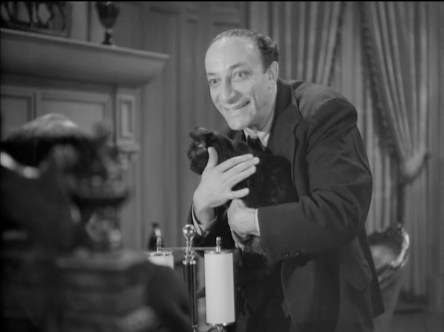
david-pumpkins2

Any questions?