The Secret Life of Sausages

Secret.Life

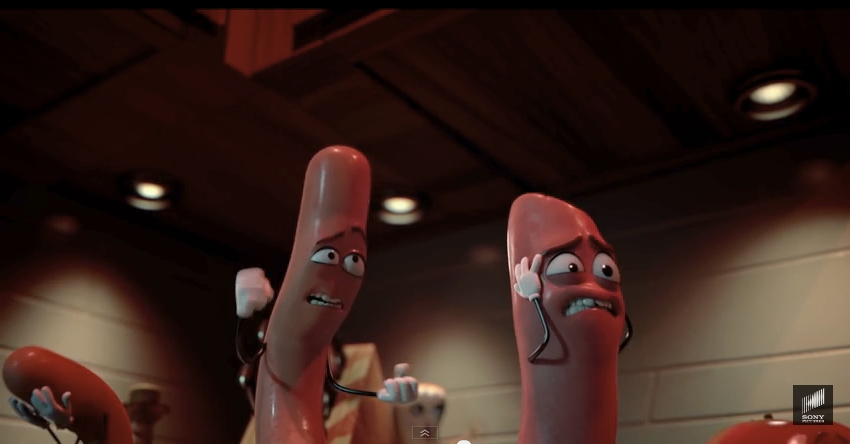
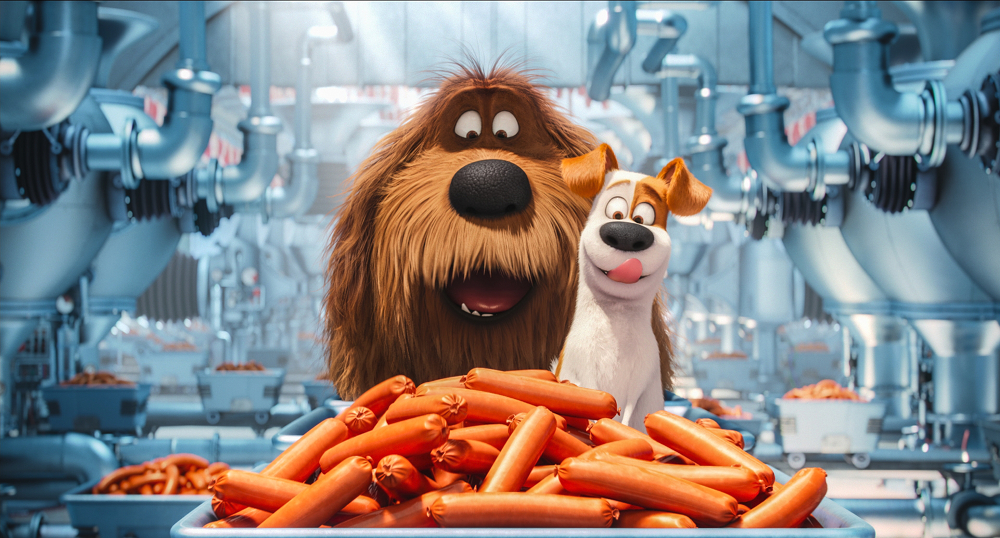
In The Secret Life of Pets, released last week, rival dogs Max and Duke, on the run after losing their collars and being separated from their owner, sneak into a Brooklyn sausage factory and eat to their hearts’ content. Their binge is interpreted as a dream sequence full of singing and dancing sausage links, set to Grease‘s “We Go Together” in a giant production number. (Co-director Chris Renaud has more to say about it here.) Of course it ends with Max and Duke chomping down on the wieners, even as the musical number continues. Yes, it’s reminiscent of the “Land of Chocolate” sequence from The Simpsons; Secret Life felt like it borrowed quite a few spare parts from other animated films, but that’s beside the point.

Sausage.Party

I hadn’t heard about this sequence or seen it in any of the advertising for The Secret Life of Pets, but it’s actually the first of three films scheduled for release this year that feature anthropomorphized hot dogs or sausages. Sausage Party, scheduled for an August 12 release, is an animated feature (story by Seth Rogen and Evan Goldberg) about a hot dog whose idyllic life in the grocery store comes to a horrifying end when he learns that the whole point of his (and his friends’) existence is to be eaten. From the trailer it looks to be a savage, raunchy twist on the Pixar “secret life of _______” formula, but no matter what, it definitely features a crew of talking hot dogs.

yoga.hosers

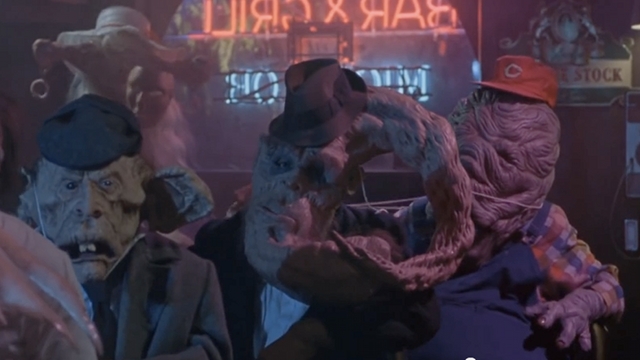
Then there’s Yoga Hosers (September 2), the latest from Clerks mastermind Kevin Smith, and the second installment of his planned “Canadian trilogy” after the gonzo body-horror movie Tusk. Although live action, Yoga Hosers looks to be cartoony in its own way, as it features a pair of convenience store cashiers (Lily-Rose Depp and Harley Quinn Smith) who confront an army of living Nazi bratwursts (“Bratzis,” of course). I’m not gonna lie: as dumb as this looks, it’s the kind of movie I would have loved when I was thirteen, and even now I appreciate a film that takes an absurd-on-its-face premise and runs with it. (At the very least, it’s a suitably weird follow-up to a movie about a mad scientist surgically transforming a man into a walrus.)

So what is the explanation for this coincidence? (Other than sausages being hilarious, I guess.) Paid product placement by Big Sausage (or, more likely, since all of these examples end up making meat-eating look kind of horrible, pro-vegetarian propaganda)? Synchronicity? A message from an alien race of talking wieners? I have no answers. All I know is that these three movies would make for one heck of a triple feature, or at least a very strange montage at the Academy Awards when all three films are inevitably nominated for Best Picture.

My 2015 in Film

This year I saw 17 new releases (US release in 2015), mostly action blockbusters and animated family films, with a few outliers. As always, I didn’t see nearly enough to offer a comprehensive ranking (as subjective as those things are to begin with), but I can at least point to some of my favorites. (Also, I’m terrible at ranking things, so this could easily change tomorrow, and in fact has already undergone changes since I started drafting this.)

Duke_of_Burgundy

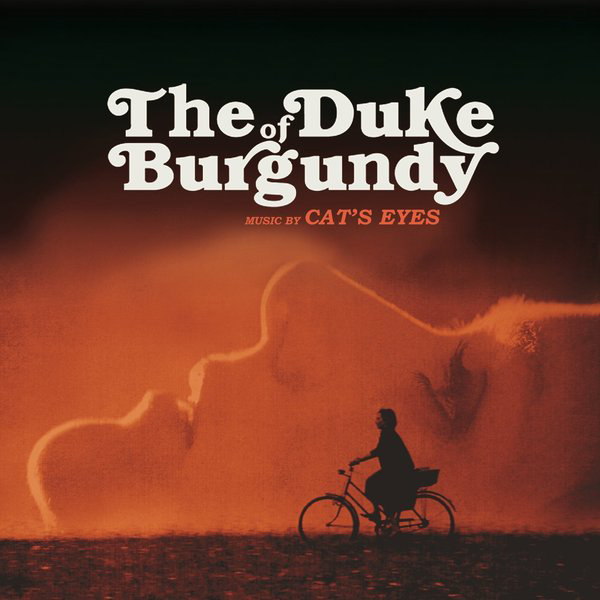
5. The Duke of Burgundy
I loved a lot about this movie, the story of a troubled dominant-submissive lesbian relationship. Director Peter Strickland’s appropriation of a 1970s European soft porn aesthetic, all soft focus and chanteuse-style pop music, is right in my postmodern wheelhouse (one of the opening credits, after “Dress and Lingerie” is for “Perfume by Je suis Gizella“). And there is a surprising streak of dry humor amidst the angst-filled meditations on control and the rigid boundaries we set for ourselves and each other. However, too many of the visual and auditory flourishes were straight out of David Lynch, particularly a sequence that felt uncomfortably indebted to Mulholland Drive, crossing the line beyond “homage.” I still liked the movie, but it may have been a victim of my high expectations.

Crimson-Peak

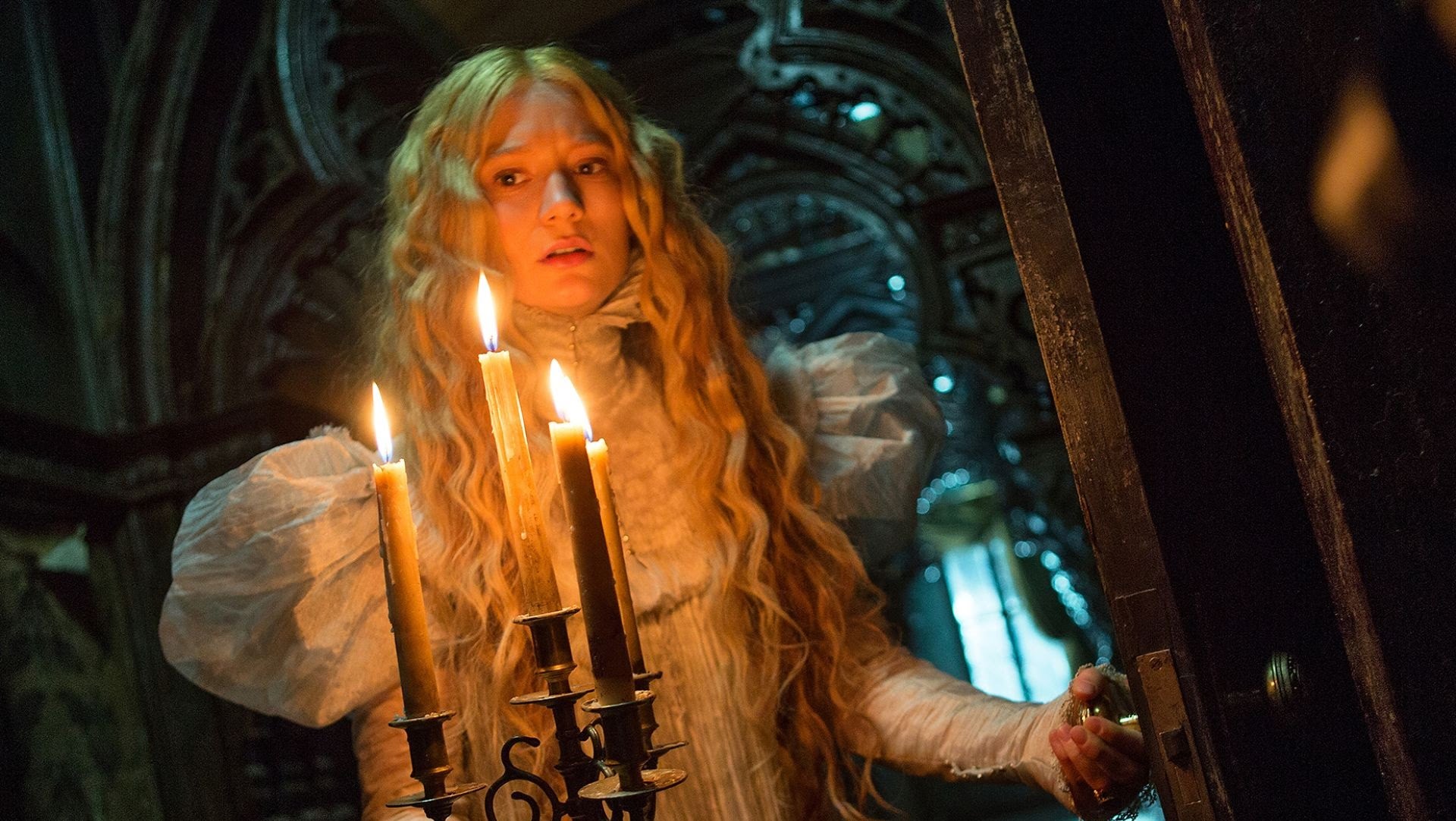
4. Crimson Peak
After Guillermo Del Toro’s previous film, Pacific Rim, Crimson Peak was a welcome return to focus on human characters and their problems, while still featuring the director’s trademark grotesque monsters (this time the bloody ghosts that haunt the titular mansion). A gloriously gloomy gothic romance, it starred a perfectly cast Tom Hiddleston and Jessica Chastain as siblings with a dark secret, and Mia Wasikowska as the innocent caught in their web.

she-devils

3. Mad Max: Fury Road
I was as surprised as anyone to see the post-apocalyptic Mad Max series come roaring back after a thirty year absence from the screen, but director George Miller had clearly spent the time away thinking about the logistics and meaning of his future-primitive setting. Tom Hardy is fine as the title character, but it’s really Charlize Theron’s show as the bad-ass Furiosa. In addition to updating the setting in light of concerns about environmental collapse and climate change, Fury Road gives a fiercely feminist reading of the traditionally testosterone-filled “road warrior” genre (here’s what I thought immediately after seeing it).

Inside_Out_(2015_film)_poster

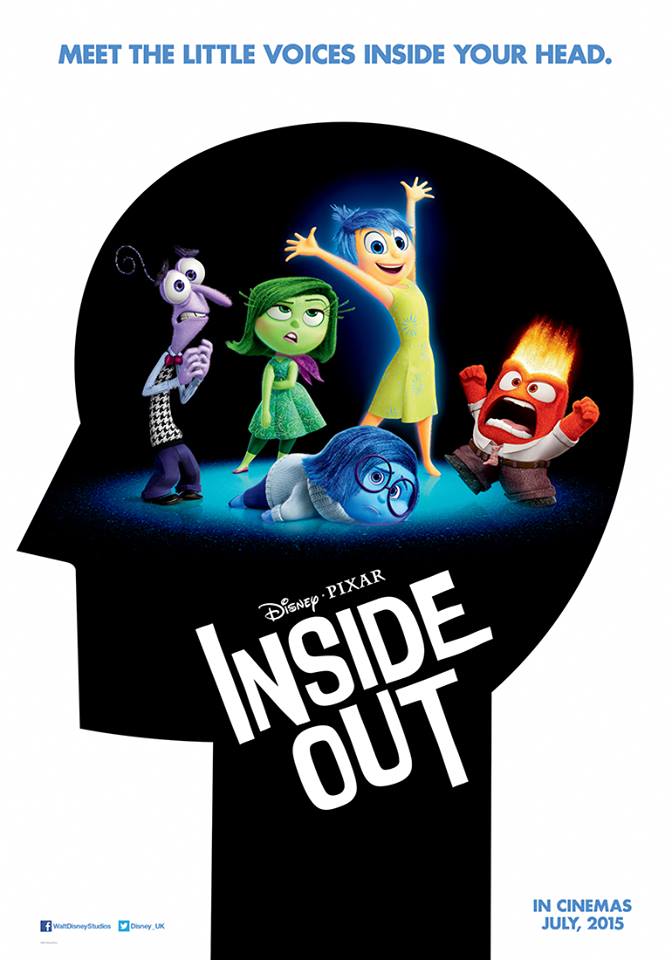
2. Inside Out
A return to the daring conceptual heights of Ratatouille and Wall-E, Inside Out is simply the best Pixar film in years. Unsurprisingly, Inside Out was written and directed by Pete Docter, who also created Monsters, Inc.: there’s a similar fascination with factory-like spaces and a unique “backstage” interpretation of Pixar’s usual “secret life of ______” formula. Although the focus is on Joy, Sadness, and the other personified emotions inside eleven-year-old Riley’s head, the film benefits from the animation studio’s increasing confidence in creating expressive human characters that don’t resemble creepy dolls. I doubt it would work as well as it does if Riley and her parents didn’t hold up their end of the story in their scenes.

what_we_do_in_the_shadows

1. What We Do in the Shadows
I already talked up this one as the funniest movie I had seen all year when I saw it in October, and in the two months since I haven’t seen anything to topple it from my top spot. In addition to its humor, however, What We Do in the Shadows is as tightly-plotted as an Edgar Wright film while appearing as off-the-cuff as a Christopher Guest mockumentary or The Office. It also turns out to have some clever (and often poignant) observations about family, friendship, romance, and ambition (the last represented by Jackie van Beek, a “thrall” who hopes to ascend to vampirehood, a process that resembles an unpaid internship and virtual slavery to her vampire “master”).

AntMan

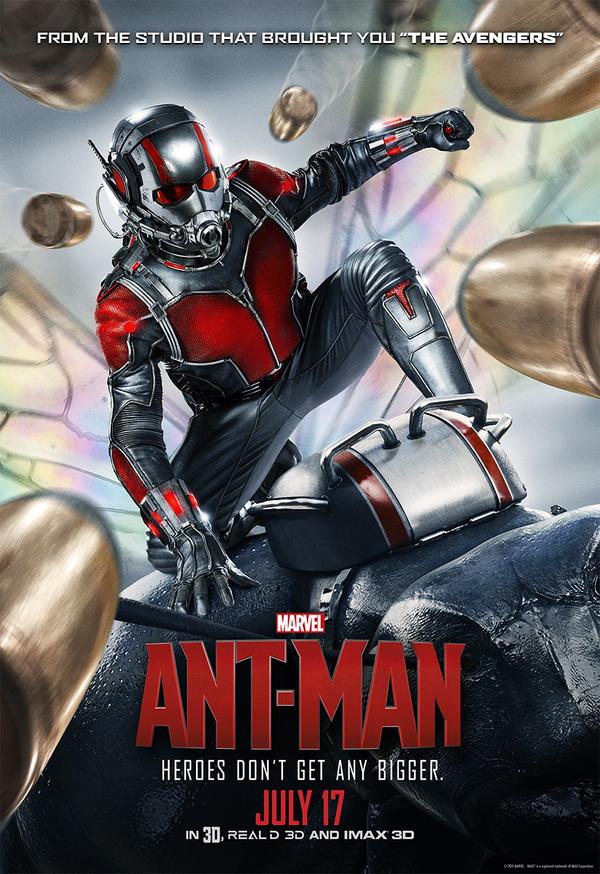
Honorable Mention: Speaking of Edgar Wright, like many I was disappointed when Wright left Marvel’s Ant-Man, citing creative differences. But the movie we got, directed by Peyton Reed, still has Wright’s fingerprints all over it, from the fast cutting and clever narrative tricks to the visuals, which play with scale in a number of humorous and dramatic ways. In general I’ve enjoyed the free-standing Marvel movies more than the big team-ups: as exhilarating as it is as a comic book fan to see stories overlap and interact on screen just as they do in the comics, there’s a limit to how many characters and plot lines can comfortably fit in a feature film before I stop caring about any of them.

Surprisingly Good: Home did very well for itself at the box office and mostly got decent reviews. But unless you saw it you wouldn’t know how visually inventive it is and how its sense of humor is frequently a lot weirder than the clips of Jim Parsons as an overly-literal alien shown in the trailers suggested. (I’m willing to believe that the film’s stranger touches are drawn from the book it was based on, The True Meaning of Smekday by Adam Rex, but I haven’t read it.) I also appreciated the film’s emotional stakes and the revelation that Inside Out wasn’t the only family movie this year to stress the importance of empathy and accepting that sadness and grief have their place as healthy emotions. Finally, props for the good use it made of Steve Martin, who should really be considered more often as a voice actor.

star_wars_buddies4LIFE

Best Reboot (non-Mad Max category): I was pretty high on Star Wars: The Force Awakens after I saw it, and even after cooling off there’s still a lot I like about it. Under the new management of corporate owner Disney and director J. J. Abrams, The Force Awakens feels like a Star Wars film, visually and aurally. The return to largely practical effects is appreciated, and the new characters and their stories have some compelling hooks. As a passing of the torch to the new generation, it’s much more successful than, say, Indiana Jones and the Kingdom of the Crystal Skull, which did little to make me care about Jones’ son Mutt. In fact, I liked just about everything about The Force Awakens except the plot, which is just too much of a rehash of the original 1977 film (especially considering the Death Star had already been redone in 1983’s Return of the Jedi). Considering that The Force Awakens‘ planet-sized Starkiller follows Star Trek Into Darkness, which used the same ploy of “like the Enterprise, but bigger” for its bad guy’s ship, I’m glad Abrams will be stepping aside for the next installment of the Star Wars saga. After the much-maligned prequel trilogy, however, this was probably just what was needed to right the ship and get audiences excited again.

Most Forgettable: Fortunately, this year I haven’t seen any new releases that I really hated, so I don’t have a pick for “the worst.” However, at the bottom of my list is Jurassic World, which delivered the big dinosaur action it promised but was lackluster in all other respects, both derivative and lazy. I also didn’t get much out of Avengers: Age of Ultron (see my above comments about team-ups), but unlike Jurassic World it at least had compelling characters and the advancement of the ongoing Marvel plot going for it.

2015 was also another big year for catching up on movies from the past. In addition to the second summer of exploring serials in my Fates Worse Than Death series and my successful attempt to take in 31 horror films in October, I took advantage of repertory screenings, DVDs, TCM, Netflix, and YouTube to watch a variety of older films throughout the year.

wickedlady

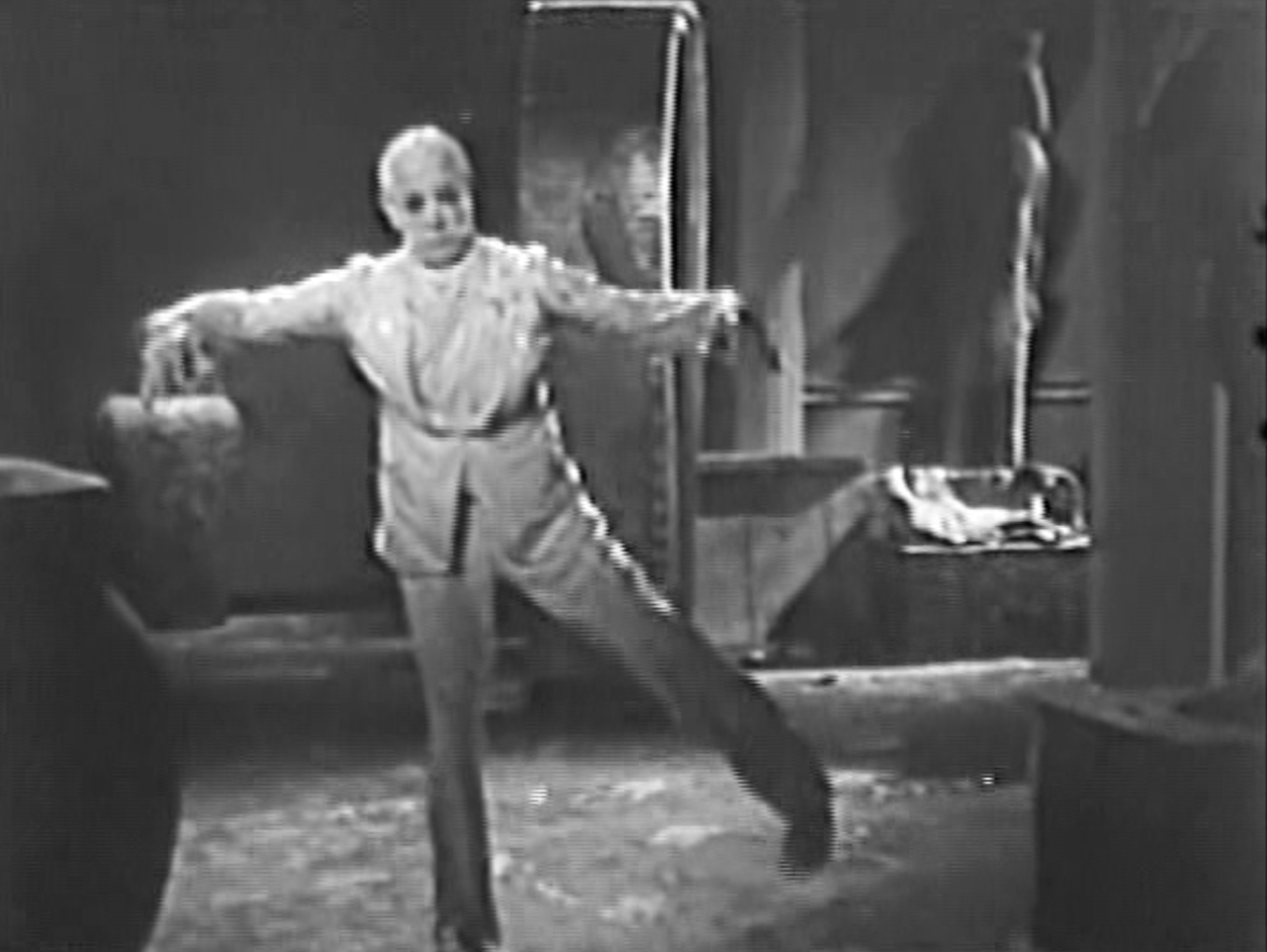
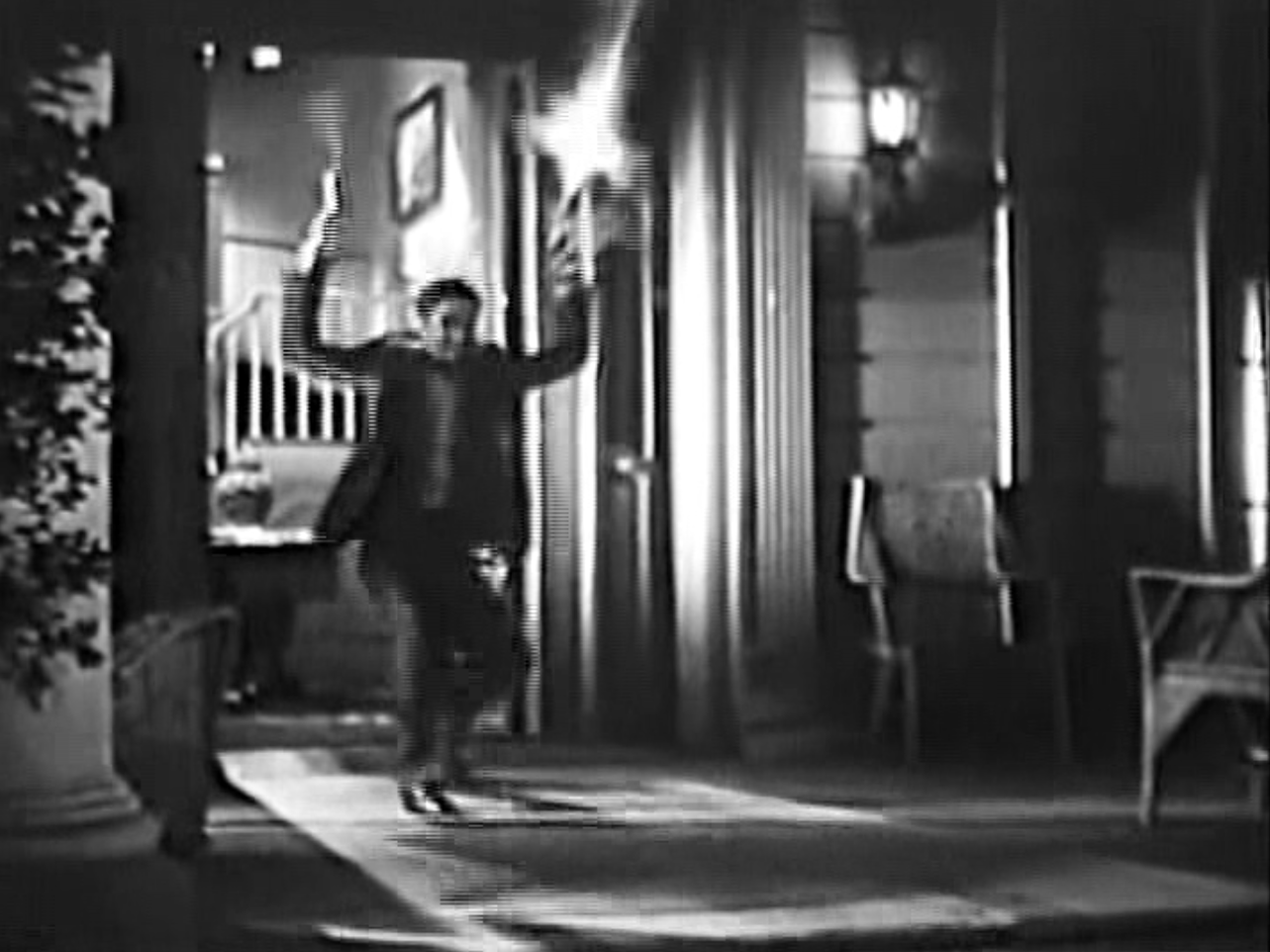
First-time non-2015 movies that I liked were (in no particular order) El Hombre y el Monstruo (a Mexican riff on Jekyll and Hyde featuring a classical pianist who has sold his soul to the devil: whenever he plays a particular piece he transforms into a murderous wolfman), Polyester, The Man Who Laughed, The Thing, Repo Man, The Wicked Lady (1945), and the double feature Grindhouse (particularly Planet Terror, Robert Rodriguez’s half, but I appreciated the spirit of the whole project). I also caught up with a few movies from 2014 that I had missed the first time around, among them The Babadook, Under the Skin (a film I respected more than loved, but which isn’t looking for my approval anyway), and Edge of Tomorrow (aka Live/Die/Repeat), which did something I wouldn’t have thought possible: delivered a military sci-fi movie that both held my interest and made me care about its characters.

conquest

Worst non-2015 movie: This is easy. After seeing Lucio Fulci’s City of the Living Dead last year, I wasn’t exactly a fan: the movie was pretty hard for me to take, both extremely gory and nerve-wracking in its disregard for conventional plotting. Still, that’s one way to make a memorable horror movie, and although I didn’t love it I was willing to explore Fulci’s filmography further. Unfortunately, the next Fulci movie I watched was 1981’s Conquest, a dismal sword-and-sorcery picture that was clearly made in work-for-hire mode. It has some stylish character designs and graphic fight scenes, and the trailer puts enough cool moments together that I expected a passable Conan the Barbarian rip-off. Alas, those moments are doled out in an extremely stingy manner and the rest is filled with walking and talking scenes that have almost no energy, resulting in a dull, lifeless slog. (As far as Fulci goes, I also ended up seeing The House by the Cemetery recently, and while I didn’t care for it much, it was a lot better than Conquest.)

That’s about it for my look back at 2015. Happy New Year, and see you in 2016!

October 31: Spooky Movie Round-Up

BasketCase3

As I did last year, I kept track of all the movies I watched this October, with the goal of watching at least 31. Unlike last year, I managed to do it: yes, with a little planning and a lot of gumption I was able to sit and stare at various screens for a total of roughly forty-eight hours over the course of a month. No, hold your applause . . . sit down . . . it really makes me uncomfortable to have the word “hero” bandied about so lightly–but between you and me, no wonder I have such a feeling of accomplishment. I probably could have fit a few more in, actually, but after getting to 31 I still had a few days left until Halloween, and I decided to just enjoy the last couple of days with my family (and the World Series).

I’m pleased at the diversity of the films on my list, including several from other countries and examples from each decade since the 1950s, and a few classics I hadn’t gotten to until now. Most of them were first-time viewings for me (but how could I resist a double feature of Alien and Aliens on the big screen?).

So here’s the list in the order I watched, with director and year of release, as well as a helpful key to point out some recurring themes and motifs:

1. The Fog (John Carpenter, 1980)** ggg
2. Phantasm (Don Coscarelli, 1979)** g
3. The Hunger (Tony Scott, 1983) m, v
4. House aka Hausu (Nobuhiku Ôbayashi, 1977) m, wx
5. Baba Yaga aka Kiss Me, Kill Me aka The Devil Watch (Corrado Farina, 1973) cam, wx
6. WNUF Halloween Special (Chris LaMartina et al, 2013) cam
7. The Return of the Living Dead (Dan O’Bannon, 1985) z
8. What We Do in the Shadows (Jemaine Clement, Taika Waititi, 2014)** cam, v, ww, wx, z
9. Frankenhooker (Frank Henenlotter, 1990) md, z
10. Basket Case 2 (Frank Henenlotter, 1990) c, t
11. Alien (Ridley Scott, 1979)*, ** r
12. Aliens (James Cameron, 1986)*, ** pl, r
13. Peeping Tom (Michael Powell, 1960) cam
14. Goke, Body Snatcher From Hell (Hajime Sato, 1968) vs
15. The Living Skeleton (Hiroshi Matsuno, 1968) md
16. Ship of Monsters (Rogelio A. González, 1960) m, r, vsx
17. Planet of the Vampires (Mario Bava, 1965) vs
18. The Spider Labyrinth (Gianfranco Giagni, 1988) ww
19. The Horror of Party Beach (Del Tenney, 1964) m
20. Genocide (Kazui Nihonmatsu, 1968) md
21. Basket Case 3 (Frank Henenlotter, 1991) c, m, pl, t
22. The Howling (Joe Dante, 1981)** cam, ww
23. Attack of the Puppet People (Bert I. Gordon, 1958) m
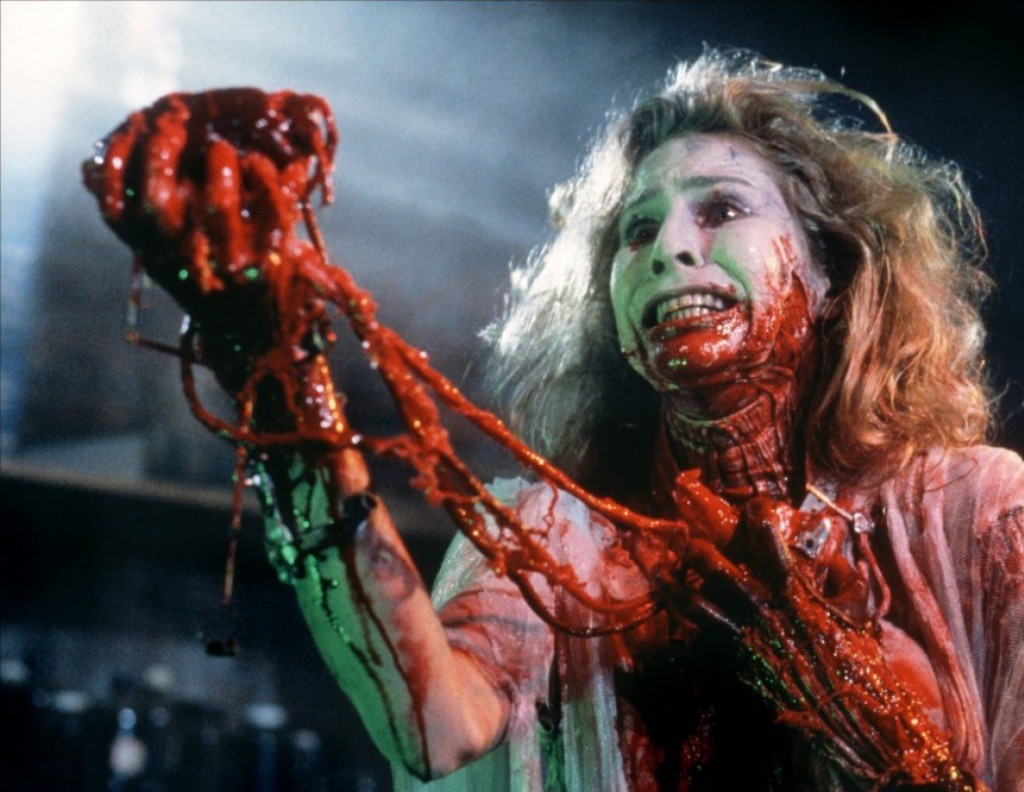
24. Re-Animator (Stuart Gordon, 1985)* a, hpl, md, z
25. Bride of Re-Animator (Brian Yuzna, 1989) a, md, w, z
26. Crimson Peak (Guillermo del Toro, 2015)** ggg, w
27. Beyond Re-Animator (Brian Yuzna, 2003) a, md, z
28. Dawn of the Dead (George A. Romero, 1978) cam, z
29. Day of the Dead (George A. Romero, 1985)** md, z
30. Zombieland (Ruben Fleischer, 2009) z
31. The Thing (John Carpenter, 1982)** md

* rewatch
** seen in theater

a: Arkham setting
c: monstrous or supernatural child
cam: camera/photography
g: gateway or portal to otherworldly realm opened
ggg: g-g-g-ghosts!
hpl: H. P. Lovecraft adaptation
m: musical number
md: mad doctor/scientist
pl: power lifter
r: robot/android
t: twins
v: vampires
vs: space vampires
vsx: sexy space vampires
w: character in wheelchair
ww: werewolf/animal transformation
wx: witch
z: zombies/re-animated/walking dead

MKBC2family

So this list is perhaps more representative of my tastes than last year’s, reflecting my relatively larger interest in sci-fi, gothic, and erotic horror than, say, slashers. What can I say? I like the weird stuff. (On the other hand, I don’t consider myself a huge fan of zombies, but I sure spent a lot of time with them this month; gotta catch up with the classics sooner or later, I guess.)

Yesterday I posted an article over at The Solute on the brief wave of monster solidarity illustrated by Basket Case 2 and 3 and some other movies from the early ’90s, and tied it together with some of the other movies I watched this month. Check it out when you have time for ca. 3000 words about monsters.

In the mean time, here’s my rating of the movies on this list:

the-thing1

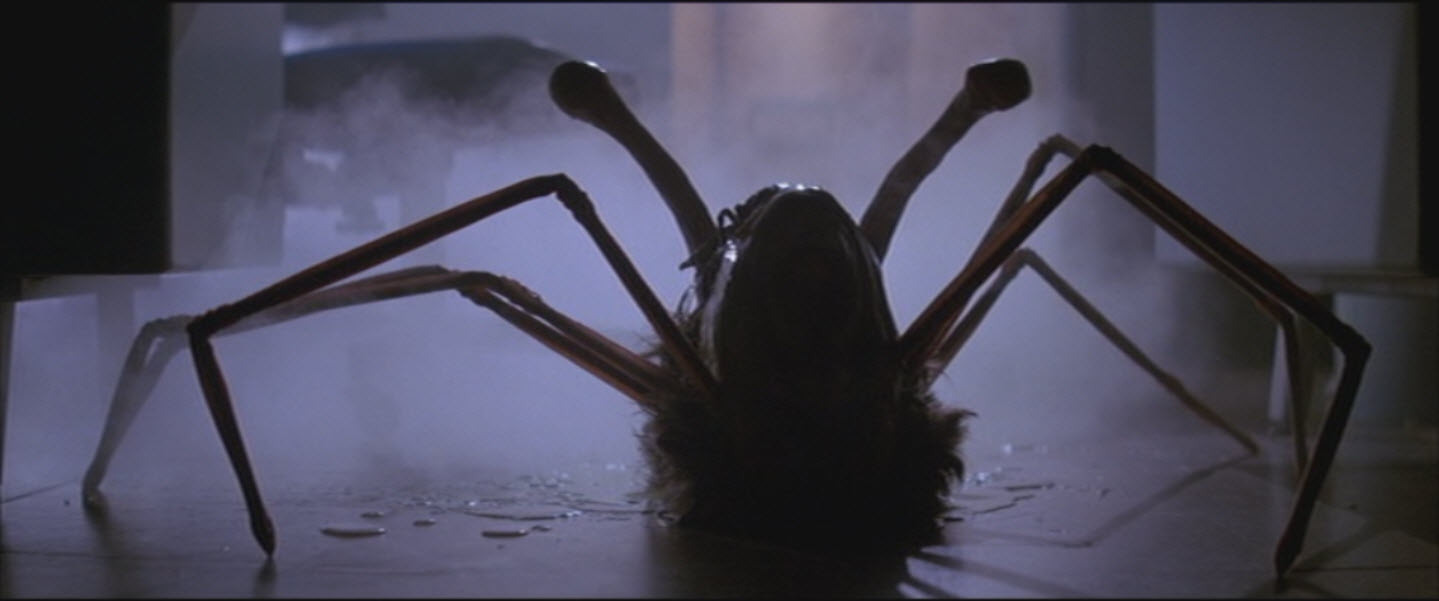
Best Movie: Well, Alien is pretty damn good, as is Re-Animator, but since those were rewatches I’m going to exclude them from consideration. Maybe it’s just fresh on my mind, but John Carpenter’s The Thing, based on the John W. Campbell story “Who Goes There?” (also the source material for 1951’s The Thing From Another World, which I haven’t seen) delivered almost everything you could want in a Halloween movie: suspense, scares, memorable characters, and crazy, inventive special effects in an eerie, claustrophobic setting. I say “almost” because, being about an all-male crew of researchers in an Antarctic base, it’s a complete sausage party (and it’s clear how much it owes to Alien after seeing both movies in close succession). Still, I have no excuse for not having seen this sooner, but it was worth waiting to experience it on the big screen.

HoPB

Worst Movie: I’d have to single out The Horror of Party Beach, which Stephen King memorably described as “a wet fart of a movie.” Cynically cashing in on the beach party and horror genres by combining them, it does at least have a good (if slightly silly) monster at its center, and the premise and characters suggest a better movie lurking within. The movie’s biggest problem is its indifference to tone: I don’t object to movies that combine comedy and horror, or switch gears midway through, but it takes some control on the part of the filmmakers, and Party Beach is surprisingly gruesome for a film that also includes one-line cutaway gags and a voodoo-obsessed black housekeeper as comic relief.

Scariest Movie: There have been a lot of discussions in The Dissolve’s Facebook group and elsewhere about how important scares are in horror movies: is a horror movie that doesn’t scare a failure? Is it even necessary to try to be scary if it otherwise falls within the genre? Is Crimson Peak underperforming at the box office because of a perception that it isn’t scary? (For the record, I found Crimson Peak intense enough for me and I enjoyed it very much, but it does build toward its scares gradually.) As I’ve written about before, I didn’t like scary movies as a kid, but now I watch and enjoy them, so if nothing else I’m very aware of how subjective scariness is and how much it depends on the viewer’s state of mind: is it fair to judge a movie that fails to scare a jaded horror movie veteran who sits, arms folded, and dares the movie to throw its worst at him? Or does a movie get credit for being randomly discovered on TV by an impressionable kid at the perfect age to have its images permanently branded on his psyche?

Personally, if a movie scares me now, I’m willing to give it credit, because it must be doing something right, even if all the evidence points to the opposite: if it’s scary, a story that doesn’t make sense follows “nightmare logic;” special effects that are obviously fake can still be creepily suggestive of “wrongness,” etc. If it’s not scary, all those things simply become laughable, and a movie that doesn’t scare had better have something else going in terms of plot, theme, or production.

Ultimately, I think horror movies are scarier when they reveal something dark about human nature (the ghosts in Crimson Peak are good for some tense moments, but the actual scary parts are the moments that focus on its heroine as she becomes aware of the net closing in around her, trapped in a house with murderers and conscious that they know she knows: that is a scary situation!); that may be why I’m less interested in films that are purely about human suffering, and why the films I gravitate to are more about fantastical concepts. Having said that, Day of the Dead is probably the best at combing tension, gore, and a bleak view of humanity that stuck with me, even with an ending that isn’t quite as dark as it could be.

Least Scary Movie: A 1958 film called Attack of the Puppet People from low-budget special-effects impresario Bert I. Gordon doesn’t sound like it would be scary, and it’s not. But it sounds like it would at least try to be scary, and it doesn’t even do that. There is very little “attacking” of any kind in this tale of a sad, lonely old doll-maker who uses a special device to shrink people to doll-size so that they can’t leave him. That said, it’s not a bad film, and there’s something of the Universal monsters’ pathos in the doll-maker’s self-justifying neediness. His wheedling insistence that if his victims would just accept their fate and let him take care of them, everything would be fine is reminiscent of a pedophile or an emotional abuser.

MKbride

Goriest Movie: Day of the Dead definitely doesn’t skimp on the blood and guts, something it has in common with all of the zombie/re-animation movies I saw this month. But I’m going to give Bride of Re-Animator the edge for its over-the-top climax.

Funniest Movie: I like my horror on the comic side, whether it’s the gonzo slapstick of Frank Henenlotter’s movies or the hangout vibe of Zombieland, but What We Do in the Shadows, a This is Spinal Tap-style mockumentary that follows a clan of vampires in New Zealand, was not only the funniest movie I saw this month but probably the funniest movie I’ve seen all year.

ShipofMonsters

Most Delightful Surprise: Ship of Monsters (La Nave de los Monstruos) was just a random YouTube recommendation, but it turned out to be a fun mash-up of sci-fi, monster movie, and musical comedy, just the kind of thing I like. It begins with two explorers, members of the all-female race that populates Venus, collecting male specimens from different planets to take back to their home in hopes of repopulating. Landing on Earth in Mexico, they encounter a singing vaquero who teaches them about love, something known only on Earth. Of course there are twists and turns, and the other specimens (a diverse crew of imaginative, if cheap-looking, space monsters) escape on Earth to wreak havoc. It sounds silly, and it is, very. This is the kind of movie where a robot falls in love with a jukebox: based on that, you should be able to tell whether you want to see it or not.

The One (Actually Two) That Got Away: I took advantage of several screenings that were part of the October at the Oldtown horror series this year, but I was spoiled for choice as the Palace Theatre was also offering special showings. By my count, there were at least twenty films offered at one- or two-day special screenings this month in my area, and I made it to about half of them. So while I didn’t see everything that was on offer, I attended as many shows as I could. The event I really regretted missing was a double feature starring the late Christopher Lee: Horror of Dracula (1958) and The Wicker Man (1973). Unfortunately, my schedule just didn’t allow it. Oh well, there’s always next year.

Until then, Happy Halloween, and DON’T TURN OUT THE LIGHTS!

Cowboys & Aliens: A Reappraisal

Following last week’s look at the odd history of the science-fiction Western, I offer a more detailed defense of 2011’s Cowboys & Aliens (warning: spoilers ahead). Like my article on Addicted to Love, this was written as an entry for Lovefest, an ongoing series organized by commenters on film website The Dissolve. The only requirement for Lovefest is that it is an appreciation of a movie that flopped, was panned by critics, and/or is generally forgotten.
cowboys.poster

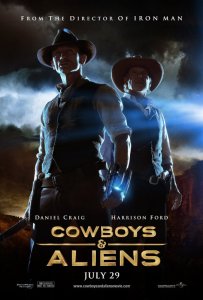
The title Cowboys & Aliens promises a high-concept romp. In interviews featured on the Blu-ray, writers Roberto Orci and Alex Kurtzman and director Jon Favreau mention that the title alone of Scott Mitchell Rosenberg’s comic book series got them excited, and perhaps Universal’s marketers assumed that audiences would be similarly turned on by the prospect of B-movie thrills in a genre mash-up. Further, the involvement of Favreau, known for witty banter and a slyly comic approach (whether directing Will Ferrell in a Christmas comedy or setting the template for Marvel’s superhero franchise with Robert Downey, Jr.), probably fed expectations that this would be more of the same.

Instead of the fun promised by the title, however, audiences got a fairly serious, even grim, drama that was surprisingly gruesome for its PG-13 rating and included moments of outright horror. (In the same featurettes, the filmmakers mention the inspiration they drew from Alien, but I don’t remember that being highlighted in the trailers.) There is some comic relief and plenty of action, but it’s not really a lighthearted movie. One never really knows how a movie will perform, but considering the talent involved and that audiences and critics claim to want original* blockbusters, a less generic title and more accurate marketing might have given the film a better chance. While a viewer might agree with everything I have to say and still not find this movie to their taste, fans of other maligned films like John Carter and The Lone Ranger will probably find something to enjoy in Cowboys & Aliens.

*In this case, “original” is a fuzzy concept: Cowboys & Aliens is original in the sense that it is neither sequel nor remake (even the comic book on which the film is based is hardly a well-known property, and appears to have been optioned solely for the name and concept), but it treads in well-worn pathways, featuring characters who are familiar by type if not by name.

cowboys.lonergan1

Set in 1875 New Mexico, Cowboys & Aliens begins with a man (Daniel Craig) waking up in the desert, injured and with no memory of who he is. On his wrist is a strange metal shackle; in his pocket, a picture of a woman (Abigail Spencer). After brutally fending off an assault by three highwaymen, this literal Man With No Name makes his way to a depressed mining town called Absolution. He makes the acquaintance of a pragmatic preacher (Clancy Brown) and a strange woman, Ella (Olivia Wilde), who recognizes the shackle and says she can help him recover his memory. An obvious man of action, the stranger can’t help but insert himself into a scene caused by Percy Dolarhyde (Paul Dano), a bullying, loudmouthed twerp who takes advantage of the protection of his father (Harrison Ford), the local cattle king whose business keeps the town alive.

Provoked by the take-no-shit stranger, Percy fires his gun carelessly, hitting a nearby deputy in the shoulder. The sheriff (Keith Carradine) has no choice but to lock Percy up, but he quickly realizes that the newcomer is Jake Lonergan, wanted for stealing a shipment of gold that belongs to Colonel Dolarhyde and for the murder of a prostitute; Lonergan gets locked up, too.

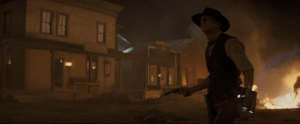
As night falls, the sheriff prepares to deliver both Percy and Lonergan to a judge in Santa Fe, and Colonel Dolarhyde and his men show up to stop him. Dolarhyde is first shown torturing a man whom he suspects of killing one of his herds (actually the work of the titular aliens, of course), and he has no qualms about using force to free his son or enacting rough justice on the man who stole from him.
cowboys.lasso2

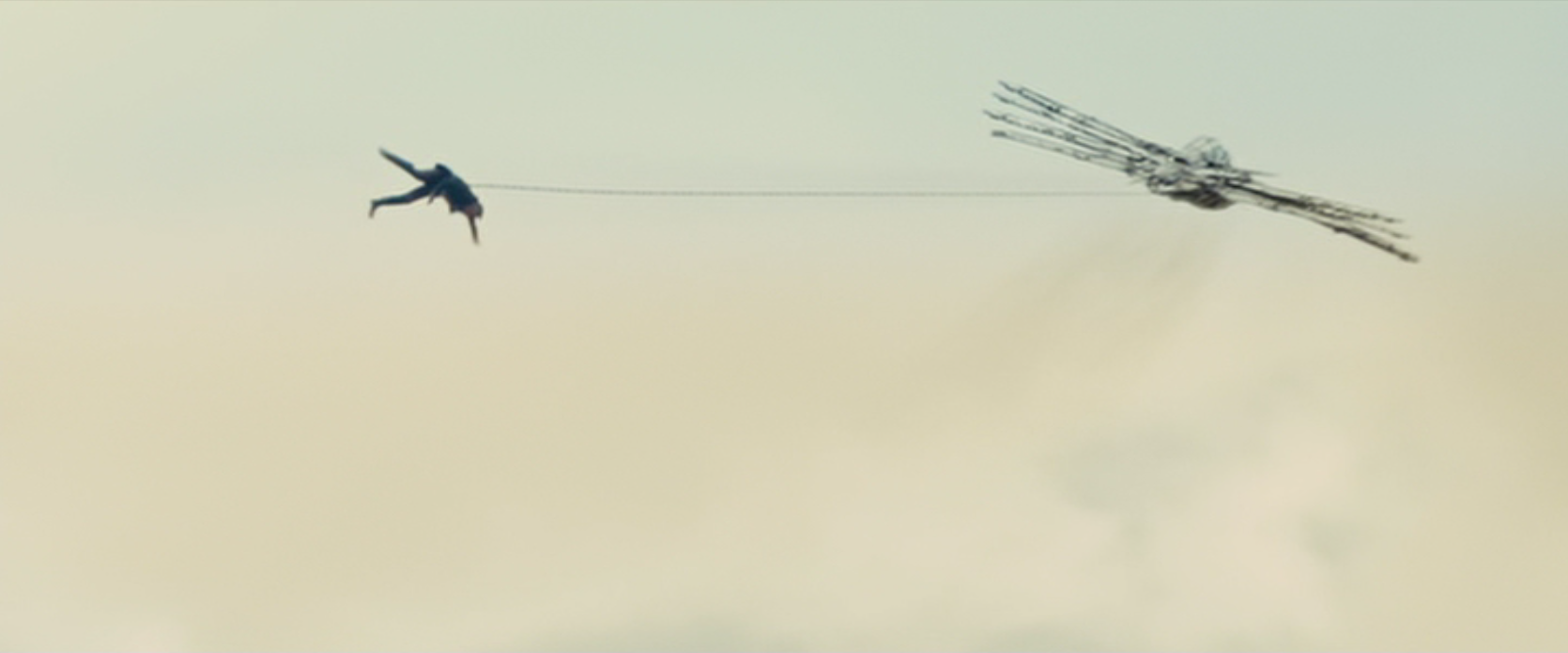
Just as all of these strands of plot are coming together, the aliens attack from the air, causing explosive mayhem with their lasers and pulling townspeople into the air with lasso-like snares. When the aliens’ ships come in range, the bracelet on Lonergan’s wrist lights up, and he finds that he can use it as a powerful blaster; he shoots down one of the gliders, but it is too late to halt the attack completely. In the chaos, Percy is among those captured, as are the sheriff and the wife of Doc (Sam Rockwell), the town’s meek doctor/barkeep.
cowboys.lonergan4

From here, the main plot is set in motion: Dolarhyde takes command of the situation and plans a rescue party, believing that the townspeople were taken alive for a reason. (“If they wanted ‘em dead, they’d be dead,” he says. “This was a round-up.”) Joining the search party are the tenderfoot doctor, who doesn’t even own a gun, and a young boy, Emmett (Noah Ringer), the sheriff’s grandson; Ella also joins for her own reasons, but Lonergan chooses not to go, even as Dolarhyde urges him to add his strange weapon to the search.

Where Cowboys & Aliens is most successful is in taking the premises of classic Westerns and alien-invasion stories seriously. The Western townspeople, while stock character types, are neither fools nor gifted with period-inappropriate knowledge. The film begins with several mundane plots in motion: there are no cardboard slasher victims, standing around waiting for the action to start. Further, they behave as any nineteenth-century person of average education might when faced with something beyond their understanding: when the aliens strike, some wonder if they are being attacked by demons, and they probably wouldn’t seek out trouble if they weren’t trying to retrieve their kidnapped loved ones. The film doesn’t count on the characters to relay exposition about aliens: we see the action through their eyes and fill in the details with our own genre experience.

As Lonergan’s memories gradually return, he visits an abandoned cabin, where he remembers bringing the stolen gold to his lover (the woman whose picture he had, and whom he is accused of killing), with the intention of starting over somewhere far away. In the first of several eerie flashbacks, the gold coins are melted into slag and sucked through the roof of the cabin by a mysterious force, and then one of the aliens’ skyhooks pierces the roof and captures the woman.

cowboys.gold

After finding nothing at the cabin, Lonergan joins the search party, which has been tracking an injured alien. The main tracker, a Mexican Indian named Nat (Adam Beach), is Dolarhyde’s hired man and Percy’s companion and protector, but is more importantly everything Percy isn’t: brave, competent, and honorable. To Dolarhyde, however, Nat is just a thick-skulled Indian.

After losing the tracks in a rainstorm, the party comes across an upside-down riverboat, stranded miles from any river. The searchers hole up in the eerie, decaying boat for the night, and several character arcs begin to unfold: the preacher helps Doc practice shooting; Dolarhyde reluctantly takes Emmett under his wing, giving him a knife for protection; Nat inadvertently reveals how much Dolarhyde has been a father figure to him, but is rebuked.

Will Doc learn to shoot in time to help save his wife? Will that knife come in handy just when Emmett needs it? Will Dolarhyde come to appreciate the surrogate son who has been in front of him the whole time? Most importantly, will Lonergan regain his memory and redeem himself after his former life of crime, coming to an understanding with the similarly hardened Civil War veteran Colonel Dolarhyde? If you can’t guess the answers to those questions, then you haven’t seen very many Westerns or sci-fi action movies.

cowboys.glider

It is worth emphasizing that Cowboys & Aliens presents a distinctly cinematic version of both the genres it combines: it is primarily an action movie with a secondary focus on character. Neither the history of the West nor a philosophy of science have any particular bearing on events, other than an awareness of the passing of the Indian in the face of white migration (something that is at the heart of many Westerns, but which is also, as we shall see, of thematic importance to Cowboys & Aliens).

As mentioned, the characters are archetypes of Western fiction; their familiarity helps us take sides right away. Also, whether consciously or not, Cowboys & Aliens exploits the fact that early filmed sci-fi took advantage of the rocky, arid terrain of the Southwest to stand in for alien planets. (The association of science fiction with desert landscapes has long literary associations, as well.) The same caves and canyons around Hollywood that were backdrops for Johnny Mack Brown and Tom Mix served just as well for the surface of the moon or the planet Mongo a few years later.

This is more than just convenience or historical association: it contributes vitally to the tone of the film. In an essay entitled “The Alien Landscapes of the Planet Earth: Science Fiction in the Fifties,” Vivian Sobchak points out that lonely, desolate places on earth have more power to awaken terror than visions of advanced technology that inevitably become dated with the passage of time. In Sobchak’s words, “What we wonder at today, we may laugh at tomorrow. But the desert and the beach, the wind and the sea, the black lagoon and the frozen stretches of Arctic ice do not date, and will never lose their power to awe and disturb us.”

The power Sobchak describes is what the romantics called the sublime, the combination of wonder and terror one experiences in the face of the vast works of nature such as the storm, or the sea . . . or the desert. It is what often makes even the lousiest Western worth watching for its panoramic vistas of the great plains, the deserts of the Southwest, or formations such as Monument Valley. Against the grain of much modern filmmaking, Cowboys & Aliens was filmed on location in New Mexico: all of its settings are real, physical places, even the spaceship interior sets; the aliens and their technology are brought to life with a mixture of CG and practical effects; and the daytime scenes are filmed with natural light. (Director of Photography Matthew Libatique is best known as a long-time collaborator with Darren Aronofsky, and had previously worked with Favreau on the first two Iron Man movies.) It is as real as a film about cowboys fighting alien invaders can be, and its sense of place is a powerful asset.**

**It also sounds great: composer Harry Gregson-Williams had the job of effectively scoring two movies, but his score fits together and bridges the gap between genres very effectively.

cowboys.footprint

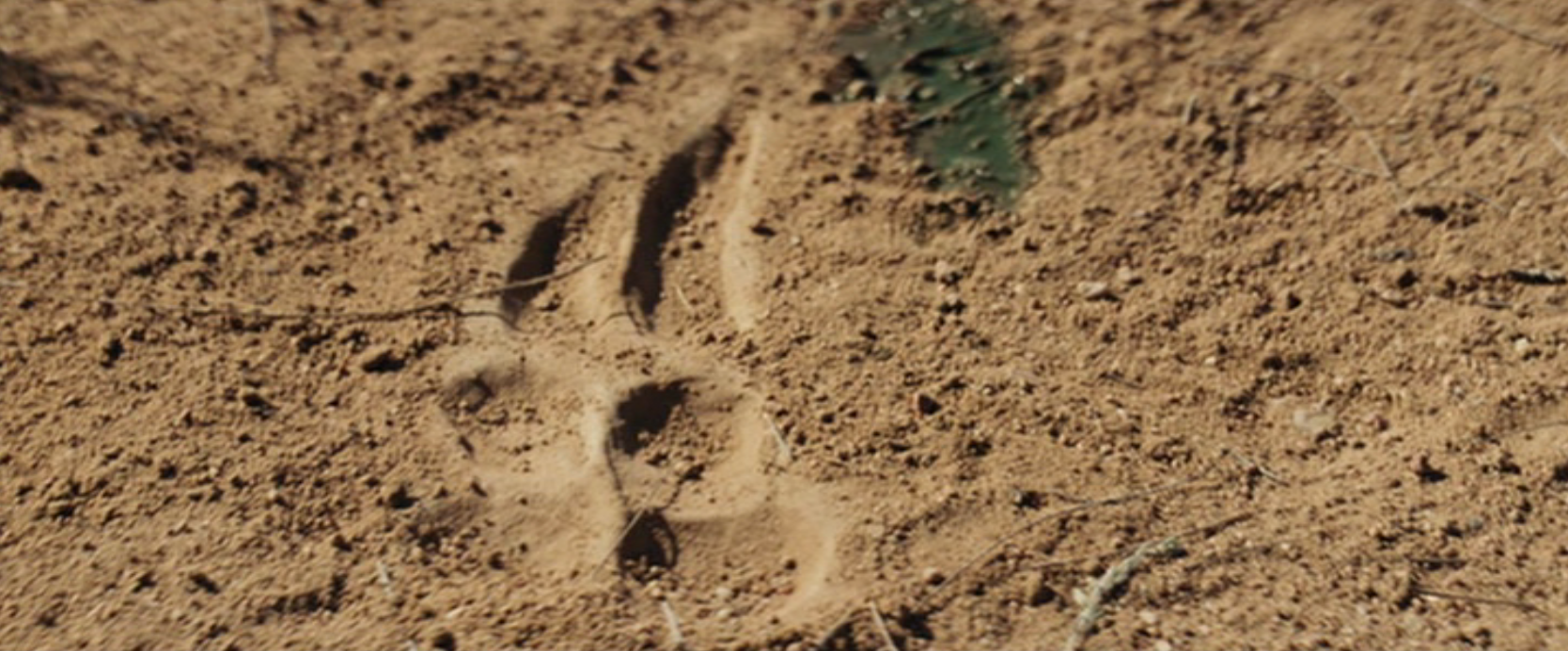
In the films Sobchak was writing about (largely low-budget monster and alien-invasion movies such as Them! and It Came From Outer Space), the scope and ruggedness of natural settings are only part of their effectiveness in setting mood: they are also isolated. The tension in these films is in part a product of their settings’ loneliness and distance from help, and the frisson generated when encountering something that doesn’t belong where no one should be: “strange inhuman footprints on an impressionable beach,” to cite one of Sobchak’s examples. Cowboys & Aliens features exactly that trope, with Indian tracker Nat following the trail of footprints left by the alien.

Tracking is an important part of Western lore, and the Indian scout is one of several archetypal characters the movie presents. The anxiety and eeriness of seeing the alien footprints is only slightly greater than that a settler might have experienced upon finding prints in unknown territory: do they belong to friend or foe? In that strange world west of the tree line, the unknown almost always represented danger.

cowboys.riverboat

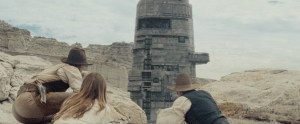
Another common visual motif of science fiction is the juxtaposition of the natural and the artificial, or the primitive and the high-tech (in his essay “The Science Fiction Film Image,”*** Fred Chappell identifies this as one of five types of incongruity that can make an image recognizably science fictional: “the spaceship in the wilderness” and “the spaceman among alien aborigines” are two examples he gives). The riverboat, already made eerie by its landlocked, overturned state, is half-overgrown with weeds, and rain water filters through its cracked floors and ceilings. It’s an image of nature and technology in collision, and its wrongness foreshadows the searchers’ ultimate destination, a tower-like spaceship hidden among the rock formations of a remote canyon. In Cowboys & Aliens, the aliens are the spacemen, the humans the aborigines, a very effective reversal of common imagery (more about this momentarily).

***Both Vivian Sobchak’s and Fred Chappell’s essays are found in the Monarch Film Studies volume Science Fiction Films, edited by Thomas R. Atkins.
cowboys.ship

Unbeknownst to the group, the injured alien is also hiding in the riverboat, and this sequence of the movie recalls Alien’s “haunted house” formula; the first clear view of the alien reveals it as a tall, vaguely humanoid creature with a mixture of reptilian and insectoid features (including, most disturbingly, a breastplate that opens to reveal a pair of tiny, grasping forelimbs for fine manipulation, a clear nod to the mouth-within-a-mouth of H. R. Giger’s xenomorph). The alien picks off a few members of the party, including the preacher, and escapes.

cowboys.alien2

The next morning, after picking up the alien’s fresh tracks, the party runs afoul of a gang of robbers: some of Lonergan’s old crew, now run by a dufus named Hunt (Walton Goggins). Lonergan, still not completely recovered from his amnesia, plays along and asks Hunt to take him back to the gang’s camp. It’s there that he learns that he had left the gang high and dry, taking their share of the stolen gold in order to run away with his woman. The gang isn’t too willing to have him back, and they threaten the members of the search party. Another aerial attack by the aliens interrupts them.

Ella is taken by one of the aliens’ lassos, and Lonergan manages to jump onto the ship carrying her, blowing it up with the blaster; they both land in the water, but Ella is wounded by the ship’s alien pilot, who also escaped the crash of his craft. Lonergan carries Ella back to the search party, but it’s too late: she is dead.

cowboys.Ella2

The party is surrounded by an Apache tribe on horseback who take them back to their encampment. Dolarhyde’s anti-Indian attitudes come to the fore, but Nat is able to translate and keep the two groups from killing each other. When Ella’s body is thrown onto a funeral pyre, it releases a burst of energy and she comes back to life: she is the last of her kind, one of another race that had already been wiped out by the aliens, and who has been following them to make sure no other world suffers the same fate as her home. Finally we get a little exposition: the aliens are part of a scouting mission, looking for gold (“It’s as rare to them as it is to you,” she explains) and abducting humans to perform tests and analyze their weaknesses in advance of a full invasion force.

Even when it’s clearer what is happening, there is no outpouring of foreign names or history, no grand mythology of which this film is only a single episode; in an era of incessant franchise-building, it’s refreshing to see such a self-contained story. (If the film’s poor performance has one bright side, it’s that we weren’t subjected to a series of increasingly convoluted and unsatisfying sequels.)

Because of its singularity—there is only a single scout ship, destroyed by the humans by the end of the movie—and its remoteness from civilization, this is a story that can take place without rewriting known history. It has a level of plausible deniability: even if the characters were to share their story at some point, who would believe them? (I don’t know if it was intentional, but this alien-invasion story fits neatly with the nineteenth-century “airship mysteries” that are sometimes cited as proto-UFO phenomena, not to mention the various hoaxes that filled newspapers of the time.)

In a sweat lodge ceremony, the Apaches help Lonergan recover the rest of his memories in a deeply unsettling sequence: a hard-to-place memory of his lover lying next to him is revealed to be her vivisection at the hands of an alien scientist, before her disintegration right before Lonergan’s eyes. In the flashback, he is strapped to a table, awaiting his turn to be tested and then exterminated. He remembers how the alien’s carelessness gave him the chance to steal its weapon and use it to escape, his mind still scrambled by a hypnotic light the aliens used to keep their captives docile.

cowboys.penned

At this point, all the threads come together for the big finish: Nat helps Dolarhyde reach an accommodation with the Apaches (who have also lost many of their people to the aliens) by explaining that Dolarhyde raised him like a son, even though they were not blood, and Lonergan rides out to convince his old gang to join the fight. The townspeople, gang members, and Apaches converge on the aliens’ base, a spaceship half buried in the ground in a remote canyon, disguised to look like the rocks around it. (I personally love scenes where erstwhile foes join together to defeat a common foe, like the gangsters and G-men standing up to the Nazis in The Rocketeer. If Cowboys & Aliens could be described as Independence Day in the Old West, at least it has more nuance than that film.)

The images of alien footprints and the alien vessel in the canyon are doorways from which the Western transitions into science fiction in Cowboys & Aliens, but they are also reminders that the Western is already a kind of science fiction, a historically-based example of Isaac Asimov’s definition of science fiction as “that branch of literature which is concerned with the impact of scientific advance upon human beings.” Although not always the central focus of Western stories, the telegraph, the railroad, the Winchester rifle, and even the horse—introduced by the conquistadors, and which transformed the plains tribes before settlers had even crossed the Mississippi—are clear examples of new technologies affecting entire civilizations. (Technological superiority alone does not account for the relentless expansion of colonists at the expense of Native peoples, but it is surely a significant factor.) Even if white settlers had been wholly benign, Native culture could not have avoided changing through contact and trade with them.

Cowboys & Aliens puts all its human characters, white and Indian alike, in the position of natives faced with conquerors who vastly outgun them (and will also outnumber them in the event of a full-scale invasion). The Apaches and whites, who otherwise would have no cause to trust or associate with each other, have a good reason to work together here. The aliens see humanity as a mere inconvenience, almost beneath notice, fit only to exploit and experiment upon; they sweep in and take what they want, in a pattern of conquest that (according to Ella) has happened again and again. Human beings are even compared explicitly to cattle, first by being roped up and taken, and then by being penned while they await slaughter. The movie doesn’t hit us over the head with it, but it isn’t subtle.
cowboys.watches

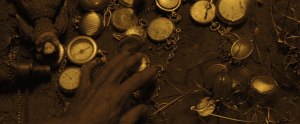
The film is at its most horrifying not when the searchers are being picked off by a lone alien in the upside-down riverboat, but in Lonergan’s memories and his return to the spaceship. Watching his lover disposed of as a science experiment; finding piles of pocket watches and glasses from past victims; the prisoners herded together as a nameless mass awaiting their turn—and Lonergan remembering himself as one of them: these are images not just of genocide, but of Holocaust, the scientist-alien (whom the filmmakers in their commentary describe tellingly as the uber-alien) as Dr. Mengele. It is this, more than anything else in the film, that likely made it so hard to swallow for audiences who only wanted a Western lark with a twist, an afternoon with the kids to sit in air conditioning and eat popcorn, and it makes the cannibalism and Indian slaughter of The Lone Ranger seem measured by comparison.

cowboys.uber

Finally, a few words about the cast: it’s loaded with well-known stars and terrific character actors, but as we all know that doesn’t always lead to a good movie. In this case, however, the cast has great chemistry; most of the actors are familiar faces with experience in Westerns and do many of their own stunts, adding to the sense of lived-in reality. Daniel Craig is a natural as a bad man who finds himself capable of heroism, and Olivia Wilde’s otherworldly beauty makes her an excellent choice for her role; the supporting cast is also a pleasure to watch. I’d like to single out Harrison Ford, however, for the best performance he’s given in years. Colonel Dolarhyde is the kind of tight-lipped grouch Ford has been playing for the last decade-plus, but here he doesn’t come off as a pampered, over-the-hill star marking time until he can get back to flying his plane. His anger, his disappointment in his son, and the bitterness that has grown into a thick shell around him feel genuine, and his last scenes with Nat are moving in the best hey-I’m-not-crying-it’s-just-getting-awfully-dusty-in-here guys’-movie tradition. In the interviews on the Blu-ray, Ford mentions that he’s playing the old man role, mostly talking while Craig does all the stunts. It’s an exaggeration, but it points to a relationship that plays out on screen, with the grudging respect that develops between the two men unfolding naturally. Harrison Ford is really acting in this one, guys: see it and believe it.

cowboys.dolarhyde1

Hitch Your Wagon to a Star: The Elusive Hollywood Sci-Fi Western

Despite the title, not a space Western

Despite the title, not a space Western

It seems like it should be easy: “space cowboys” such as Han Solo and Mal Reynolds are essentially Old West gunslingers dropped into the cockpit of a spaceship, so why shouldn’t it work the other way around: a robot on horseback or a space alien on a stagecoach? Despite the longstanding popularity of both Westerns and science fiction, the number of films that successfully bring the two genres together in this way is surprisingly small. To be sure, ghost stories, tall tales, and bloody violence are all established parts of Western lore, and some great movies have been made exploring these themes, but the “weird Western” typically explores the boundaries of fantasy and horror, myth and history, rather than science fiction. It turns out that it’s easier to move the Old West into outer space than vice versa.

Undoubtedly, the cinematic grandfather of all such hybrids is the 1935 serial The Phantom Empire (of which I have written more extensively elsewhere), in which singing cowboy Gene Autry runs up against members of a super-advanced underground civilization. In their book The Great Movie Serials, Jim Harmon and Donald F. Glut characterize The Phantom Empire as the beginning of a cycle of “zap-gun Western” serials. However, the other examples they cite, such as Tom Mix’s final film The Miracle Rider, involve super-science of purely human invention, and lack the sense of weird mystery and contact with alien forces that makes The Phantom Empire so distinctive.

PErobot.disguise

Perhaps the reason there have been so few overt fusions of science fiction and the Western in film is that such a hybrid is redundant: once science fiction (especially in the pulpy, action-adventure mode that has dominated popular film-making) took over the Western’s role as the main arena for playing out America’s myths and fears, it borrowed wholesale many of the plots and character types associated with the older genre, effectively replacing it. Good guys (almost exclusively white in the early years of both genres) and bad guys (sometimes literally alien, sometimes white men whose greed had overcome them); a thirst for exploration and conquest, usually in the name of civilization but often identified with commercial interests; and a sense of isolation, of being separated from the routines and mores of the old world (including meditations on the softening, corrupting influences of civilized society), were all notable features of both the Western and early science fiction, to the point that “horse opera” could be updated to “space opera” without any misunderstanding on the part of audiences. The “edge of civilization” was constantly moving outward: Star Trek’s description of space as “the final frontier” is illustrative.

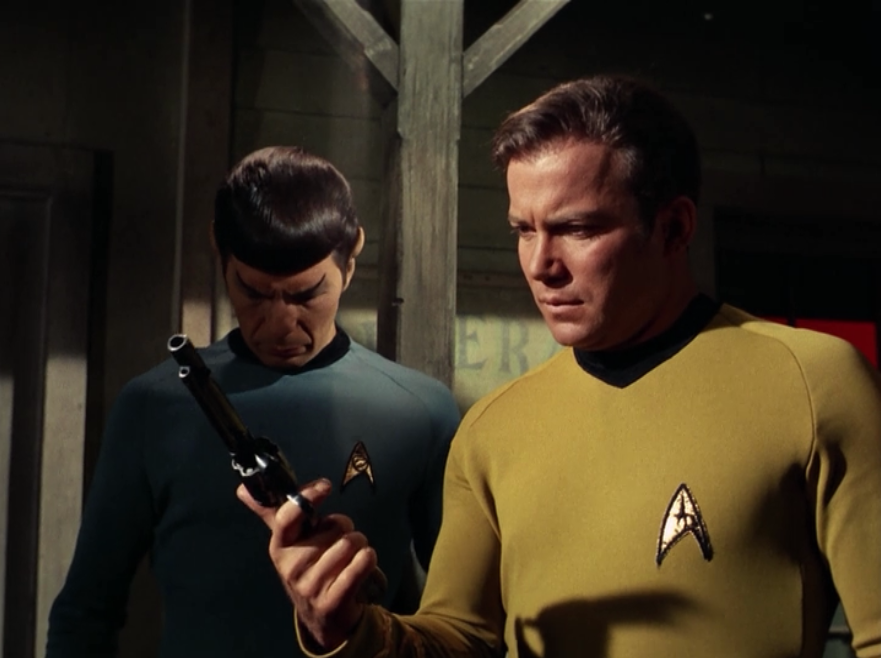
Show creator Gene Roddenberry pitched Star Trek as "Wagon Train to the stars." A few episodes, such as "Spectre of the Gun," made it literal.

Show creator Gene Roddenberry pitched Star Trek as “Wagon Train to the stars.” A few episodes, such as “Spectre of the Gun,” made it literal.

Besides the gunslinger, other characters, such as the alien other, the damsel in distress (or the hooker with a heart of gold in racier manifestations: neither genre had much use for well-developed female characters, as pioneering was considered man’s work), the white man “gone native,” the amoral company man, and the wise tribesman (often the last of his kind, given a tragic nobility once no longer a threat) were translated easily. Science fiction, arriving as it did in a period of both rapid dissemination of ideas and ready access to literature of the past, became a clearinghouse of genre storytelling, absorbing themes and tropes like a sponge. From this point of view, it’s only natural that Terry Gilliam could describe Darth Vader as “the cowboy with the black hat,” that Flash Gordon’s Princess Aura fits the mold of the femme fatale, and that Seven Samurai could be remade as both a Western and as a space adventure. Ultimately, callow, daydreaming farm boys are the same everywhere, whether from Texas or Tatooine.

In that case, the distinction between the two genres is one of iconography, and iconography flourishes in visual media: comic books and cartoons have always been friendly to the robot in a cowboy hat, as have the pop surrealism movement and the artists who contribute to sites like DeviantArt. When it comes to mixing and matching, Western and sci-fi are primary colors that can be laid on in broad strokes.

Bender3

Both literary and cinematic science fiction have had to work to absorb Western motifs, however: all but the most fantastic stories attempt to rationalize the mixture of Old West and New Frontier, and here the difference between the two genres is a clear obstacle.* The Western is rooted in a specific time and place, and once that historical moment was over, the Western became a genre about the past (one reflecting contemporary attitudes, to be sure, but almost always focusing through the lens of history); science fiction, especially in the early Space Age, was about the future, and whether focused on the promise of exploration or the horror of nuclear war, it used speculation about the future to examine the current moment. In short, both forms stood in the present, but the Western looked into the past, either searching for some imperialistic original sin or retreating into comforting nostalgia, while science fiction looked into the future, projecting either our hopes or fears.

wild-wild-west-kenneth-branagh

Given that difference in emphasis, science fiction has often chosen to visit the Old West by means of time travel or alternate history. The “steampunk” movement has produced a wide variety of literature, some of it great, but on film it has been too often a faddish visual template that can be applied to the same old pulp storytelling: the result has been ambitious failures like the film version of Wild Wild West or “high concept” dreck like Abraham Lincoln, Vampire Hunter. (Complaints about the perceived hackiness of combining the two genres aren’t new: Wikipedia’s “Space Western” entry notes pulp-era efforts to stamp out lazy updates of Western plots in sci-fi garb, including one magazine’s ad campaign claiming “You’ll never see it in Galaxy.”)

Westworld_ver2

Better are films that find ways to repurpose the trappings of the Western, like Westworld, in which the Western setting is a fiction within the fiction, or Serenity (the belated finale of television series Firefly), which makes explicit both the themes of colonization and post-civil war disillusionment that are a part of the Western. In both cases, the adoption of Western dress and lingo are made to seem not only organic to the setting but essential to the stories being told: both use science fiction to interrogate the Western, and by extension mythmaking in general.

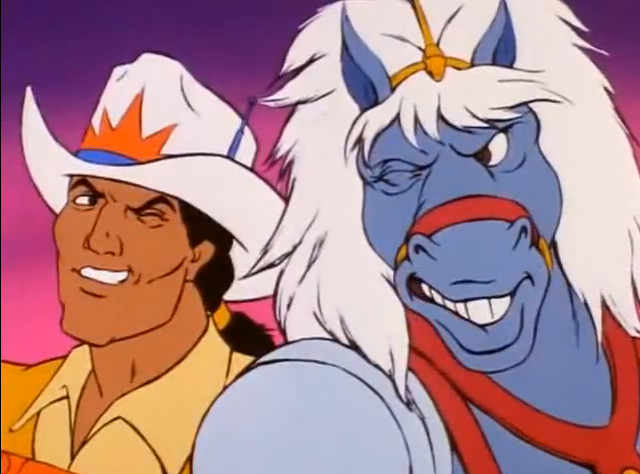
* Even excursions into outright fantasy don’t always pass the laugh test: I invite you to consider the short-lived 1987 cartoon series BraveStarr:

I’ve also just become aware of a 1999 film called Aliens in the Wild, Wild West that doesn’t look too promising; although I haven’t seen it, an imdb reviewer calls it “one of the top ten worst movies I have ever seen.” Tellingly, like The Phantom Empire and like BraveStarr and similar cartoons, Aliens in the Wild, Wild West appears to have been made primarily for children.

BraveStarr

BraveStarr

Next week, I’ll look at a recent example of the genre, 2011’s Cowboys & Aliens.

My 2014 in Film

matinee

Another year is coming to an end, and with it another slate of new film releases. As I did last year, I came up with my own (necessarily incomplete) list: not necessarily the “best” of the year, but my favorite movies and other pop culture among those I was able to catch in the last twelve months. And unlike last year, I’m including a list of some non-2014 movies I caught up with for the first time.

I didn’t keep a list of movies I watched (other than the list I kept during October), but perhaps I should have, as this was a big year for me to catch up on movies. Keeping a list is not a passive act, however: with list-making comes the desire to add to the list, to see it grow. For my rather meager reading this year, that’s a good thing, but if I had kept track of movies I watched I might have tried to watch even more than I did, and felt as drained as I did after my October marathon. Still, lists are great for looking back at what you did, watched, or read over the year: January seems awfully long ago when I look back at what I was doing then.

I saw sixteen 2014 releases, either in the theater or at home. There are several I still haven’t seen, such as Interstellar and The Babadook, that I expect to respond to when I catch up with them, but here are my top three favorites so far:

GRAND BUDAPEST HOTEL_c371.JPG

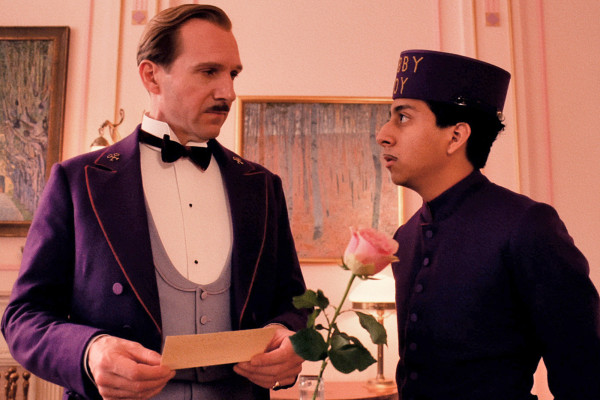
3. The Grand Budapest Hotel. I’m a sucker for writer/director Wes Anderson’s carefully-curated style, and I was particularly receptive to this multi-layered story, set in the fictional Alpine nation of Zubrowka. I had a Czech composition professor who always bristled at the term “Eastern Europe,” and liked to point out that Prague is actually to the West of Vienna; it was hard not to think of him, and of a summer trip to Prague, when watching this. Inspired by the writings of Stefan Zweig, Anderson gets the sense of being at the crossroads of East and West, of being somewhere off the map, and of “small” countries’ determination to hold onto their idiosyncrasies in the face of empire, be it political or cultural. In addition, the majority of the film is set in the early 1930s, the anxious period of fascist uprisings that would inevitably lead to war and sweep away the old world that the titular hotel and its dapper concierge (Ralph Fiennes) represent. The juxtaposition of a farcical caper with looming historical tragedy gives the standard Andersonian business a more directly political edge than usual, and is a good fit with the sadness that is often just under the surface of Anderson’s whimsy.

Whiplash-5547.cr2

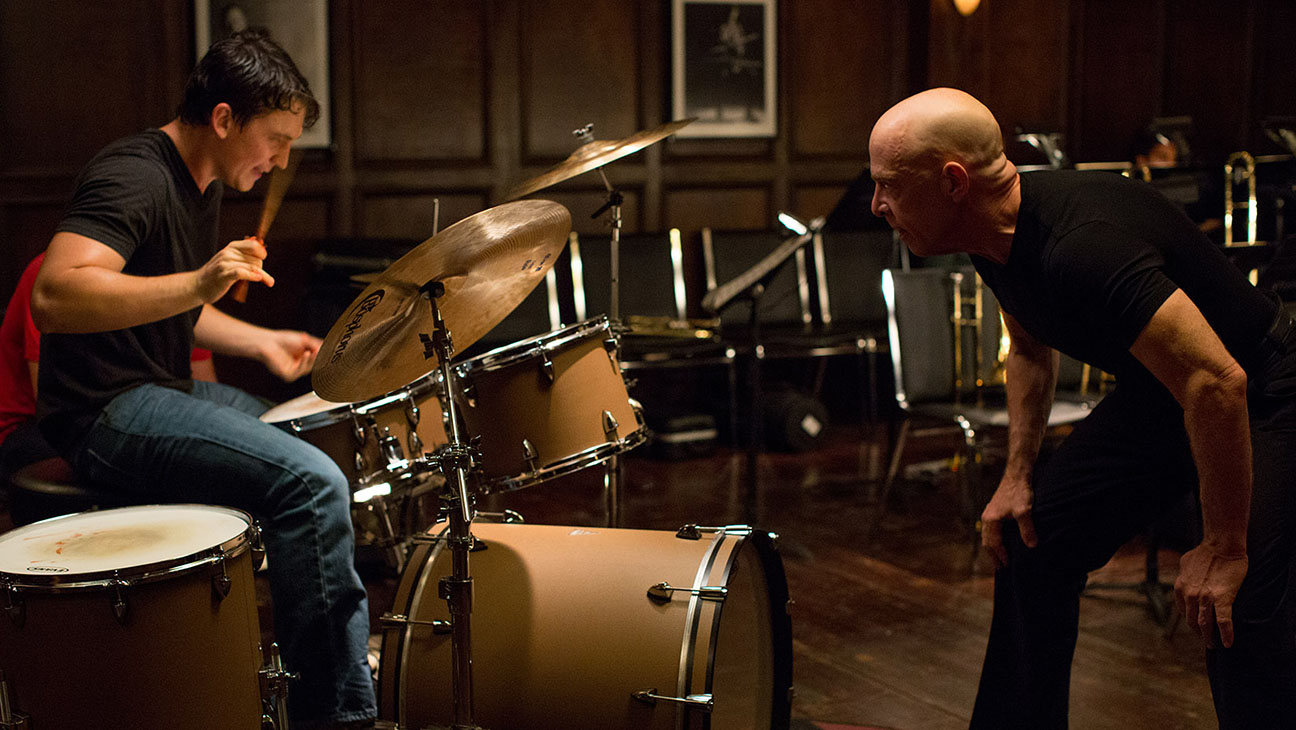
2. Whiplash. Between this film, written and directed by Damien Chazelle, and Grand Piano, which Chazelle wrote, I think I have a favorite new filmmaker. Whiplash’s story of an ambitious student drummer (Miles Teller) and the punishing, even sadistic treatment he receives at the hands of his jazz band director (J. K. Simmons) examines the personal price of artistic ambition in a way that is more brutally honest (emphasis on “brutally”) than most films about budding artists and their mentors usually are. In fact, while the plot has the twists and turns of a taut thriller, the tantrums, self-laceration, and even the explosions of violence in the film don’t seem that exaggerated, bringing to mind both certain high-strung individuals I’ve known as a musician, and the hazing scandals that have afflicted some high-profile college bands in recent years. It also manages to leave the ultimate question—is it all worth it?—up to the audience to decide. The film makes a fitting and devastating postscript to the series of films about bands and inspirational music teachers I wrote about this fall; Mister Holland’s Opus, it ain’t.

The_LEGO_Movie_10

1. The Lego Movie. Sure, it’s a film for kids—a feature-length toy commercial, even. But even after repeated viewing, it’s a stunning technical and aesthetic achievement that has something meaningful to say about the creative process and relationships. Honestly, I could just look at the billowing ocean of Lego bricks for hours; the fact that the characters are so vibrant is a bonus, and a testament to the writing and direction of Phil Lord and Chris Miller. The notion that each of the main Master Builder characters represent a creative type (or a single facet of a creative mind) is an easy leap to make (it could be a Buzzfeed quiz: “Which Lego Master Builder are you?”), but I’ll be darned if I don’t relate to Uni-Kitty’s desperate attempts to stay positive in the face of disaster, or Wyldstyle’s—that is, Lucy’s—repeated reinventions and desire to be “edgy.” The beautiful thing about the story is how it brings together and values the contributions of all kinds of personalities, even while recognizing that everyone has flaws. It’s a great example of something I’ve long felt: that broadly-drawn characters, even cartoons, can still have feelings, and it makes The Lego Movie one of the most humane films of the year.

Honorable Mention: I was charmed by the Swedish import We Are the Best!, as low-key in its depiction of three middle school girls who form a punk band as Whiplash was intense. Directed by Lukas Moodysson, We Are the Best! is mostly slice-of-life, drawing much of its comedy from the contrast between the girls’ bravado and their meager talent, but it never makes them the butt of the joke. Rather, it’s the clueless adults who don’t know what to make of the trio, whether it’s one girl’s dad trying to join their “jam session” on the clarinet, or the manager of the activity center where they rehearse underestimating the lead guitarist (the only one of the three who can actually play).

This was also a good year for blockbuster entertainments: although I chose not to rank more than four movies, I enjoyed Captain America: The Winter Soldier and Guardians of the Galaxy, as well as Gareth Edwards’ revival of Godzilla. I was late seeing Godzilla, so I had already heard that the big lizard doesn’t get a lot of screen time, but it was almost comical how Edwards contrived to keep him off screen, hidden behind smoke, buildings, or even closing doors. I can’t help but feel that some of the complaints were driven by viewers who hadn’t seen the original Toho films, which also often kept the monsters off screen for the majority of their running times. If anything, my biggest complaint was an over-reliance on coincidence to keep star Aaron Taylor-Johnson at the center of the action, but, you know, movies.

Other highlights

HauntedPalace

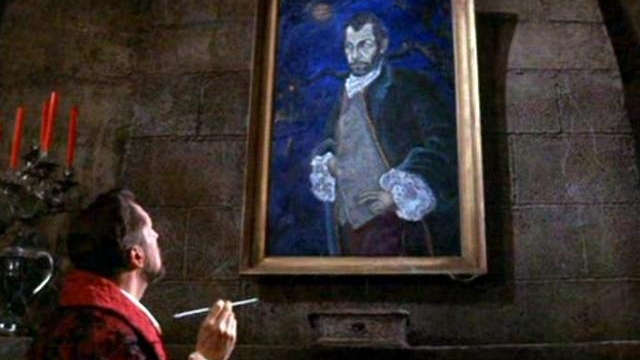
Some of the best movies I saw this year were older ones; first-time non-2014 movies that I loved include (in no particular order) Nothing Lasts Forever, TerrorVision, A Town Called Panic, The Whisperer in Darkness, The Haunted Palace, Matinee, Gang Busters, The Visitor, Eraserhead, Strike Up the Band, Drumline, Scott Pilgrim vs. the World, and Thoroughly Modern Millie.

I’m also glad I had the opportunity to see The Texas Chain Saw Massacre in a beautiful 4k restoration last October; as someone who didn’t enjoy horror films as a kid, I never thought I would go out of my way to see this film, but I knew I would regret it if I passed up the opportunity. I took the precaution of inviting a horror-savvy friend to go with me so I wouldn’t chicken out, but it turned out he hadn’t seen it either! As so often happens, it wasn’t nearly as scary as I had built up in my mind. Suspenseful? Yes. Graphic? Very. Horrifying? Sure. But after decades of imitators, I realized that in a way I had already seen it, by way of the influence that trickled down through the numerous slasher movies that followed. The next day, I heard chainsaws running all day, as my neighbors were cutting down a tree; it didn’t freak me out, but it tickled me to imagine that they were extending my TCSM experience beyond the theater, like Disney Imagineers.

Lowlights

MrPeabody

The worst 2014 release I saw this year was Mr. Peabody & Sherman, which was both mean-spirited and tried way too hard to be edgy; it felt very much like a throwback to Dreamworks’ snarky, post-Shrek output, and I am mystified by the middling-to-positive reviews it received. Even my kids didn’t seem to enjoy it that much, and quickly forgot about it.
First-time non-2014 films that didn’t do much for me included Radar Men From the Moon, the 1961 Babes in Toyland (which had Ray Bolger and not much else), the 1960 13 Ghosts (with Margaret Hamilton—maybe a retrospective of Wizard of Oz cast members’ careers is in order), and Demons, which started out really promising but lost me about halfway through. The most ridiculous movies I saw this year include the 1952 Bloodhounds of Broadway, Shanghai Surprise, and Elvira: Mistress of the Dark, although I’m probably forgetting some.

Thanks for reading and watching along with me this year. I hope you’ll return in 2015!

October is the Coolest Month

wpid-20141031_163834.jpg

Or is it the cruelest? There’s always too much to do and too many events to take advantage of them all during October, between post-season baseball, family Halloween activities, school and work, rehearsals and performances. (I should also mention that The Lost Worlds of Power, which was supposed to be released on Halloween, has been delayed, for reasons best explained here. No worries; I’ll update as I get information.) This year my wife dressed as the Queen from Snow White, and we thought of a costume for me that (I think) came together really well:

"Mirror, Mirror, on the wall . . ."

“Mirror, Mirror, on the wall . . .”

Then there are the movies: a lot of people plan to watch 31 horror movies during October, a movie a day; I knew I would have a hard time reaching that number (and as the month went on I remembered why I had never done it before), but this year I made an effort to catch up on some I had never seen (while revisiting a few favorites). I made it to 21 and still felt like I was cramming them in; as enjoyable as it was, I doubt I’ll try to keep up this pace year-round.

I didn’t plan ahead, for the most part, and for those I saw on the big screen the programmers of the October at the Oldtown horror series made the decisions for me. For my own choices, I defined “horror” pretty broadly, and included some examples of fantasy and thriller, depending on my mood. (Pulp Fiction, which I rewatched in order to write an article on its twentieth anniversary, is the real outlier.)

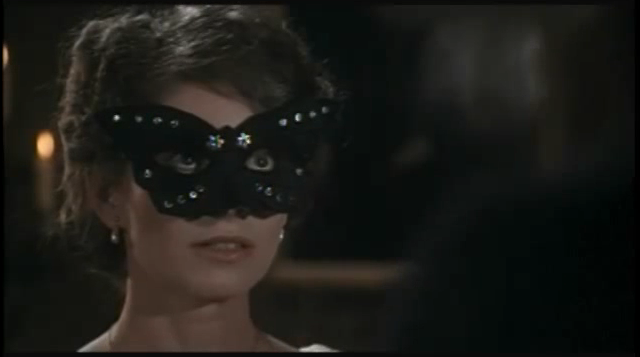
Barbara Kellerman in The Monster Club

Barbara Kellerman in The Monster Club

The movies I covered are listed below with their year of release and director, as well as a key pointing out a few repeated elements. For example, five of the movies I watched in October were adaptations of stories by H. P. Lovecraft (I wrote about two of them at The Solute, and intend to write about the remaining three in the near future), and considering I didn’t watch any martial arts movies there were a surprising number of samurai sword attacks.

1. The Call of Cthulhu (2005, Andrew Leman)* a, g, hpl, w
2. ParaNorman (2012, Chris Butler and Sam Fell) b, c, v
3. Elvira: Mistress of the Dark (1988, James Signorelli) b, m
4. 7 Faces of Dr. Lao (1964, George Pal)
5. Tentacles (1977, Ovidio G. Assonitis as “Oliver Hellman”) v (diving masks–I guess that counts)
6. The Whisperer in Darkness (2011, Sean Branney) a, g, hpl, v
7. Pulp Fiction (1994, Quentin Tarantino)* ss, v
8. Basket Case (1982, Frank Henenlotter)** c, t
9. The Gate (1987, Tibor Takács)* g
10. The Hole (2009, Joe Dante) c, g
11. Grand Piano (2013, Eugenio Mira) m
12. The Monster Club (1981, Roy Ward Baker) c, m, v
13. The Gates of Hell aka City of the Living Dead (1980, Lucio Fulci)** d, g
14. Demons (1985, Lamberto Bava)** ss, v
15. The Haunted Palace (1963, Roger Corman) a, b, hpl, p
16. Die, Monster, Die! aka Monster of Terror (1965, Daniel Haller) a, hpl, w
17. The Visitor aka Stridulum (1979, Giulio Paradisi as “Michael J. Paradise”)* c, p, w
18. The Dunwich Horror (1970, Daniel Haller) d, g, hpl, t
19. The Texas Chain Saw Massacre (1974, Tobe Hooper)** v, w
20. Eraserhead (1977, David Lynch) c, g(?), m
21. Donovan’s Brain (1953, Felix Feist) p

* rewatch
** seen in theater

a: Arkham setting
b: character burned at the stake (or threatened with burning)
c: monstrous or supernatural child
d: Dunwich setting
g: gateway or portal to otherworldly realm opened
hpl: H. P. Lovecraft adaptation
m: musical number
p: possession or domination by a disembodied intelligence
ss: samurai sword attack
t: twins
v: masks
w: character in wheelchair

Did I miss anything? And did you watch anything in the last month that you would recommend or that made an impression on you?

Marching Into the Movies at The Solute

boysband2

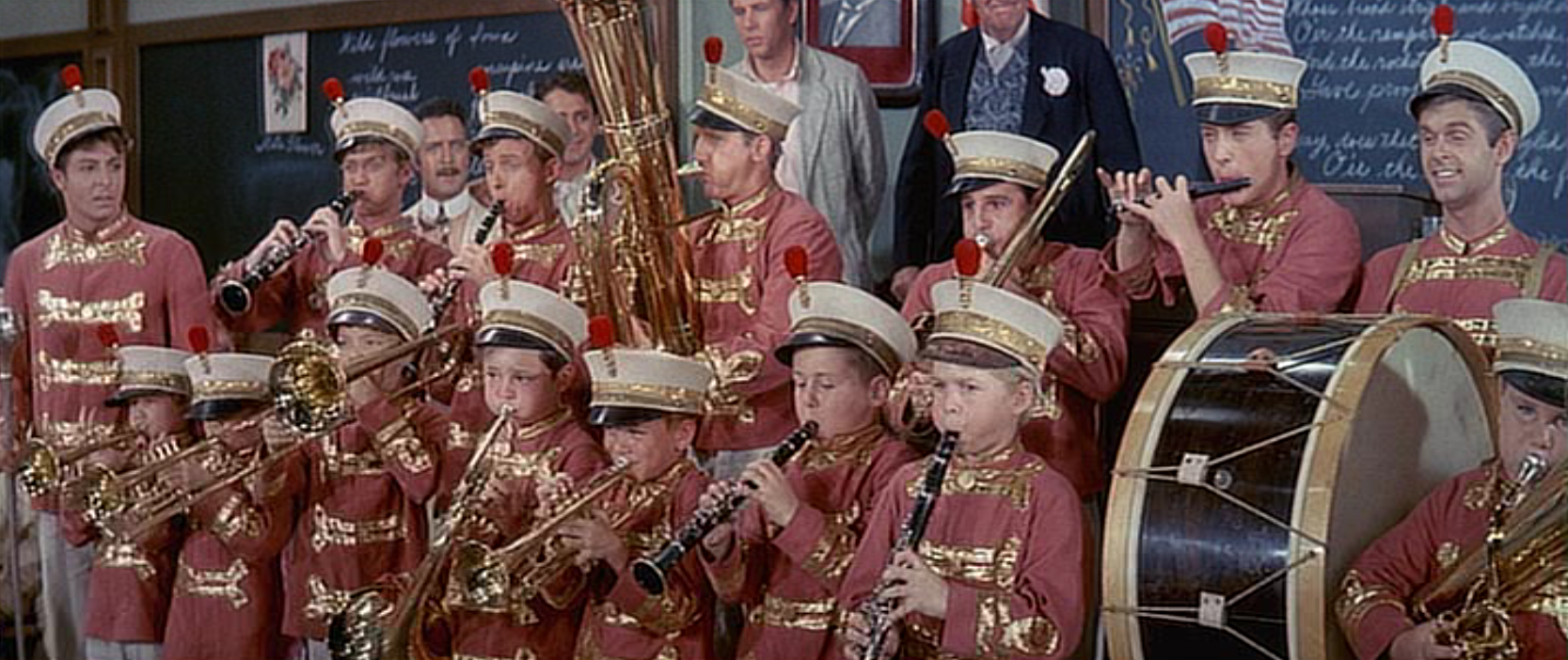
I’ve got another one at The Solute today, and this one’s a long one. I examine several movies about or featuring bands, marching and otherwise, and examine the different ways this unique form of social and educational music-making have been portrayed on film. You can read it here.

(And don’t worry, this isn’t the end of long-form content here at Medleyana: I will still be posting longer articles here as well!)

I’m excited to announce that I am contributing to a brand-new website for discussion of film and related topics, The Solute. The Solute is, in the words of founder Julius Kassendorf, “a brainchild collective emerging from the commentariat of The Dissolve,” the same website on which I posted my reassessment of Addicted to Love last spring. Right now, I’m only represented on the site as part of a roundtable discussion on the state of theatergoing in 2014, but I’ll be posting reviews and longer articles as it moves forward. I’ll have a longer post soon that addresses how that will affect Medleyana, and I’ll post links here whenever I publish an article at The Solute. In the mean time, I invite you to check it out and explore the diverse range of writers who will be sharing their thoughts; if it’s anything like the conversations at The Dissolve, I expect it to be fresh, varied, and entertaining.

Fates Worse Than Death Double Feature: The Perils of Pauline (1914 and 1933)

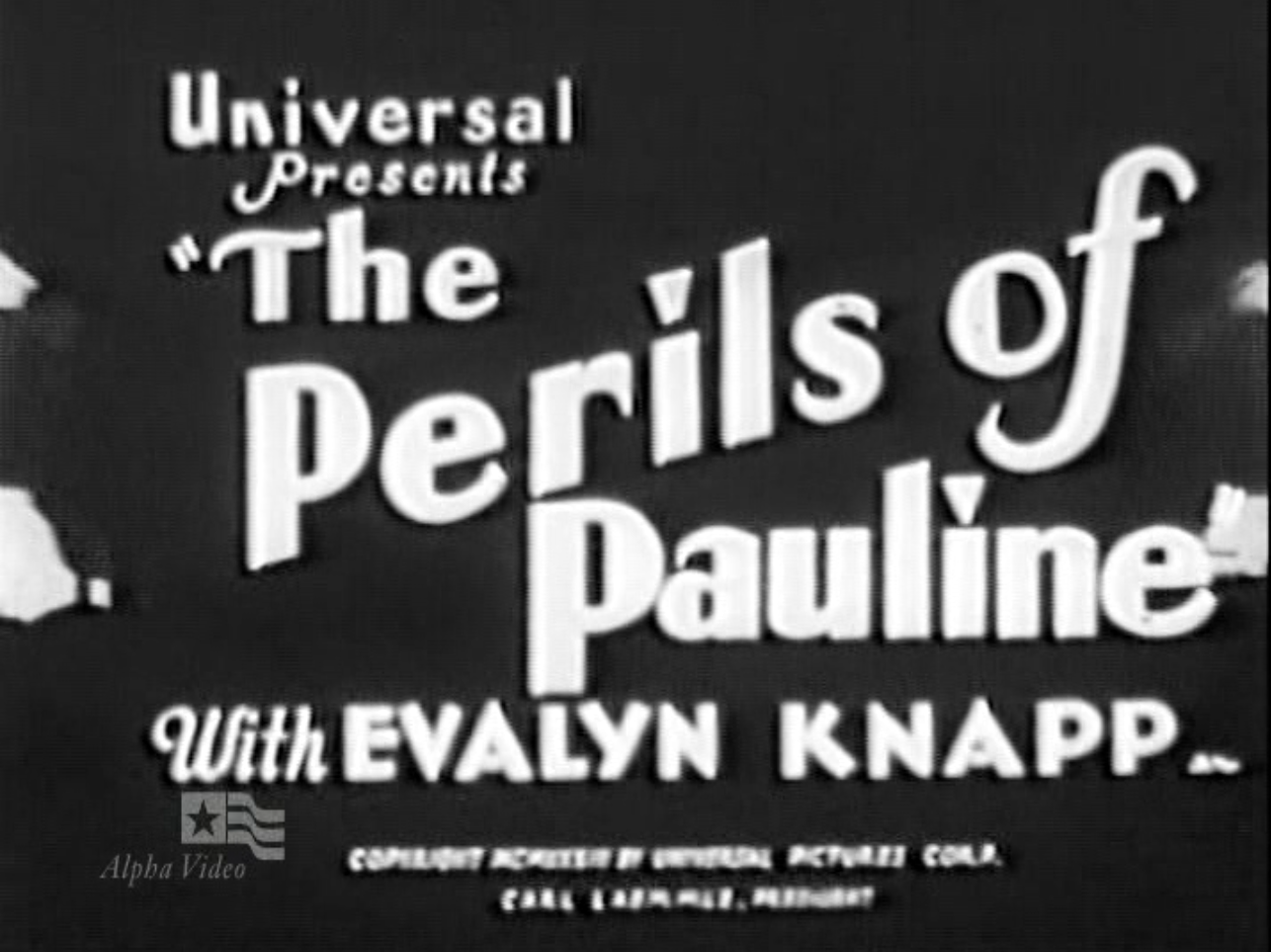
This week I explored two female-led serials that share a title (and not much else).  The Perils of Pauline wasn’t the first motion picture serial, but in 1914 it caught the public’s attention, making a star of its lead, Pearl White, and laying the groundwork for later serials’ success.  Indeed, The Perils of Pauline was such a sensation that its name became synonymous with the serial of a certain type, inspiring both imitators (The Exploits of Elaine, The Hazards of Helen) and remakes (other than the 1933 version, two features borrowed the title: a 1947 biopic starring Betty Hutton as Pearl White, and a campy 1967 remake starring Pat Boone in the vein of The Great Race). The ambiguous status of its leading lady as both heroine and victim would also be a source of contention, still familiar in today’s debates over “strong female characters.”

Part I: 1914

Perilsofpauline

The wealthy Mr. Marvin trusts his secretary Koerner with the safety of his ward, Pauline, but he doesn’t know about Koerner’s shady past, or his escape from prison.  When one of Koerner’s old associates, Hicks, approaches him and demands money, Koerner begs him off.  Marvin is ill and won’t live much longer: once he is gone, it will be a simple matter to get rid of Pauline and claim her inheritance.  Koerner’s scheme is made easier by Pauline’s independent nature: although Marvin’s son Harry presses her to marry, she wants to experience her share of adventure and excitement before she settles down.  It’s a simple matter for Koerner to suggest she take a ride in a hot-air balloon or motorboat in the hopes that Pauline will meet with an unfortunate “accident.” (And if those don’t work, there’s always the more direct approach of simply having her abducted and drowned or burned alive.)

PoP14Marvin2

Thus are set in motion The Perils of Pauline, from which Harry is sometimes on hand to rescue her, and from which she sometimes escapes on her own (and which in a few cases she avoids entirely unknowingly, as when she is delayed and doesn’t get on board a sabotaged airplane, which then crashes).  Through all of her adventures, Koerner never reveals his sinister intentions (except to the audience) and Pauline continues to trust him. Harry, for his part, is only concerned that Pauline’s taste for risky adventure will get her killed, and tries to discourage her out of general worry (and sometimes he is caught up in the same danger).  Even when Pauline is kidnapped and directly assaulted multiple times, they don’t connect the dots—it’s just a dangerous world. (Incidentally, none of the perils include the oft-parodied scenes of a damsel tied to a railroad track or menaced by a spinning buzz saw: those images came from other films.)

PoP14Harry1

The silent serial The Perils of Pauline originally had twenty chapters, filmed in America by the French company Pathé Frères and distributed in America by the Eclectic Film Company.  However, the only surviving version is from a French print edited into nine chapters, released in 1916.  (In addition to the loss of scenes, this version changed the name of the villain from Owen to Koerner to sound German; since that’s the version I was able to watch I’ve stuck with calling him Koerner.)  The shorter version is more than enough to get a sense of both the style and the story: the serial is entirely episodic, with each adventure introducing a different location and supporting cast, and there are no cliffhangers, each conflict being resolved before the end of the chapter.  Other than the first and last chapters, they could be watched in any order, and missing some doesn’t damage the story in a meaningful way, neither of which could be said about later serials.

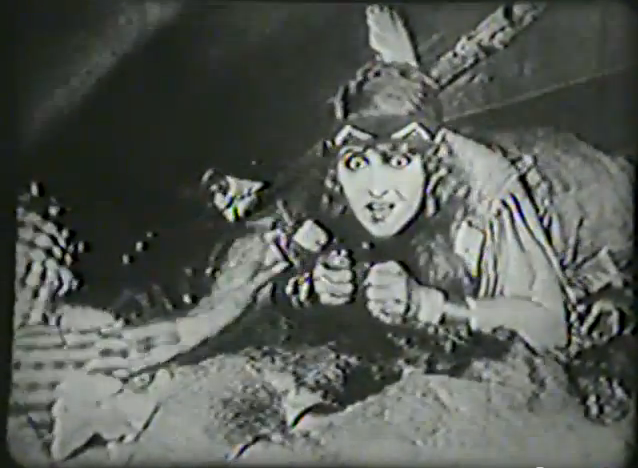
The staging and editing of The Perils of Pauline is often crude, and the English title cards are famously full of mistakes in spelling and grammar (a result of both the hurry with which the film was made and director Louis Gasnier’s poor grasp of English).  Although there are humorous touches, the story is told in broad strokes: in “Goddess of the Far West,” Pauline travels to Montana and is promptly kidnapped by ruffians employed by Hicks; upon escaping from an underground burrow, she is witnessed by a local Indian who takes her for a goddess springing out of the earth.  To prove herself she must race the “stone of death,” an enormous boulder, down the side of a mountain.  “The Deadly Turn” involves an attempt to wreck Pauline’s car in an automobile race; “The Shattered Plane” refers to the airplane previously mentioned.  By the time we see the title of Chapter Eight, “The Serpent in the Flowers,” we can be certain it isn’t a metaphor.

Hicks parleys with a group of Western ruffians

Hicks parleys with a group of Western ruffians

Despite its flaws, however, the serial is saved by its star, Pearl White.  White’s early life is shrouded in misinformation, much of it spread by White herself, but she had already appeared in films before agreeing to star in The Perils of Pauline, and had earned enough to tour Europe in 1913.  On screen, she is active and emotes strongly, desirable qualities in a silent film actress.  She is also sturdy and athletic, a far cry from the fainting violets one thinks of as the heroines of melodrama.

PoP14Pauline4

In contrast to later decades, when a cadre of professional stuntmen doubled actors for almost any strenuous scene, silent actors generally did their own stunts, and White’s reputation partially rested on the very real dangers she put herself in. Kalton C. Lahue, in his Continued Next Week: A History of the Moving Picture Serial, relates several hair-raising incidents: the “runaway” balloon actually did come loose, coming down in a lot full of people, who promptly mobbed the star and nearly suffocated her in the gas that was escaping from the balloon.  In another (apparently lost) chapter set in Chinatown, White was surprised by a group of Chinese actors who, seeking to make a good impression, beat her up with very real jujitsu.  She was long troubled by an injury to her back sustained when she was accidentally dropped down the stairs while filming Pauline, and she retired in 1922 after a stuntman was killed filling in for her (in full view of a crowd, an awkward situation considering her producers still claimed she did all her own stunts as she had when she was younger).

PoP14Bound1

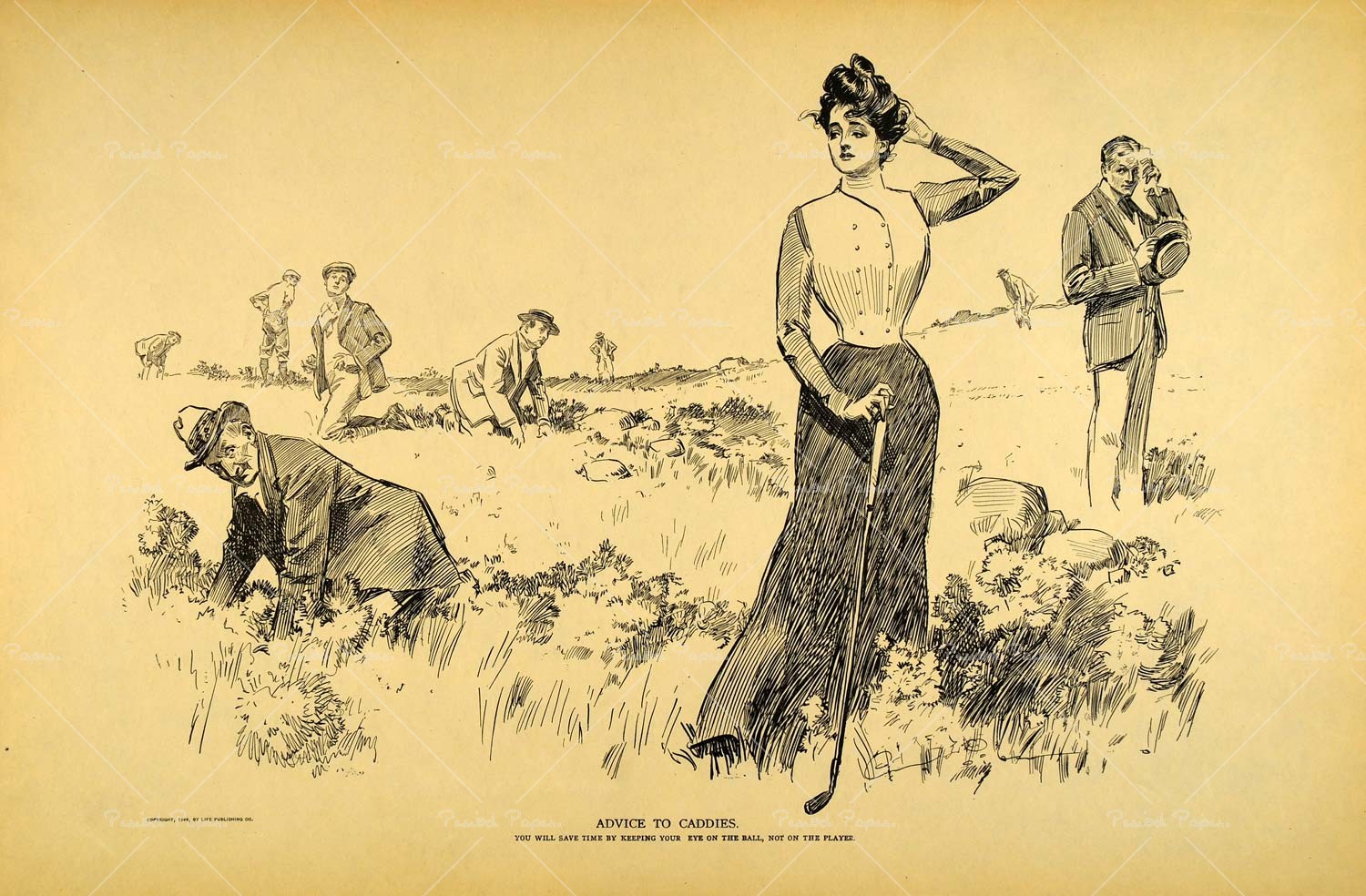
Although later generations have primarily thought of her as the archetypal “damsel in distress,” contemporary audiences saw in Pauline an independent woman putting off marriage to explore her own interests, a cinematic counterpart to the idealized women drawn by Charles Dana Gibson.  Even though much was made of Pearl White’s physical bravery, her beauty and femininity were still a selling point, and it should be noted that the wide range of settings of the Perils called for an equally large number of costumes for the leading lady to appear in: tennis outfits, boating, riding and driving costumes, and more, including the “Indian” costume she wore as the “Goddess of the Far West.” Like the Gibson Girls, Pauline was both capable and fashionable, a figure onto which many fantasies could be projected.

GibsonGirlGolf

Although it is mostly not (intentionally) humorous, it’s probably fair to compare The Perils of Pauline to the action-packed silent comedies of the day rather than the lengthy dramas that are rightly considered the pinnacle of the silent era.  Like the comedies, serial episodes were only two or three reels in length, and the injuries Pearl White sustained in making them are comparable to the gauntlet of abuse that Buster Keaton and (later) the Three Stooges put themselves through.  Just like modern action movies, the serials delight with the swiftness of their plotting and their dazzling effects rather than their keen insight into human nature, and they’re most engaging when going a little haywire.  Scenes like Harry buying a car on the spot so that he can ram it into the front door of a burning house, or Pauline trapped on a ship the navy is using for target practice, make for cracking entertainment, even if they are as unlikely as the comic exploits of Keaton and Harold Lloyd.

PoP14car

What I Watched: The Perils of Pauline (Pathé, 1914)

Where I Watched It: It’s on YouTube, starting here.

No. of Chapters: 9

Best Chapter Title: The title of the final chapter, “The Floating Coffin,” deserves this honor, as it was so good it was borrowed as a chapter title by several later serials.

Best Peril: As I said, the chapters don’t end on cliffhangers, but the title is well earned by the many dangers Pauline faces.  In addition to the race against the “stone of death” in Chapter Two, Chapter Seven (“The Tragic Plunge”) sees Pauline trapped underwater aboard a sabotaged submarine, from which she escapes by being ejected through the torpedo tube and swimming to the surface to get help.

Sample Title Card: “The great chief commands that the white girl shall be subjected to the ordeal which should reveal her immoral [sic] strength.”

What Others Have Said: “All in all, it was much a case of the right actress in the right role at the right time.  It is quite probable that even an actress of greater stature than Miss White could not have carried it off any better.”  –Lahue, Continued Next Week

Part II: 1933

PoP34Title

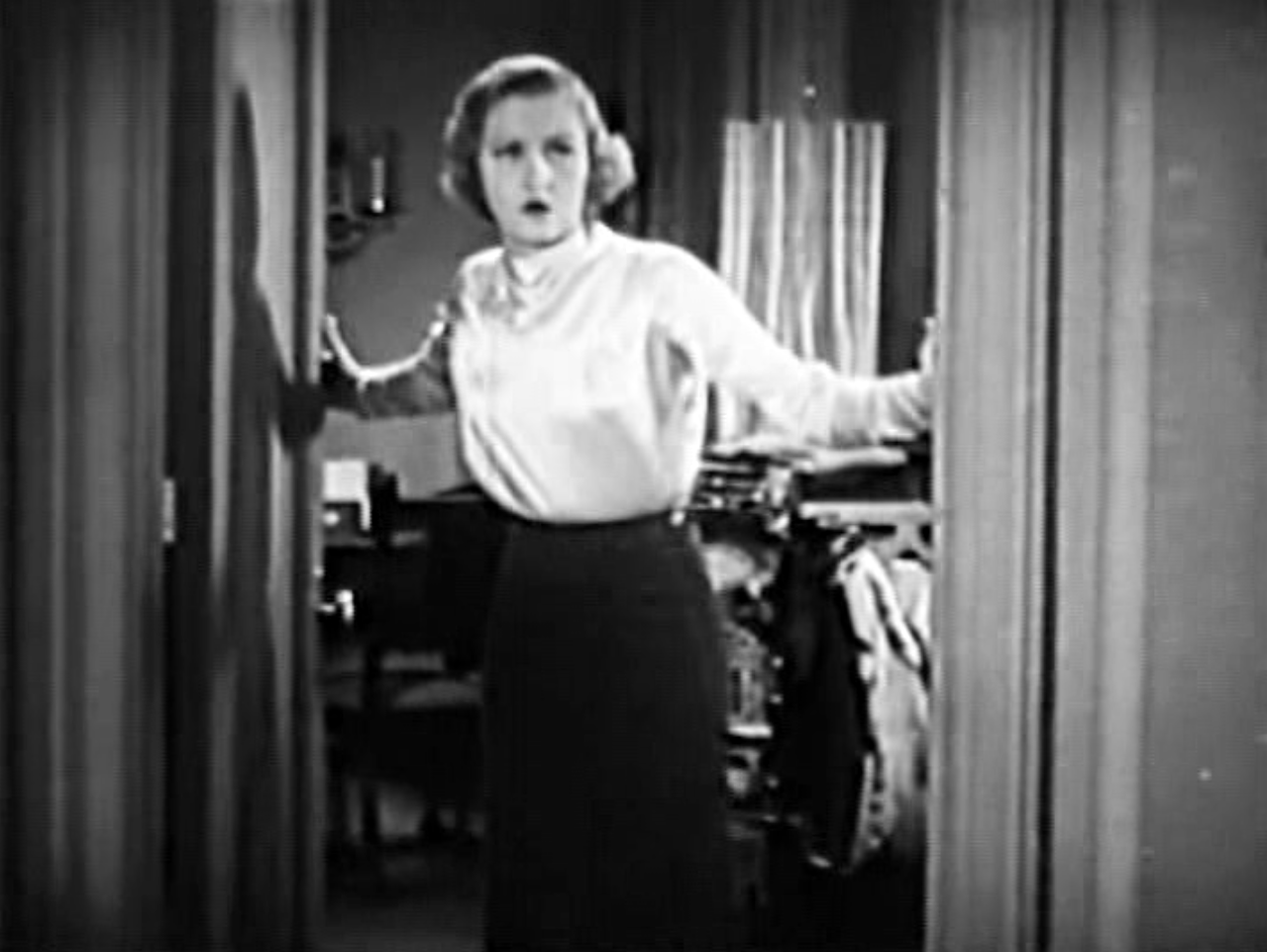
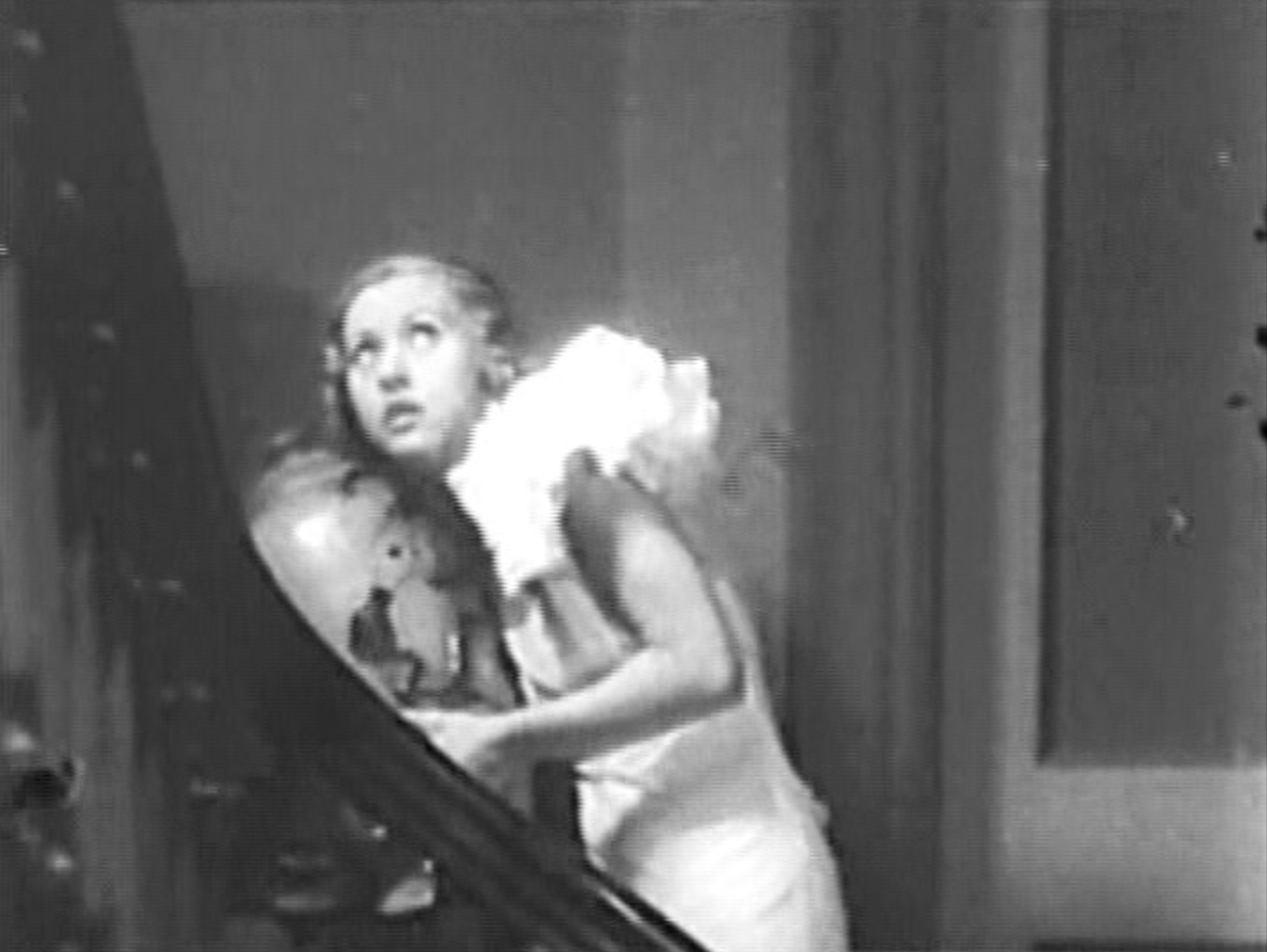
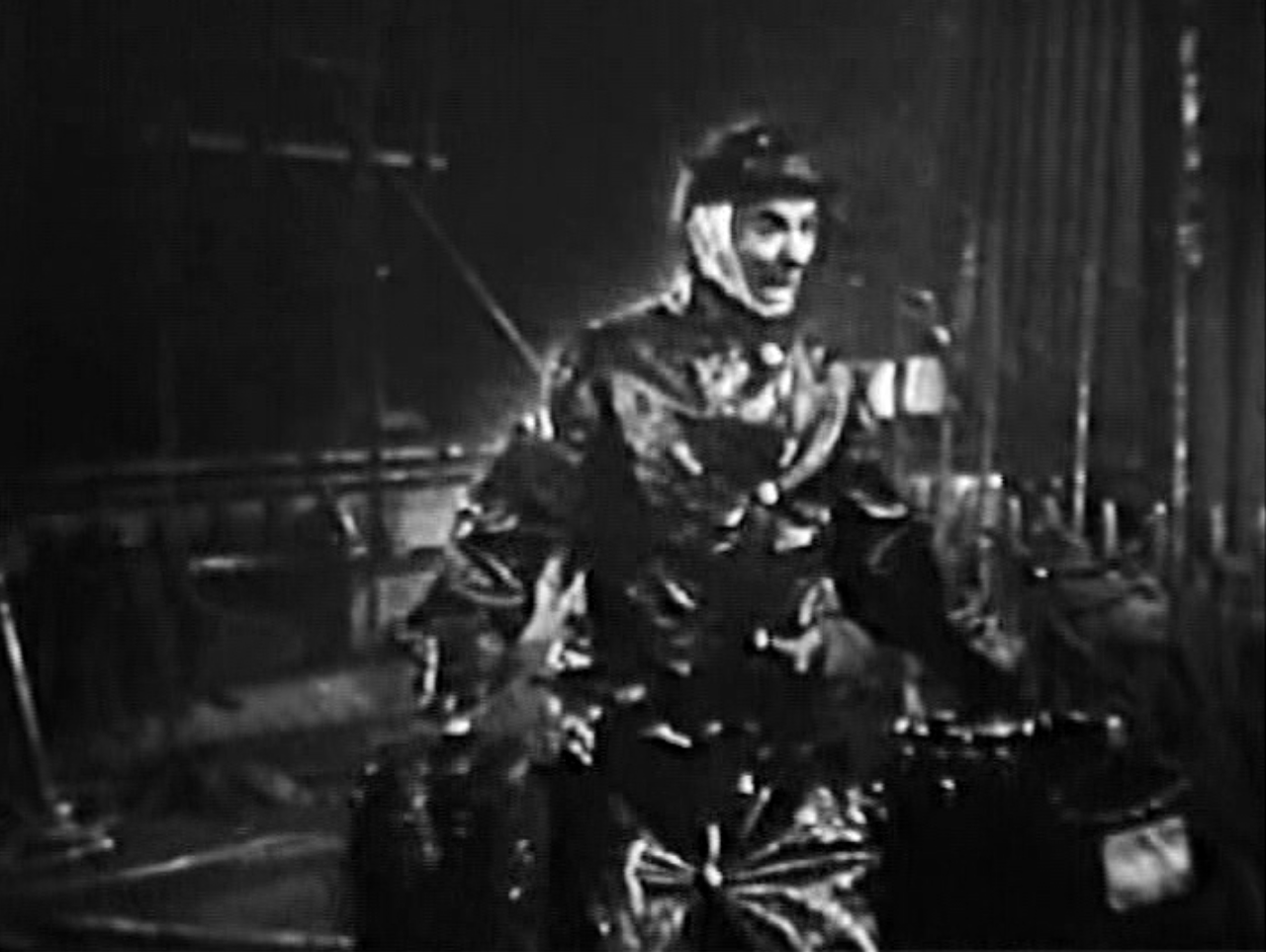
When I saw that Universal had made their own (sound) version of The Perils of Pauline, I naively thought that the producers might have kept the bare bones of the 1914 story, even as they embellished and rearranged the plot to bring it up to date.  After all, the story of a corrupt guardian trying to claim his ward’s inheritance is a sturdy hook, ripe for adding the types of formulaic side characters the serials of the 1930s were known for.  I didn’t expect extreme fidelity, of course: considering the changes that established characters went through in adaptation, or the fact that producers could brazenly claim something like Robinson Crusoe of Clipper Island was based on Defoe’s novel, I knew that many liberties would be taken.

The 1914 serial had a lot of material to work with, though.  In fact, several chapters of the original version could form the basis of their own serials: many Western serials were based on premises no less flimsy than “The Goddess of the Far West.”  The episode I mentioned above with the sabotaged submarine had even more potential, as it introduced a spy ring and a female counter to Pauline in the person of Mlle. Yagow, whom Koerner immediately recognized as a kindred soul and potential partner in crime.  In that episode, Harry and Pauline effectively guest starred in somebody else’s spy thriller, a story that could have easily been stretched to a dozen chapters.

But no: Universal’s 1933 production has nothing in common with the 1914 classic except the name of the heroine (and only the first name, at that), although it does give Charles W. Goddard, who wrote the scenario of the original, a story credit.  That disappointment aside, the 1933 Pauline is quite entertaining in its own right, a globe-trotting pulp adventure that is an obvious source for the Indiana Jones films and a showcase for the kind of production that Universal did well.
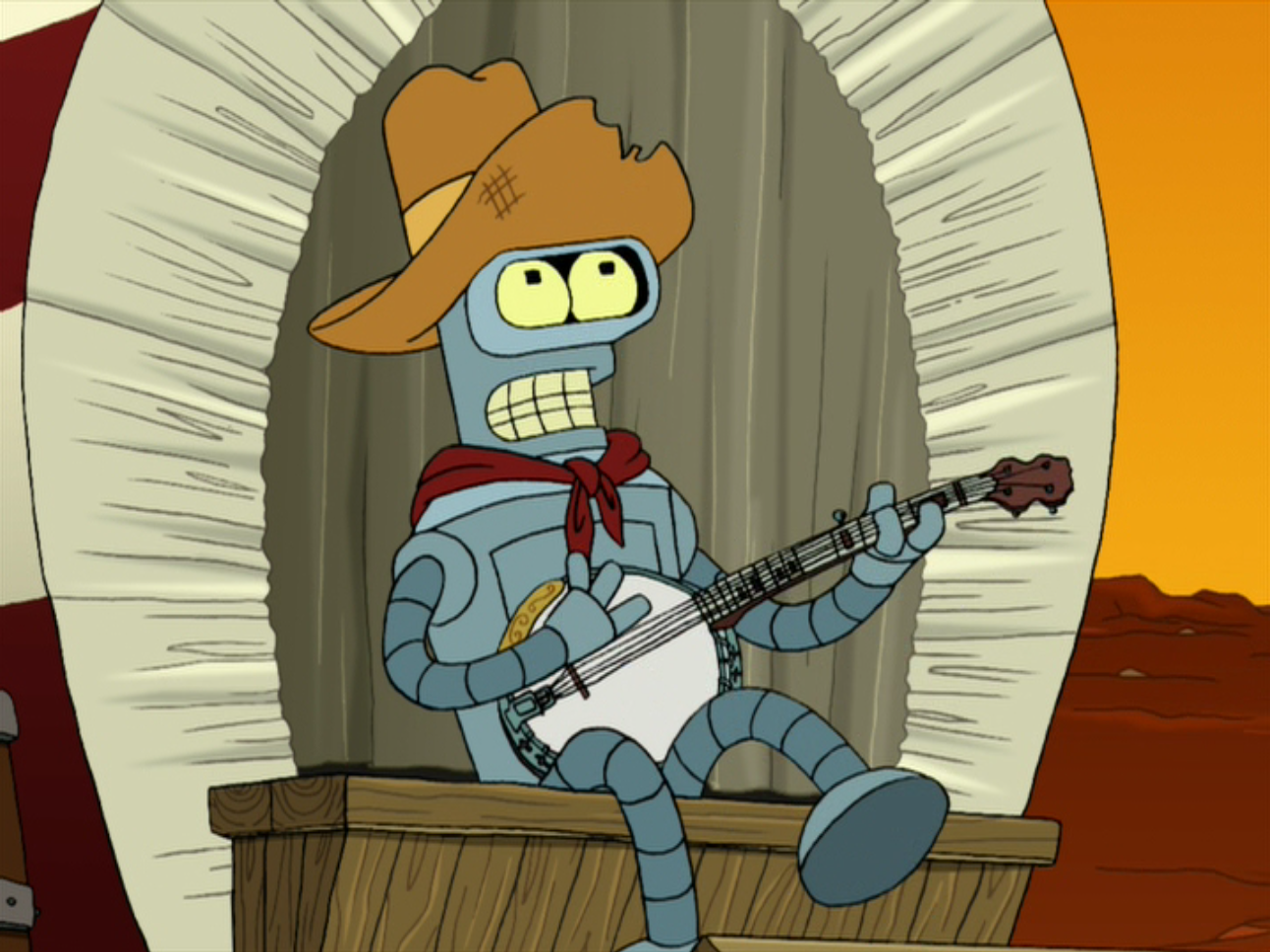
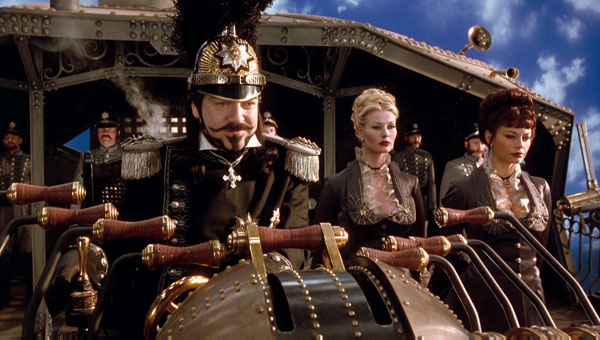
PoP34BashanFang

The action begins in China, where Westerners are fleeing the oncoming Revolution.  Professor Hargrave (or sometimes Hargraves: the credits, titling, and even the spoken dialogue are inconsistent on this point) is close to finding a sacred ivory disk whose secret has been entrusted to him by the Chinese monk Confu (a character never shown, but frequently referred to); even at the urging of his daughter Pauline (Evalyn Knapp) and his cowardly secretary Dodge, Hargrave refuses to leave the country until he has recovered the disk.  Also searching for the disk is the “Eurasian” Dr. Bashan (John Davidson) and his scarred henchman Fang.  The disk contains a secret formula for an invisible poison gas that destroyed an earlier civilization; Hargrave wants to give the secret of the gas to humanity (by way of the U. S. government, of course) to put an end to war, whereas Bashan wants to use it for himself to gain power.

PoP34Pauline1

When Pauline follows Hargrave and Dodge to the Temple of Tsai Tsin, where the disk is hidden, she is rescued from Bashan and his men by Robert Warde (Robert Allen, AKA Craig Reynolds), an American engineer whose work on a Chinese railroad is about to be put to an end by the Revolution.  Warde quickly grasps the situation and joins Hargrave’s team.  The disk turns out to be only half a disk, and stored with it are instructions for finding the other half.  From this start, The Perils of Pauline turns into an international scavenger hunt as Hargrave and Bashan follow the clues to piece together the disk and attempt to out-maneuver each other.  From China they travel to Borneo, Singapore, India, and New York, facing obstacles ranging from wild animals and booby-trapped temples to assassins and gangsters.

PoP34SacredDisk

True to its title and inspiration, this version of The Perils of Pauline puts the professor’s daughter in danger in every cliffhanger, sometimes alone and sometimes with Warde or as part of the group, but the story is driven by the search for the sacred disk, not her own sense of adventure.  Like the 1914 version, the 1933 version finds opportunities for its star to appear in a variety of costumes both rugged and glamorous (although to be fair, the male stars go through a number of wardrobe changes as well: like Indiana Jones or James Bond, Warde is the kind of rugged he-man who takes care of business whether in khakis and pith helmet or a tuxedo). In addition, Evalyn Knapp is competing for screen time with many more characters than Pearl White had to deal with: in the context of the serials, she is the star, but that doesn’t mean she is always the center of attention.

PoP34PaulineWarde1

As Dr. Bashan, John Davidson (a frequent serial “heavy”) gives a magnetic performance. Bashan is a smooth operator, whose strategy is often to let Hargrave uncover the next clue, and then take it from him. In one sequence, Bashan and Fang end up on the same flight from India to New York as Hargrave and his party, an uneventful trip that is described in dialogue as having taken five days!  Did they say anything to each other in all that time, or even cross paths on the way to the lavatory?  Such details are as lost to time as the empires of the past.

PoP34HargravePlane

Although Bashan and his assorted flunkies are described as “political renegades,” are they anti-colonial nationalists? Communists? Who knows? Contrary to the popular image, Bashan and other serial villains aren’t given to long-winded explanations of their political gripes; there are no trade disputes or committee hearings.  They’re bad guys, and that’s all we really need to know.  There is a close resemblance between Bashan’s rivalry with Hargrave and the later feud between René Belloq and Indiana Jones in Raiders of the Lost Ark: they truly are two sides of the same coin, working for different goals by similar methods.

Davidson delivers many of his lines with a satisfied purr; when he is angry he doesn’t raise his voice, he deepens it.  It was while watching Chapter Seven (“Trapped by the Enemy”), set at a Singapore hotel, that I realized who Bashan, disguised in a turban, reminded me of:

PoP34BashanTurban1

Jafar

As a Universal production, The Perils of Pauline is relatively lavish, relying on the studio’s extensive collection of sets, props, and stock footage to support the world-spanning narrative, but there are times the seams show.  The Chinese and Indian temples are full of Egyptian statues (excused by reference to the global civilization wiped out by the poison gas—this is a rare example where relying on a fantastic conceit like Atlantis would make the story more plausible).  Every location is represented by stock footage that sometimes goes beyond scene-setting and smacks of padding.  The jungles of Borneo are full of wild animals, but suspiciously few of them ever appear on screen at the same time as the characters.  The same shot of a dead leopard appears twice in the same chapter, representing two different attacking animals.  Finally, background music is only present in a handful of chapters, but its absence is made up for by a constant racket of city and jungle noise, a challenge to my perception that older movies were quieter than those made today.

PoP34LeopardDead

Still, this is a fun, action-packed serial that would be of interest to anyone looking to go back farther than Indiana Jones.  Even better, it is continually surprising and inventive, right down to the last scene in which Bashan and Fang discover what the invisible gas really does—I won’t spoil it, but I’ll admit that for such a predictable outcome, it managed to surprise me.

What I Watched: The Perils of Pauline (Universal, 1933)

Where I Watched It: I watched an Alpha Home Entertainment DVD; it doesn’t appear to be on YouTube, except for this clip of Pauline and her father from Chapter One.

No. of Chapters: 12

Best Chapter Title: “Confu’s Sacred Secret” (Chapter Twelve)

Best Cliffhanger: At the end of Chapter Nine (“The Mummy Walks”), Hargrave’s party has tracked the last fragment of the disk to a museum in New York, and find it hidden in an antique vase.  A curse is inscribed on the outside, leading Hargrave to believe it may be packed with an explosive (!).  Of course Pauline, running from Bashan’s henchmen, drops it down the stairs, where it explodes, appearing to knock her out.  (Like many of the cliffhangers, the resolution is anticlimactic—Pauline stands up and brushes herself off—but doesn’t rely on a cheat, exactly.)

PoP34Pauline7

Sample Dialogue:

Sullivan, a friend of Warde’s: “How’d the fight turn out?” after a run in with natives in the jungle of Borneo

Warde: “Great—the whole village burned down!” (Chapter Six, “Pursued by Savages”)

Warde and his pilot friend Sullivan share a laugh after dropping hand grenades on the natives (and Bashan).

Warde and his pilot friend Sullivan share a laugh after dropping hand grenades on the natives (and Bashan).

Silliest Character: I must give a little more attention to Willie Dodge (Sonny Ray), whose appearance and mannerisms bring to mind Stan Laurel, and who is the main source of comic relief throughout the serial.  Cowardly to the extreme, Dodge is constantly put upon, by life and the other characters.  A running joke has him in the middle of the jungle or other perilous situation offering his resignation to Hargrave, who solemnly replies, “Very well.  Would you like to leave now?”

In a modern story, Dodge might be redeemed at the end by finding his courage for a single heroic act, or at least accidentally saving the day à la Jar Jar Binks, but this isn’t that kind of story and Dodge isn’t that kind of character.  He’s consistently out of his depth, but I’ll admit I laughed at his antics several times, for example:

During a brawl on the deck of a storm-tossed ship, Dodge stands with the luggage, unsure whether to put it down or not:

PoP34Dodge1

In the museum at night, Dodge falls into a trough of plaster and is mistaken for a mummy, scaring off the bad guys:

PoP34Dodge3

When Bashan and his men break into a mansion and kidnap Pauline, Dodge runs out the front door wildly firing a pair of pistols in every direction:

PoP34Dodge4

After the Millennium Falcon engages a group of TIE fighters, Dodge is tangled in a bunch of wiring and shrieks, “I’m melting!”

C3PO

. . . Well, it’s possible I’m thinking of someone else with that last one.

What’s Next: In two weeks, I revisit The Phantom Empire, the serial that made Gene Autry a star.