Happy All Saint’s Day! October was a busy month for me, but I still managed to fit some Halloween-themed activities into it. Last night, I handed out candy to trick-or-treaters with my wife. We noticed, in contrast to previous years, that it was mostly older (middle or high school-aged) kids that came to our door. There was at least one church-sponsored “trunk or treat” going on at the same time, as well as some earlier in the week around town, so perhaps that’s where the littles were. I’d say the low turnout was because it was a school night, but that’s never stopped trick-or-treaters in the past, and most of the schools around here have the day off today anyway. But we had nice weather (in contrast to a heavy thunderstorm that roared through the area on Wednesday evening) and enough traffic to say it was worth it.
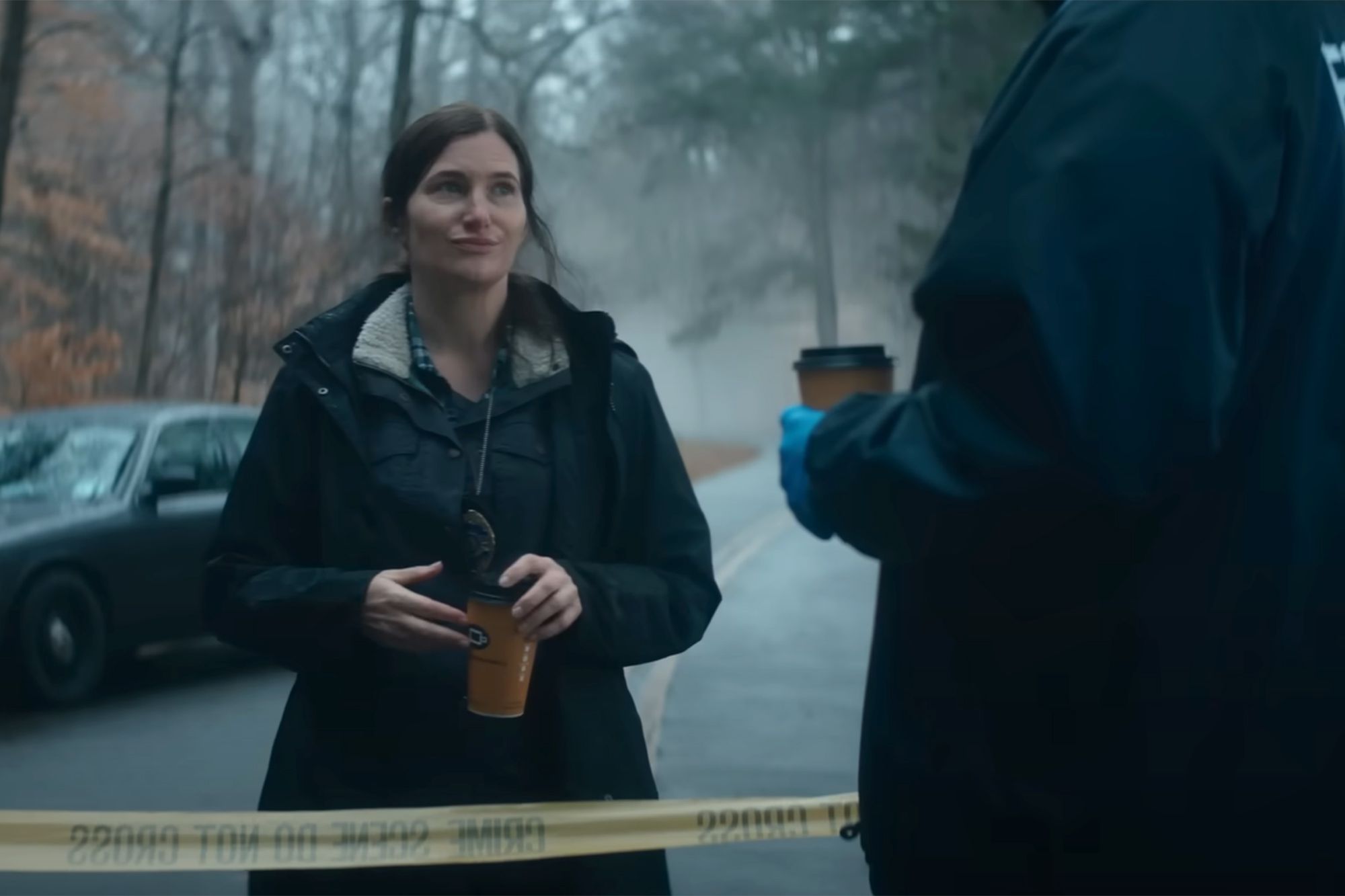
On the streaming/TV front, I watched the Disney/Marvel series Agatha All Along, the follow-up to WandaVision and a perfect choice for the spooky season. It follows the witch Agatha Harkness (Kathryn Hahn), who was left powerless and trapped in the suburbs at the end of WandaVision; freed from the spell by an aspiring teenage witch with a mysterious identity (Joe Locke), Agatha agrees to gather a coven and walk the “Witch’s Road” to recover her power. Like WandaVision, Agatha All Along is one of the few Marvel TV projects that takes advantage of the structure of episodic television: the first episode is a parody/homage of prestige detective shows in the same way WandaVision aped the sitcom format over the decades to further its themes. Once Agatha is released from the illusion of being a world-weary small-town detective, the stations and challenges of the Witch’s Road lend themselves to an episodic treatment. The use of Lost-like flashbacks and time jumps and the focus on individual characters (each member of the coven is broken in their own way, walking the Road to recover their power or their purpose), leaving something for the viewer to chew on each week, also recall the best of the format.
The “folk horror” boom of recent years, especially since the release of the documentary Woodlands Dark and Days Bewitched, has also clearly had an impact on Agatha All Along. Although the Witch’s Road and the ballad that features prominently in the series are original creations, the treatment of magic and witchcraft is more detailed and specific than has been the norm in the Marvel universe, keeping the fantasy grounded in something like history and tradition. But, appropriate for a character as ambiguous as Agatha, fakery and skepticism are also taken seriously, and the series doesn’t shy away from confronting the “fakelore” that has often been a part of modern witchcraft.
It’s an engaging journey with twists and turns (and, since this is still a Marvel production, the ending sets up future stories and characters, but at least there are resolutions to all the big questions, making this more satisfying than WandaVision’s ending), and fun, lively production design (the costumers in particular must have had a blast making this).
On the other hand, I didn’t watch as many movies as usual. Sadly, I didn’t even make it out to see a movie in a theater (or anywhere else) all month, possibly the first time since I started this blog that I didn’t include a theatrical experience at all. So this year’s viewing is divided between things I could stream and catching up on my pile of unwatched discs. Only two movies were rewatches (Mexican film The Bat Woman was sort of a rewatch, but this was the first time I had watched it in English!). Every year I say, “Maybe next year I’ll concentrate on rewatching some old favorites,” but there’s always so much I haven’t seen that I never do.
1. Milk & Serial (Curry Barker, 2024)
2. Elvira’s Haunted Hills (Sam Irvin, 2001)
3. Carry On Screaming! (Gerald Thomas, 1966)
4. Hundreds of Beavers (Mike Cheslik, 2022, U.S. national release 2024)
5. The Mummy and the Curse of the Jackals (Oliver Drake, 1969)
6. Prisoners of the Ghostland (Sion Sono, 2021)
7. Night of the Bloody Apes (René Cardona, 1969)
8. Doctor of Doom (René Cardona, 1963)
9. The Nightmare Before Christmas (Henry Selick, 1993) rewatch
10. The Bat Woman (René Cardona, 1968)
11. The Panther Women (René Cardona, 1967)
12. Planet of the Female Invaders (Alfredo B. Crevenna, 1966)
13. Curse of the Blue Lights (John Henry Johnson, 1988)
14. Santo in the Wax Museum (Alfonso Corona Blake and Manuel San Fernando, 1963)
15. Kekko Kamen 2: We’ll Be Back (Yutaka Akiyama, 1992)
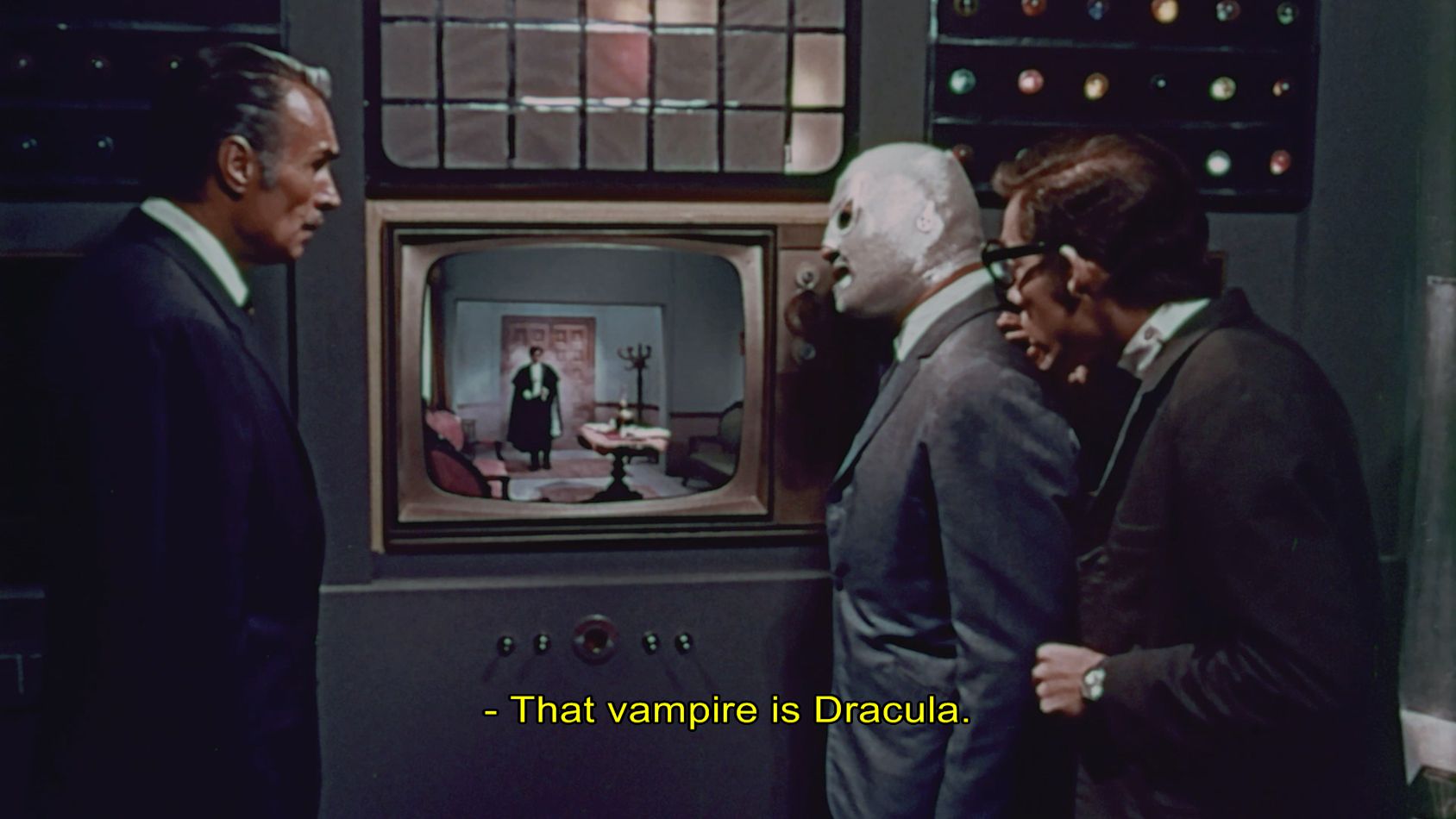
16. Santo in the Treasure of Dracula (René Cardona, 1969)
17. The Addams Family (Barry Sonnenfeld, 1991) rewatch
18. Slaughter Day (Brent Cousins, 1991)
19: We Kill for Love (Anthony Penta, 2023)
20. WAVE of Terror (Gary Whitson, 1988)
21. Santo vs. the Martian Invasion (Alredo B. Crevenna, 1967)
22. Robo Vampire (Godfrey Ho and Joe Livingstone, 1988)
23. The Wind (Emma Tammi, 2018)
Best Movie: There is a fine line between upending your audience’s expectations and jerking them around. The first time I tried to watch Lake Michigan Monster, I bounced off its arch tone: it struck me as being what Wes Anderson haters think Anderson’s movies are like. I did try again and ended up liking parts of it, but I also found myself irritated by its continual nudges to my ribs. Lake Michigan Monster’s follow-up, made by many of the same people, though not the same director, succeeds in part by keeping its comedic targets focused and letting the jokes land by themselves. It’s a Northwestern, a genre all but dead in recent decades; a silent-film pastiche with musical interludes; and, ultimately, a live-action cartoon. Ryland Brickson Cole Tews (who directed and starred in Lake Michigan Monster) plays Jean Kayak, an applejack salesman forced to fend for himself in the woods when his orchards go up in smoke after a too-lively night of carousing. He eventually comes under the wing of a Master Trapper who shows him the ropes. When Kayak falls in love with the daughter of the Fur Trader who keeps everyone supplied, the Trader sets him the impossible task of delivering the pelts of—you guessed it—Hundreds of Beavers.

The forest animals, played by people in mascot costumes, each have their idiosyncrasies and wiles, and a big part of the film consists of Kayak learning to play them off each other, getting traps to work and setting up Rube Goldberg-like chain reactions. (Hundreds of Beavers is quietly one of the best video game movies ever, even though it’s not specifically based on a game—through grinding, Kayak levels up from a noob who can’t even keep a fire lit through the night to an epic power player who can take out enemies in one blow, infiltrate the bad guys’ headquarters, and defeat the boss.) Meanwhile, the beavers are up to something bigger than an ordinary dam, and some surprisingly civilized beavers are following the trail of dead animals Kayak has left behind him. Hundreds of Beavers is primarily a comedy, and the few moments that could be described as horror are also played for laughs, but the film strays outside the bounds of realism, and the degree of stylization puts it in company with other past “weirdest” movies like Dave Made a Maze, so I have no trouble counting it as Spooktober viewing.

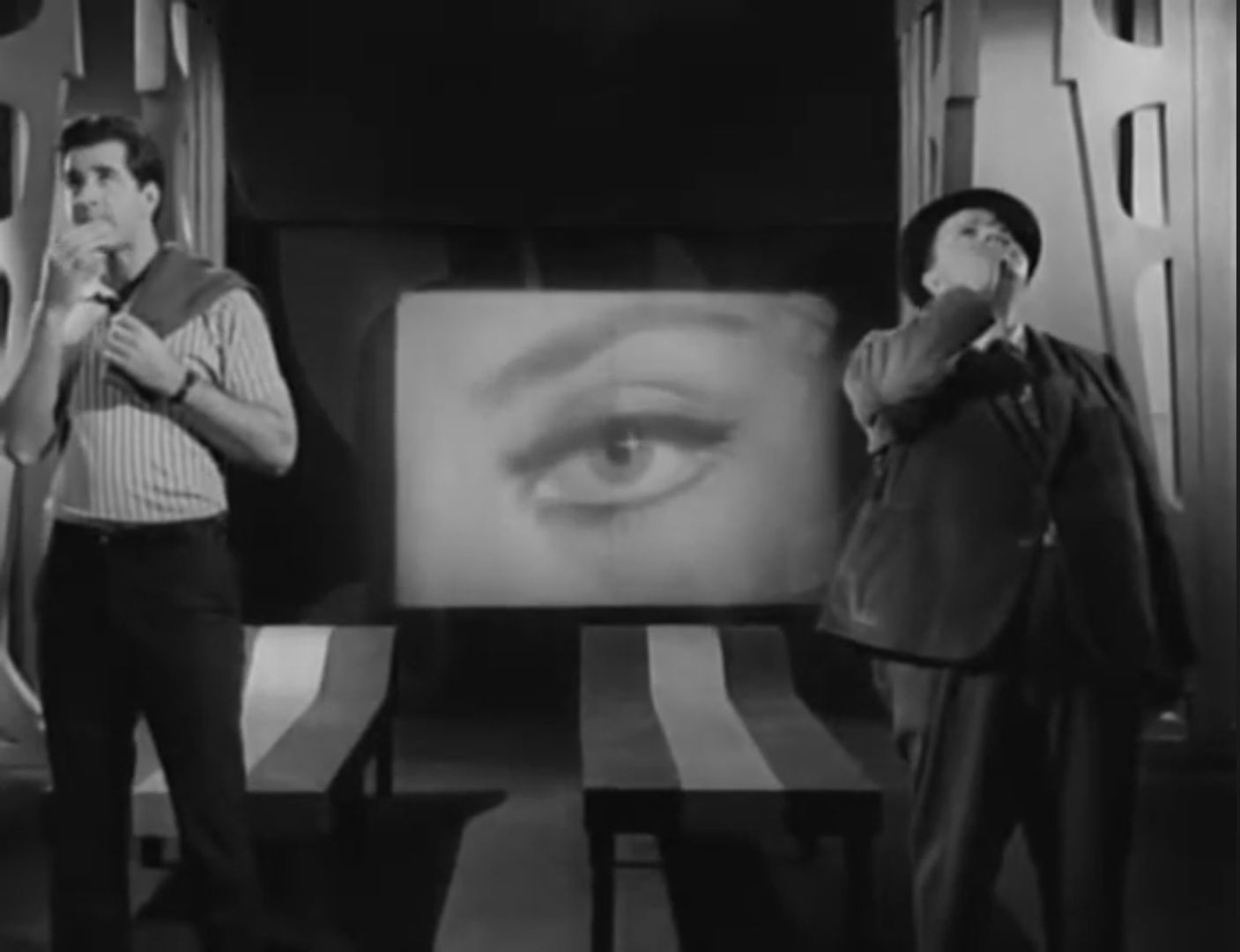
Runner-Up: I spent a good chunk of the month exploring Mexican genre movies, which I’ve dipped into in the past. This time, I ended up mostly watching movies about luchadors and luchadoras (wrestlers), including some starring Santo, the man in the silver mask, who in addition to being a champion wrestler is depicted as a detective and inventor. The majority of these films were made by the same group of personnel, so I saw several directed by René Cardona, Sr., and many of the same actors turn up in more than one of them. While looking up information about Maura Monti, the statuesque beauty who starred in The Bat Woman (not to be confused with the American Wild World of Batwoman, but just as much a cash-in on the Batman TV show craze), I found a reference to Planet of the Female Invaders, which was new to me. An example of the “Space Amazon” subgenre, it features Monti playing a dual role as the good and evil sisters who jointly lead a race of women on the dying planet Sibila. The evil queen’s plan to abduct earthlings in preparation for taking over Earth is typical of the genre, but unlike many such films, it plays it straight and does it with a lot of style.

Worst Movie: When it comes to the shot-on-video horror boom of the 1980s, fueled by cheap camera technology and a rental market hungry for product, I often like the idea of the made-on-a-shoestring, stream-of-consciousness, friends-goofing-around home movie more than I like the end result. But I keep watching, out of curiosity and hope, and out of appreciation for the amount of work that went into even the most primitive homebrew slasher. It’s inspiring, in a way—when I watch a Roger Corman film or something like The Blair Witch Project, I think, “I could do that,” and I’m impressed by friends and acquaintances who’ve actually done it. But watching these movies can also take a lot of patience, and unfortunately it’s hard for me to say that Slaughter Day is more than “interesting” to me. Shot in Hawaii, Slaughter Day depicts a disgruntled, gas mask-wearing day laborer who gains occult powers from the Necronomicon (specifically H. R. Giger’s Necronomicon, an art book by the Swiss Alien designer, the film’s funniest—unintentional?—joke). And then he kills a bunch of people until some of them fight back and—eventually—kill him. There are some cool moments in this, so I didn’t think it was completely terrible—I’d definitely rather watch this than Doll Face again—but it works better as a sizzle reel for fight choreography and special effects than as a story.

Funniest Movie: Part of a long-running series of British comedies, Carry On Screaming! is the one horror spoof in the series (I think), mostly riffing on the Edgar Wallace “stiff-upper-lip Scotland Yard detective in foggy Olde London” subgenre. A series of abductions of young women leads to a mad scientist who is turning them into dummies for department store windows. It’s all quite silly, but it works, much of it coming down to the chemistry of the regular Carry On players: knocking one or two of these out every year makes for disciplined filmmaking, at the very least.
Scariest Movie: Found footage can be tricky, although with ubiquitous cell phones and security cameras all over most urban areas, it doesn’t take as much justification for events to be caught on tape as it used to. I wasn’t familiar with Curry Barker, who has put a number of horror shorts on his YouTube channel, but Milk & Serial is right at home on the platform, purporting to be the raw footage from the members of a YouTube prank channel. They naturally film themselves and each other all the time, with other characters even pointing out the cameras when they don’t want to be filmed (the cameras surreptitiously stay on, which is one of the first clues that the pranks are a cover for more antisocial instincts). There aren’t a lot of jump scares in this, but it’s creepy in a believable way and the feeling of dread mounts as the masks come off.
Goriest Movie: Night of the Bloody Apes, in its English-language form, is one of the infamous “video nasties” banned in the 1980s in the UK. As I learned, it had a tangled history: a loose remake of the movie known as Doctor of Doom in English, it was filmed with an all-ages audience in mind for domestic release. Like many Mexican films of the time, it had alternate “sexy” takes filmed with added nudity for international markets (Santo in the Treasure of Dracula is one of the more notorious examples, but I watched the all-ages version of that this month). The American producer who bought the rights and gave it its English title added even more scenes of gore (and some brutal sexual violence), as well as (apparently real) heart surgery footage (the plot involves a surgeon transplanting a gorilla’s heart into his dying son’s body, which goes about as well as you’d expect). It’s a bloody movie, but overall not especially great. I enjoyed the far tamer Doctor of Doom much more.
On the more fun but still gory side, Curse of the Blue Lights was a low-budget production made in Colorado, and its tale of ghouls (in the classic sense of flesh-eating undead creatures) moving into an abandoned mansion in order to revive their ancient god has plenty of goopy, ooky practical effects depicting bloody violence, sucking pits of filth, and other horrifying sights. In several shots, corpses are reduced to slurry to feed the slumbering demon, a slurry that is clearly canned pork and beans.

Weirdest Movie: Nicolas Cage plays a former bank robber, a prisoner pressed into “rescuing” a girl who has run away from her role as a glorified concubine in an oppressive, post-apocalyptic city-state. That’s just the logline of Prisoners of the Ghostland, which also includes some literal ghosts (it’s not just a metaphor), a cult dedicated to halting the forward movement of time, and a garden of people dressed as mannequins. While I enjoyed it, you could imagine it was built with a Cult Movie Construction Kit, considering all the eye-catching motifs involved: It’s got samurai! Cowboys! Custom cars! Nicolas Cage himself! A scene in which the corrupt mayor sends Cage out into the wilderness with a new car, only for Cage to get out and steal a child’s bicycle, pedal a few dozen yards, give up, and get back in the car, is typical. Cage might be messing with us, just having a little fun, but can we prove director Sion Sono isn’t?

At the opposite end of the budget spectrum, but with a surprisingly similar vibe, Robo Vampire is another mash-up of sci-fi and fantasy tropes, with a bootleg Robocop (a drug agent killed in the line of duty and brought back to cybernetic life by science) facing a drug lord and his squad of Chinese hopping vampires. The lead “vampire beast,” created(?) by the Taoist monk in charge of the vampires, has a face like a gorilla and is married to a ghost. The characters fight by shooting Roman candles and fireballs at each other. It’s all in fun, though, even when it doesn’t make a lot of sense: unlike some of Godfrey Ho’s films, at least Robo Vampire appears to be made up of scenes that were all shot for a single movie, although I could be wrong about that.
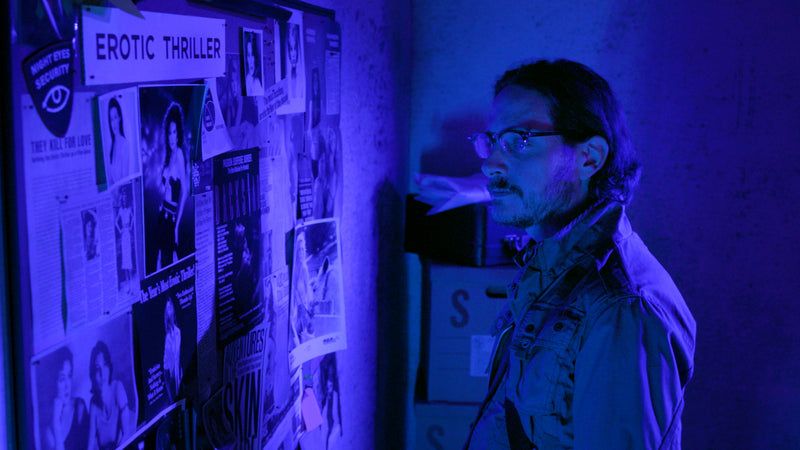
Most Informative: Speaking of Woodlands Dark and Days Bewitched, like that film, We Kill for Love is a deep dive into a specific subgenre, investigating literary and cinematic roots; looking at the sociological, technological, and commercial forces that came together to give birth to it; discussing recurring tropes; and interviewing theorists, historians, and people who worked on the movies under discussion. Subtitled “The Lost World of the Erotic Thriller,” We Kill for Love focuses on the direct-to-video and cable movies that braided together film noir, gothic romance, and softcore erotica in the 1980s and ‘90s, the kinds of movies that made Cinemax famous as “Skinemax” and put Showtime on the map as opposed to the classier, Hollywood-oriented HBO. (Mainstream hits like Fatal Attraction and Basic Instinct come in for discussion as well, as those movies sparked their own imitators, such as the DTV Fatal Instinct.) I actually think this is a better film—as a movie rather than an information-delivery vehicle—than Woodlands Dark, possibly because the tropes of the erotic thriller were more codified, so there’s less “feature creep” in exploring them, but also because the central question of We Kill for Love—why don’t they make ‘em like this anymore?—makes the documentary something of a mystery to unravel itself. The frame of an investigator digging through dossiers and video tapes, accompanied by a sultry voice-over, is a nice touch, like we’re watching an extra-long episode of The Red Shoe Diaries.
Thanks for reading, and have a great Fall!
 Medleyana